
Maczek — the Black Brigade at Tatarska Przełęcz
, 47, has commanded the () since October 1938 — the first fully mechanised Polish unit, equipped with TKS tankettes, Vickers armoured cars and Renault R35 tanks received in July 1939. Nicknamed the "Black Brigade" (Czarna Brygada) because of the regulation black leather worn by the crews. Strength: 2,200 men, 65 combat vehicles, two motorised battalions.
Initially deployed in Galicia as the mobile reserve of General 's , the brigade is thrown into a retarding action on 1 September along the Sucha-Wadowice axis against General 's and the of the (List). Maczek shifts into a methodical withdrawal eastward: Nowy Targ, Jordanów, Wiśnicz, then Tarnów. By 8 September, the brigade has lost a third of its vehicles but has also forced a 48-hour delay on the and inflicted around 1,500 dead or wounded on the enemy.
The Soviet invasion on 17 September cuts the road to the "Romanian bridgehead". On 18 September, Maczek receives orders from Rydz-Śmigły: cross into Hungary to preserve what remains. The brigade then numbers 1,500 fit men and 32 vehicles. Crossing the Hungarian frontier forces choices.
How to cross the Hungarian frontier?
Maczek chooses C. On 18-19 September, at Tatarska Przełęcz (the Tatra pass), the destroys or buries its vehicles and heavy weapons — neutral Hungary refuses to admit armed belligerents. 1,400 men cross the border in uniform and are interned. Over the months that follow, Maczek organises their clandestine escape via Yugoslavia to France, where as early as January 1940 he reconstitutes a new . Brief fighting in France (May-June 1940), evacuation to Britain. In 1942 the becomes the , spearhead of the closing of the Falaise Pocket in August 1944. Maczek liberates Breda and Wilhelmshaven, ends the war as a general. Refuses to return to communist Poland. He dies in Edinburgh in 1994, at the age of 102, without ever seeing a free Poland again in the uniform he had worn at Tatarska Przełęcz.
Learn more about this event
Related polls
10
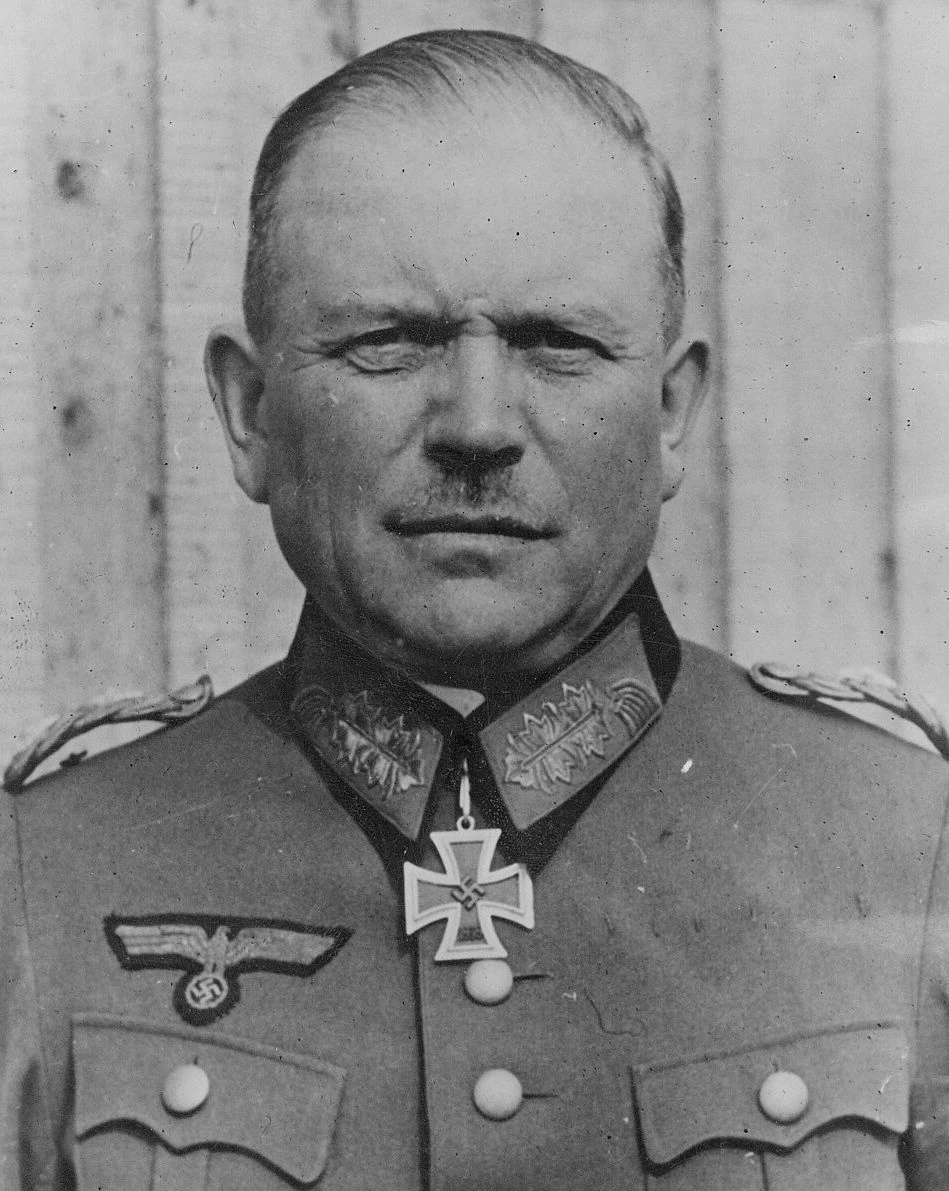
Brześć — Plisowski faces Guderian
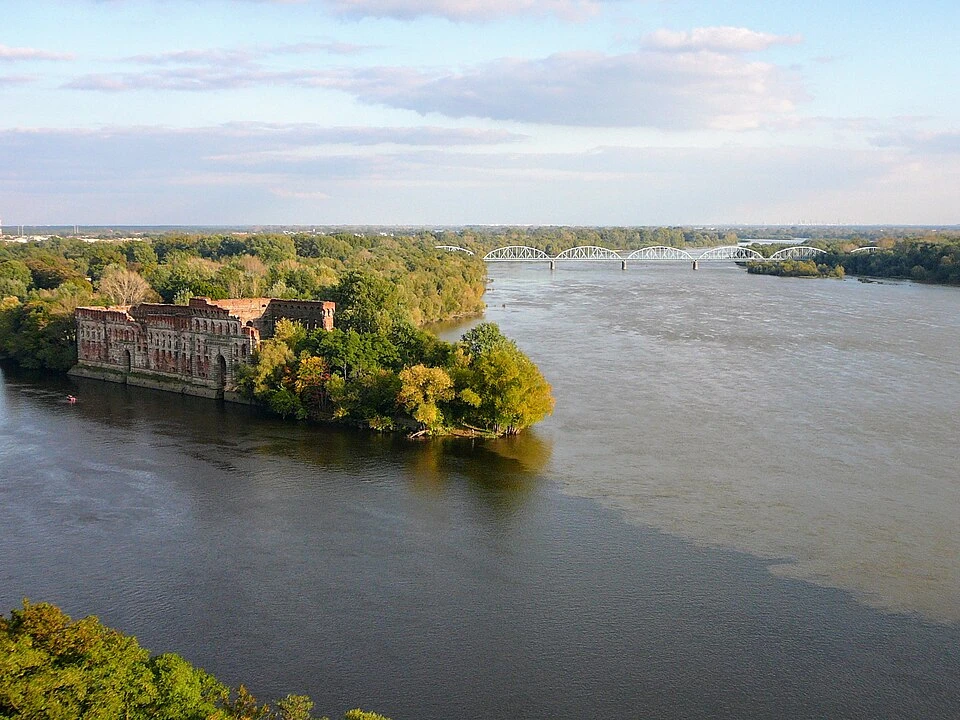
Modlin — Thommée at the last fortress
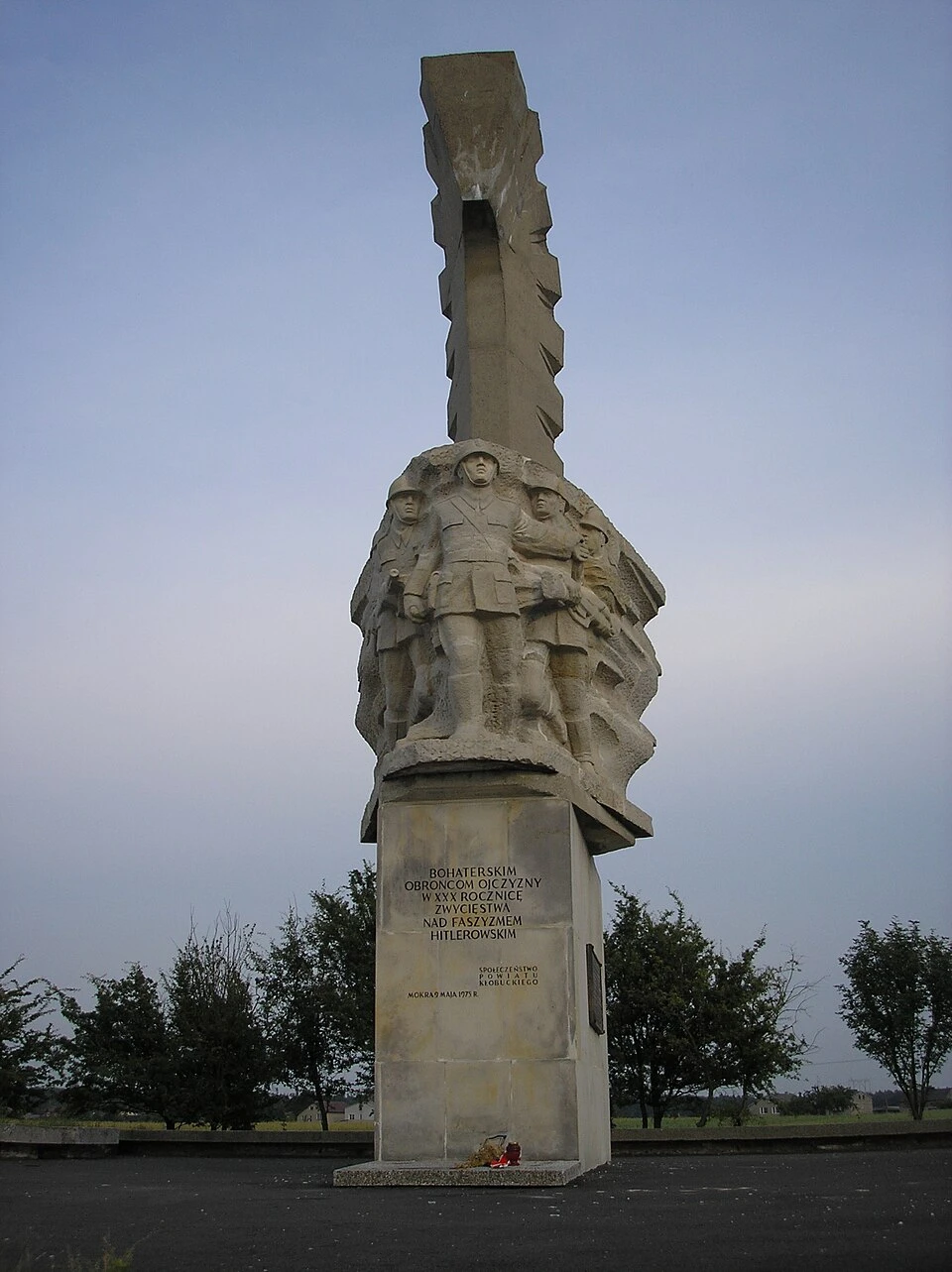
Mokra — Filipowicz and the Volhynian Brigade
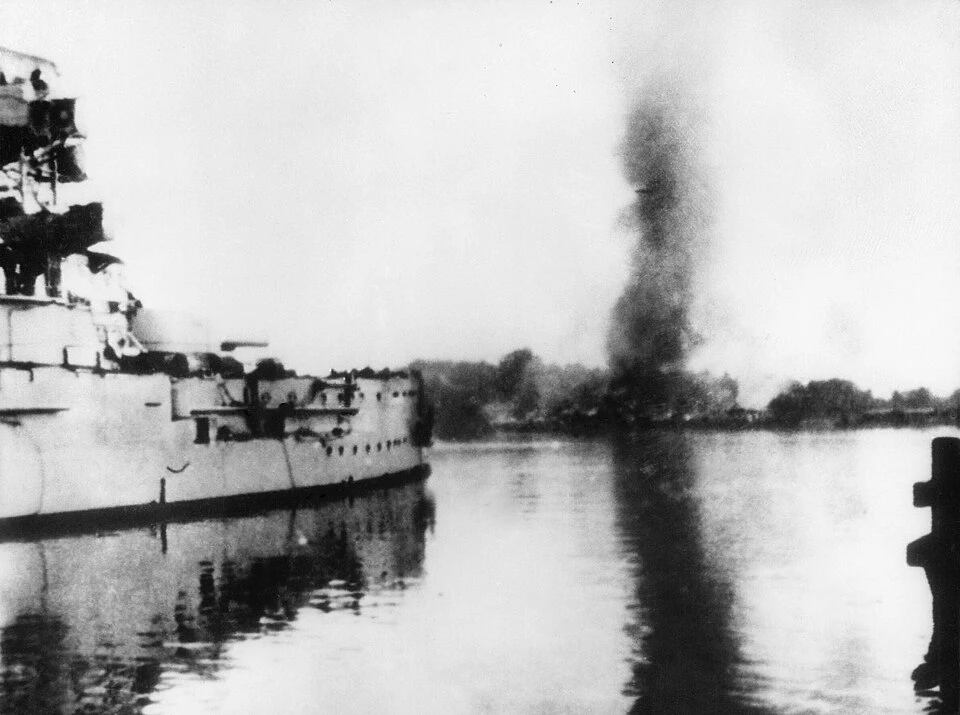
Westerplatte — Sucharski under the Schleswig-Holstein's guns
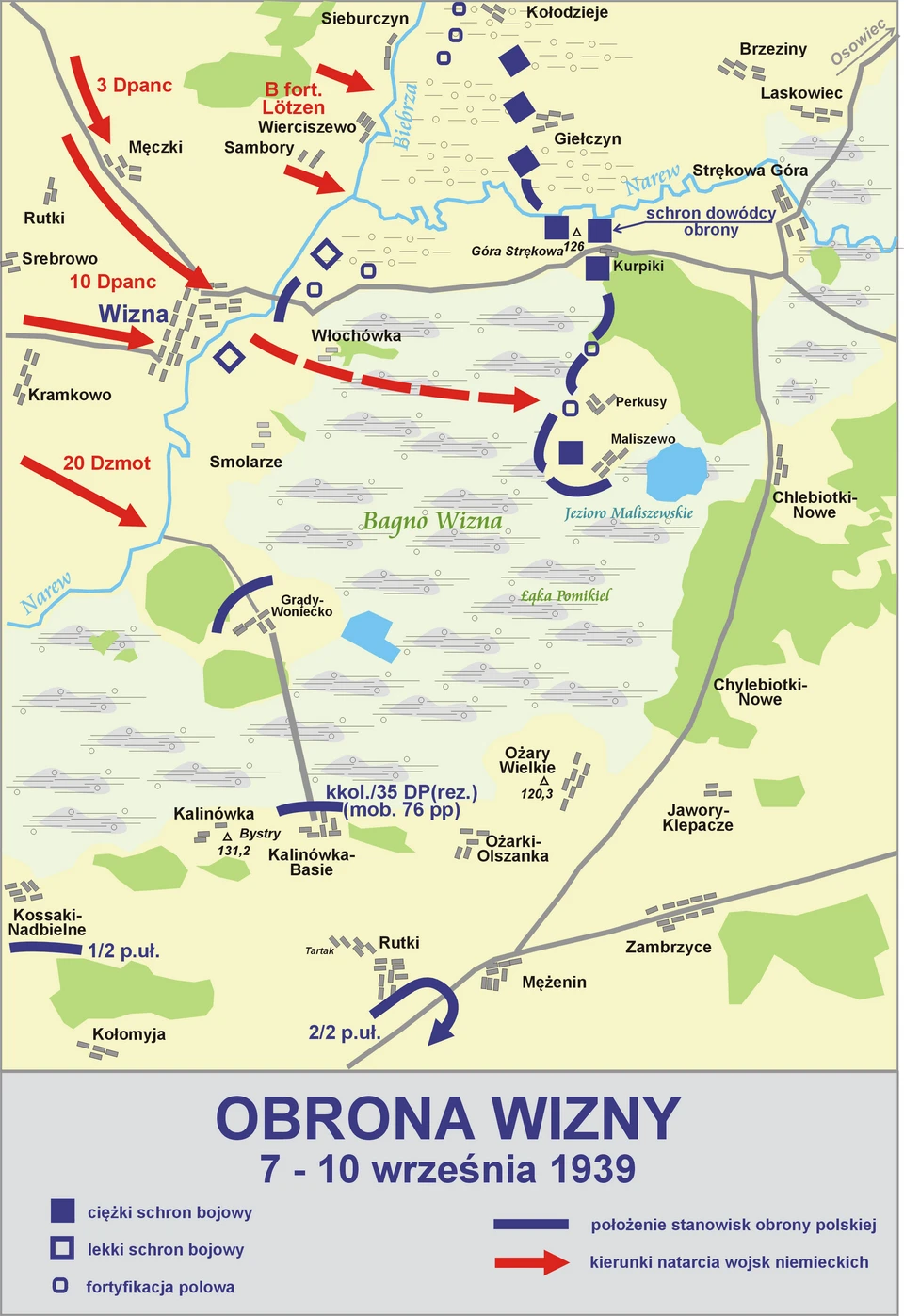
Wizna — Raginis in the Górka bunker
Kock — Kleeberg on the morning of 6 October
Wytyczno — Orlik-Rückemann after Szack
The Bzura — Kutrzeba faces the trap
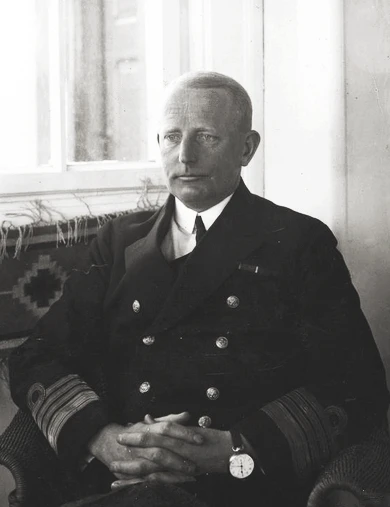
Hel — Unrug faces the German envoy
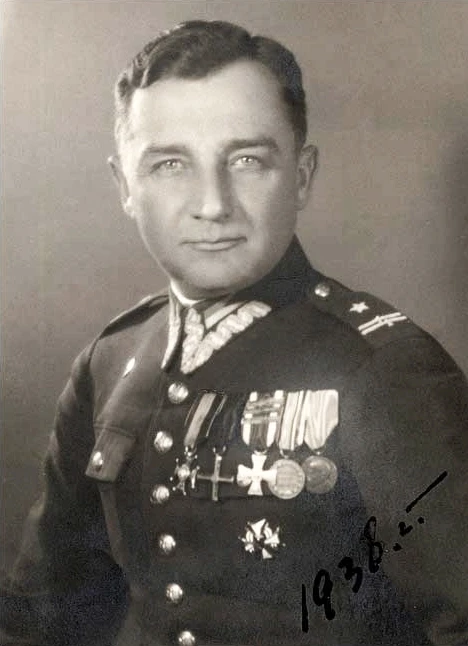
Hubal — after the order to disband
Brześć — Plisowski faces Guderian
Modlin — Thommée at the last fortress
Mokra — Filipowicz and the Volhynian Brigade
Westerplatte — Sucharski under the Schleswig-Holstein's guns
Wizna — Raginis in the Górka bunker
Kock — Kleeberg on the morning of 6 October
Wytyczno — Orlik-Rückemann after Szack
The Bzura — Kutrzeba faces the trap
Hel — Unrug faces the German envoy