
Prestige or orders, at Kassala
At the beginning of 1941, the Italian general commands the Eritrea sector in Italian East Africa, the empire that Mussolini carved out around Ethiopia. His troops occupy Kassala, a frontier town taken from Sudan in 1940.
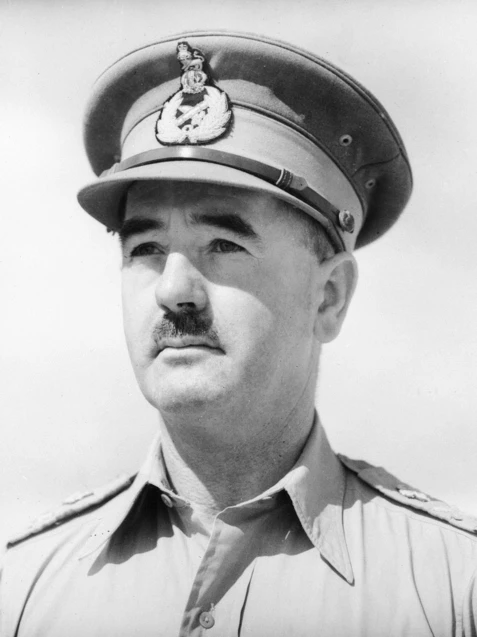
On paper, Frusci dominates: he fields three divisions and three brigades against the two Indian divisions of the British Lieutenant-General , an advantage close to two to one. But the real ratio is misleading. As the historian writes, the Commonwealth forces are better prepared and equipped for a war of movement, while Frusci, devoid of serious anti-tank weapons, dreads terrain that favours mechanised columns. The British dominate in the sky, in intelligence and in morale.
After the catastrophe in Libya, the role assigned to the East African empire is no longer anything but to endure: to delay as long as possible the transfer of British reinforcements to Egypt. But views diverge on the course to take, and Platt's offensive is imminent. Frusci, for his part, argues that abandoning territory too freely would deal a blow to Italy's prestige. The general must choose between the honour of the flag and the preservation of his forces.
Should Frusci hold Kassala for prestige, or carry out the order to withdraw to preserve his divisions?
Frusci chooses A: despite his reluctance, he bows to the orders of the high command at Addis Ababa and Rome — which, going further than he, judged the time had come to withdraw — and evacuates Kassala and Tessenei in the night, withdrawing his forward forces towards the triangle of the inner foothills (Keru, Biscia, Aicotta). When Platt's offensive gets under way on 19 January 1941 — pushed back by a day — the Italians have already slipped off, and the Indian divisions set off in pursuit. They seize Agordat in early February, but then run into the fortified position of Keren, where one of the toughest battles of the campaign is fought from 3 February to 27 March. The fierce resistance at Keren really does delay the British by several weeks, fulfilling the objective of endurance set for the empire — before its fall opens the road to Asmara and Massawa and precipitates the collapse of Italian East Africa.
Learn more about this event
Related polls
10
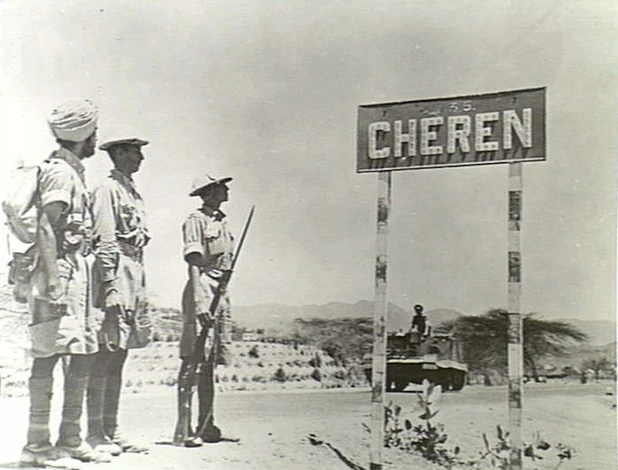
The Battle of Keren — Eritrea
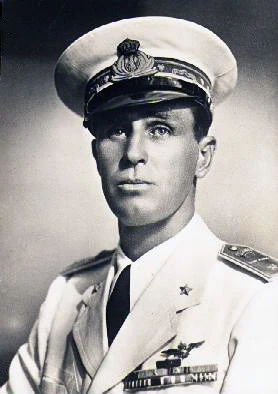
Amba Alagi — the Duke of Aosta encircled
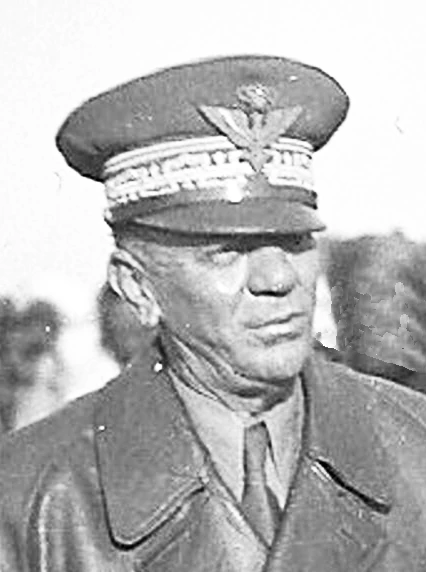
Asmara: a second Keren or an open city?
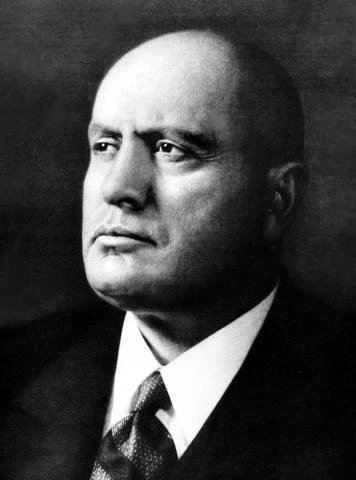
Hold the bastion or save the divisions?
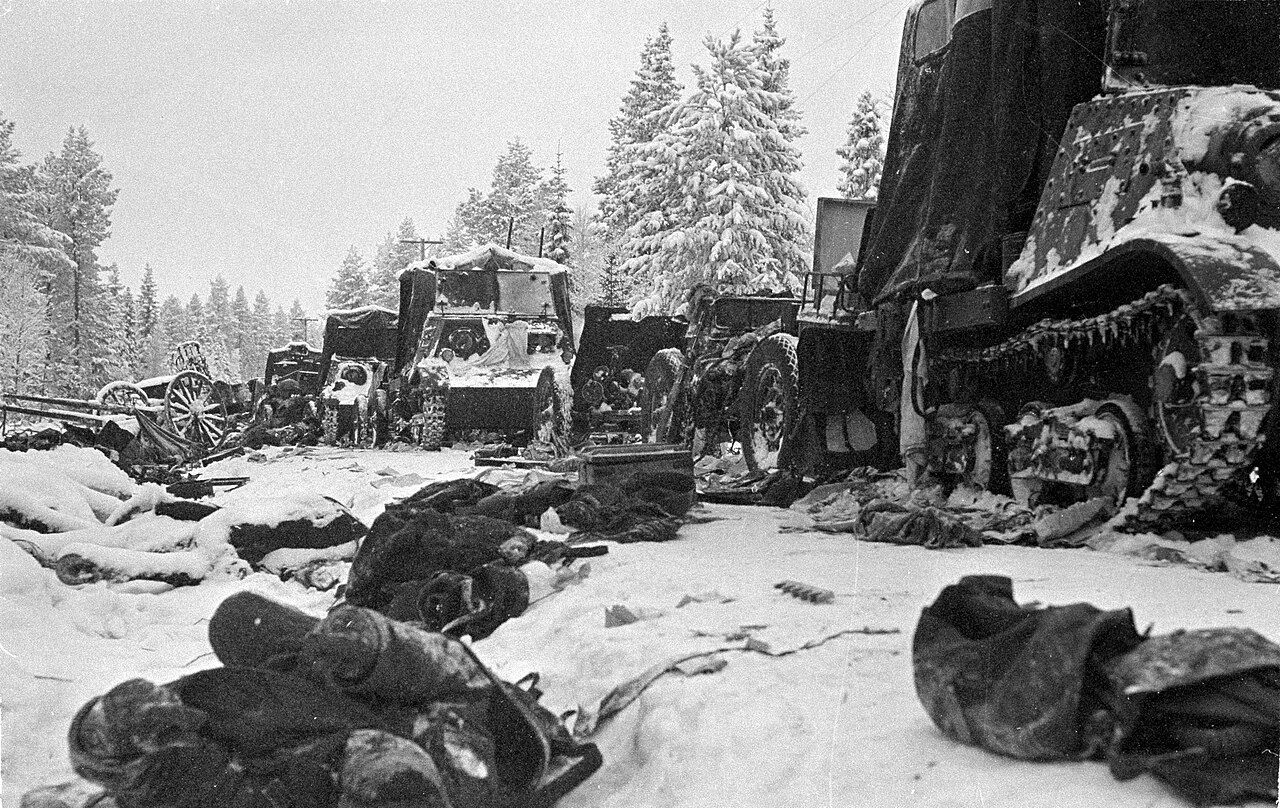
Raate — Vinogradov on the frozen road
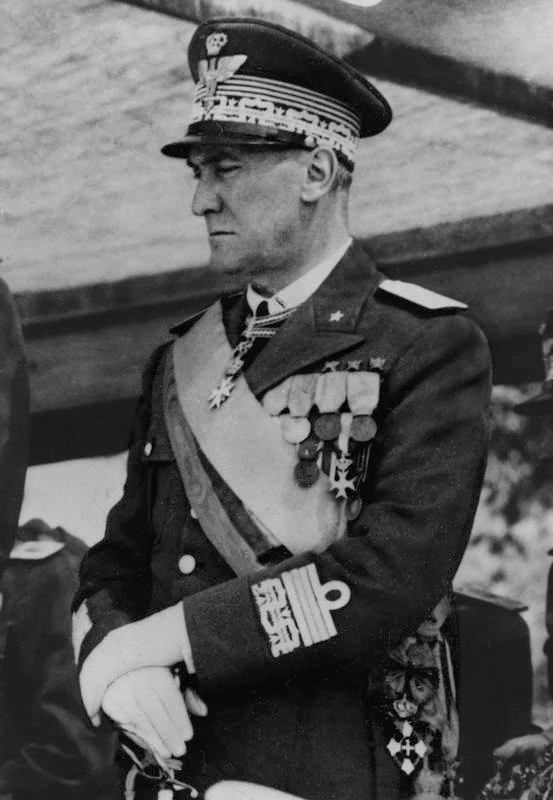
Graziani enters Egypt — Sidi Barrani
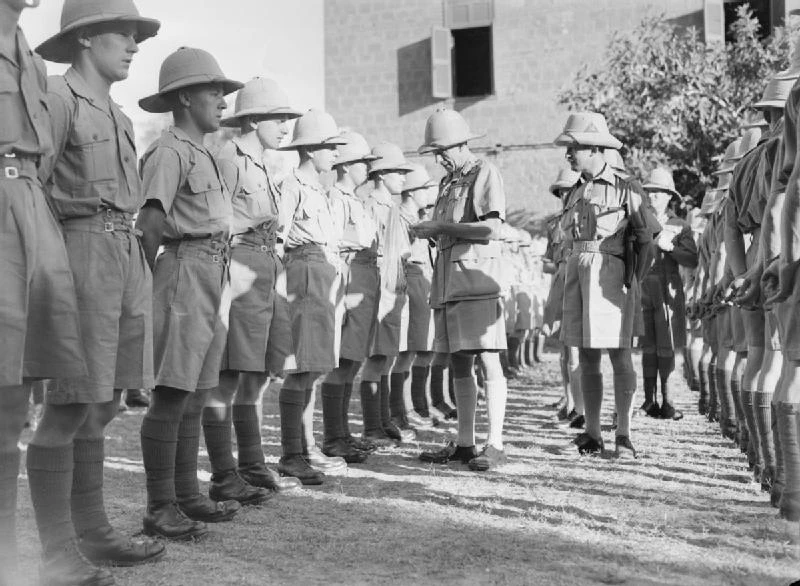
Morshead — Tobruk encircled, 10 April
Platt before Kassala — January 1941
Which heart to strike in the East?
Tug Argan — fall back or hold in Somaliland
The Battle of Keren — Eritrea
Amba Alagi — the Duke of Aosta encircled
Asmara: a second Keren or an open city?
Hold the bastion or save the divisions?
Raate — Vinogradov on the frozen road
Graziani enters Egypt — Sidi Barrani
Morshead — Tobruk encircled, 10 April
Platt before Kassala — January 1941
Which heart to strike in the East?