
The German "Uranverein": a priority refused
Contrary to a widespread belief, the German atomic programme was not launched in 1942: it had existed since 1939. A first uranium association (Uranverein) was formed in April 1939 under the auspices of the Reich Ministry of Education, after physicists pointed out the military applications of the fission discovered by and at the end of 1938. A second, more structured one, was created on 1 September 1939 under the control of the Army Ordnance Office (Heereswaffenamt) and . The Kaiser-Wilhelm Institute for Physics (KWI) in Berlin-Dahlem became its centre.
In 1941, directs the theoretical work from Leipzig (he would not head the KWI until 1942); the pile experiments there are conducted by . The effort is fragmented among some ten autonomous institutes — Diebner at Gottow, Harteck in Hamburg, Bothe in Heidelberg, Clusius in Munich — which vie for scarce resources. The Germans bet on heavy water (the Norsk Hydro plant at Vemork, in occupied Norway), and a flawed measurement by Bothe rules out graphite, a path others would explore.
At the end of 1941, estimates of the timescale and cost of a weapon divide the physicists, while the fronts clamour for immediate armaments — rockets, jet aircraft, armour. Fission competes with these programmes for materials and credits in short supply. The major decisions on what priority to grant uranium remain to be made: should it become a matter of state, or be left at the status of research?
What trajectory does the German nuclear programme take in late 1941?
The programme kept a modest priority ranking and fell further behind. At the end of 1941, the dominant conviction, shared by Heisenberg, was that a usable bomb remained years away, and priorities went to rockets and jet aircraft. The Uranverein, active since 1939 under the Army Ordnance Office and then transferred to the Reich Research Council in 1942, remained a decentralised network of rival institutes, structurally incapable of competing with the concentration of resources of the Manhattan Project. The dependence on Norwegian heavy water, the error over graphite (Bothe's biased measurement) and the derisory budget sealed its failure; graphite, wrongly ruled out, would lead the Americans to the first critical pile in December 1942. At the conference of 4 June 1942, Speer and the officials concluded that no bomb was feasible for years and redirected the effort towards energy production, with no crash programme. No German atomic weapon came into being before the end of the war.
Learn more about this event
Related polls
10
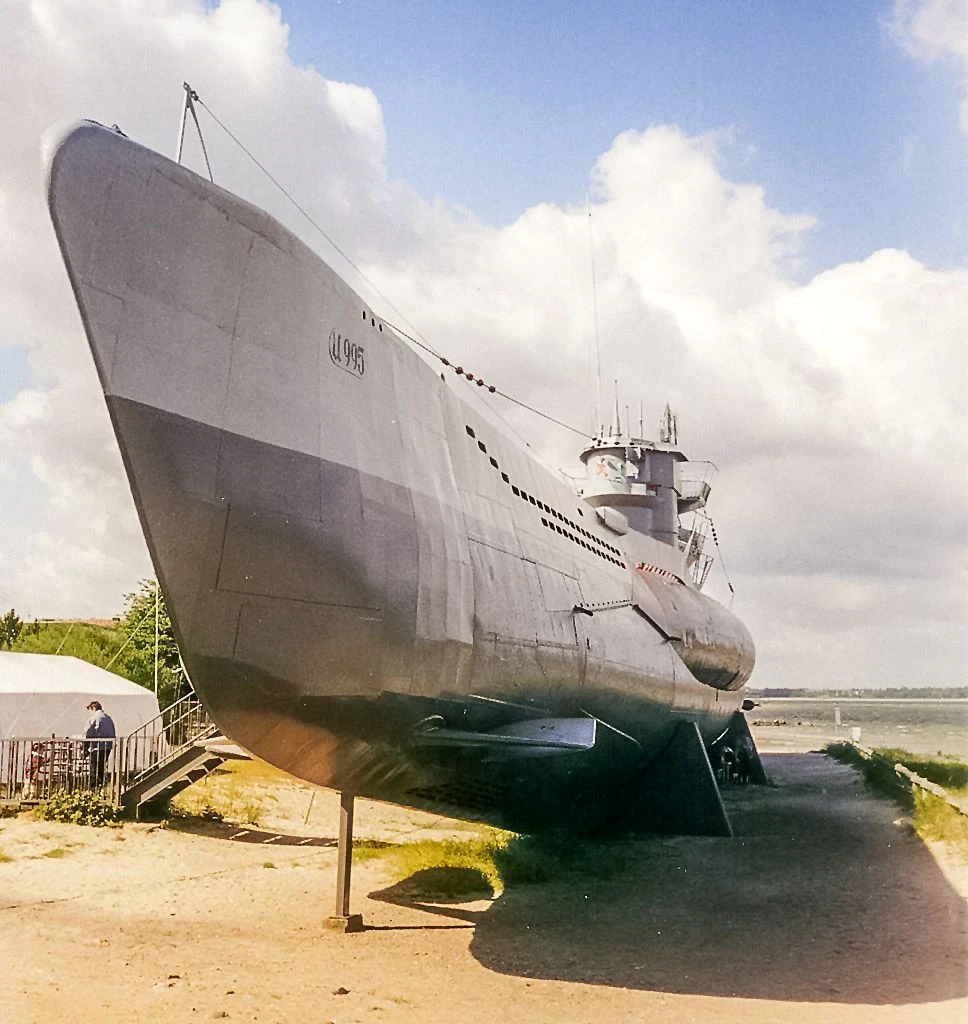
Dönitz at Sengwarden — the winter pause
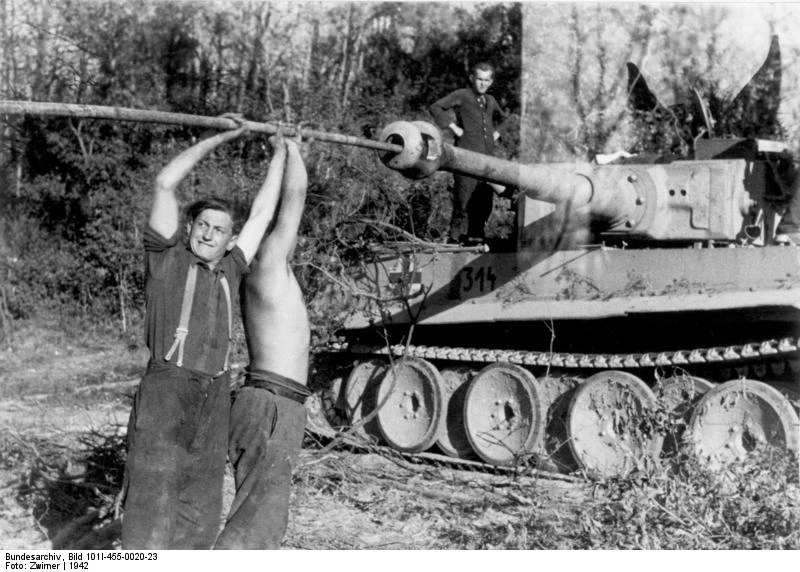
Two Factories, One Heavy Tank
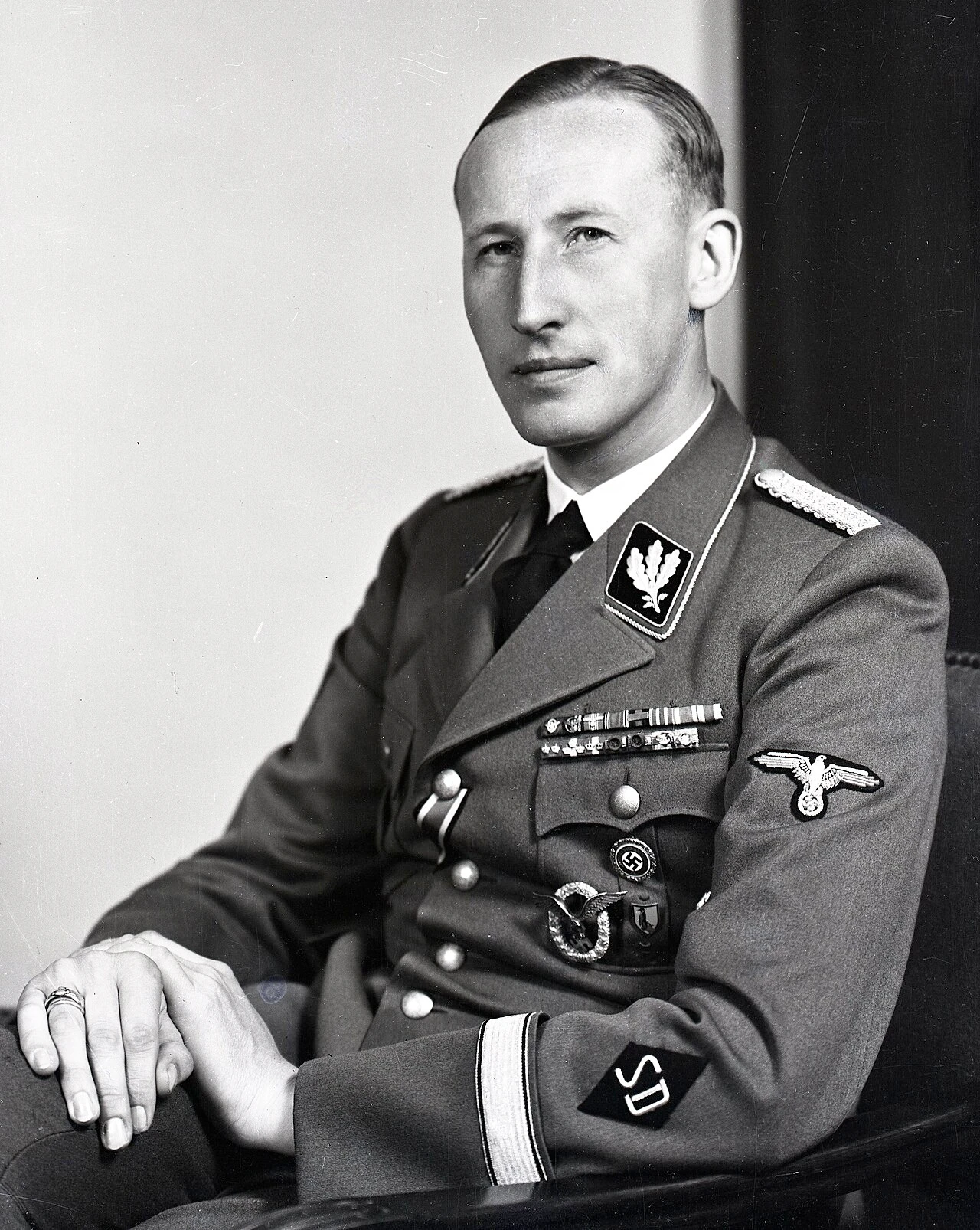
Heydrich's mandate
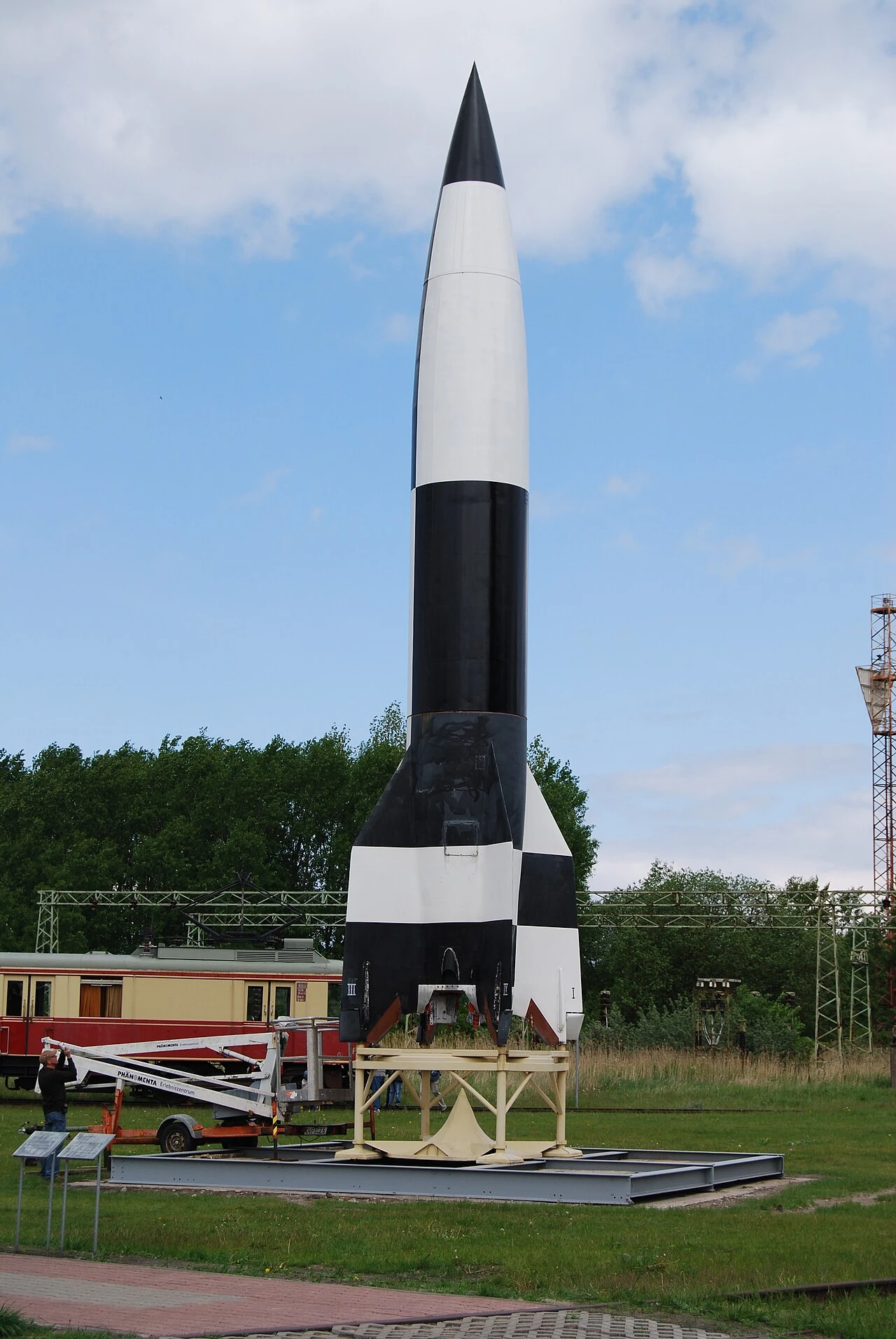
Peenemünde: producing before flying
On the Eve of Pearl Harbor, a Decision in the Shadows
Bulgaria: lock of the Balkans, a price to pay
The Obersalzberg Speech
Elser in Munich — Bürgerbräukeller, 9.20 p.m.
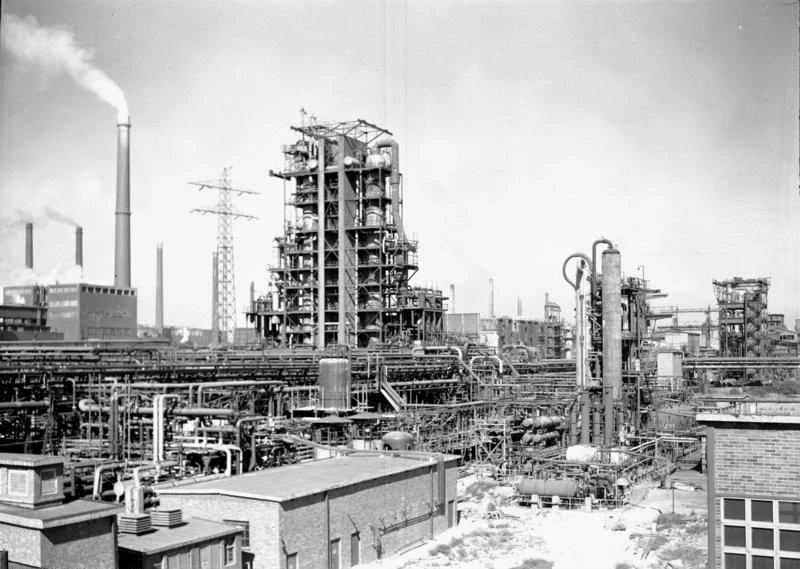
Making oil from coal
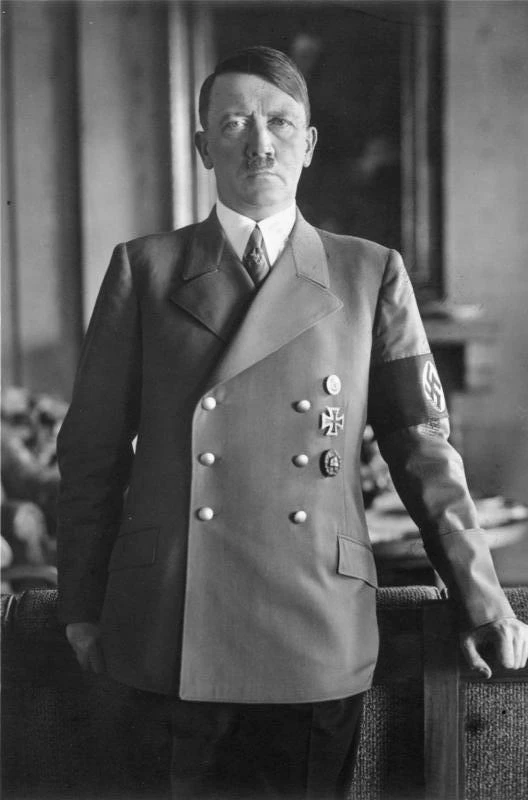
Hitler After Molotov — Berlin, November 1940
Dönitz at Sengwarden — the winter pause
Two Factories, One Heavy Tank
Heydrich's mandate
Peenemünde: producing before flying
On the Eve of Pearl Harbor, a Decision in the Shadows
Bulgaria: lock of the Balkans, a price to pay
The Obersalzberg Speech
Elser in Munich — Bürgerbräukeller, 9.20 p.m.
Making oil from coal