
ORP Wilk — Krawczyk and the Sund
The ORP Wilk ("Wolf") is a Polish submarine of 1929, built at the Augustin Normand yards (Le Havre) — 980 tons, six torpedo tubes, 40 mines aft. With her sister ships Rys and Żbik, she forms the . Older and technically less performant than the modern ORP Orzeł and Sęp (delivered in 1939), but equipped with an original bottom-mine-laying system unique in the Baltic.
At the outbreak of war, the Wilk is in the Baltic Sea, under the command of Lieutenant-Commander , 30, one of the youngest Polish submarine commanders. From 1 to 12 September, she conducts five offensive patrols, lays 20 mines off Rixhöft (Rozewie) and Memel on 4 September, but engages no targets by torpedo (the German convoys have been pulled back into the interior of the Bay of Danzig). On 12 September, while making for Hela to resupply, she is attacked by Heinkel He 111 bombers: eight near-misses, limited damage but the northern ballast damaged.
With the predictable fall of Hela and the Soviet invasion of 17 September, Krawczyk receives orders by radio from Admiral Unrug to attempt the escape to Great Britain. To reach the North Sea, the Danish straits must be crossed. Three passages lie open to him: the shortest but the most closely watched, a detour with shoals perilous for a submarine, or an intermediate route of adequate depth. The choice of route bears on the survival of the vessel.
What route should the Wilk take to cross the Baltic?
Krawczyk chooses A: the Sund strait, as the ORP Orzeł had done on 17-18 September. On 14 September, the Wilk leaves Hela on the surface, makes due north. On 17 September, she approaches the Sund. Navigation is arduous: strong currents, depth limited to 8 metres at some points (the Wilk draws 4 metres), Danish and German air patrols. Krawczyk dives by night, runs on the surface at dusk. On 18-19 September, he crosses the Sund submerged, at periscope depth, at 4 knots. On 20 September, he reaches the North Sea. The passage to the United Kingdom takes another four weeks — the Wilk must avoid German and British patrols (which may confuse her with a U-boat). On 20 October 1939, the Wilk enters Rosyth (Scotland). Reception by the British Admiralty. The submarine is incorporated into the Royal Navy as a Polish unit. Combat in the Atlantic during 1940-41 (ASW patrols, escort of Norway-UK convoys). Damaged in May 1941 by depth charges, withdrawn from active service, serves as training ship for Polish submariners until the end of the war. Krawczyk continues to serve in the Polish navy in exile. Refuses to return to communist Poland. Emigrates to Argentina after the war, dies in Buenos Aires in 1972. The Wilk's escape — less famous than that of the Orzeł — demonstrates once more the tactical capacity of the Polish navy in desperate conditions.
Learn more about this event
Related polls
10

Borakowski and the merchant fleet
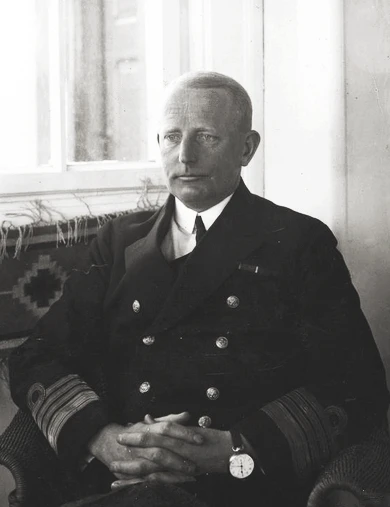
Hel — Unrug faces the German envoy
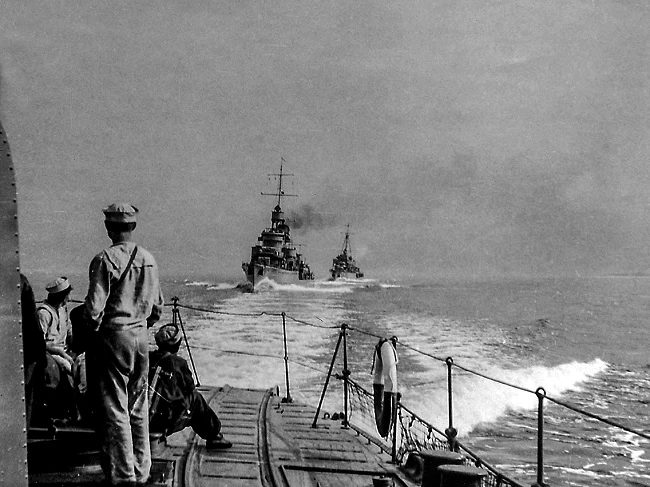
Operation Peking — Stankiewicz Facing the Sound
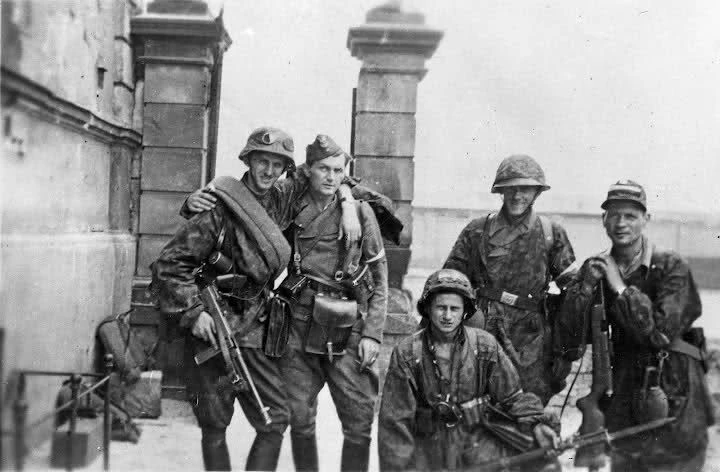
HMS Courageous — Makeig-Jones after the Torpedoes
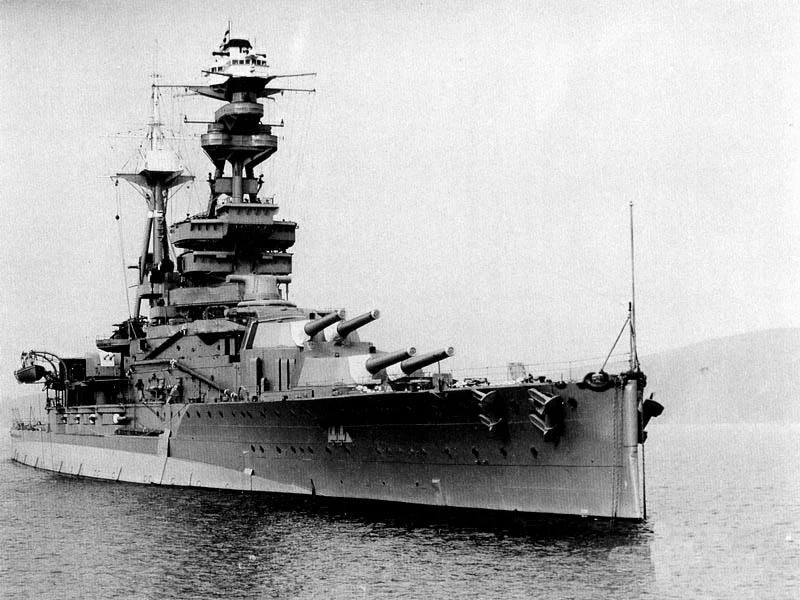
Royal Oak — Prien in Scapa Flow
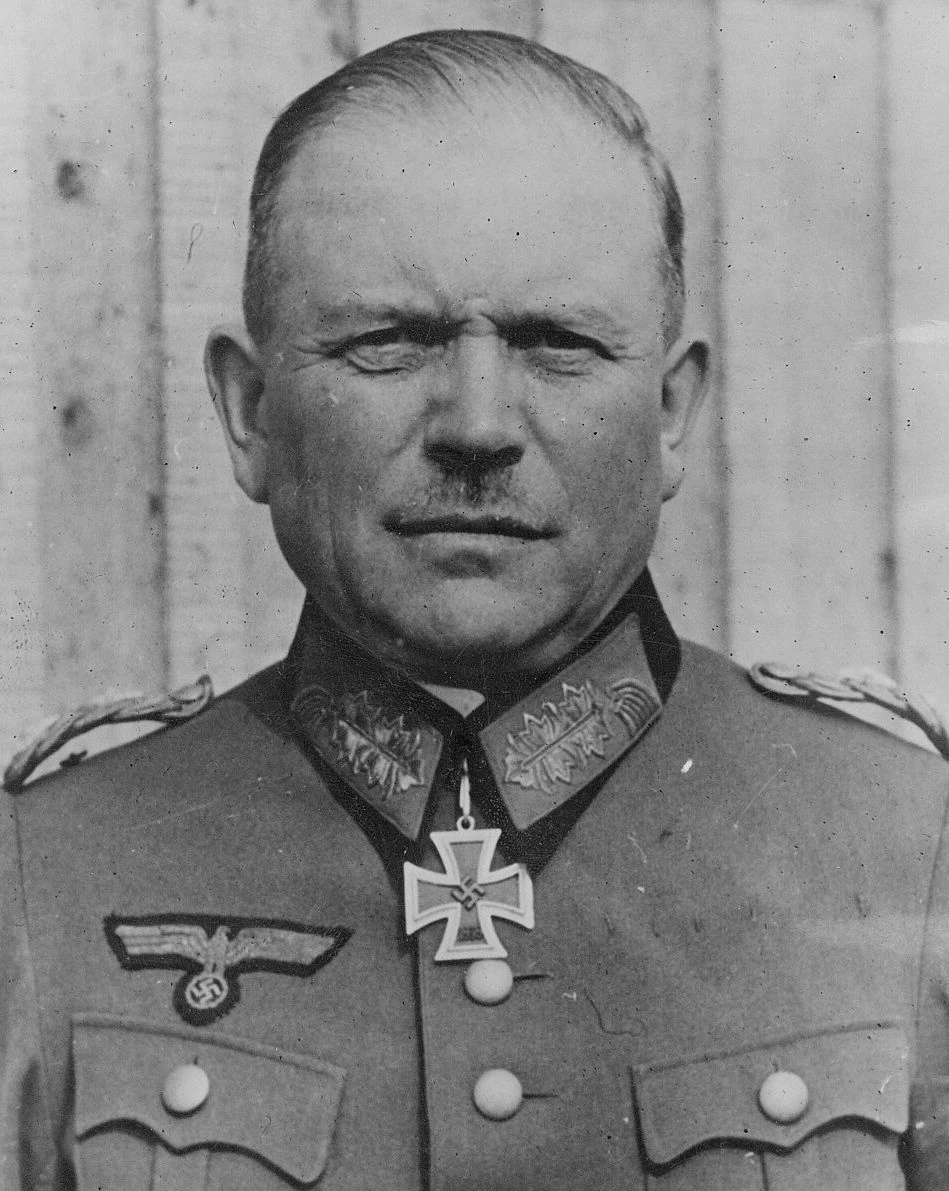
Brześć — Plisowski faces Guderian
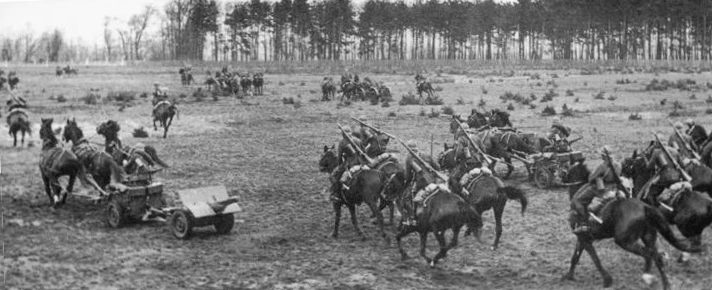
The Bzura — Kutrzeba faces the trap
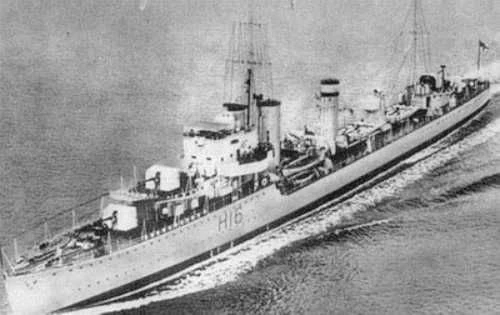
HMS Daring in the Pentland Firth

HMS Rawalpindi — Kennedy at 3:47 p.m.
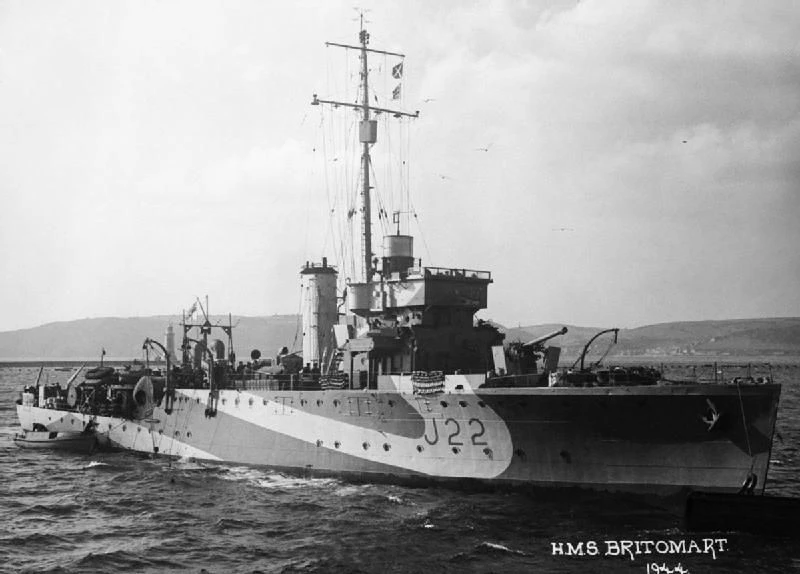
HMS Sphinx at Kinnaird Head
Borakowski and the merchant fleet
Hel — Unrug faces the German envoy
Operation Peking — Stankiewicz Facing the Sound
HMS Courageous — Makeig-Jones after the Torpedoes
Royal Oak — Prien in Scapa Flow
Brześć — Plisowski faces Guderian
The Bzura — Kutrzeba faces the trap
HMS Daring in the Pentland Firth
HMS Rawalpindi — Kennedy at 3:47 p.m.