
After the evacuations from Åndalsnes and Namsos, British opinion is dismayed. The Norway Debate is convened on 7 May 1940 in the Commons: a review of the campaign's handling by the Chamberlain government.
On 7 May, defends his policy. Hostile reception but controlled. The blow comes from the Conservative benches — his own party. , Conservative, former Colonial Secretary, delivers a devastating speech. He ends by quoting Cromwell to the Long Parliament in 1653: "You have sat too long here for any good you have been doing. Depart, I say, and let us have done with you. In the name of God, go!" The effect in the Chamber is considerable.
On 8 May, second day. Speech by , former Prime Minister 1916-1922, who calls on Chamberlain to "sacrifice himself". That evening, vote on the adjournment (a motion equivalent to a vote of confidence). Result: 281 for the government, 200 against — a majority on paper. But 41 Conservative MPs voted against Chamberlain, with 80 abstentions in the majority. Chamberlain's majority collapses from 213 to 81. Major political crisis.
What to do in the face of the Conservative defection?
How should Chamberlain react to the collapse of his majority?
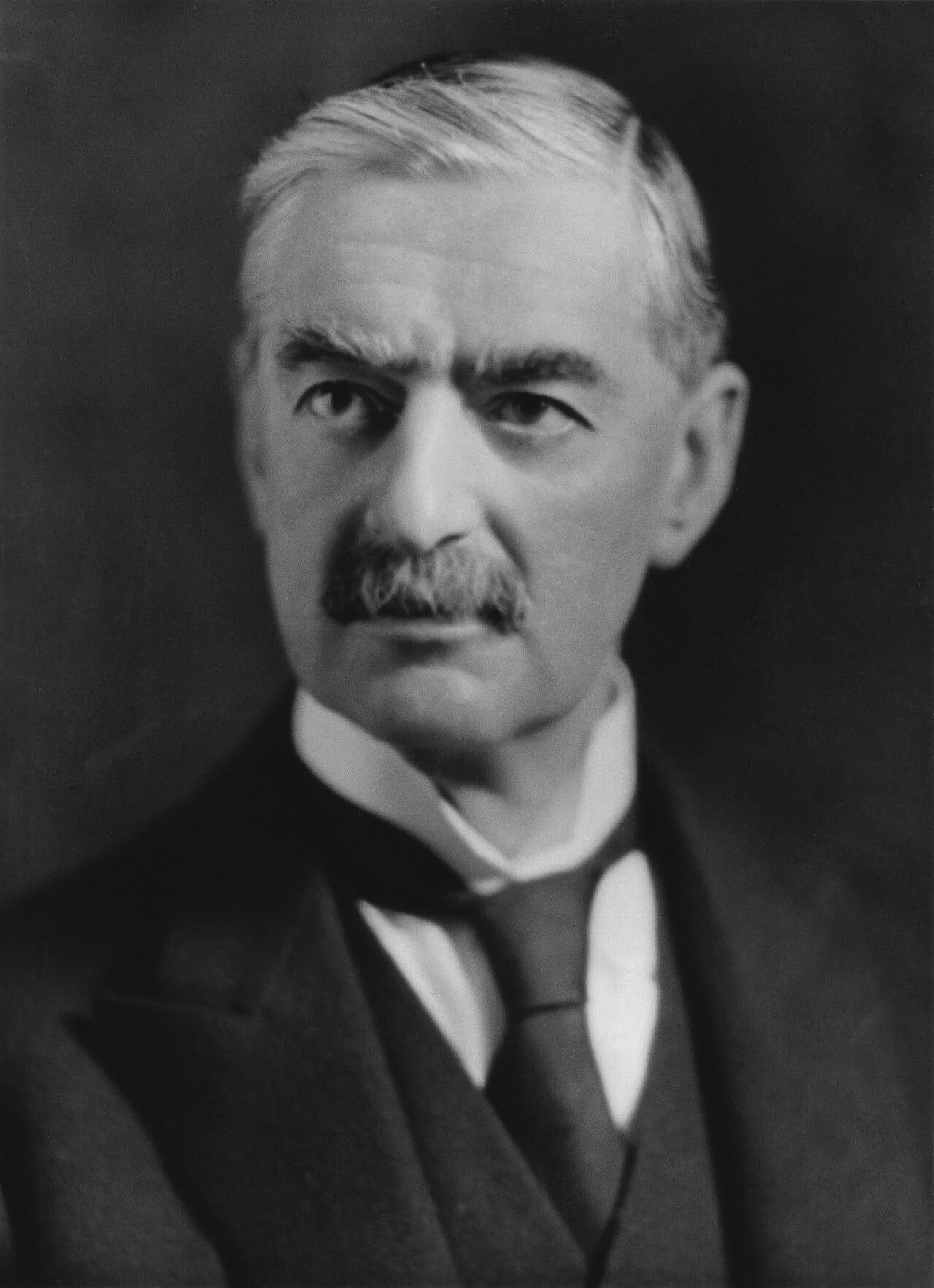
Chamberlain first tries A (morning of 9 May). He offers 's Labour a coalition. Attlee refuses: "Not under Chamberlain." That reply forces Chamberlain to B. On 10 May 1940 in the morning — the very day of Fall Gelb — Chamberlain resigns. King consults. Choice between Lord Halifax, the King's first preference (moderate, acceptable to Labour) and , unpopular in the Conservative Party but backed by the "hardliners". Halifax refuses his own nomination at the historic meeting of 9 May between Chamberlain, Halifax and Churchill: he argues that a Prime Minister sitting in the Lords is impracticable in wartime. Churchill becomes Prime Minister on 10 May 1940 at 18:00. He forms a War Cabinet of five: Churchill, Chamberlain, Halifax, Attlee (Lab), (Lab). First speech to the Commons on 13 May 1940: "I have nothing to offer but blood, toil, tears and sweat." Chamberlain dies six months later. The Chamberlain-to-Churchill transition, triggered by the Norway Debate, is one of the major political turning points of the twentieth century.
Learn more about this event
Related polls
10
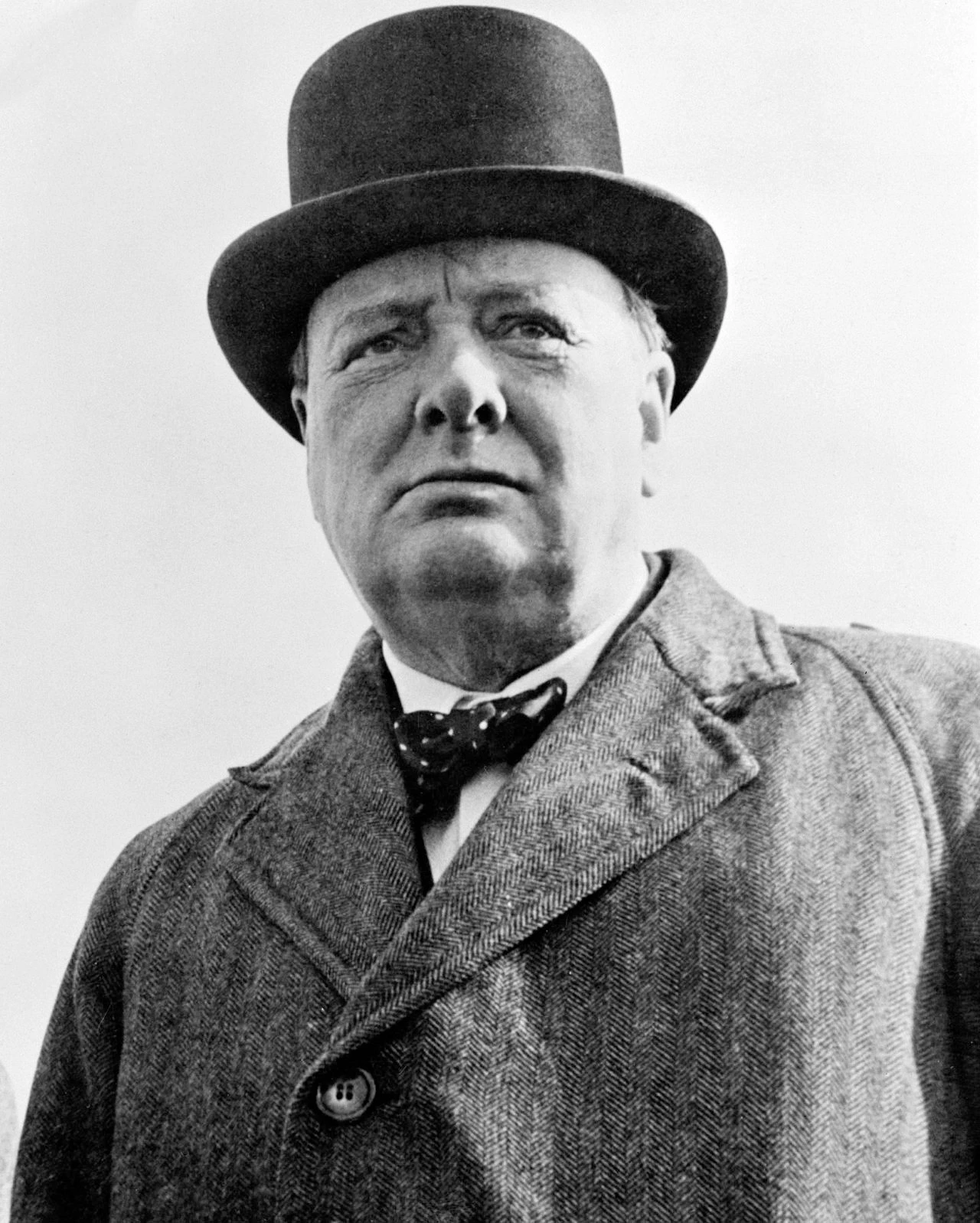
Churchill in power
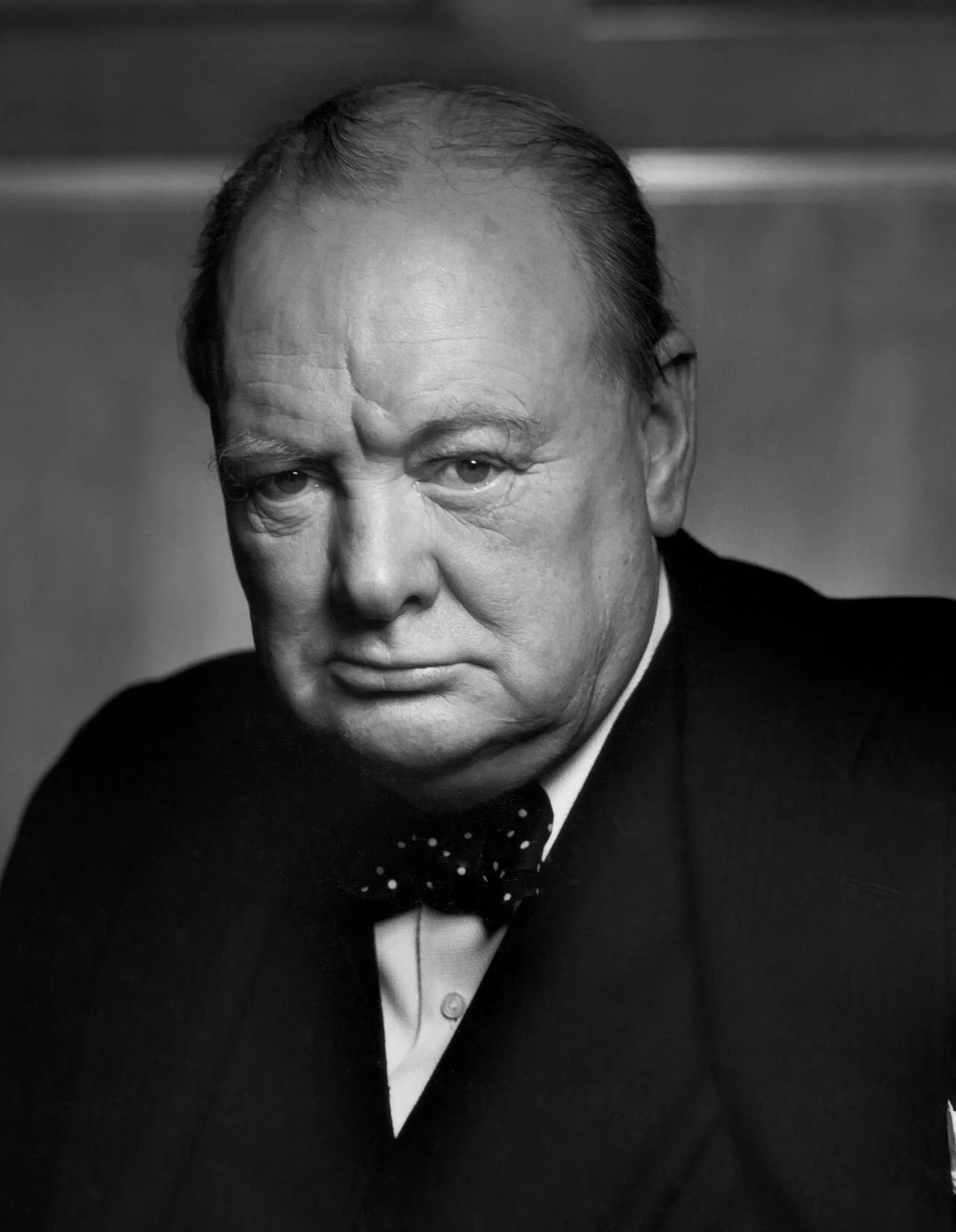
Churchill — Buckingham 10 May 18:00
War council — leave central Norway?
The War Cabinet — Negotiate or Carry On
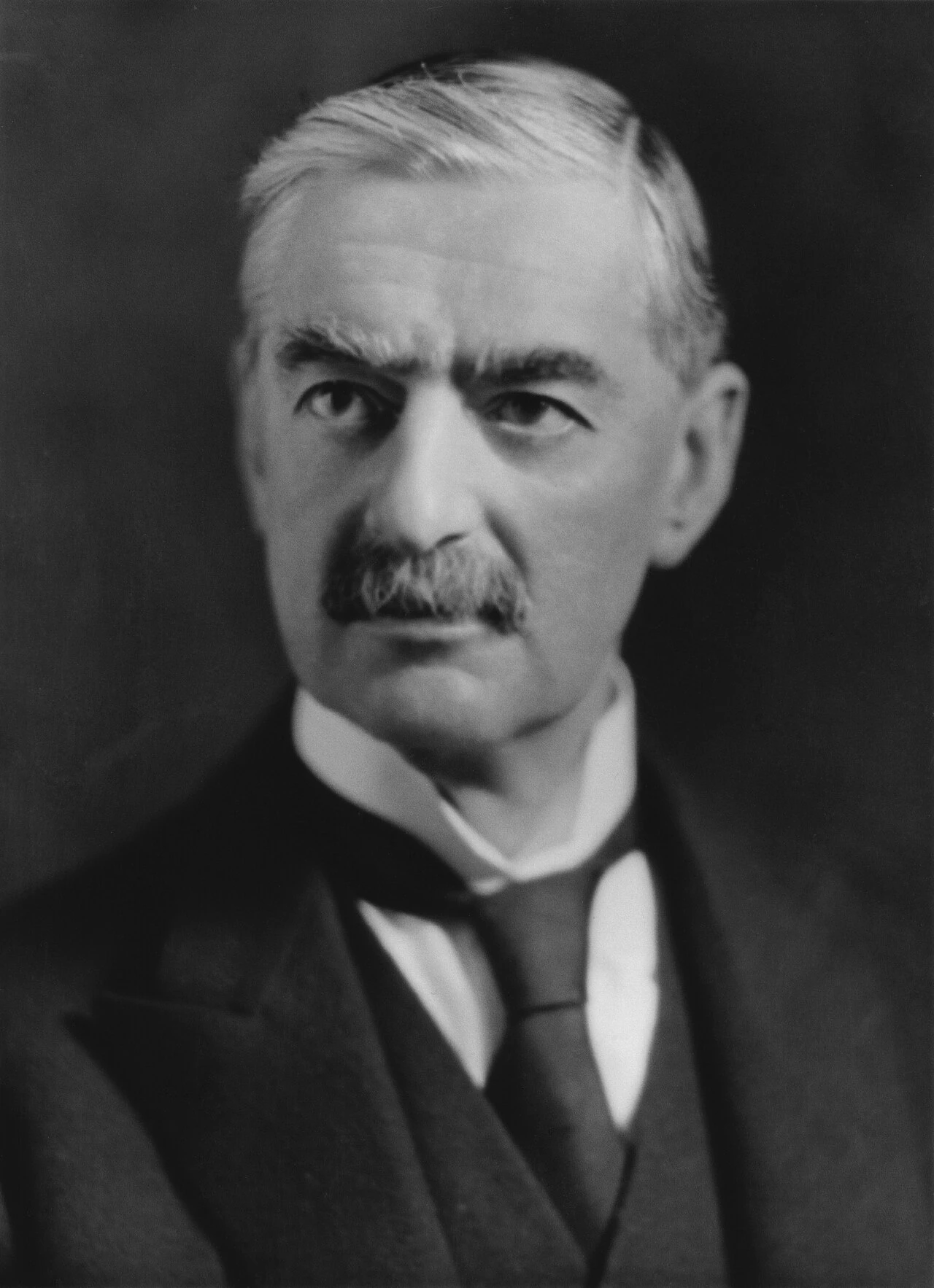
Chamberlain at Central Hall — 4 April
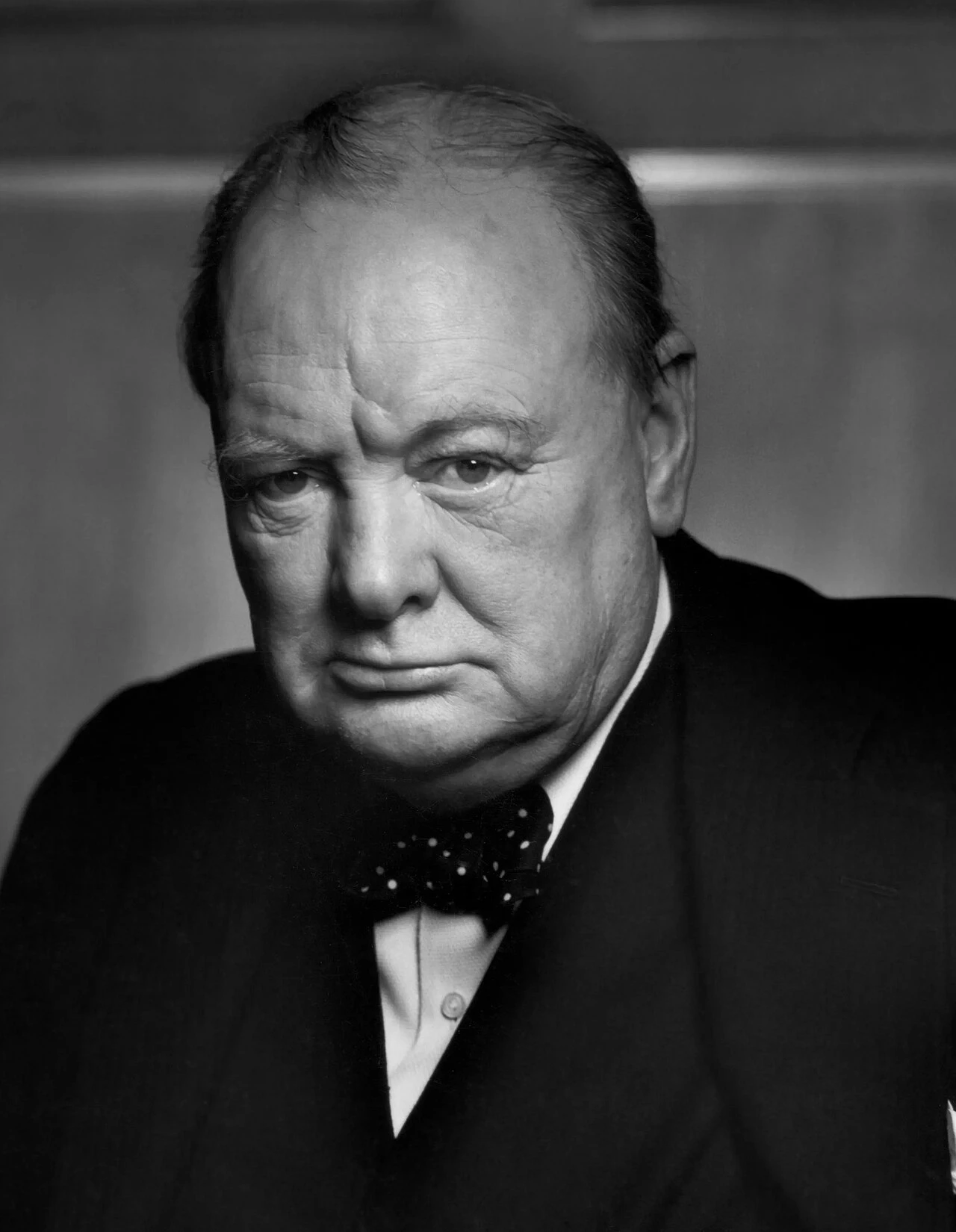
Churchill before the 25 ministers — 28 May 18:00
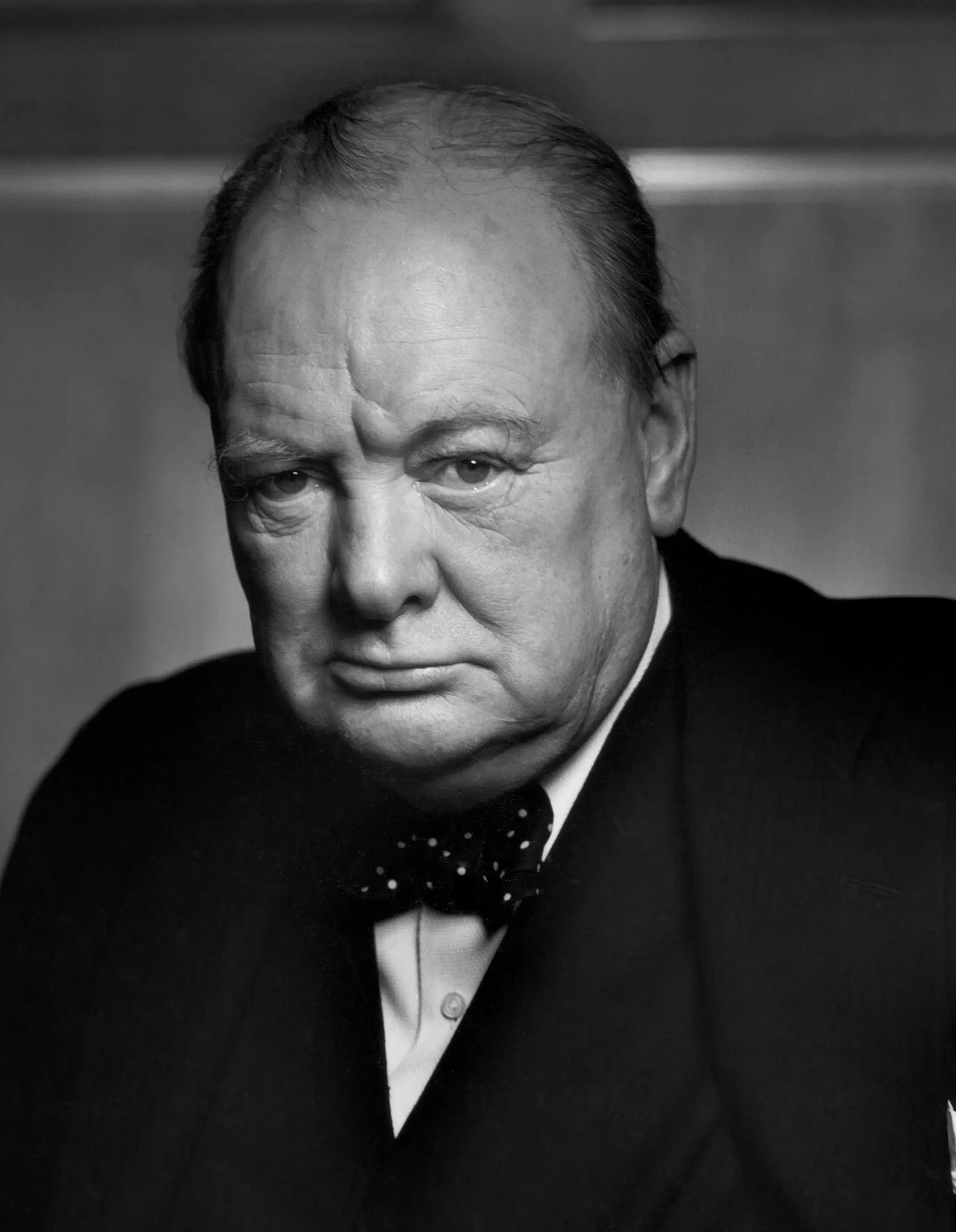
Churchill before the Commons — 4 June
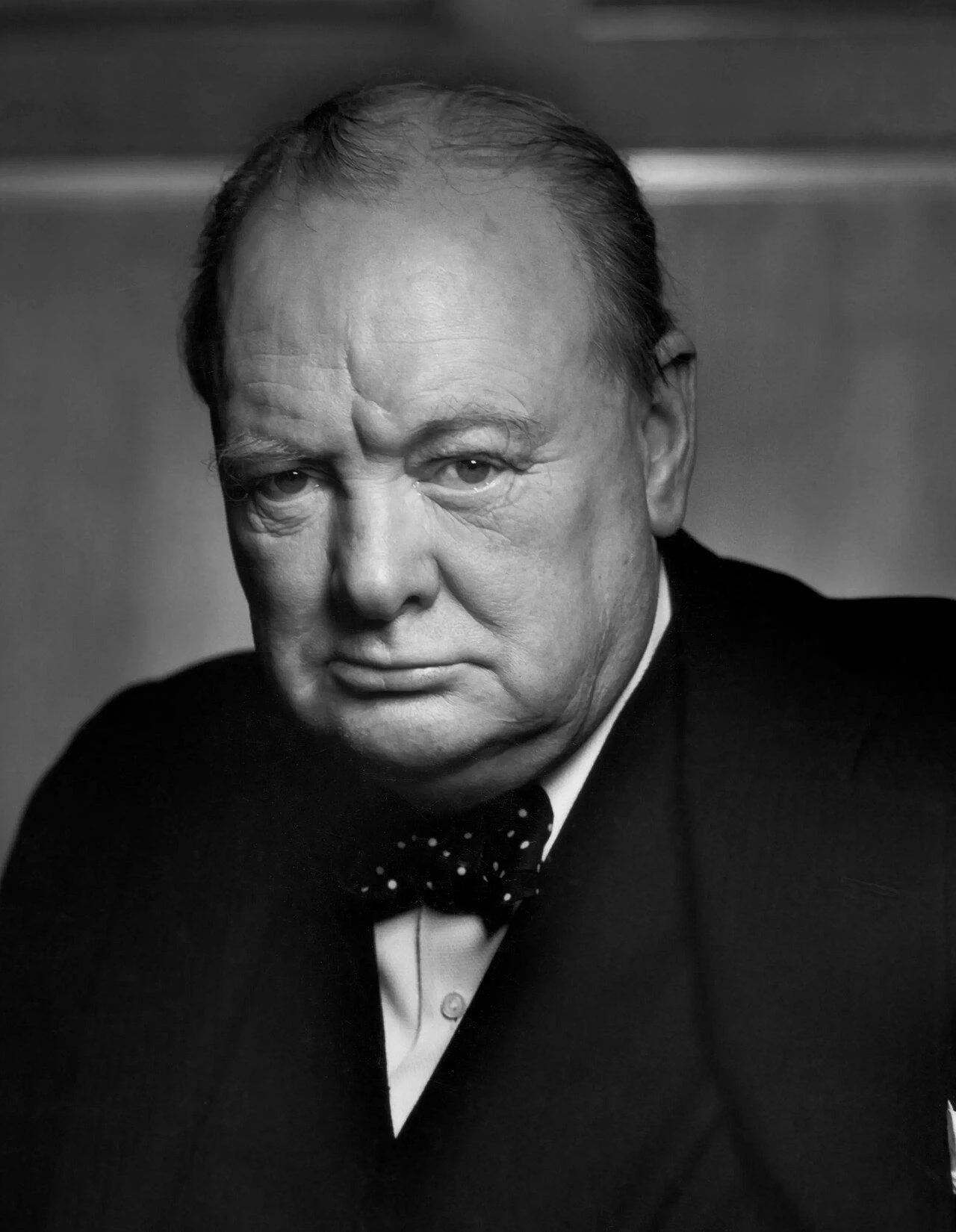
Halifax at the War Cabinet — 25 May 18:00
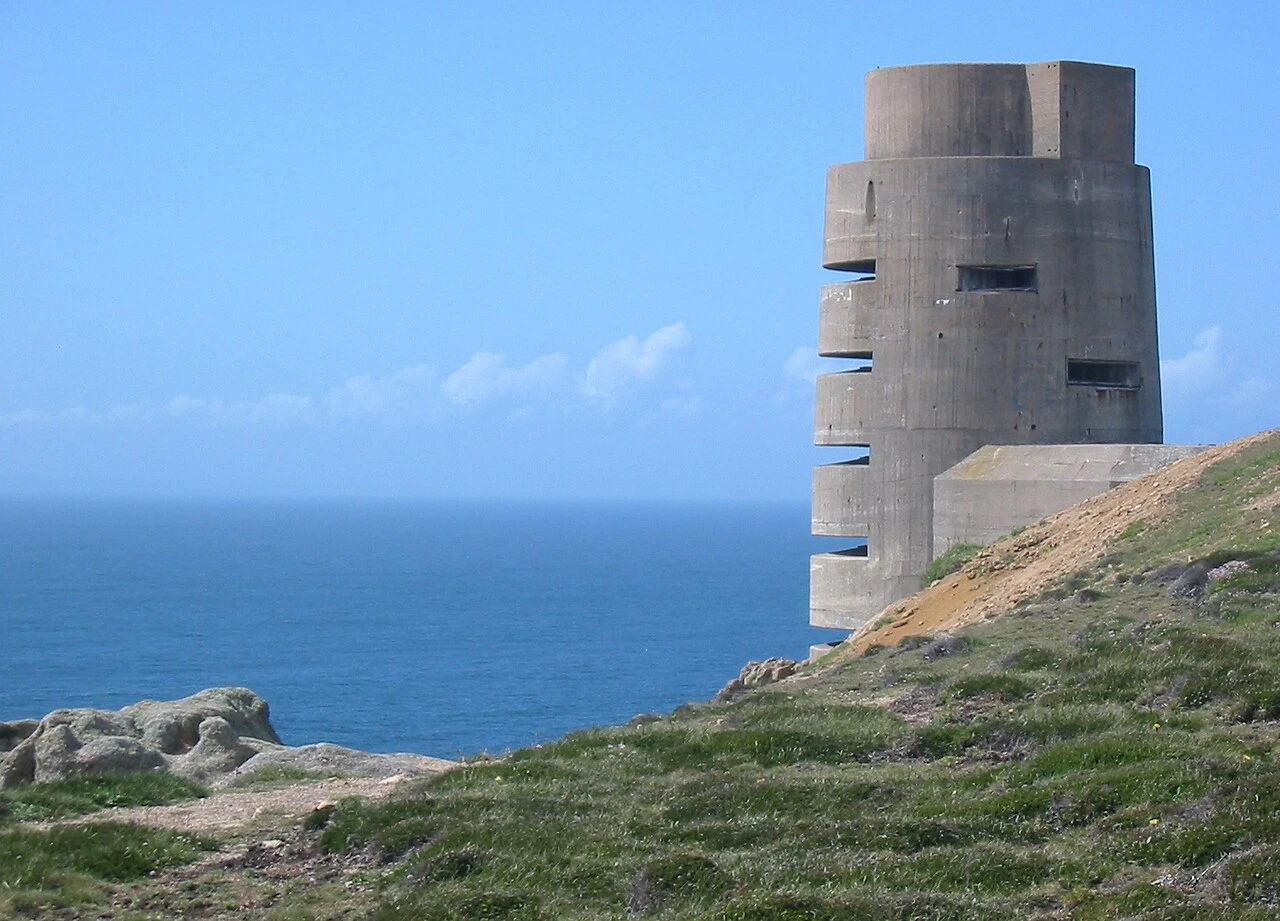
The fate of the Channel Islands
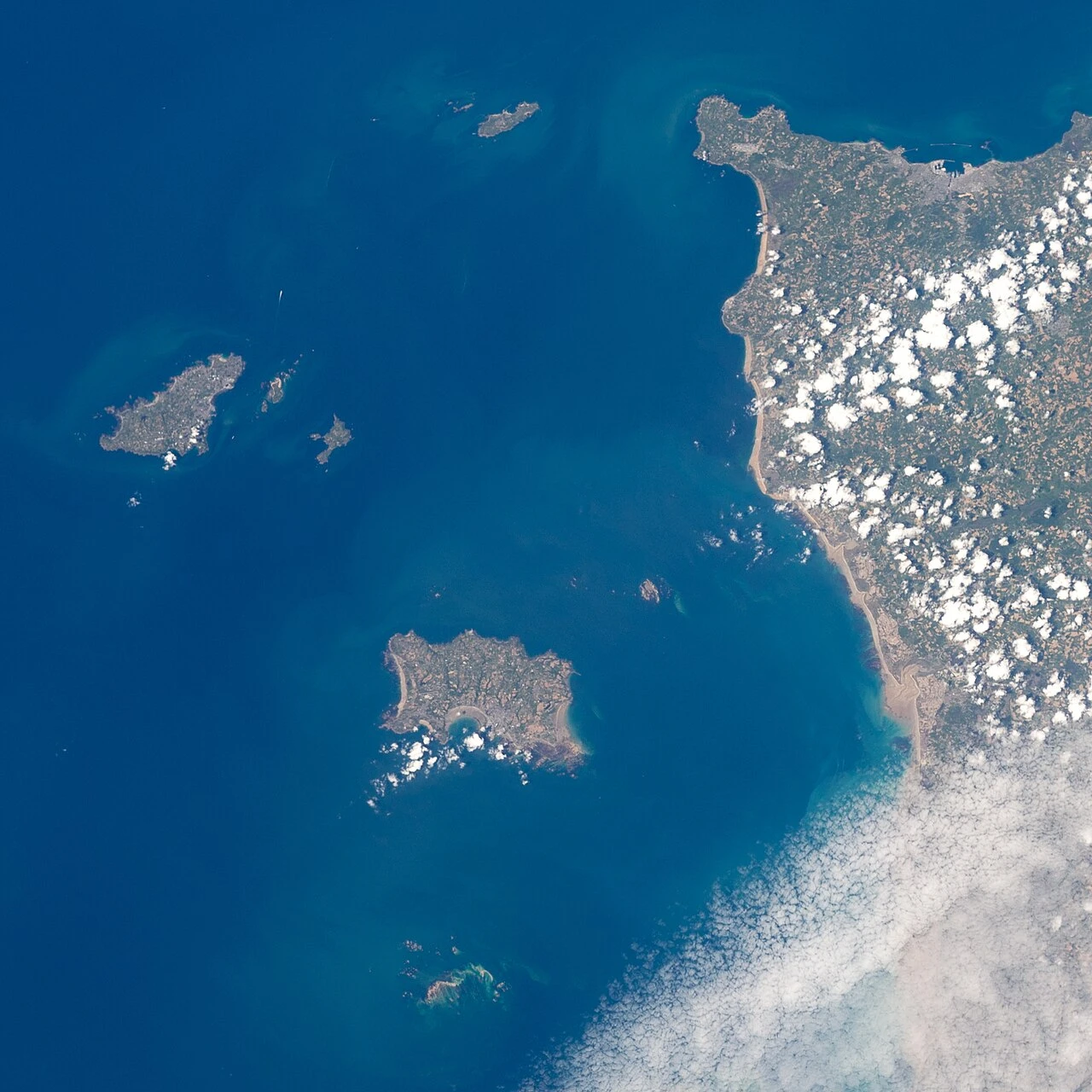
The Channel Islands — open city?
Churchill in power
Churchill — Buckingham 10 May 18:00
War council — leave central Norway?
The War Cabinet — Negotiate or Carry On
Chamberlain at Central Hall — 4 April
Churchill before the 25 ministers — 28 May 18:00
Churchill before the Commons — 4 June
Halifax at the War Cabinet — 25 May 18:00
The fate of the Channel Islands