
Peenemünde: producing before flying
In the autumn of 1941, the Peenemünde centre brings together most of the technologies of the A-4: a large liquid-propellant rocket engine, supersonic aerodynamics, gyroscopic guidance. But no rocket has yet completed a full flight, the test firings remain temperamental, and Hitler, hardly impressed, refuses to grant the programme top priority among the war's production efforts.
must nonetheless decide on the next industrial step. Should he commit immense resources right now to a pilot series-production plant on the island itself, when the weapon is not yet perfected? Or wait for development to be completed and a convincing first flight before tying up scarce resources?
The timetable of the entire weapon hinges on this choice: to gain a head start at the risk of producing a faulty device, or to secure the technology at the risk of delaying everything.
How does Dornberger steer the industrialisation of the A-4 in this autumn of 1941?
Dornberger fought relentlessly to launch the construction of a pilot series-production plant at Peenemünde itself without waiting (the Versuchsserienwerk, whose F1 assembly hall was then one of the largest self-supporting halls in Europe), in order to break in series production there before transferring it to industry. This gamble of industrialising before development was complete was carried through: the first fully successful A-4 flight did not take place until 3 October 1942, and Hitler did not sign the mass-production order until December 1942. The Peenemünde plant was targeted by the British raid Operation Hydra in August 1943, which drove production underground to the Mittelwerk.
Learn more about this event
Related polls
10
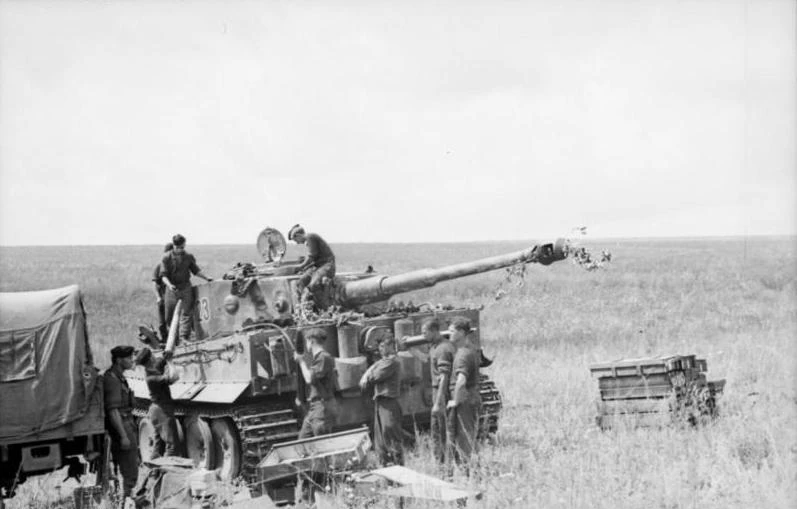
Krupp and the Beast's Cannon
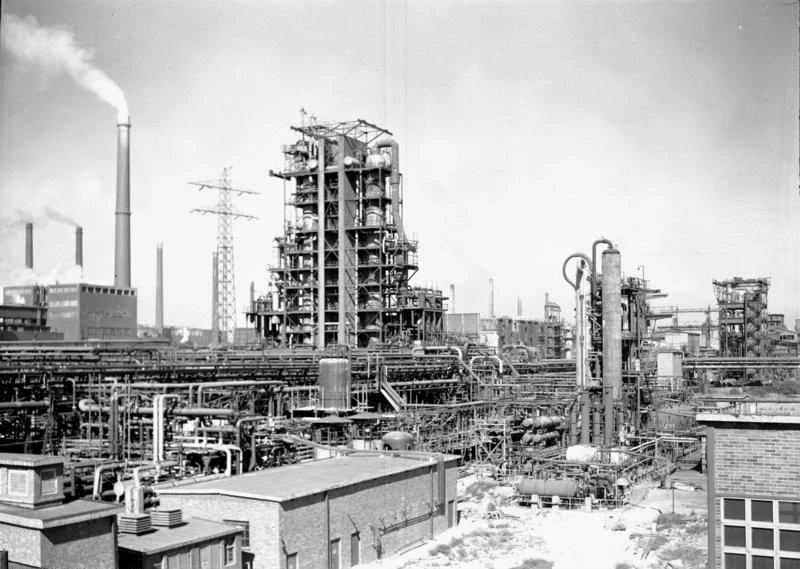
Making oil from coal
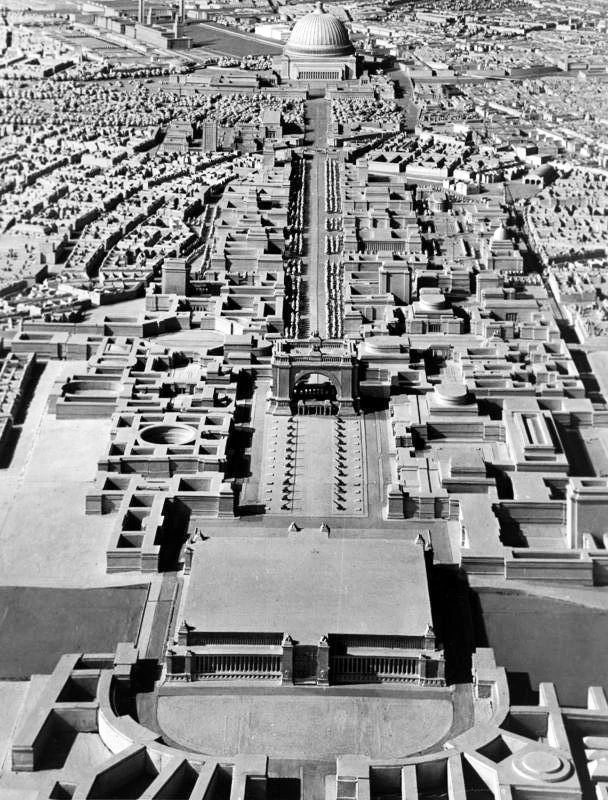
Speer and the Germania trade-off
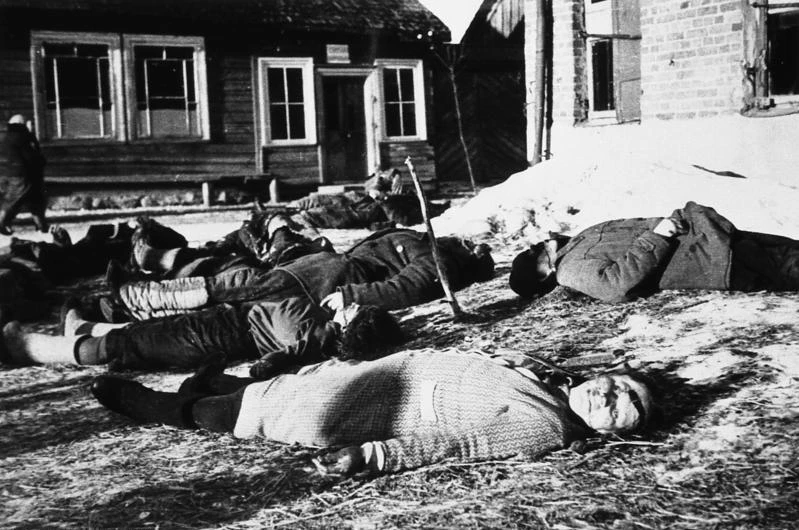
Generalplan Ost — the Hunger Plan
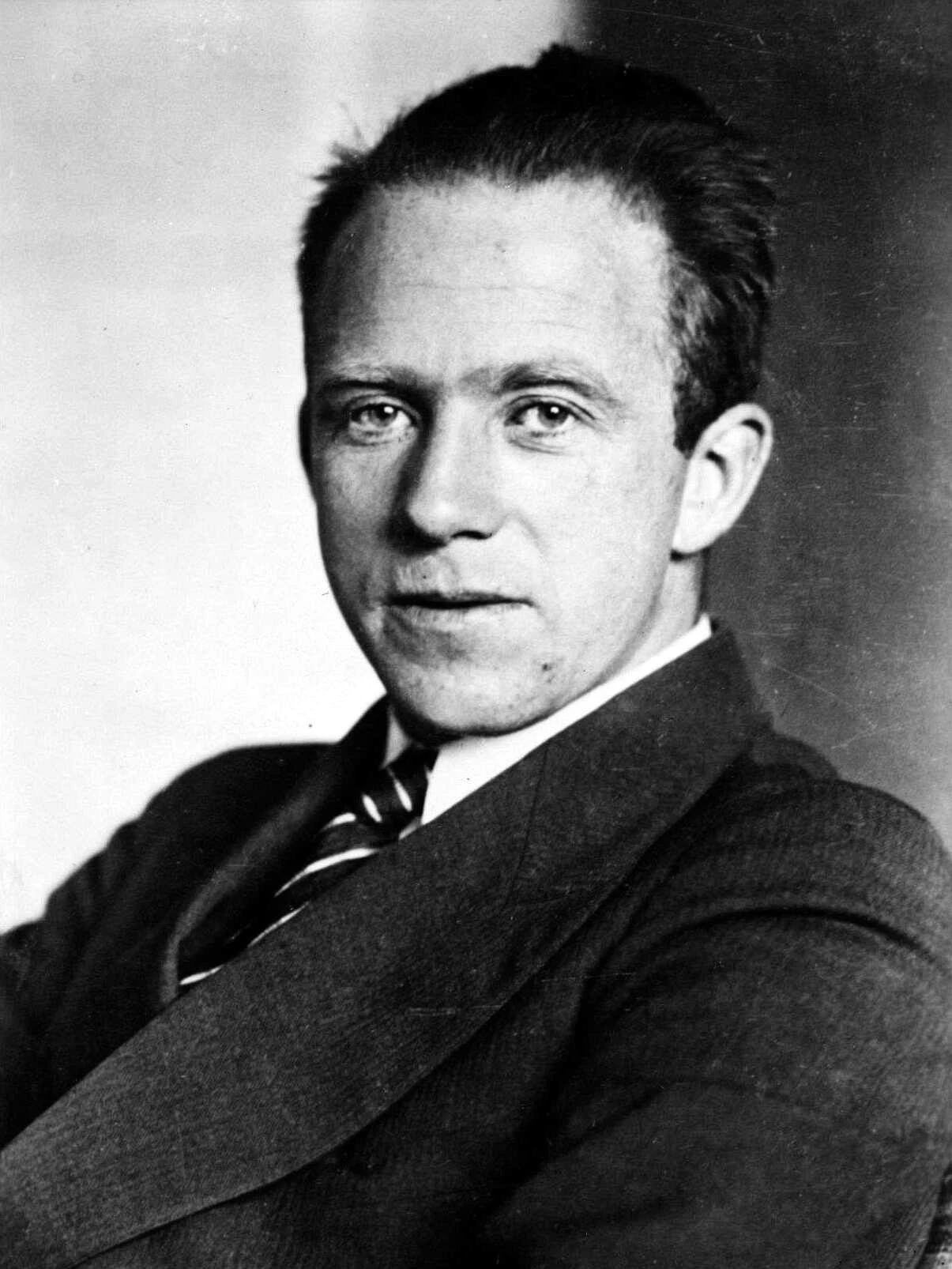
The German "Uranverein": a priority refused
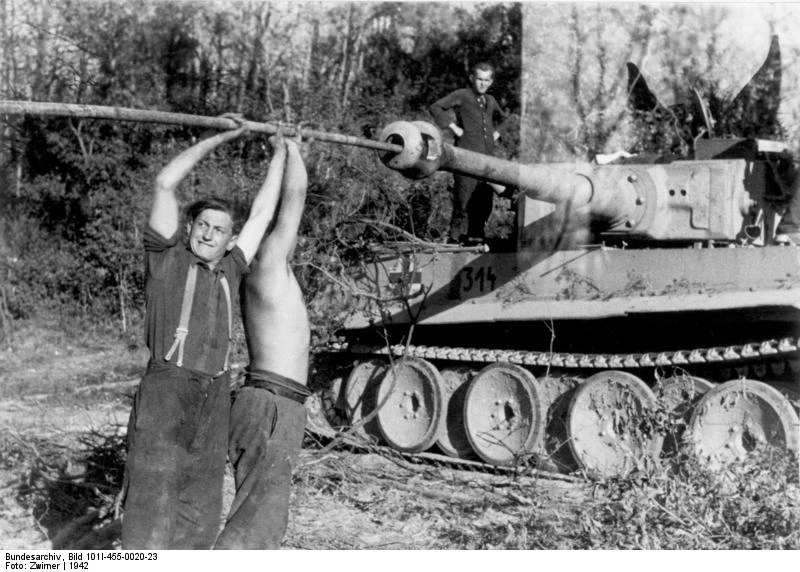
Two Factories, One Heavy Tank
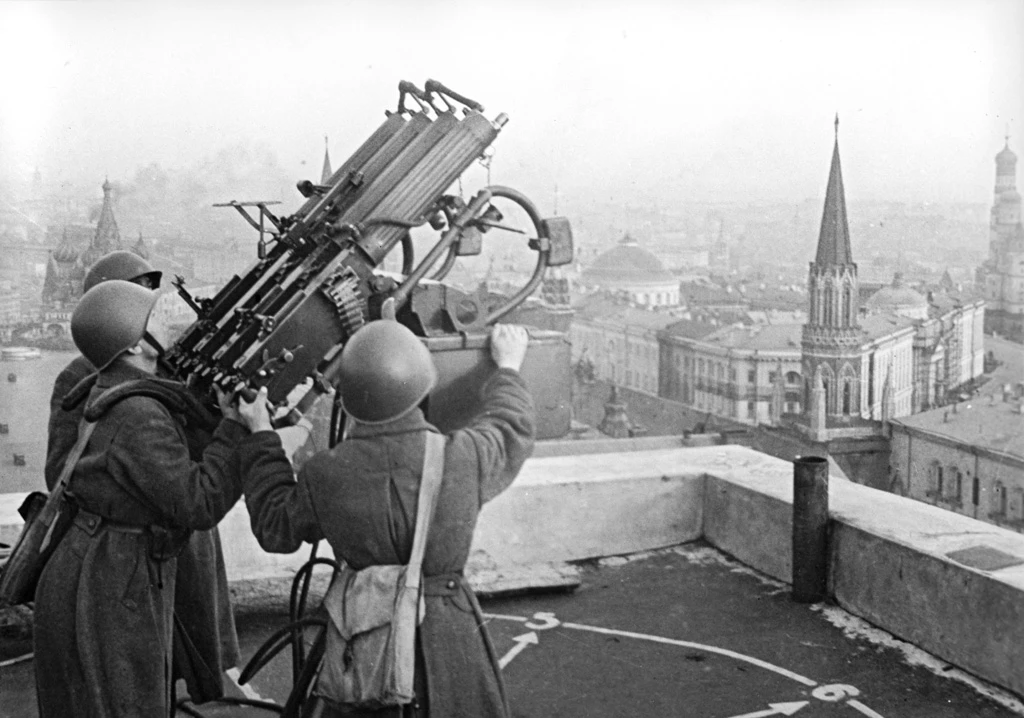
The physics student evacuated from Moscow
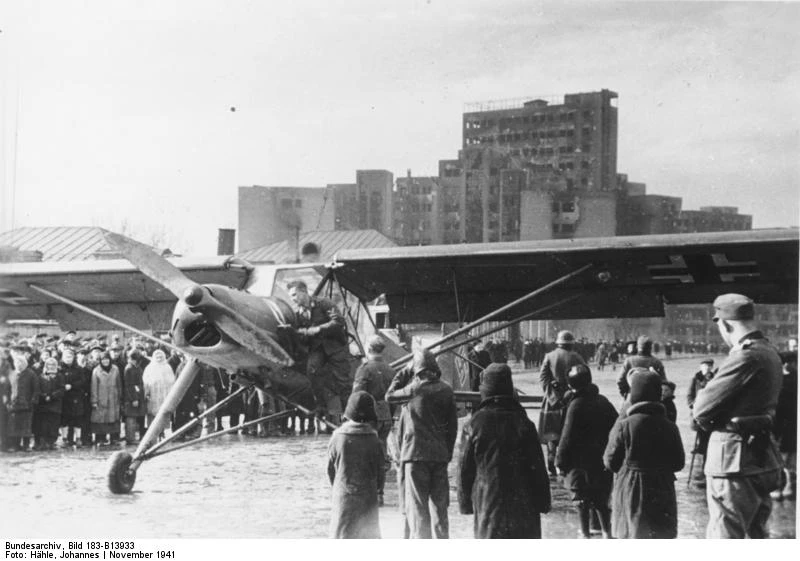
The Kharkov worker facing the dismantling of the tank factory
The People's Car Goes to War
The rubber that won't grow in the Reich
Krupp and the Beast's Cannon
Making oil from coal
Speer and the Germania trade-off
Generalplan Ost — the Hunger Plan
The German "Uranverein": a priority refused
Two Factories, One Heavy Tank
The physics student evacuated from Moscow
The Kharkov worker facing the dismantling of the tank factory
The People's Car Goes to War