
In the summer of 1941, Great Britain is still fighting, the USSR is reeling under Barbarossa, and the United States, although a non-belligerent, is committed up to the neck in material support to the Allies. Roosevelt and Churchill, who have been corresponding for months, decide to meet in person for the first time in the war, in secret, aboard warships anchored in Placentia Bay, off Newfoundland.
Churchill hopes to wrest a clearer American commitment, even an entry into the war. Roosevelt cannot go so far: opinion and Congress remain attached to non-belligerency, and a declaration of war is out of reach. The meeting nonetheless seeks to give the camp of the democracies a common foundation.
The two leaders must decide the scope of the document to be published: seal a formal military alliance committing the United States; confine themselves to mere joint protests with no binding content; or proclaim a charter of principles — self-determination of peoples, freedom of the seas, renunciation of conquests — that would define the war aims without immediate military commitment. The stake is to set a political course for the post-war.
What scope should Roosevelt and Churchill give their joint declaration?
The two men choose to proclaim a charter of principles defining the war aims. On 14 August 1941, they make public the Atlantic Charter, a declaration in eight points: no territorial aggrandizement, the right of peoples to choose their government, freedom of the seas and of trade, economic cooperation, renunciation of force, disarmament of aggressors. The Charter contains no military commitment — much to Churchill's chagrin — but it has an immense moral and political significance: it sets the war aims of the democracies, will become one of the founding acts of the future United Nations, and its principle of self-determination will resound even within the colonial empires of the signatories. The first Roosevelt-Churchill meeting, it seals an alliance in fact, nine months before Pearl Harbor makes it official.
Learn more about this event
Related polls
10
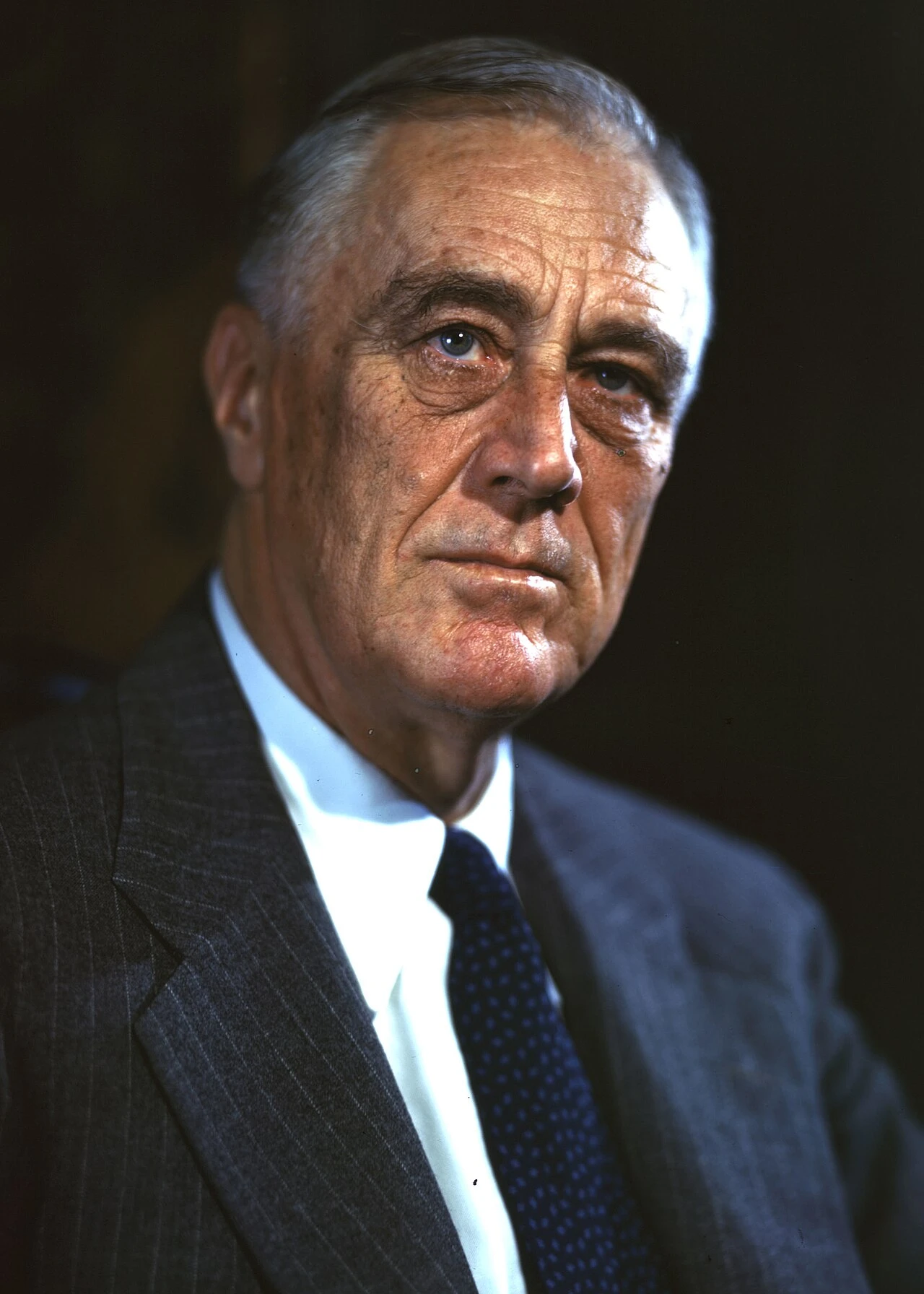
Roosevelt and the Japanese assets
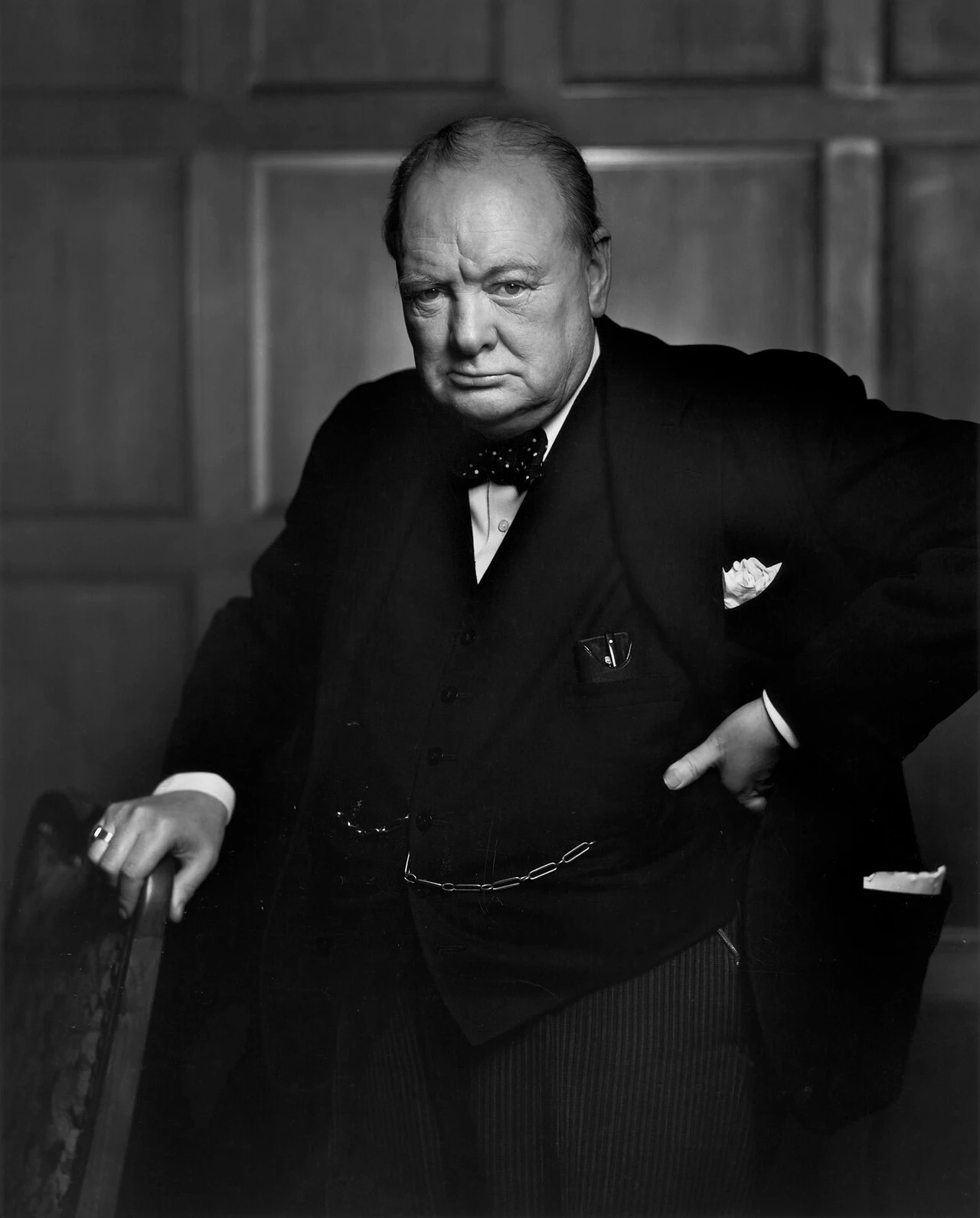
Auchinleck replaces Wavell
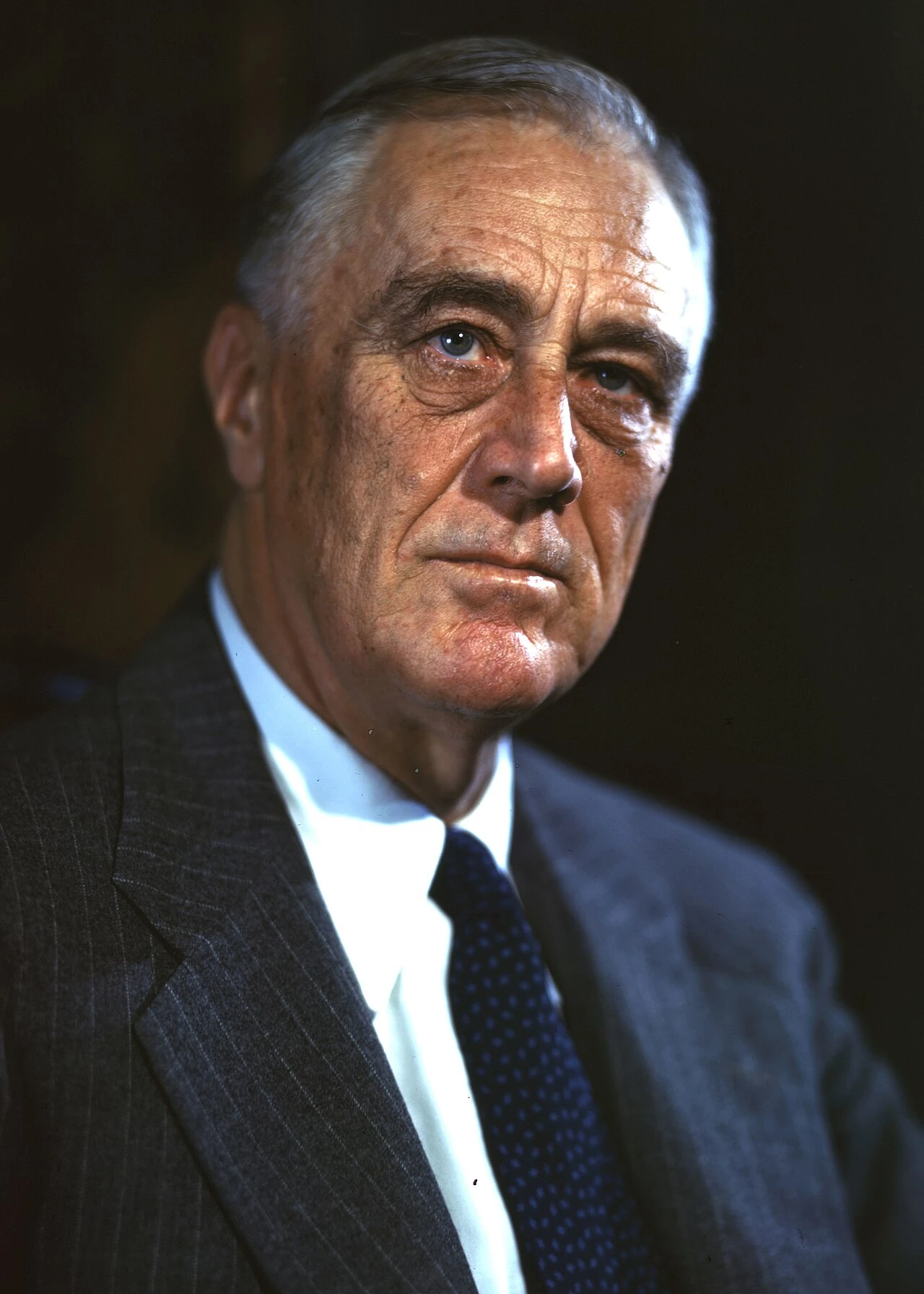
The United States lands in Iceland
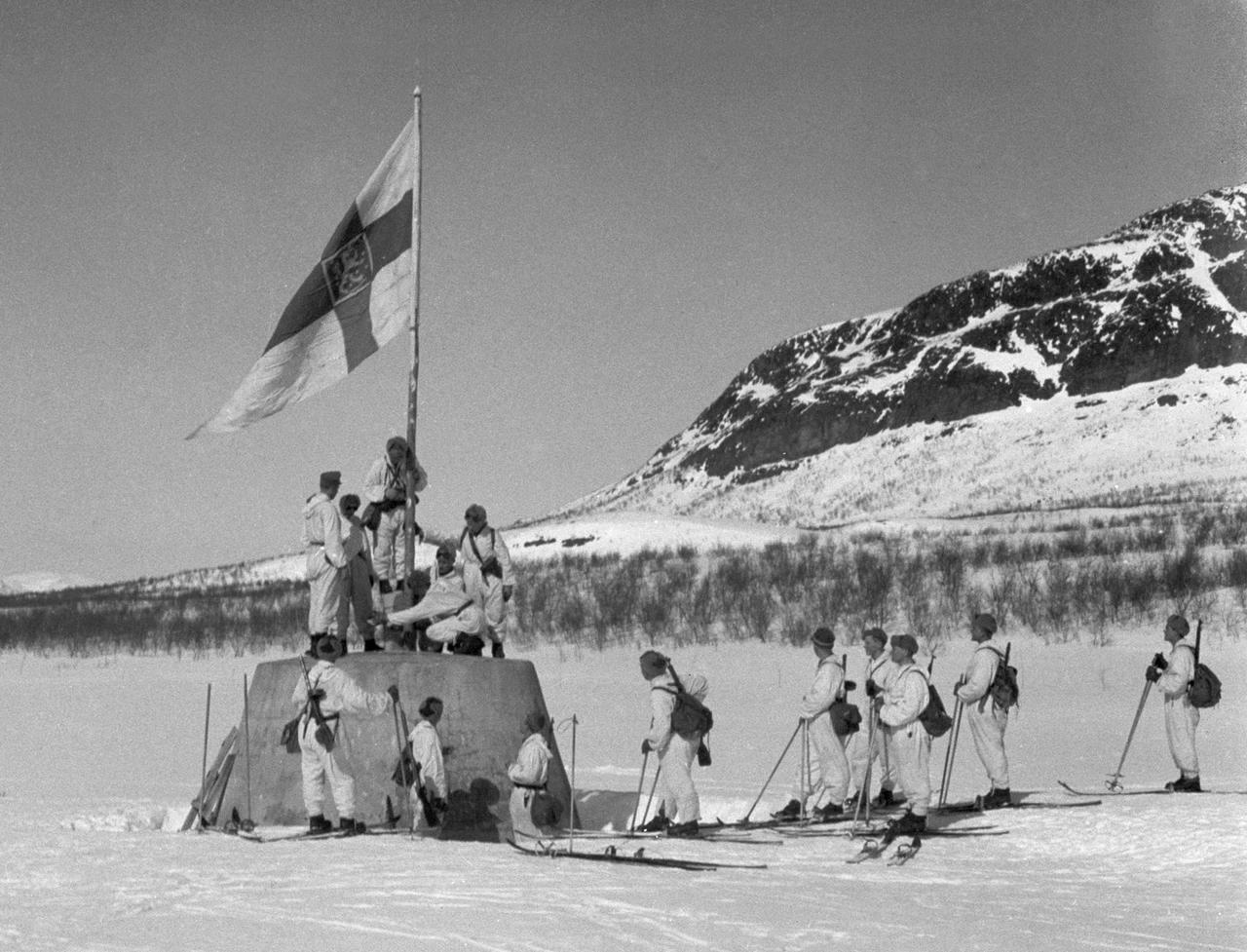
Finland after the Bombs — 25 June 1941
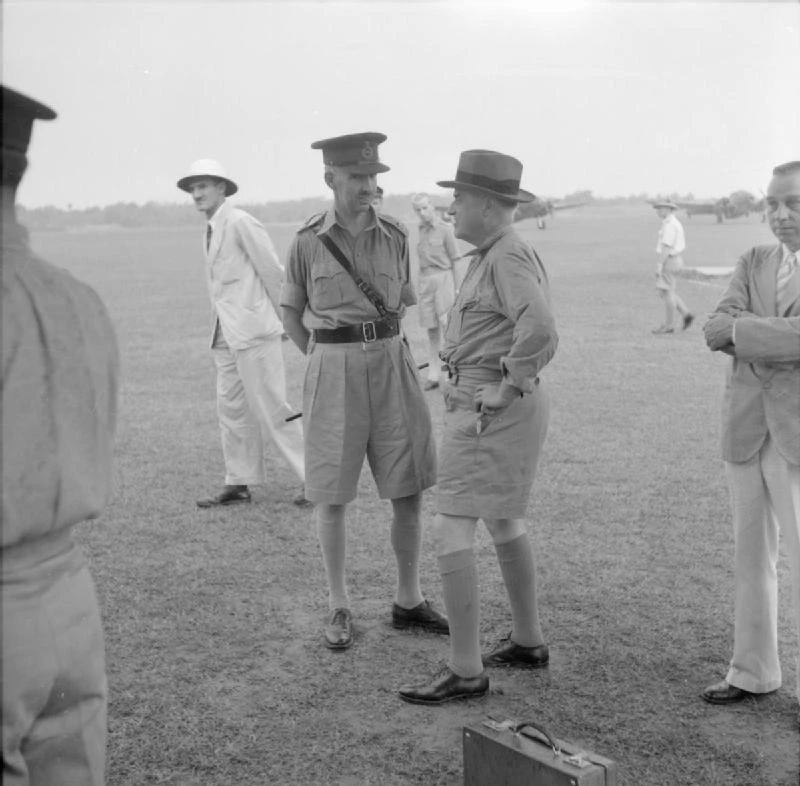
Harriman in Moscow, Face to Face with Stalin
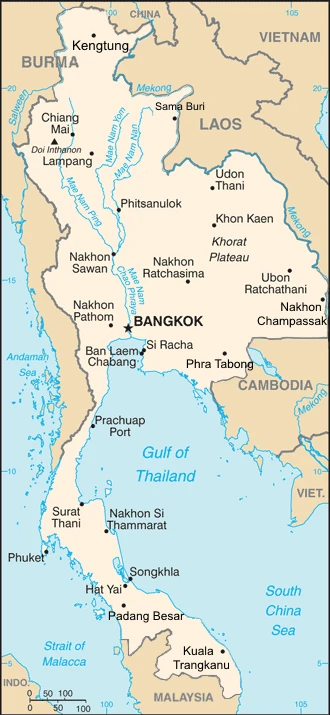
Japan enters southern Indochina
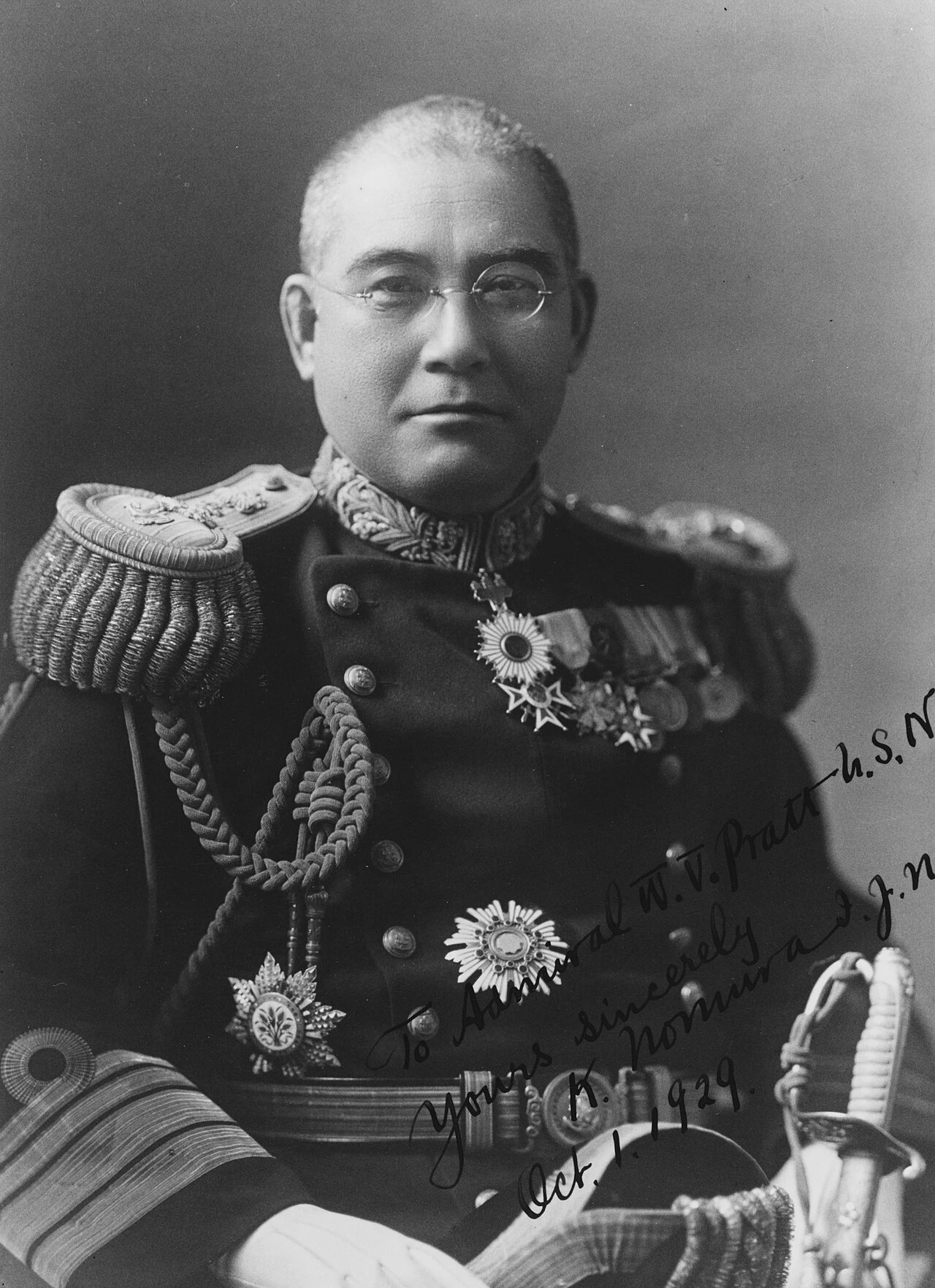
Nomura and the Hull Note: Diplomacy on the Brink
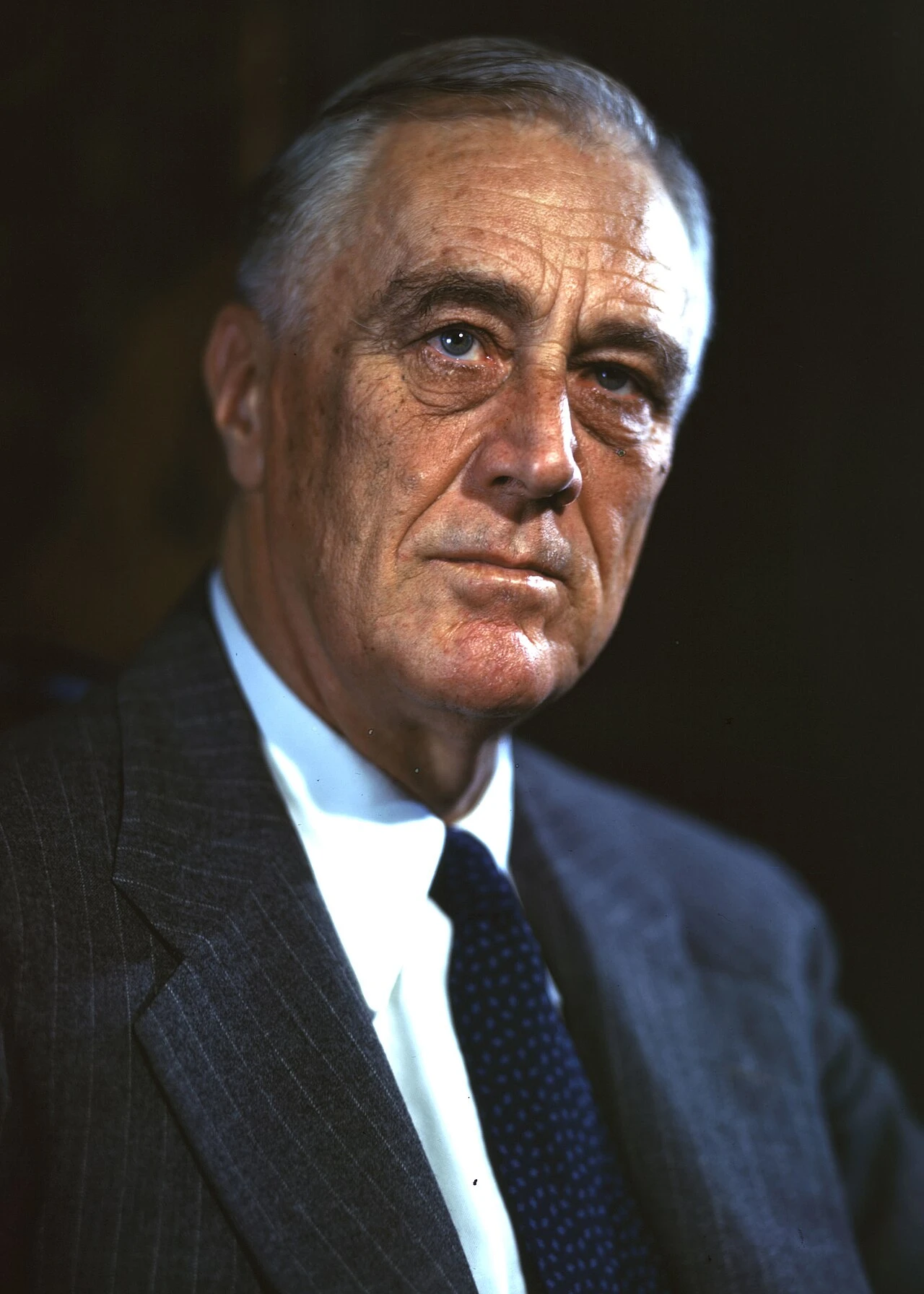
Roosevelt — signing Lend-Lease
Stalin at the microphone — 'brothers and sisters'
Washington, March 1941: Arming Without Entering the War
Roosevelt and the Japanese assets
Auchinleck replaces Wavell
The United States lands in Iceland
Finland after the Bombs — 25 June 1941
Harriman in Moscow, Face to Face with Stalin
Japan enters southern Indochina
Nomura and the Hull Note: Diplomacy on the Brink
Roosevelt — signing Lend-Lease
Stalin at the microphone — 'brothers and sisters'