
The Tientsin Incident
In the north of China, the city of Tientsin (Tianjin) is home to foreign concessions, including a British one, islets of sovereignty inherited from the 19th century. Japan, master of the region since its invasion of China, ill tolerates this enclave that serves as a refuge for Chinese hostile to its occupation and to the money of the Nationalist government.
After the assassination of a collaborationist Chinese official, the Japanese demand the surrender of four suspects sheltering in the concession. London refuses, for want of evidence. On 14 June 1939, the Japanese army retaliates by sealing off the British concession with barbed wire and subjecting to humiliating searches the British who leave it.
The British government is at an impasse. Its fleet is required in Europe and the Mediterranean against Germany and Italy: it cannot send to the Far East the squadron that alone would lend weight to a firm stand. Should it hold fast in the name of imperial prestige, at the risk of a confrontation with Japan without military means? Yield to the Japanese demands to avoid a crisis at the worst moment? Or negotiate a compromise that saves appearances?
Faced with the blockade of Tientsin, should London stand up to Japan or come to terms to avoid a second front?
London chooses, in effect, C sliding toward B: unable to detach a fleet toward Asia while war threatens in Europe, the government engages in negotiations in Tokyo between Ambassador Craigie and Minister Arita. In July 1939, London partly recognises the Japanese position in China, which amounts to a diplomatic retreat. The crisis subsides without war, but at the price of a concession that illustrates British impotence in the Far East — and the absolute priority given to the European theatre. The dispute will only truly be settled with the outbreak of general war. For the Chinese Nationalists, this British retreat confirms the isolation in which the democracies leave them in the face of Japan.
Learn more about this event
Related polls
10
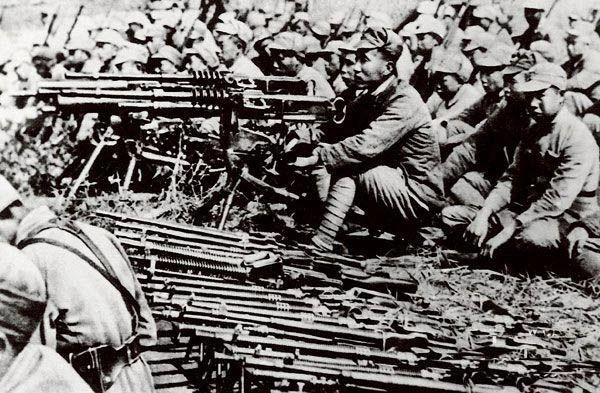
The New Fourth Army Incident
The Military Training Act
The Moscow Talks
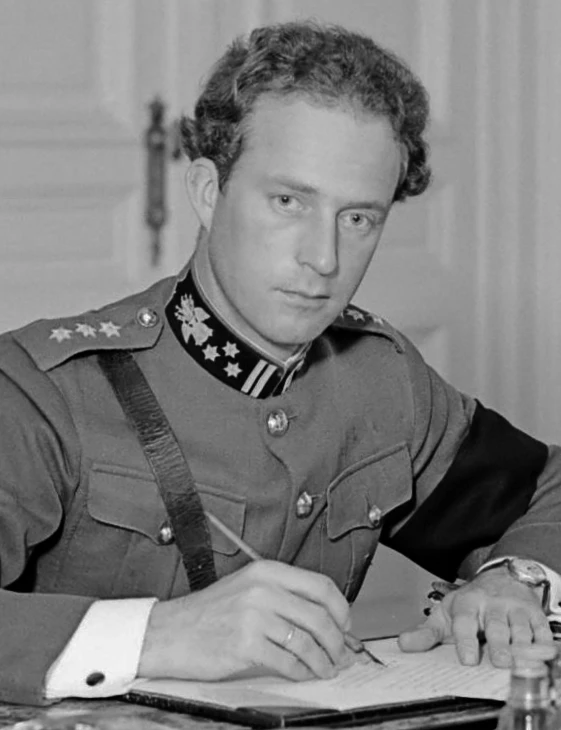
Brussels, September 1939: a small country's tightrope walk
Auchinleck replaces Wavell
Neutral Belgium — let the Allies in?
The War Cabinet — Negotiate or Carry On
Catroux and Tokyo's pressure on Indochina
Churchill and the ultimatum on the Burma Road
The Belgian Congo in the War
The New Fourth Army Incident
The Military Training Act
The Moscow Talks
Brussels, September 1939: a small country's tightrope walk
Auchinleck replaces Wavell
Neutral Belgium — let the Allies in?
The War Cabinet — Negotiate or Carry On
Catroux and Tokyo's pressure on Indochina
Churchill and the ultimatum on the Burma Road