
The Defence of Boulogne
As the Panzers reach the coast, the Channel ports become vital stakes for the Allied evacuation. Boulogne, like neighbouring Calais, comes under attack from German armour as early as 22 May 1940. An improvised garrison — British Guards battalions and French elements — must decide what course to take.
The dilemma is that of besieged ports. Holding Boulogne for as long as possible pins down German forces and protects the flank of the corridor towards Dunkirk, but potentially condemns the garrison. Evacuating it quickly by sea saves troops, but surrenders the port and shortens the respite afforded to Dunkirk.
The command may hold at all costs to gain time. It may evacuate the garrison quickly using Royal Navy destroyers. Or it may mount a defence followed by a staged re-embarkation, combining resistance and rescue. Unlike Calais, where the garrison would be sacrificed, Boulogne raises the question of striking a balance between resistance and the preservation of forces, under fire and in great urgency.
Should the garrison of Boulogne hold at all costs, evacuate quickly, or combine defence and re-embarkation?
Boulogne illustrates above all C: after a fierce defence from 22 to 25 May, part of the British garrison is re-embarked by Royal Navy destroyers under fire, while other elements, French in particular, continue to fight until the port falls. Unlike Calais (sacrificed entirely), Boulogne combines resistance and partial evacuation. The defence of the Channel ports — Boulogne, Calais — pins down German armour and helps, to a debated extent, to protect the Dunkirk perimeter while Operation Dynamo is being organised. These rearguard actions, often forgotten, form part of the price paid to save the bulk of the Allied armies.
Learn more about this event
Related polls
10
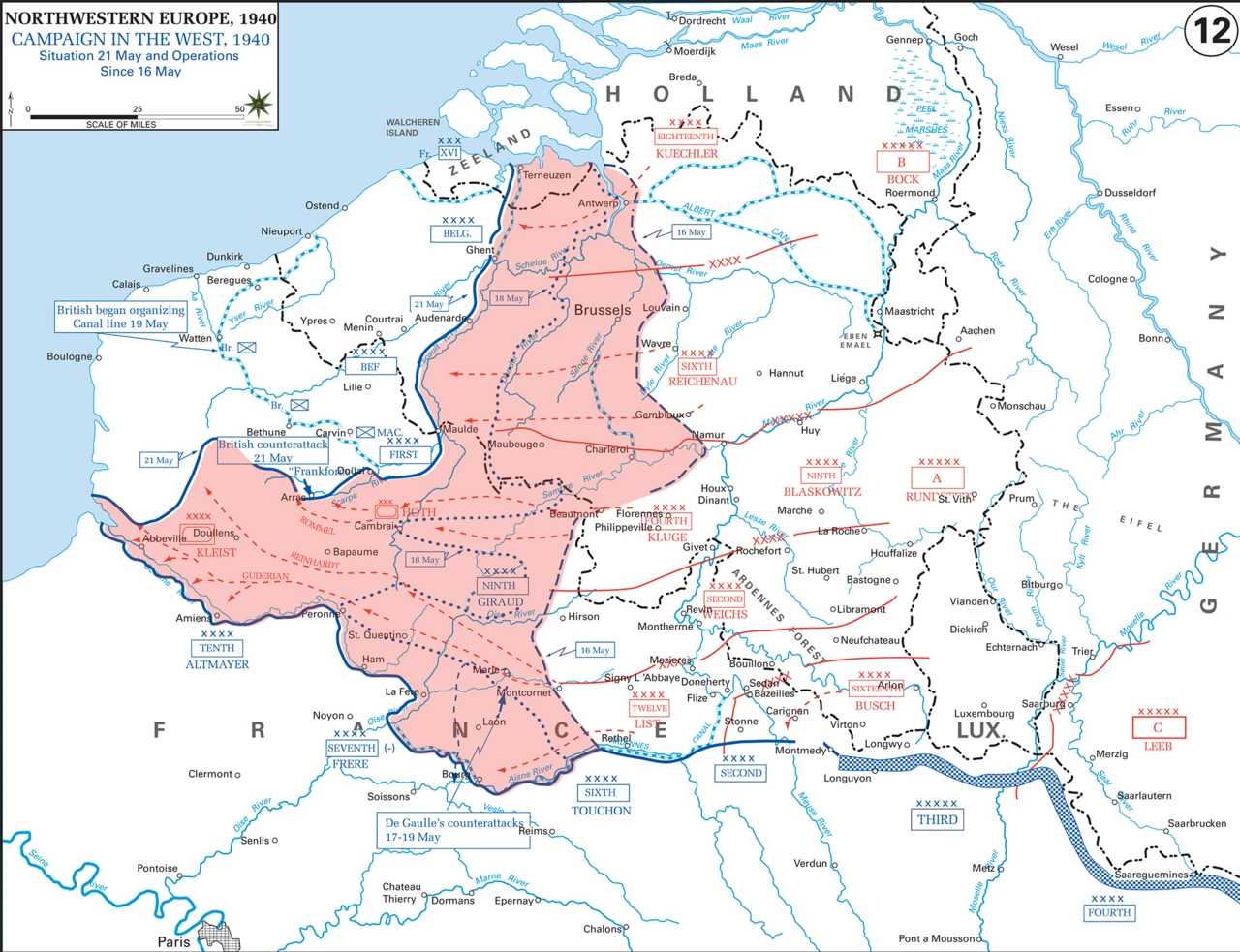
Boulogne — Fox-Pitt and the Guards facing the port
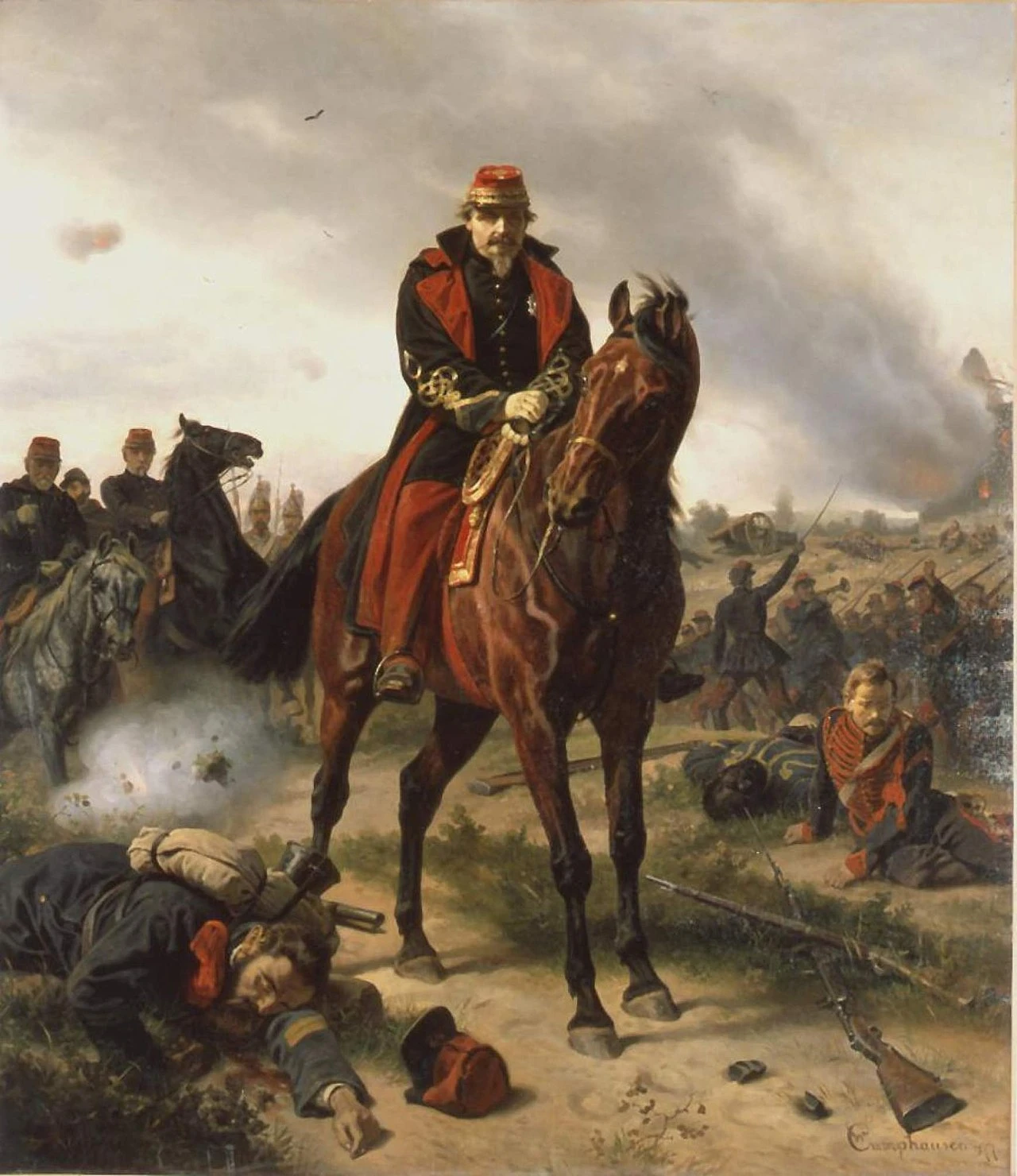
Bulson — Lafontaine and the 02:00 rumour
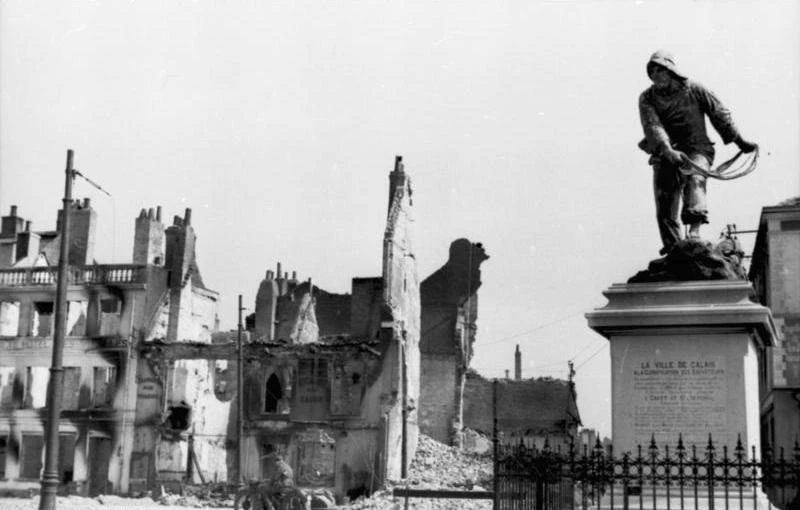
Calais — Nicholson facing the ultimatum
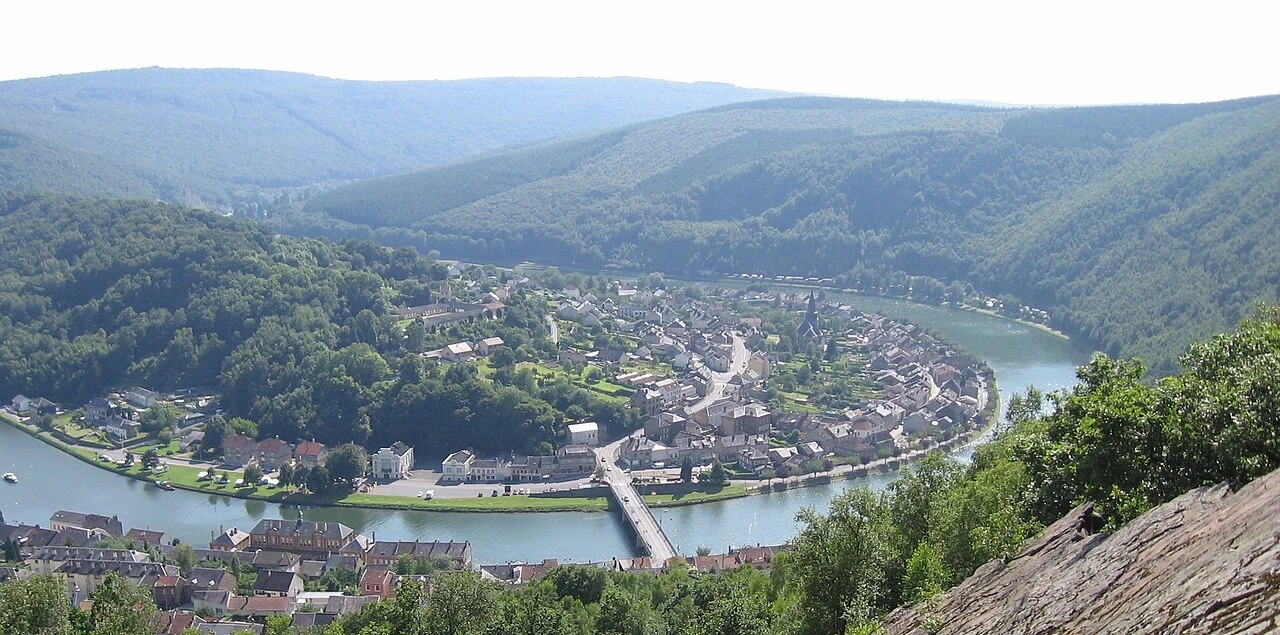
Monthermé — Portzert in the Meuse loop
The panic of Bulson
The Lille Pocket
Stonne — Billotte facing the Panzer column
The Weygand Line on the Somme
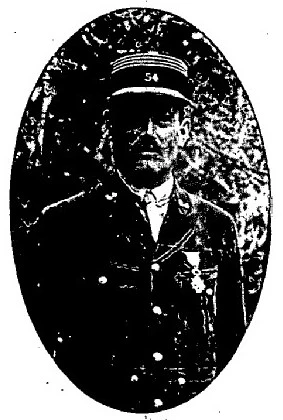
Touchon on the Aisne — Fall Rot

The abatis of the Chasseurs Ardennais
Boulogne — Fox-Pitt and the Guards facing the port
Bulson — Lafontaine and the 02:00 rumour
Calais — Nicholson facing the ultimatum
Monthermé — Portzert in the Meuse loop
The panic of Bulson
The Lille Pocket
Stonne — Billotte facing the Panzer column
The Weygand Line on the Somme
Touchon on the Aisne — Fall Rot