
Soviet Sappers at Kharkov
In the autumn of 1941, Operation Barbarossa has broken through the southern front. After the catastrophic encirclement at Kiev in September, the Wehrmacht pushes toward the industrial basin of the Donbass and threatens Kharkov, the fourth-largest city in the USSR and a major center of mechanical engineering, armaments, and tank production. Stalin's order is unambiguous: apply a scorched-earth policy so that nothing usable is left to the occupier. The strategic factories are already being evacuated to the Urals, but time is running short.
In mid-October, German pressure intensifies and the fall of the city is now only a matter of days. Soviet engineer units receive the order to destroy bridges, railways, power plants, and industrial installations in order to durably paralyze the enemy's war effort at this logistical hub. But the exact scale and nature of the demolitions to be carried out in the city center remain to be decided in haste, as the enemy approaches the outskirts.
One constraint weighs heavily on these technical decisions: the civilian population, numbering in the hundreds of thousands, has not been evacuated and will remain in place under the occupation. Every sabotage option therefore engages the fate of the inhabitants as much as that of the enemy. The combat engineer in charge of the mining must decide in the hours to come.
How should the Soviet combat engineer organize the mining of Kharkov before the city is abandoned?
The engineer applies option A: beyond the conventional industrial demolitions, the Soviet engineers booby-trap key buildings destined to be occupied by the enemy, using radio-controlled delayed-action mines of the F-10 system. Kharkov falls on 24 October 1941. In November, the explosion of one of these devices destroys a building in the city center serving as the headquarters of the German command staff, killing several officers, including General Georg von Braun (a namesake of the future rocket engineer), commander of the 68th Infantry Division. The response is immediate and brutal: the occupation authorities order retaliatory executions, hanging civilian hostages from balconies and in the streets of the city. The delayed booby-trapping thus proves militarily effective against the enemy command, but it triggers deadly reprisals against a population that had remained in place and was now exposed to the terror of the occupier.
Learn more about this event
Related polls
10
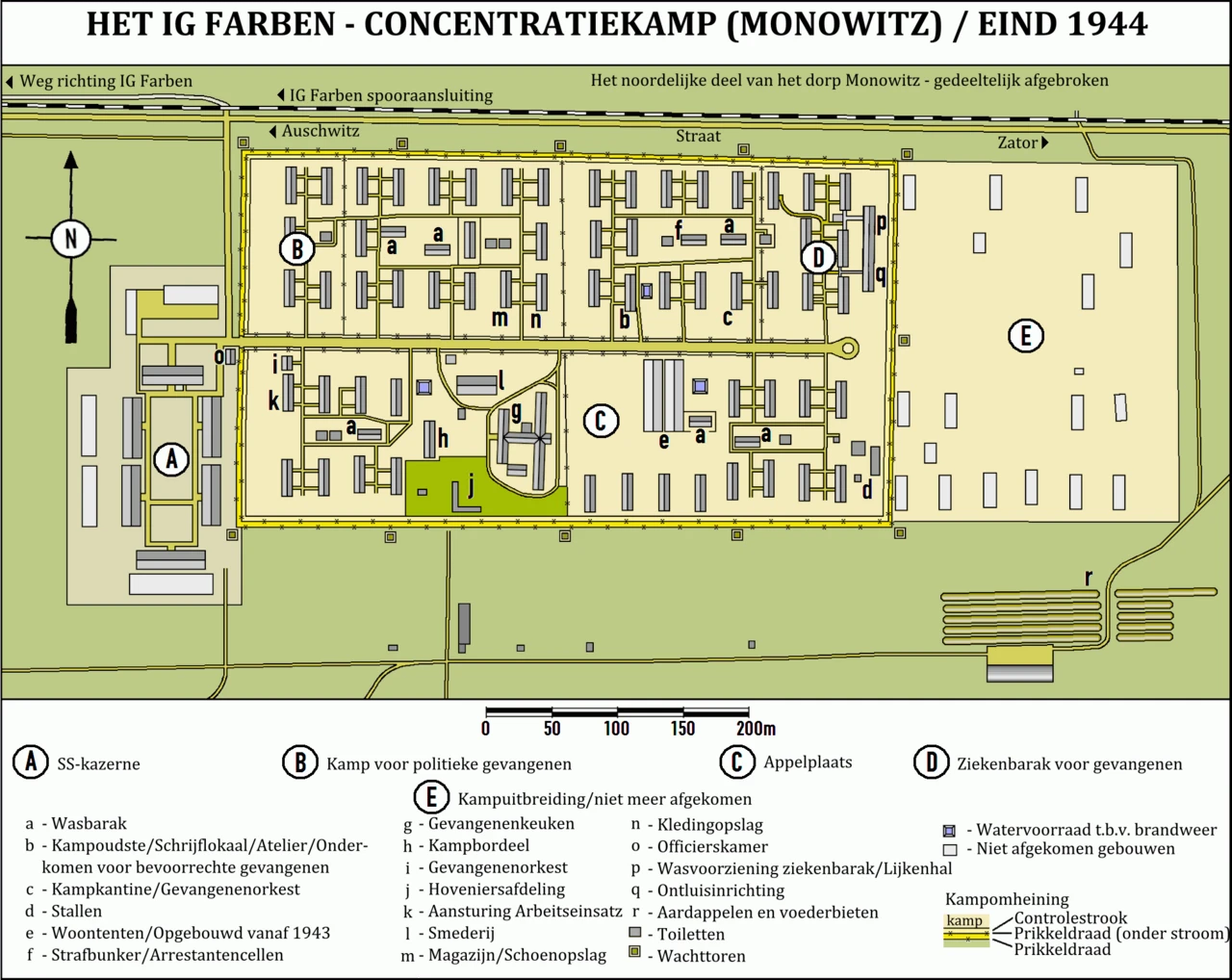
The Monowitz Construction Site
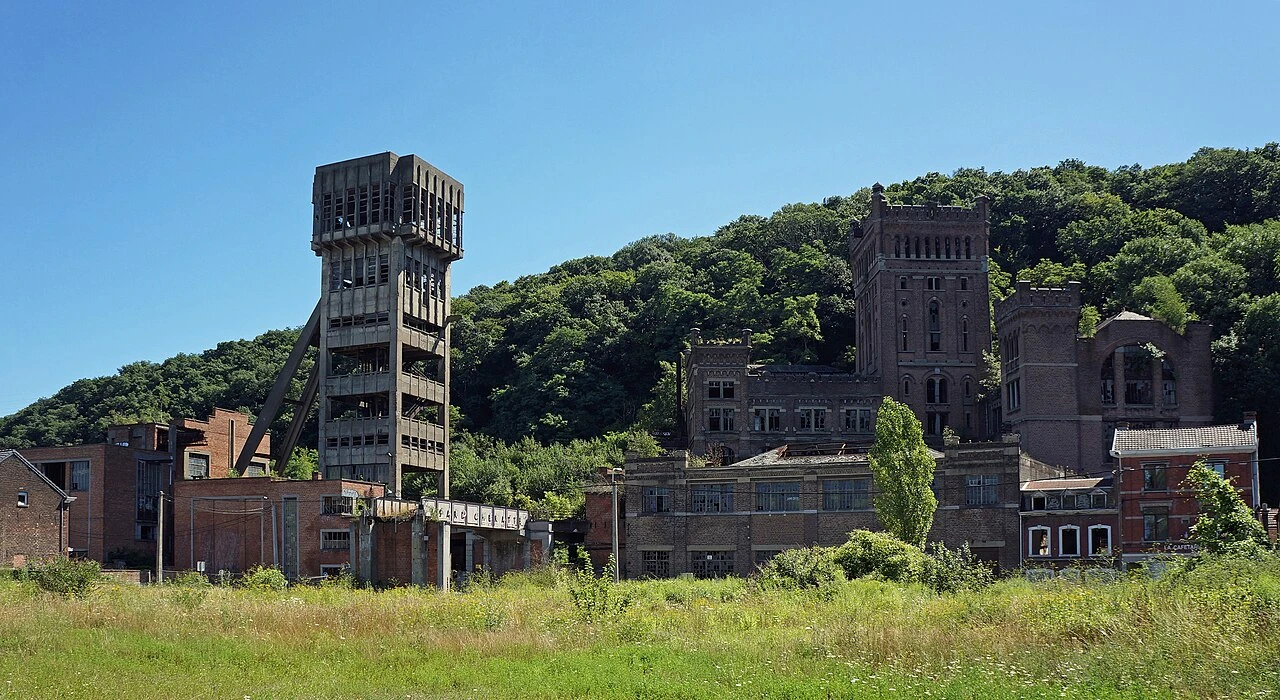
Campine Coal and the Hunger of Year One
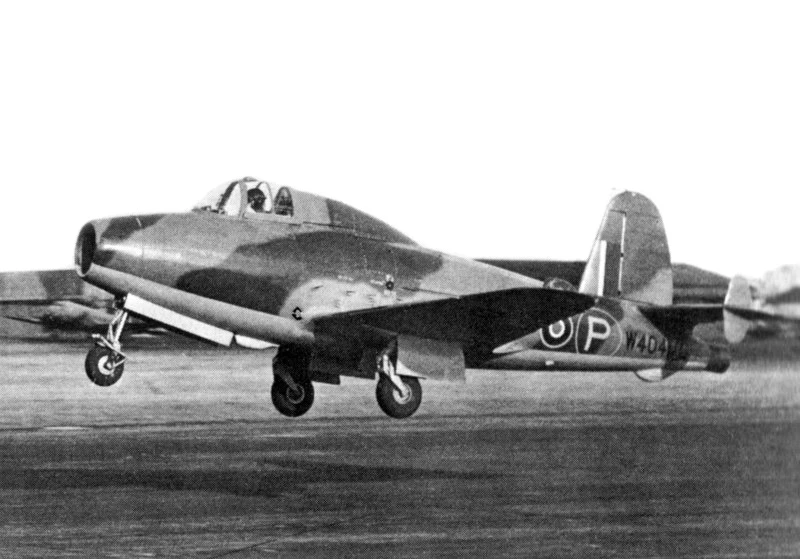
Whittle, his jet engine and the rebellious combustion chamber

Citroën, the occupier and the secret little car
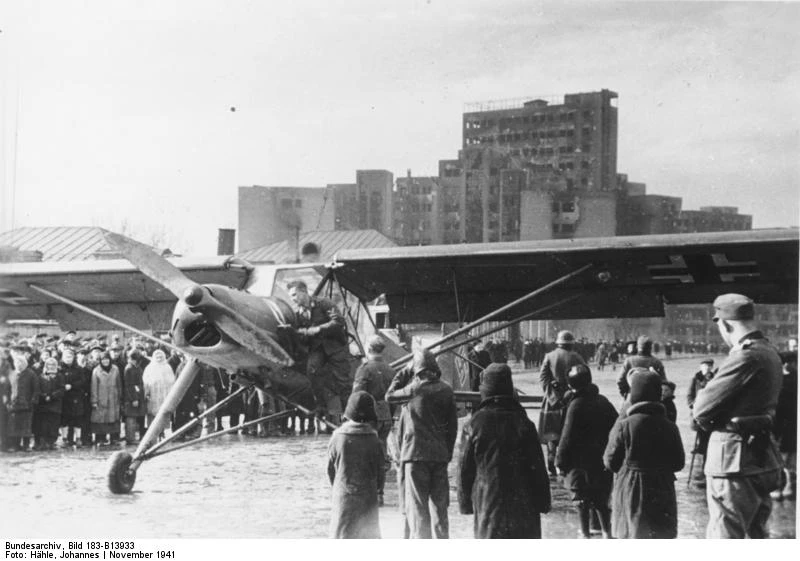
The Kharkov worker facing the dismantling of the tank factory

The Tizard Mission's Trunk for America
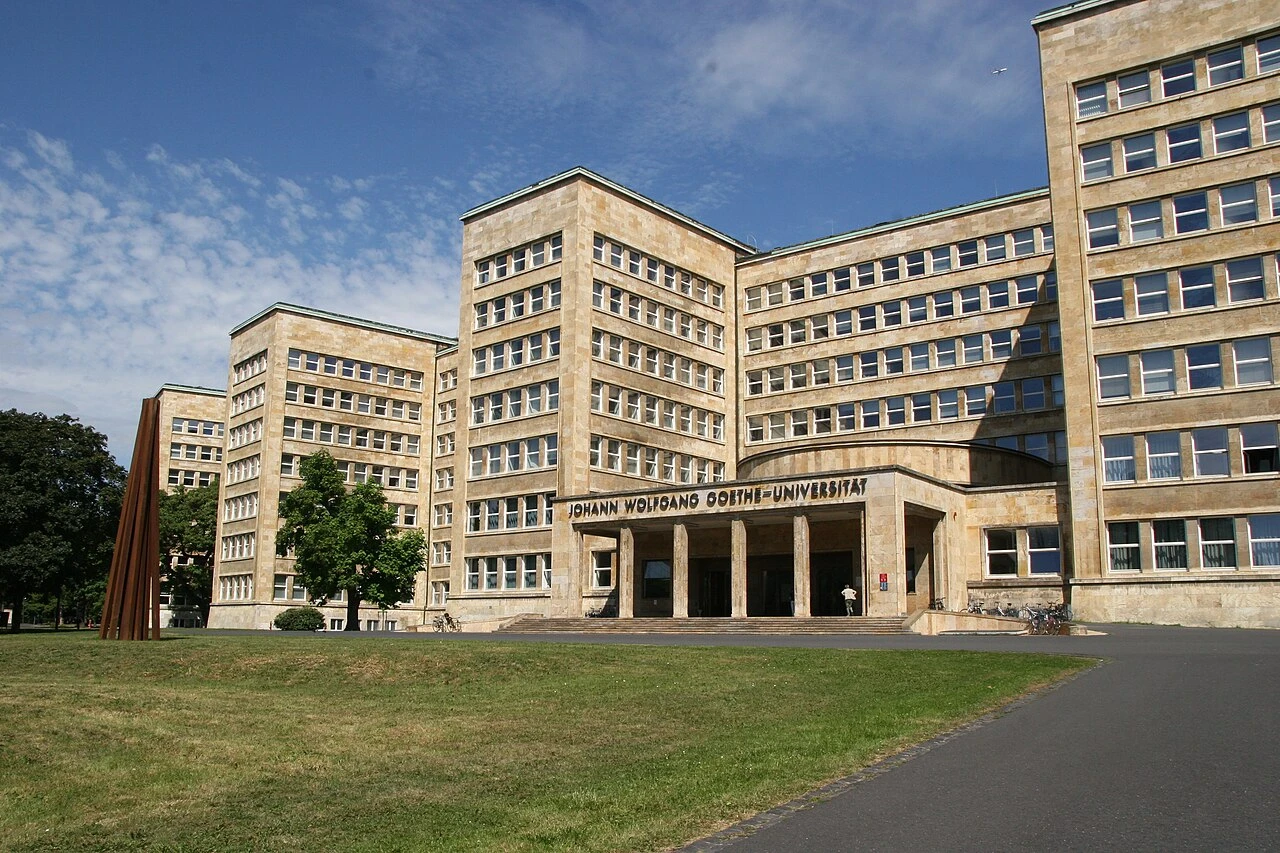
The Fourth Buna — Where to Site the Plant
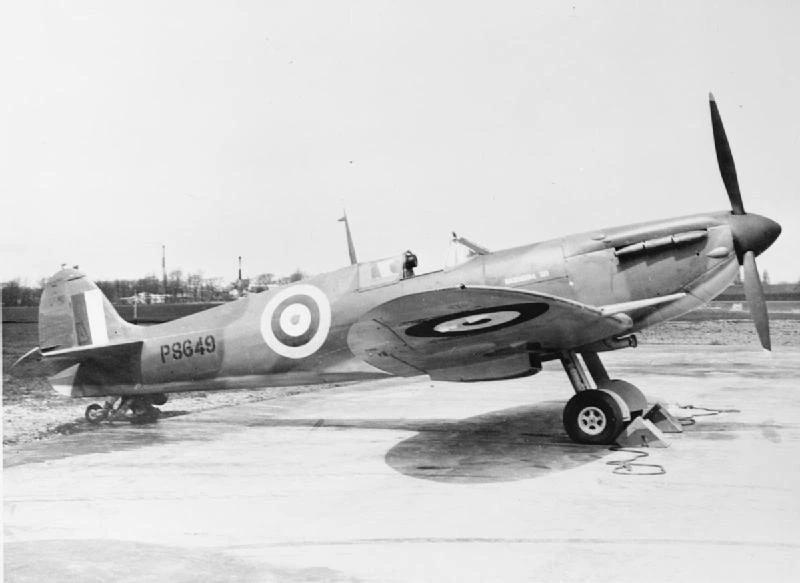
The Shadow Factories

Car assembly lines for an aircraft engine
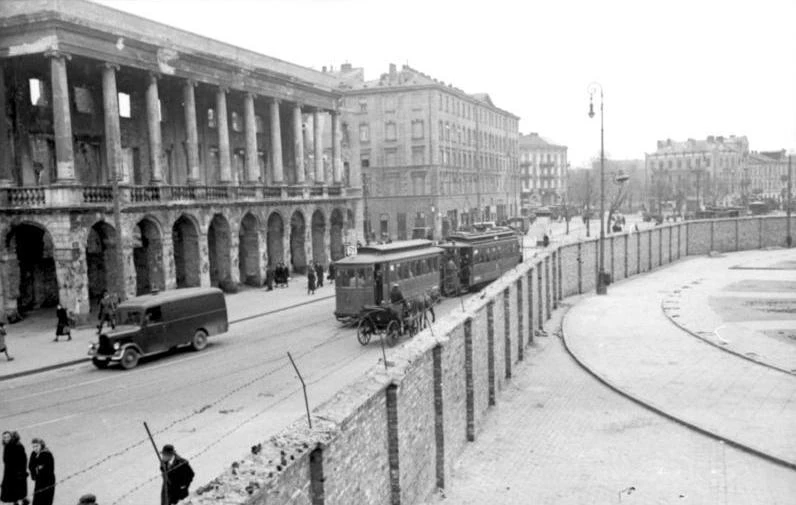
Clandestine teaching in the Warsaw Ghetto
The Monowitz Construction Site
Campine Coal and the Hunger of Year One
Whittle, his jet engine and the rebellious combustion chamber
Citroën, the occupier and the secret little car
The Kharkov worker facing the dismantling of the tank factory
The Tizard Mission's Trunk for America
The Fourth Buna — Where to Site the Plant
The Shadow Factories
Car assembly lines for an aircraft engine