
Wormhoudt — the 7th company SS-LAH
On 28 May 1940, as Dynamo began, the () under was pushing through northern France to cut off the evacuation. The 7th company of the , commanded by SS-Hauptsturmführer , 29, reached the village of Wormhoudt around 15:00.
The SS ran into an organised defence from the 2nd Battalion of the (BEF) and the French . The street fighting lasted three hours. The SS lost 30 dead and several officers — exceptionally high losses for the . Mohnke was furious.
At 17:00, the British surrendered. Eighty British prisoners (Warwickshires, Cheshires, gunners) and twenty French prisoners were herded into a barn — the "Esquelbecq barn" — by the men of the 7th SS company. The barn could hold thirty people; the hundred prisoners were packed inside.
The question that would be put at Nuremberg and at the postwar trials: what happened in that barn at 18:30?
What happens in the barn at 18:30?
Mohnke's order led to B. At 18:30 the SS threw several grenades into the barn, then opened fire on the survivors. Eighty prisoners were killed. Twenty miraculous survivors (hidden under bodies, wounded but alive) were finished off one by one — except for eight who managed to hide and were later released by Wehrmacht units that discovered the scene the next day. Total: 80 British and French dead at Wormhoudt — one of the first documented SS massacres of Western prisoners. Mohnke continued his career in the SS: he commanded the entire Leibstandarte in 1944, directed the defence of the Berlin Chancellery in April-May 1945, and was the last officer in Hitler's company before his suicide. Captured by the Soviets in May 1945, he was a prisoner for ten years and released in 1955. He was never tried for Wormhoudt. Several attempts at British prosecution between 1947 and 1989 were blocked by the absence of written SS orders. Mohnke always denied responsibility. He died in Hamburg in 2001 aged 90. A memorial was erected at Wormhoudt in 1973; the Esquelbecq barn is today a museum. Wormhoudt prefigured the systematic SS massacres of 1941-1945 (Oradour-sur-Glane, Boves, Malmedy).
Learn more about this event
Related polls
10
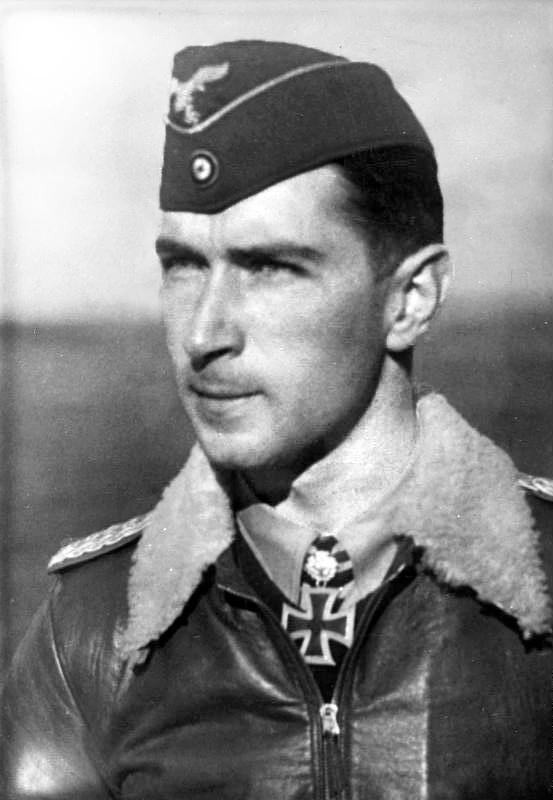
Mölders above the columns — 18 May
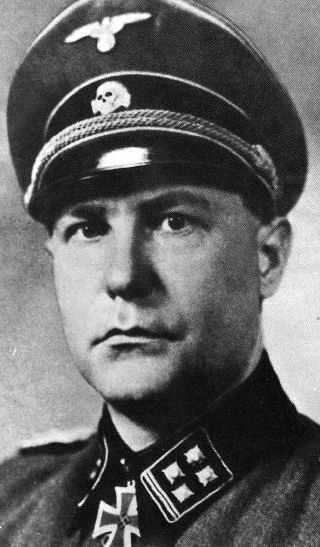
Le Paradis — the barn at Cornet-Malo
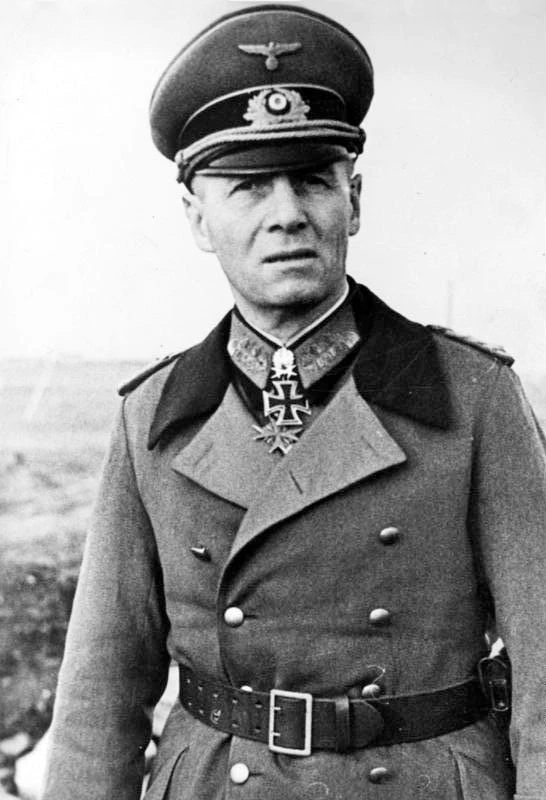
Rommel before the Serre — the Crécy bridge
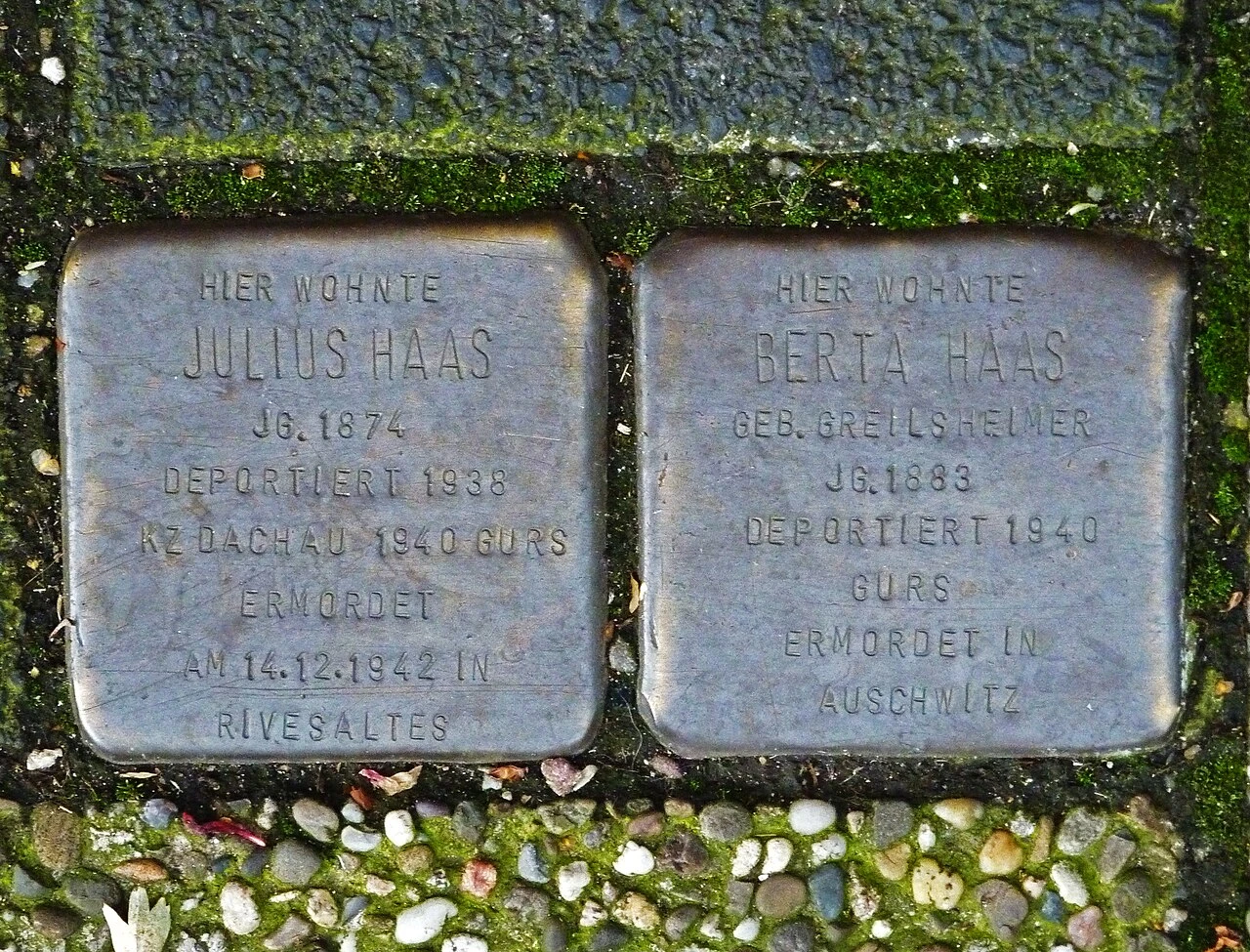
Hannah Arendt, Stateless and Interned, Facing Exile
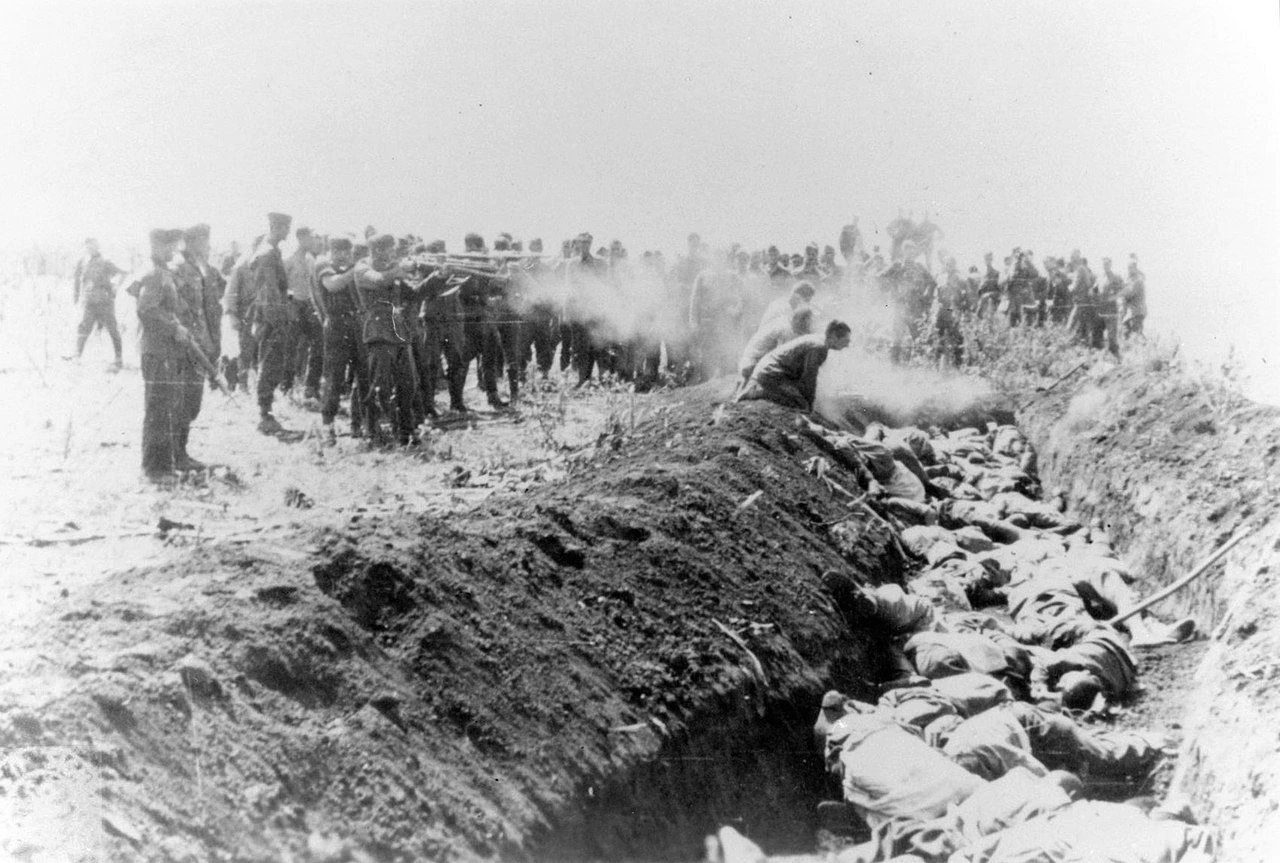
Heydrich — the Conference of 21 September
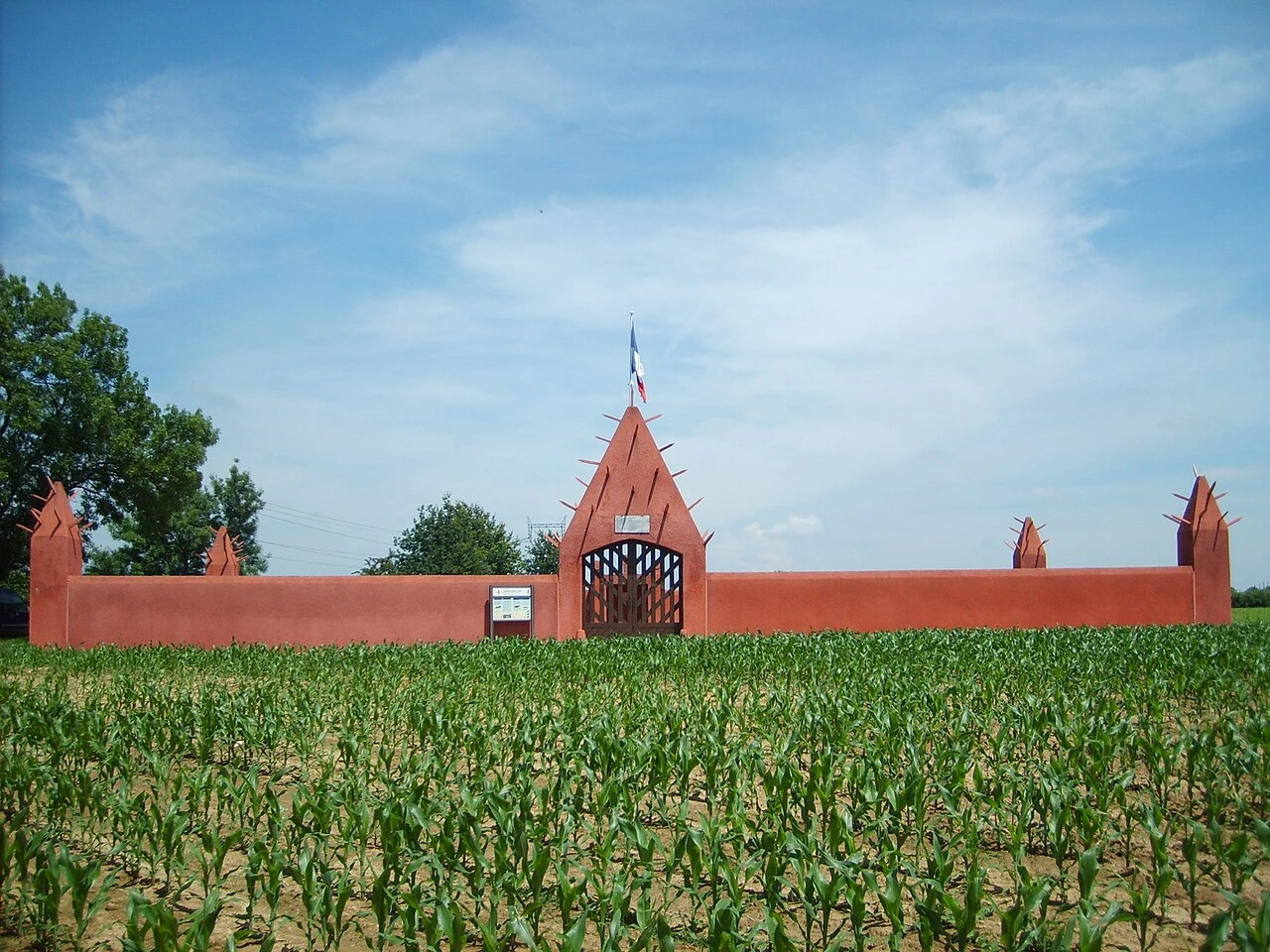
Chasselay — the captured tirailleurs
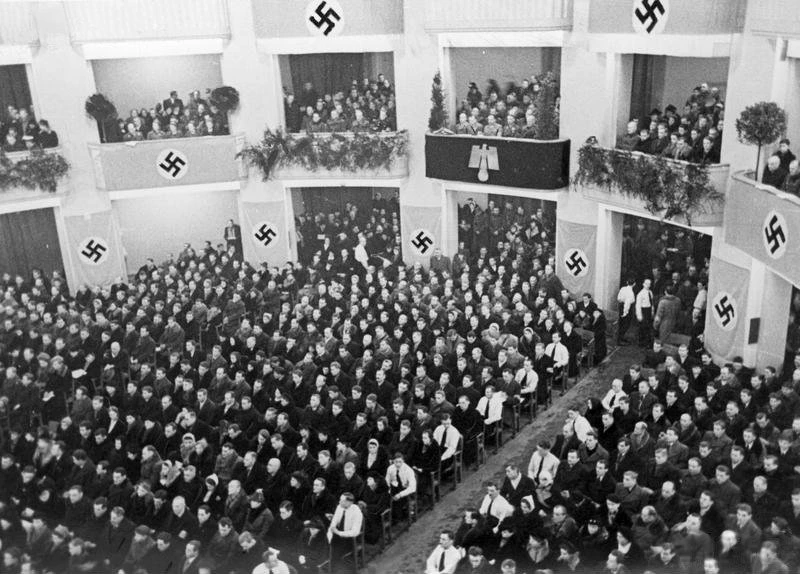
Selbstschutz — Alvensleben in Pomerania
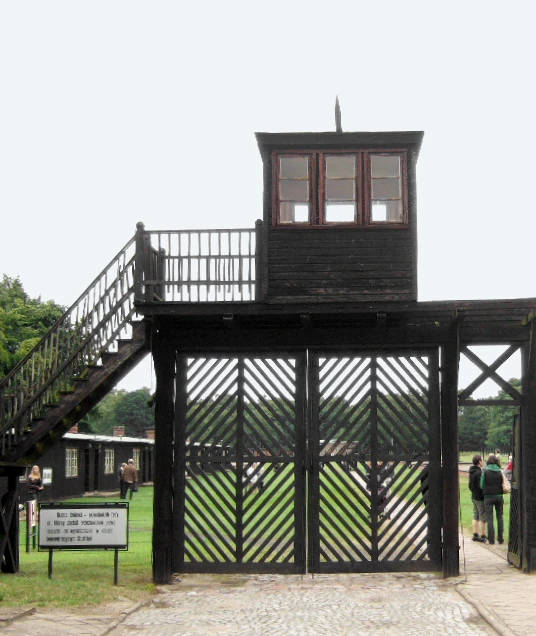
Stutthof — Pauly and the first contingent
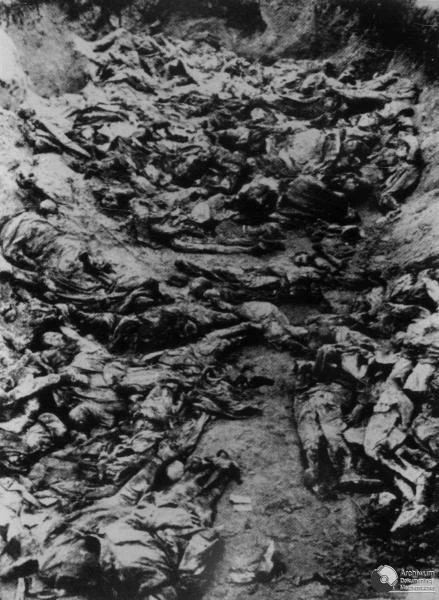
Beria — the NKVD ordinance of 19 September
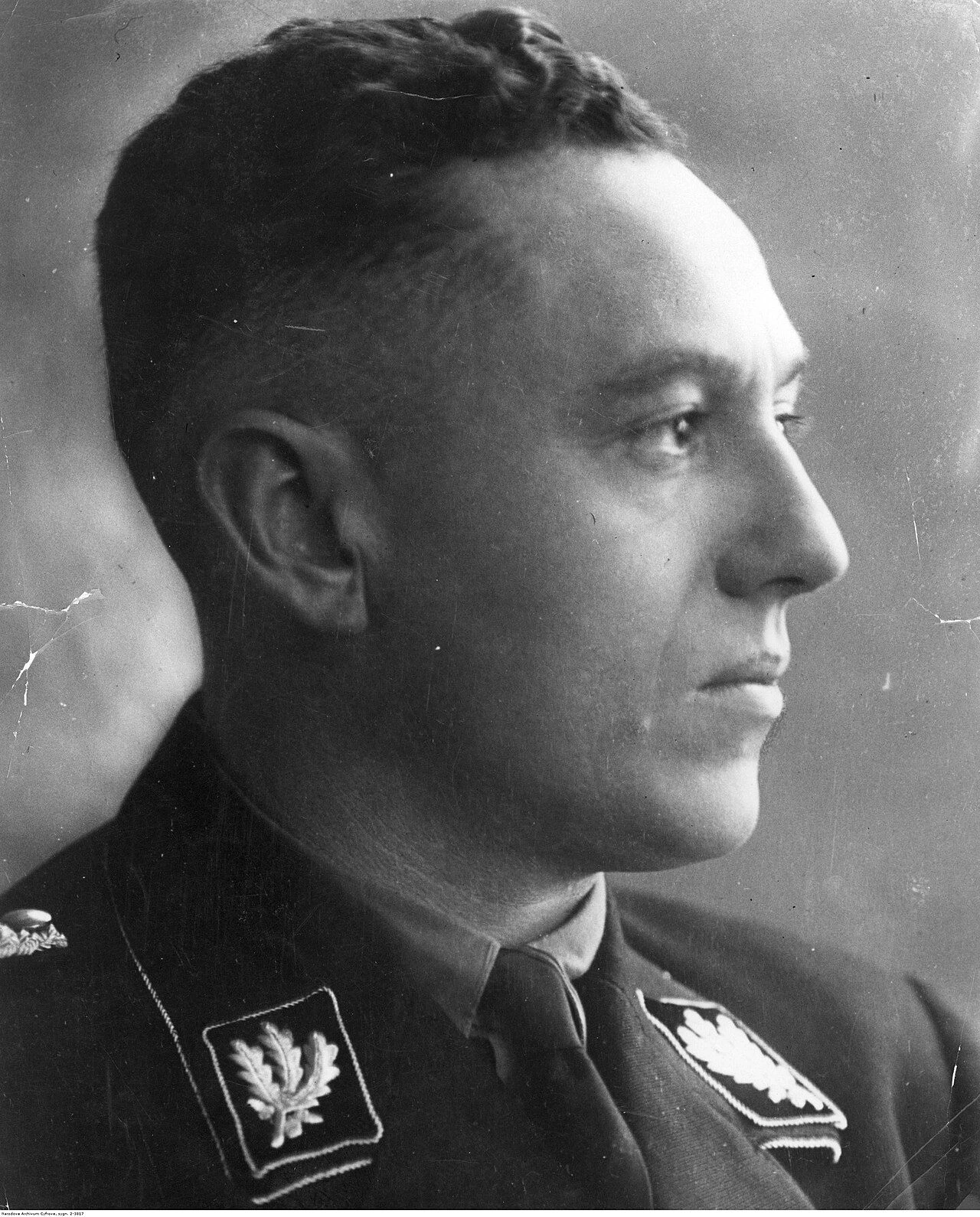
Forster — Kashubians and Kociewiacy
Mölders above the columns — 18 May
Le Paradis — the barn at Cornet-Malo
Rommel before the Serre — the Crécy bridge
Hannah Arendt, Stateless and Interned, Facing Exile
Heydrich — the Conference of 21 September
Chasselay — the captured tirailleurs
Selbstschutz — Alvensleben in Pomerania
Stutthof — Pauly and the first contingent
Beria — the NKVD ordinance of 19 September