
A thousand kilometers to save an industry
In late 1937 and in 1938, the Japanese armies seize China's great coastal cities. Shanghai, then Canton and Nanjing fall, and with them the country's industrial heart: spinning mills, steelworks, machine shops. Without these factories, China will no longer be able to produce either weapons or equipment.
A vast dismantling begins. Hundreds of enterprises are crated up to reach the western provinces, toward Chongqing and Sichuan. But the mountain roads are few and battered, the rivers capricious, and Japanese aviation dominates the skies.
The officials must decide: by which route should this industrial treasure pass, and should everything be saved, or must they resign themselves to painful choices?
How can the factories be evacuated to the interior without losing them along the way?
The bulk of the equipment is evacuated by river, going up the Yangtze through the gorges to Chongqing — a distance on the order of 1,500 km. Shipping companies, including 's Minsheng, organize the transport of thousands of tons of machinery despite the bombing. Despite real losses, this industrial relocation allows China to maintain a war production in the interior until 1945.
Learn more about this event
Related polls
10
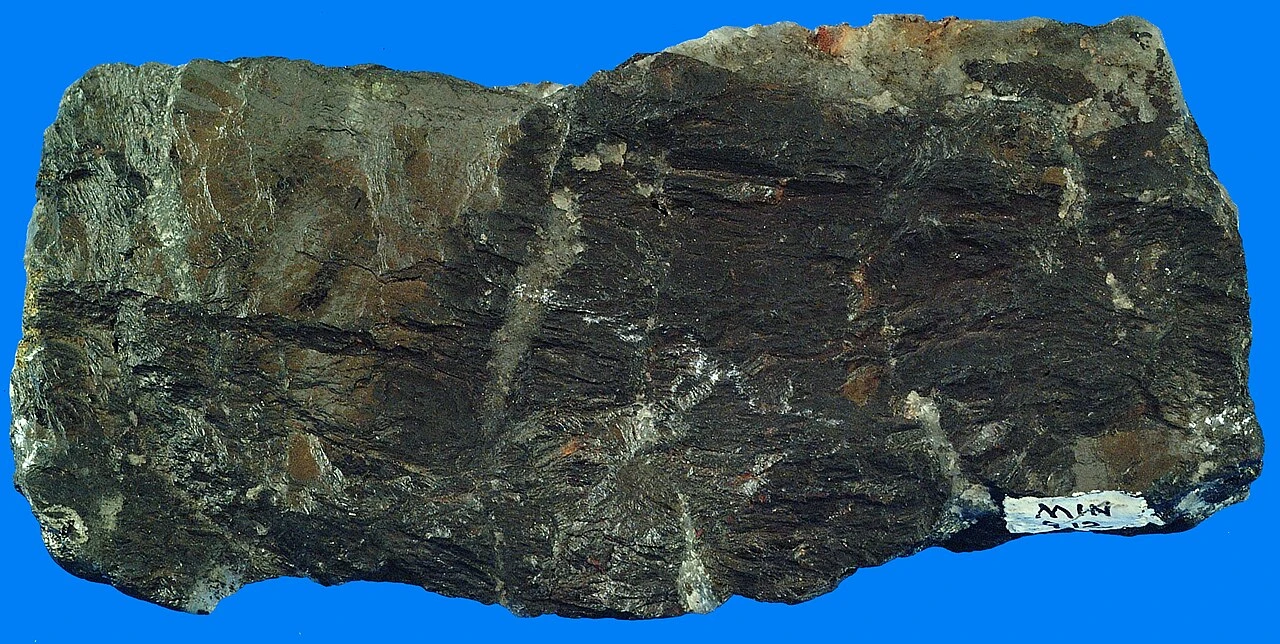
Chongqing's Strategic Ore
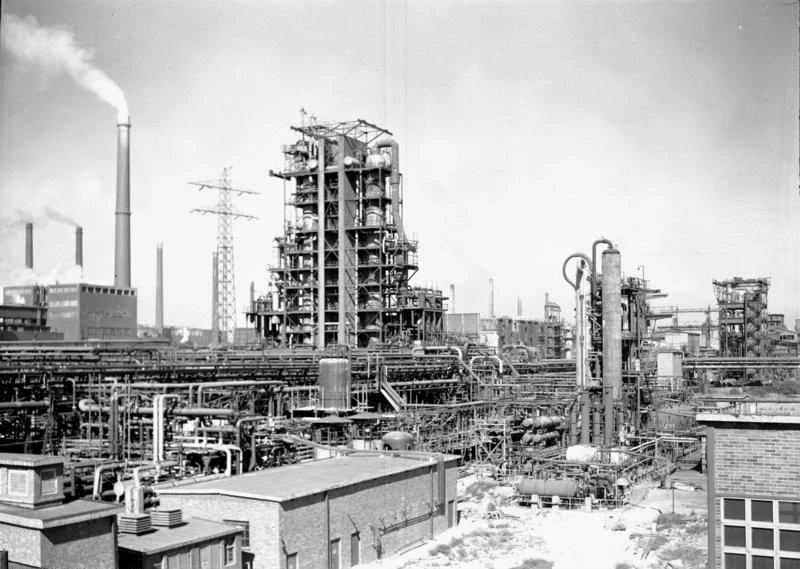
Making oil from coal
The rubber that won't grow in the Reich
Le feu plutot que l'ennemi

The Czech Gold

Records rather than machines
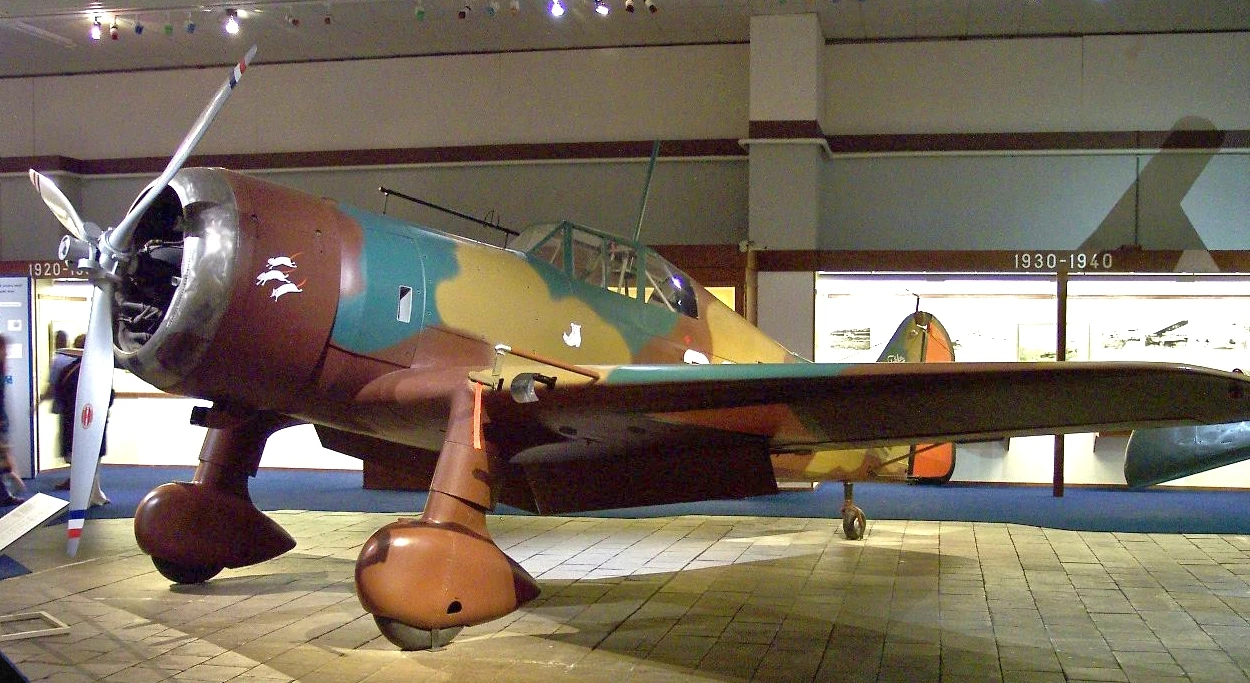
Fokker against the clock
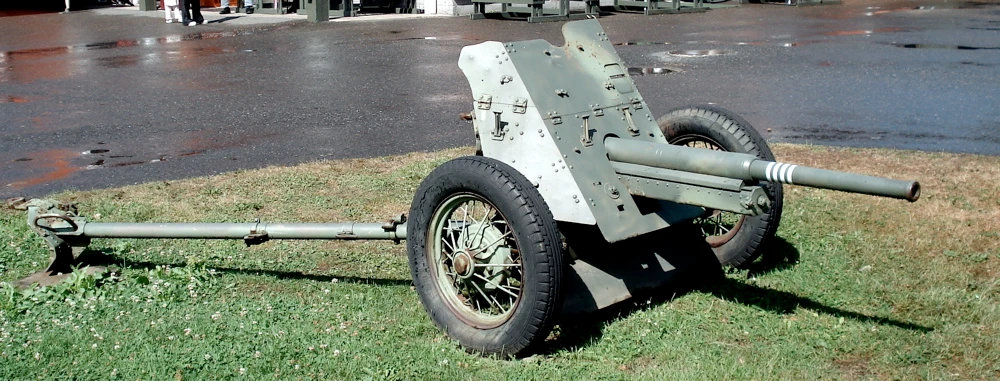
The gun that will have to do
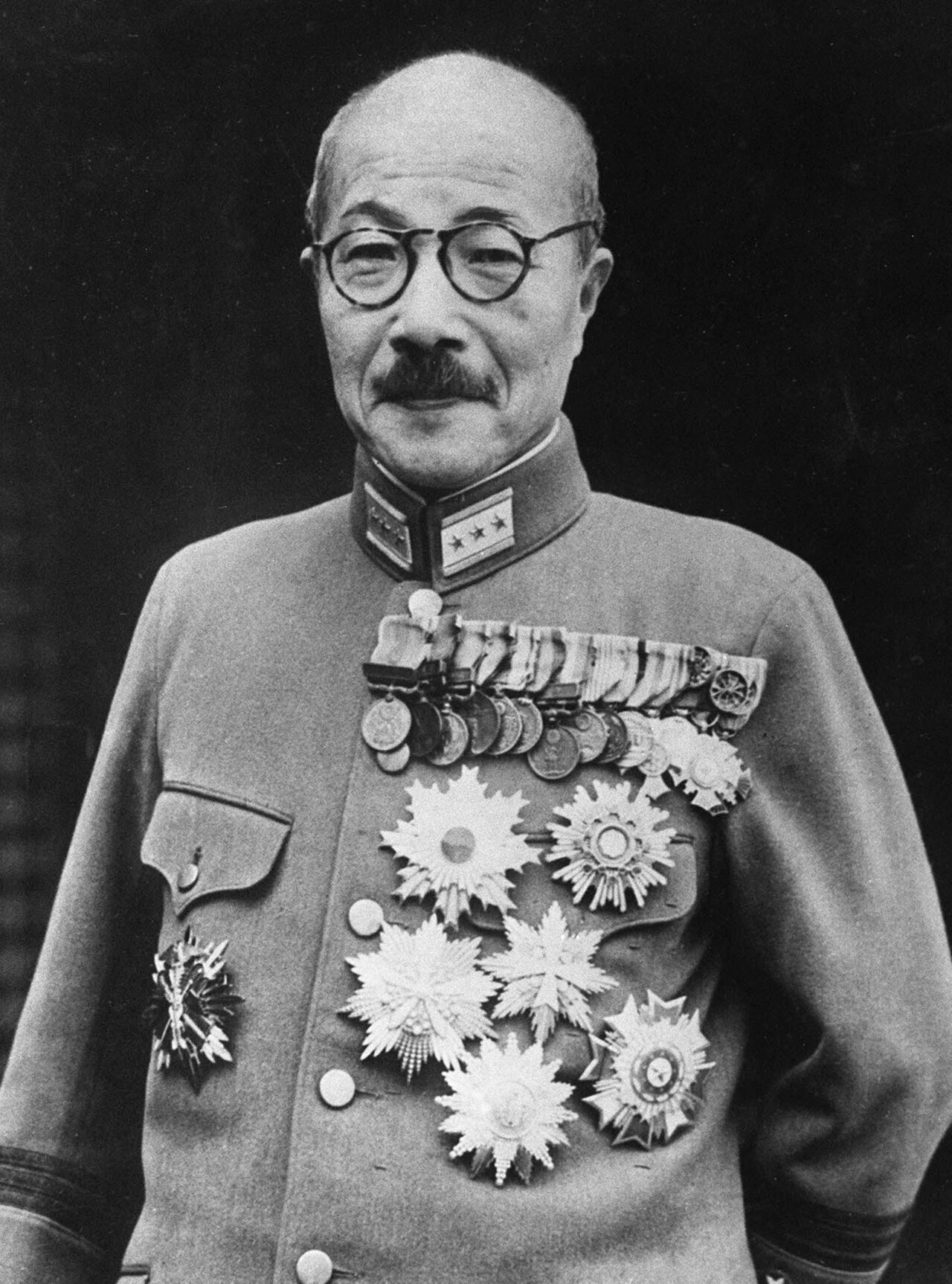
Japan and the Southern Resource Zone

Tokyo's wall of prices
Chongqing's Strategic Ore
Making oil from coal
The rubber that won't grow in the Reich
Le feu plutot que l'ennemi
The Czech Gold
Records rather than machines
Fokker against the clock
The gun that will have to do
Japan and the Southern Resource Zone