
The Karten: Rationing Germany at War
On 27 August 1939, just days before the invasion of Poland, the Nazi regime introduced wartime rationing. Cards — the "Karten" — governed the distribution of bread, meat, fats, sugar, milk, as well as textiles and footwear. The population was not caught entirely off guard: certain fats had been quota-controlled since 1937, and coffee and citrus fruits had been restricted at the start of 1939.
The German war economy faced a structural strain: foreign currency was scarce, agricultural imports were costly, and the armament effort demanded resources. Yet the regime kept in mind the collapse of domestic morale in 1918 and feared confronting households head-on.
The officials of the Four Year Plan had to set the severity of the restrictions. Too harsh, and they risked undermining popular support; too lenient, and they jeopardized the military effort. The balance struck in this summer of 1939 would reveal what equilibrium the regime intended to hold between the front and the home front.
Should severe rationing be imposed from the outset, broad civilian consumption maintained, or restrictions tightened in stages?
German rationing began relatively moderate and then tightened progressively as the war went on. Anxious not to repeat the morale crisis of 1918, the regime initially maintained comparatively generous rations, financed in part by the plunder of occupied territories and the exploitation of forced labor. Germans long consumed more than the other continental belligerents, while still remaining below pre-war levels. It was only with the radicalization of the war economy, notably after 's arrival at the Armaments ministry in 1942, that the balance tipped more decisively toward the military; the harshest cuts to German civilian rations came in the final years of the conflict.
Learn more about this event
Related polls
10
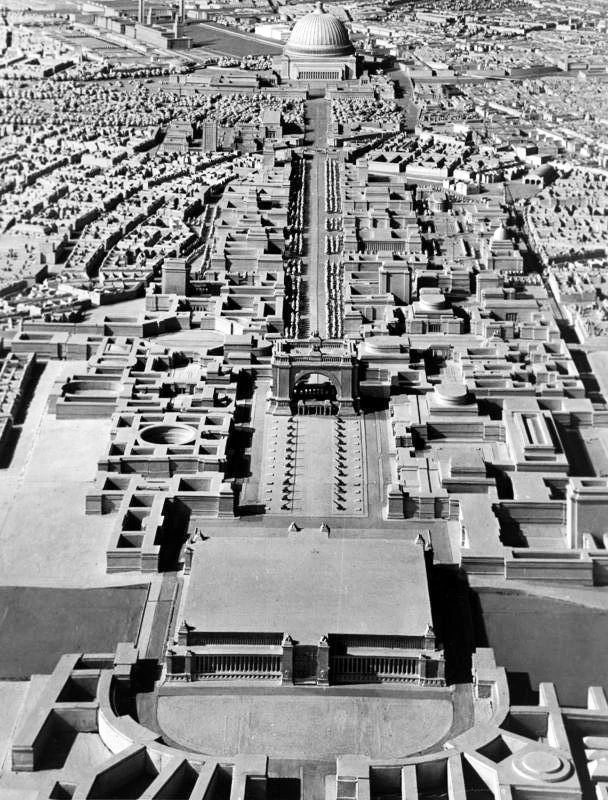
Speer and the Germania trade-off
The Youth of the Reich
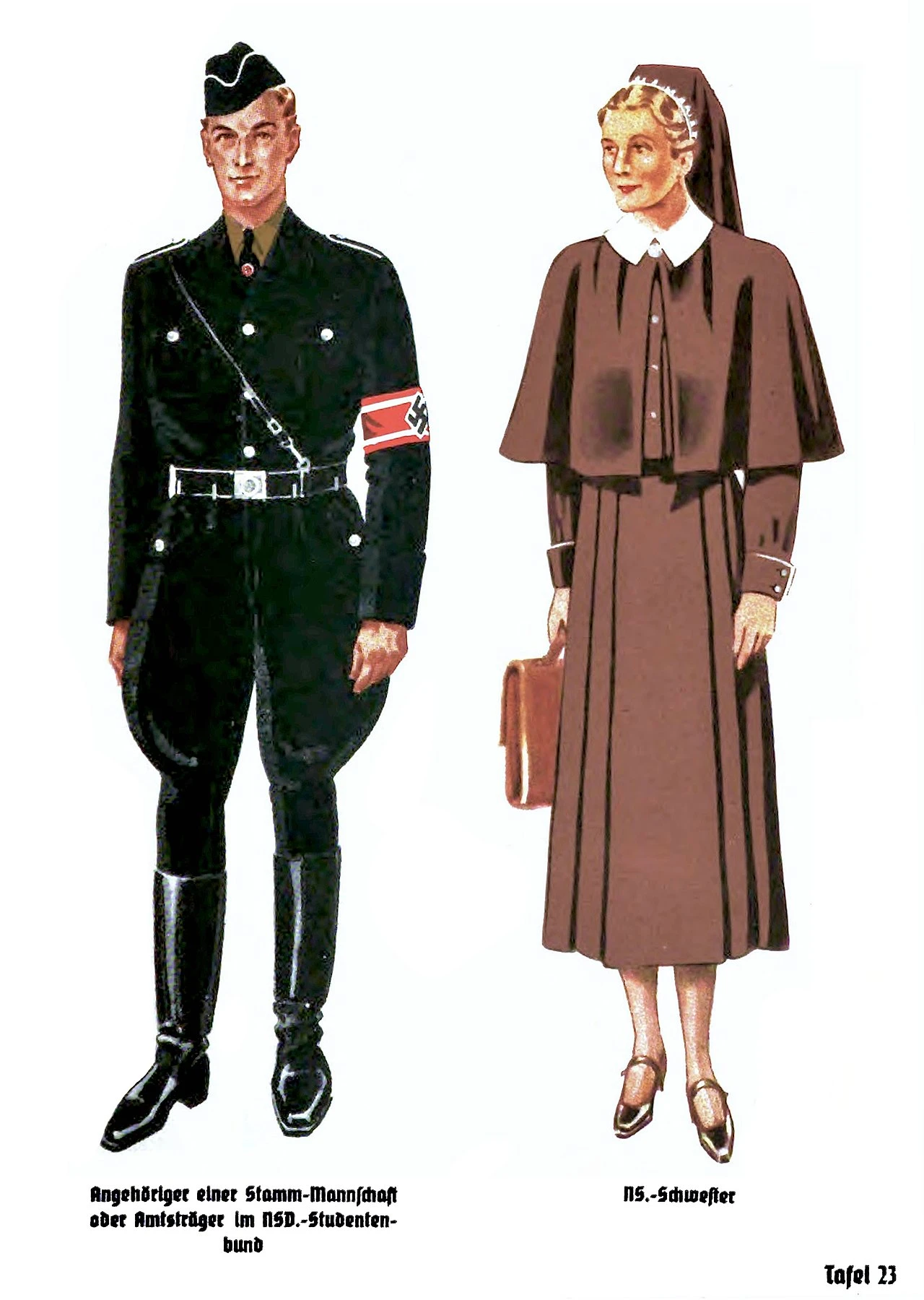
The German Student Facing the Nazification of the University (1939)

Join the Party?
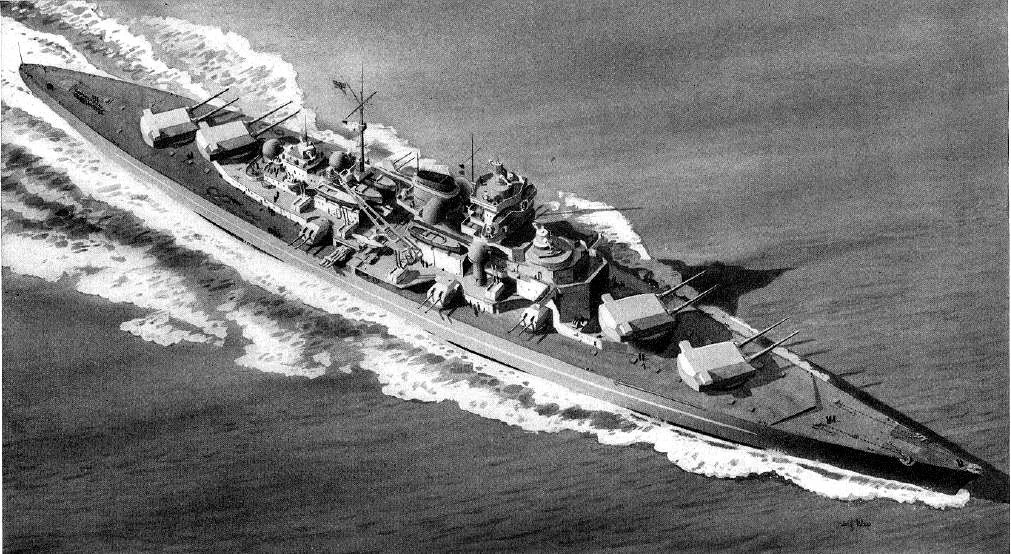
Goering — the economic mobilization plan
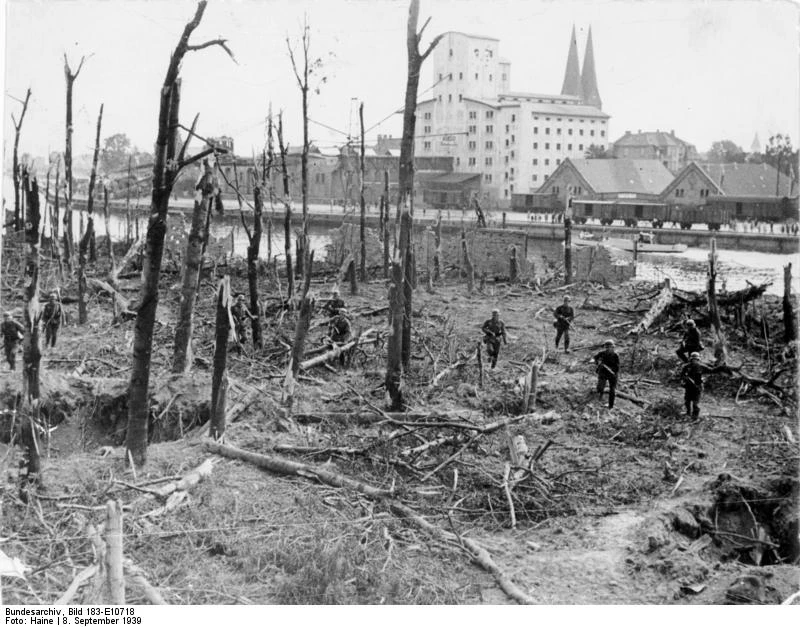
A Danzig Customs Officer on the Day of Annexation
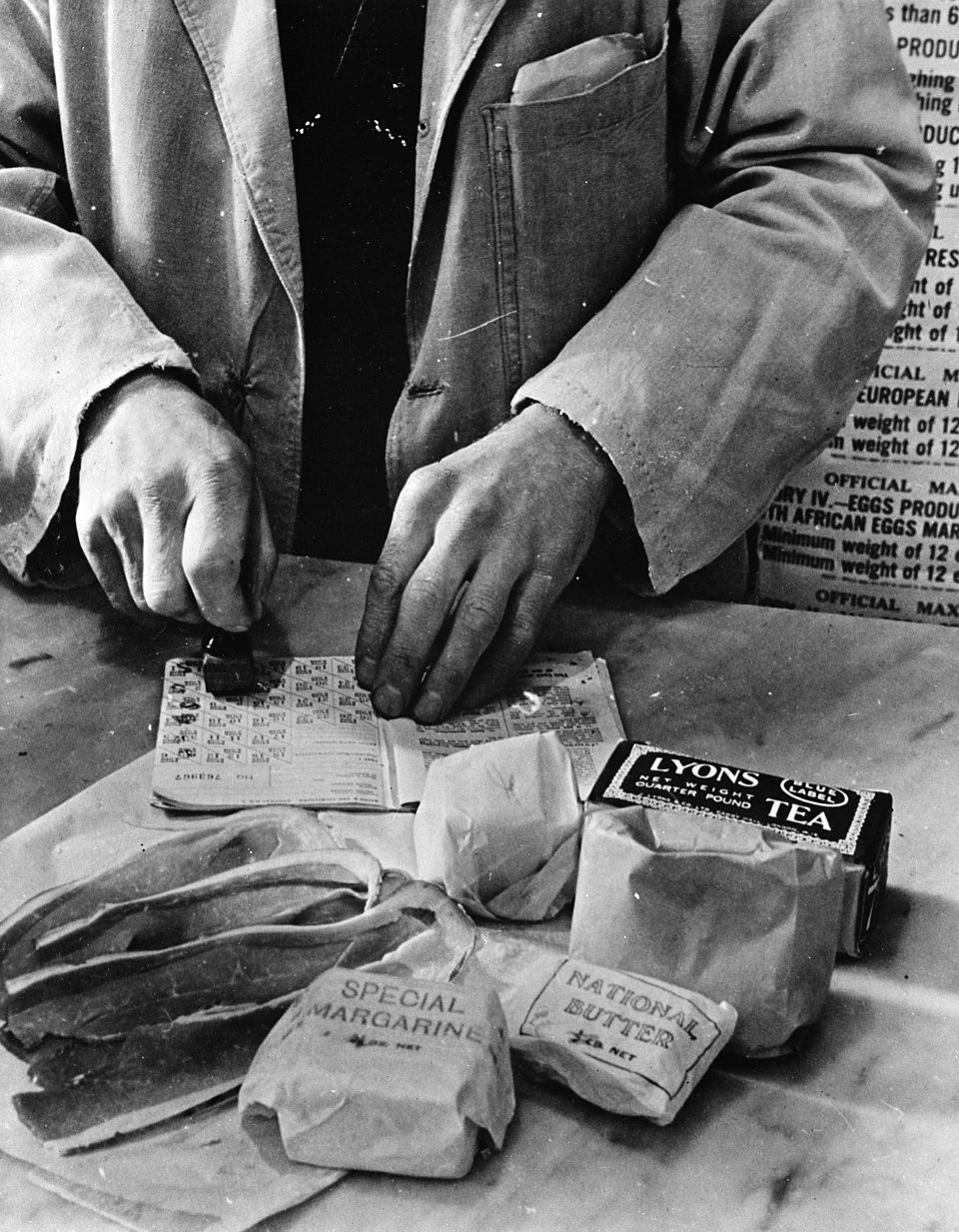
British rationing — Morrison and the principle
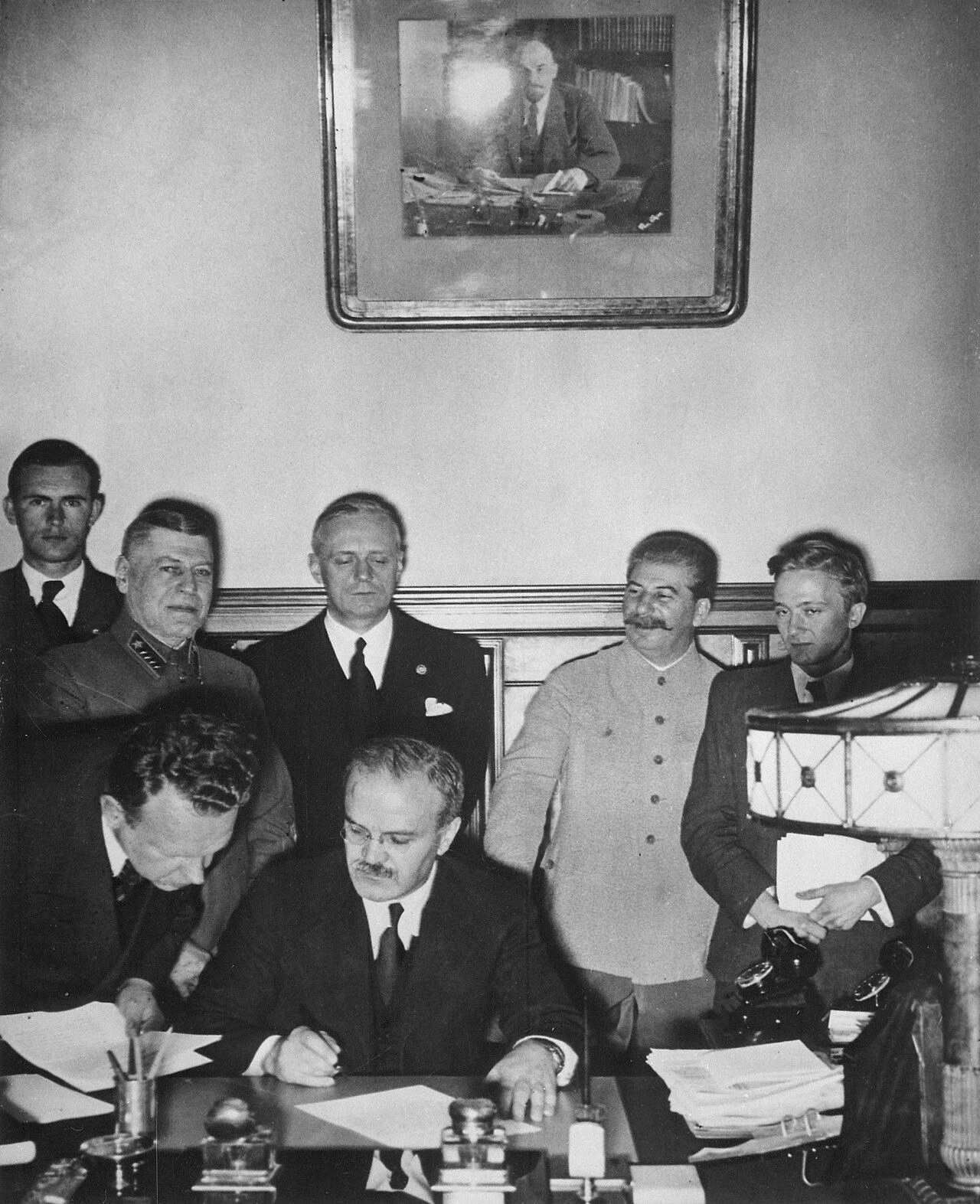
Schnurre in Moscow — the Commercial Agreement
A Correspondent in Berlin
The Obersalzberg Speech
Speer and the Germania trade-off
The Youth of the Reich
The German Student Facing the Nazification of the University (1939)
Join the Party?
Goering — the economic mobilization plan
A Danzig Customs Officer on the Day of Annexation
British rationing — Morrison and the principle
Schnurre in Moscow — the Commercial Agreement
A Correspondent in Berlin