
The Monowitz Construction Site
In 1940-1941, IG Farben decided to build a giant chemical complex at Monowitz, in Upper Silesia, a few kilometres from the Auschwitz camp. The official goal: to produce synthetic rubber (Buna) and fuel from Silesian coal.
, an engineer with the firm since 1927, oversees the construction. The project is colossal, and the shortage of free labour in a strained war economy weighs on its feasibility from the outset. The proximity of the nearby camp opens a possibility that the firm and the SS begin to explore.
In the summer of 1941, as the project grows in scale, the question arises of how large it should be and where its labour should come from: press the complex to full scale, scale it back, or shift part of the production to sites in Germany to limit dependence on the camp.
How should Dürrfeld scale the chemical complex and organise its workforce?
The project was pushed forward on a large scale, built massively on forced labour. As early as March 1941, agreements were reached with the SS and the camp commandant to obtain concentration-camp labour; in 1942, IG Farben even had the Auschwitz III-Monowitz camp erected at the edge of the site to bring prisoners closer to the works. Around 35,000 prisoners, the majority of them Jewish, worked there; more than 20,000 lost their lives. After the war, Dürrfeld was sentenced to eight years in prison at the IG Farben trial in Nuremberg.
Learn more about this event
Related polls
10
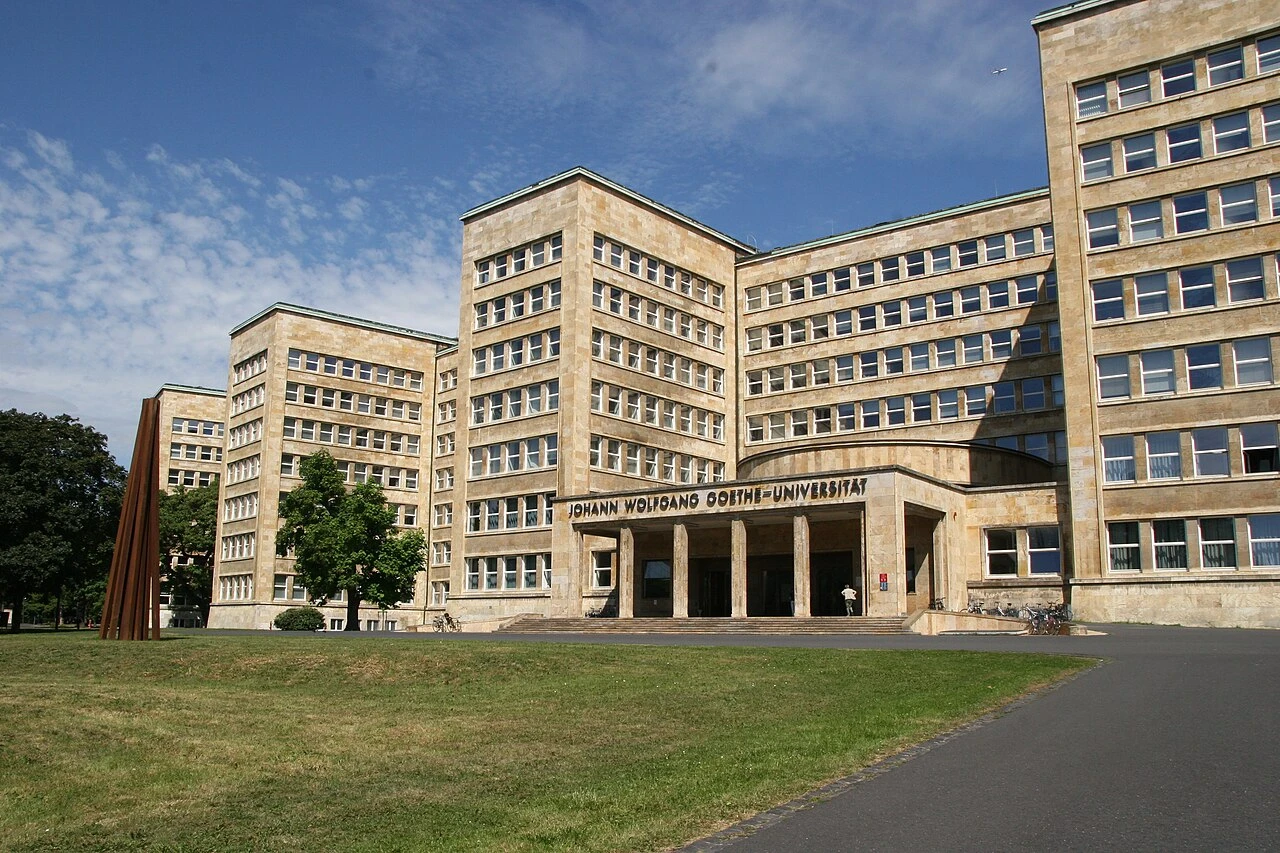
The Fourth Buna — Where to Site the Plant
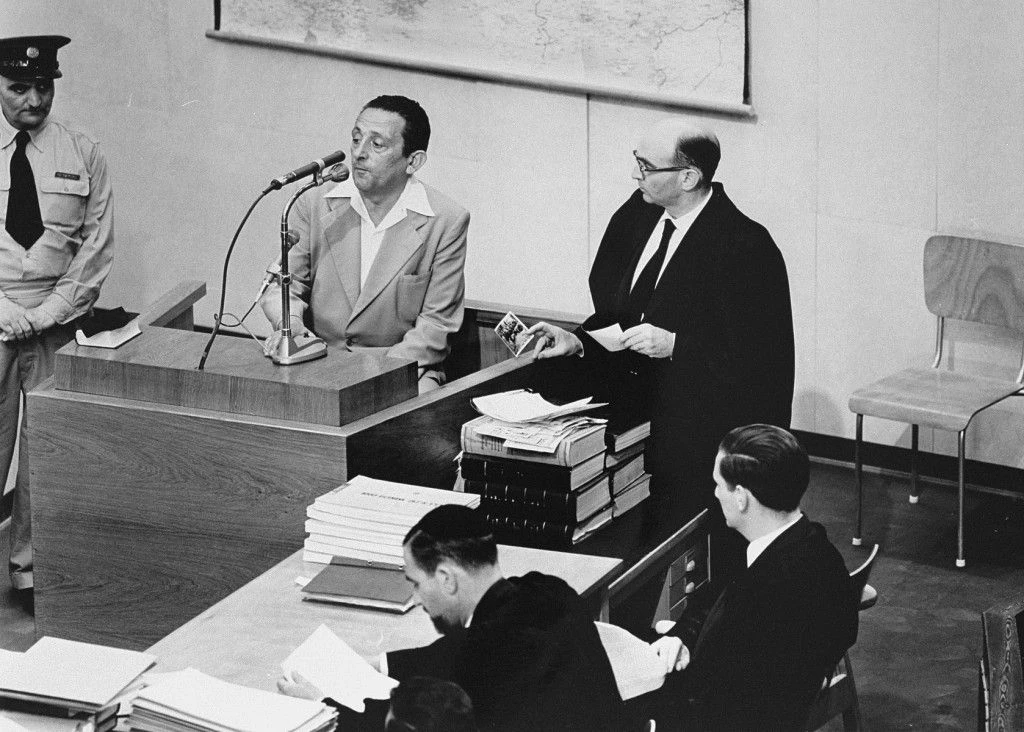
Biebow at Litzmannstadt — 8 February
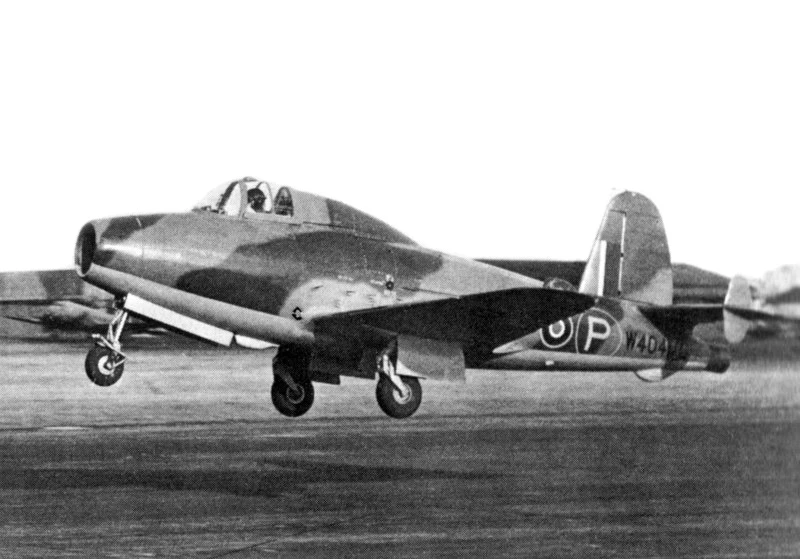
Whittle, his jet engine and the rebellious combustion chamber
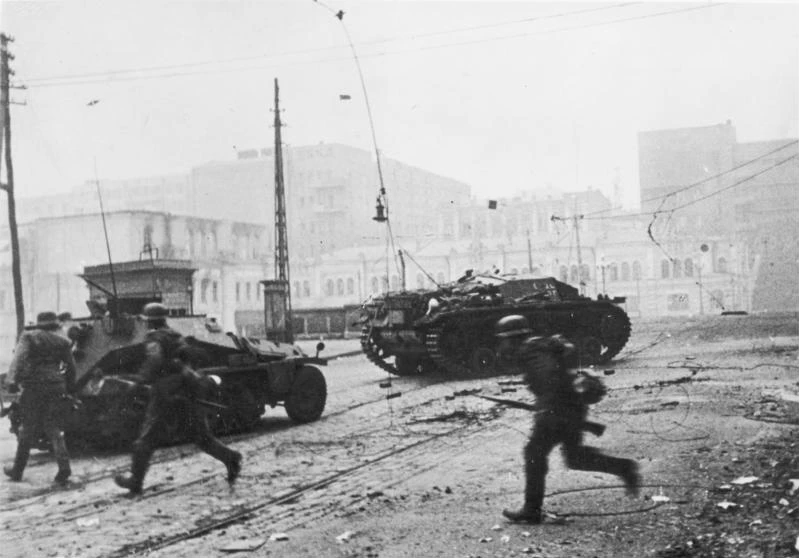
Soviet Sappers at Kharkov
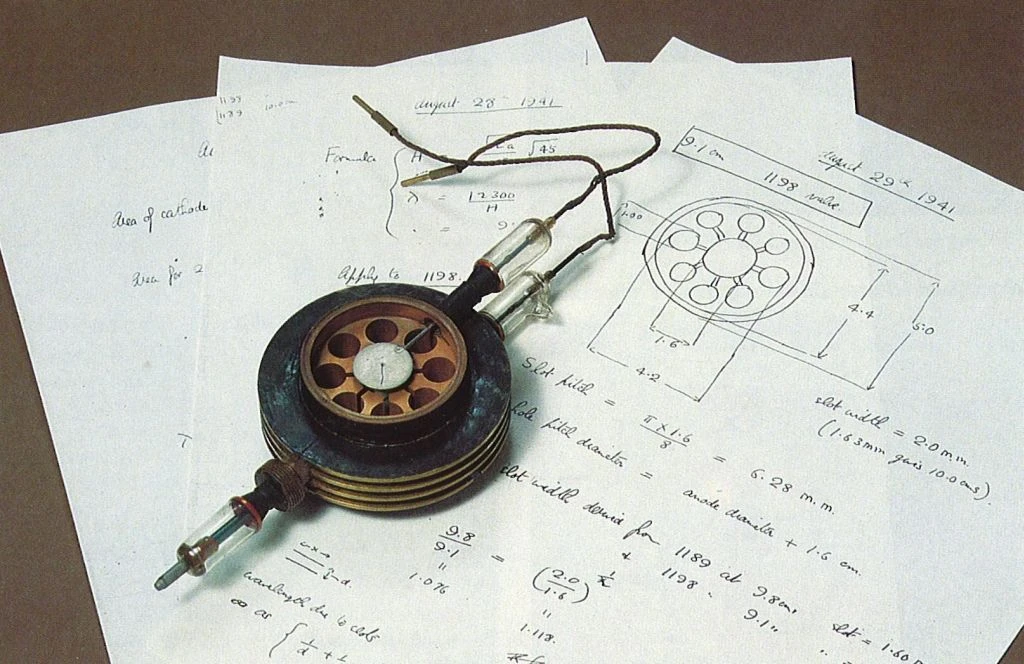
The Tizard Mission's Trunk for America
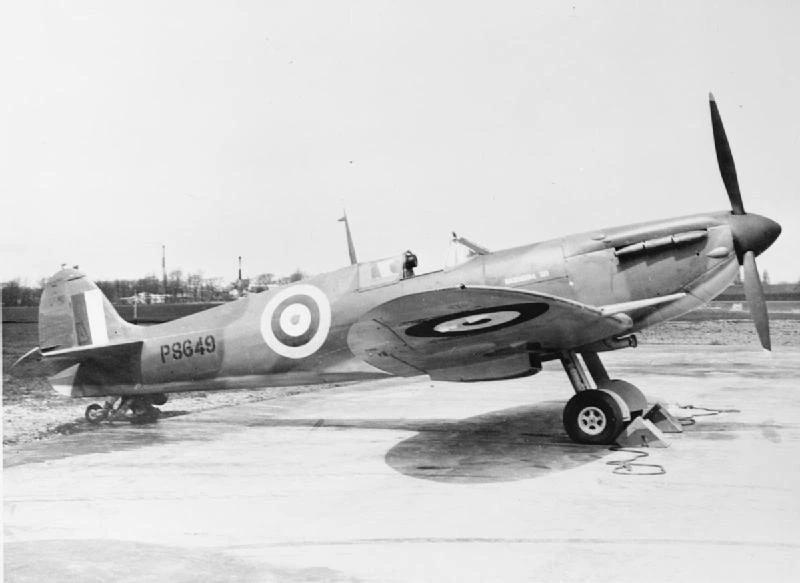
The Shadow Factories
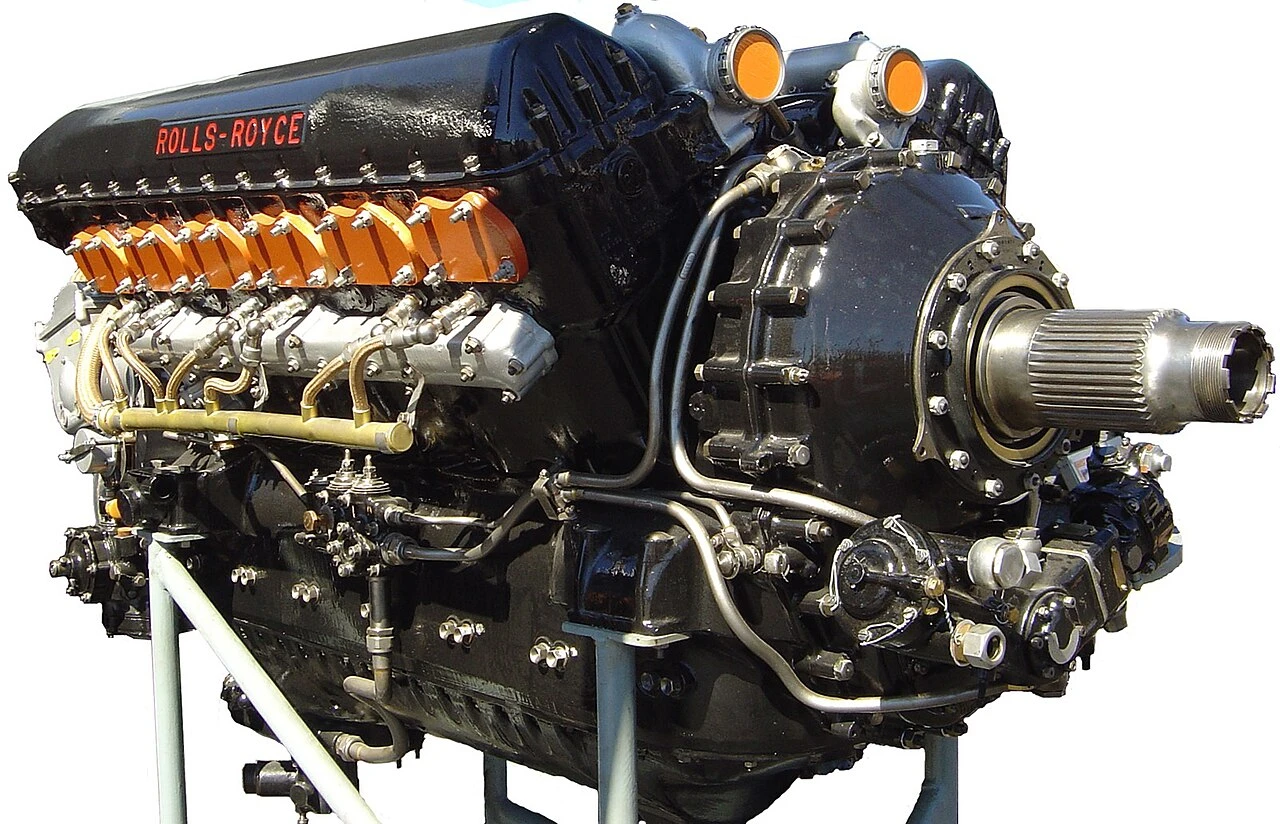
Car assembly lines for an aircraft engine
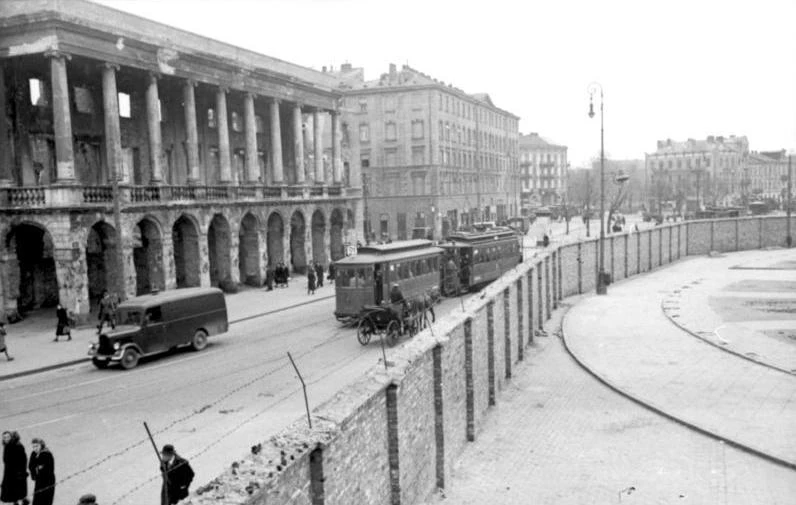
Studying in the Warsaw Ghetto
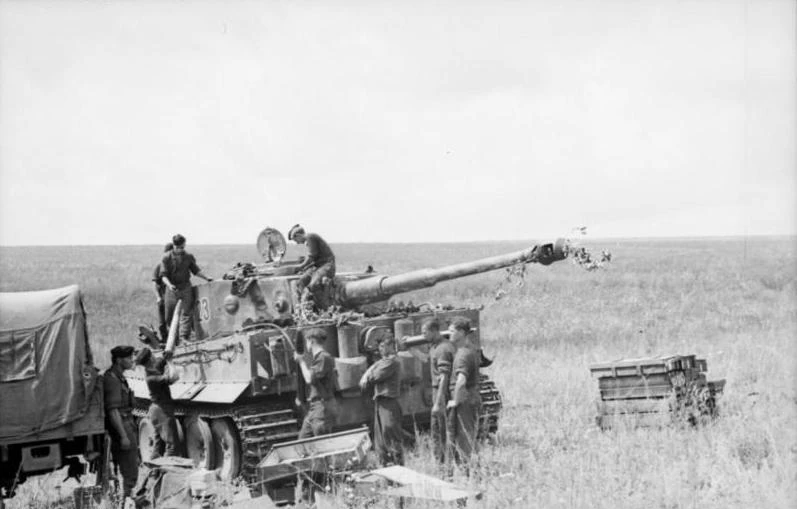
Krupp and the Beast's Cannon
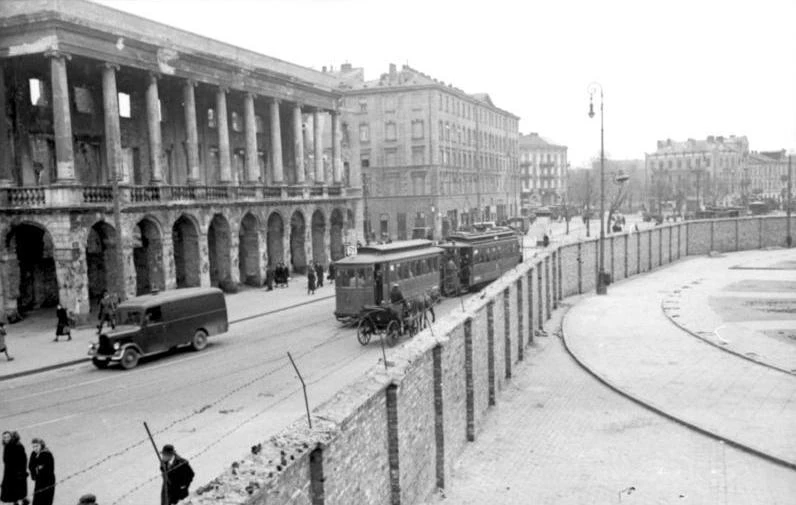
Clandestine teaching in the Warsaw Ghetto
The Fourth Buna — Where to Site the Plant
Biebow at Litzmannstadt — 8 February
Whittle, his jet engine and the rebellious combustion chamber
Soviet Sappers at Kharkov
The Tizard Mission's Trunk for America
The Shadow Factories
Car assembly lines for an aircraft engine
Studying in the Warsaw Ghetto
Krupp and the Beast's Cannon