
Hackenberg — a poilu on the Maginot
Built between 1928 and 1936 at the initiative of War Minister , the line that bears his name is the most modern frontier fortification in Europe: 142 ouvrages spaced over 390 km, from Belgium to Switzerland, two billion francs of investment and, at its peak, a garrison of some 400,000 men. Everything rests on static defence: artillery in armoured cupolas, underground galleries as deep as 30 m, complete living quarters — kitchens, dormitories, hospitals, cinemas.
By autumn 1939, with mobilisation complete, around 600,000 French soldiers are deployed along the line. But the doctrine is already obsolete: the Maginot does not cover the Belgian frontier, left "neutral" by the agreement of 1936, and the Saar offensive launched in September has had to be wound back by 4 October.
From October 1939 the front freezes: no more fighting, no more patrols. Our typical soldier is 24; a peasant or a worker from Brittany or the Limousin, mobilised since 1 September without a single leave, his regiment having marched 200 km on foot to the Moselle. At the Ouvrage du Hackenberg, the largest of the Maginot works with its 19 blocks and 1,081 men, daily life settles into an unchanging routine: reveille at 05:30, maintenance work from 06:30 to 12:00, meals where meat appears four days a week and the mandatory 0.25 L quart of wine is served, more work from 14:00 to 18:00, evening leave until 22:00, then lights out at 23:00. The command must organise this garrison life for eight months, with no certainty whatever as to what comes next.
How to keep up the morale of French soldiers through the eight months of the Phoney War?
The French high command (Gamelin, Georges) applies B. Through the winter of 1939-1940, the "foyer du soldat" doctrine favours comfort over fighting spirit: 360 mobile cinemas distributed along the line (free showings of the film Sous le ciel de Paris with on loop), theatre tours ( at Hackenberg on 22 February 1940), tours, distributions of Languedoc wines (12 hectolitres per regiment per week), free tobacco. The consequence: a drastic erosion of combat readiness. From January 1940 onwards the reports of the Inspectorate General of the Health Service note a 73 percent rise in cases of drunkenness and moral absenteeism. 's journal (L'Étrange Défaite, written in the summer of 1940) documents the moral catastrophe: "The French army loses its will to fight in the heated tunnels." When the German offensive of 10 May 1940 breaks, the divisions on the Maginot are not attacked (the Sichelschnitt passes through the Ardennes to the north) and remain in place until the French surrender of 22 June 1940 — at which point they capitulate without having fired a shot. The Maginot Line becomes the archetype of French strategic disaster. Today, several works (Hackenberg, Schoenenbourg, Simserhof) are museums.
Learn more about this event
Related polls
10
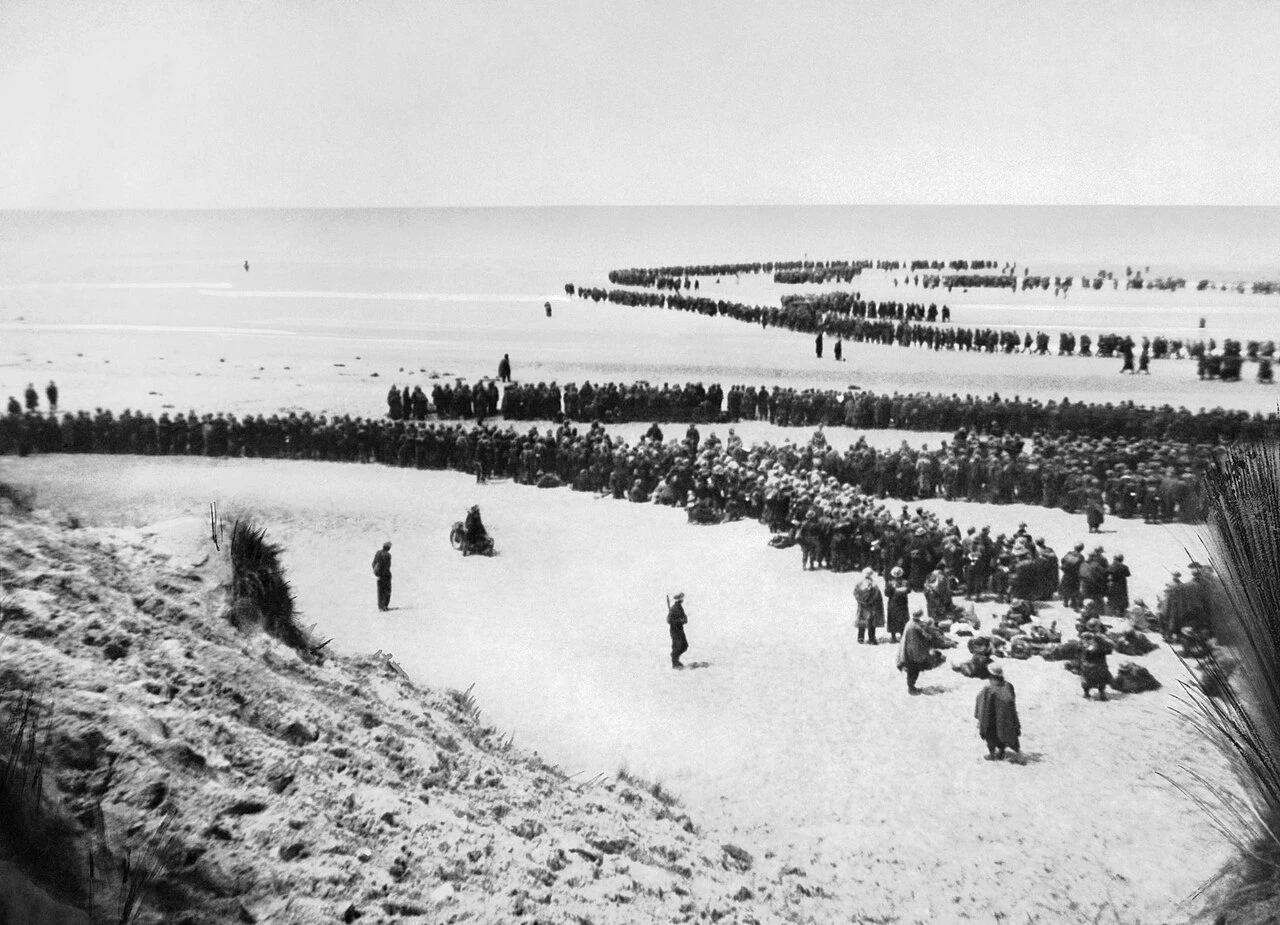
Dunkirk: holding the line under the bombs
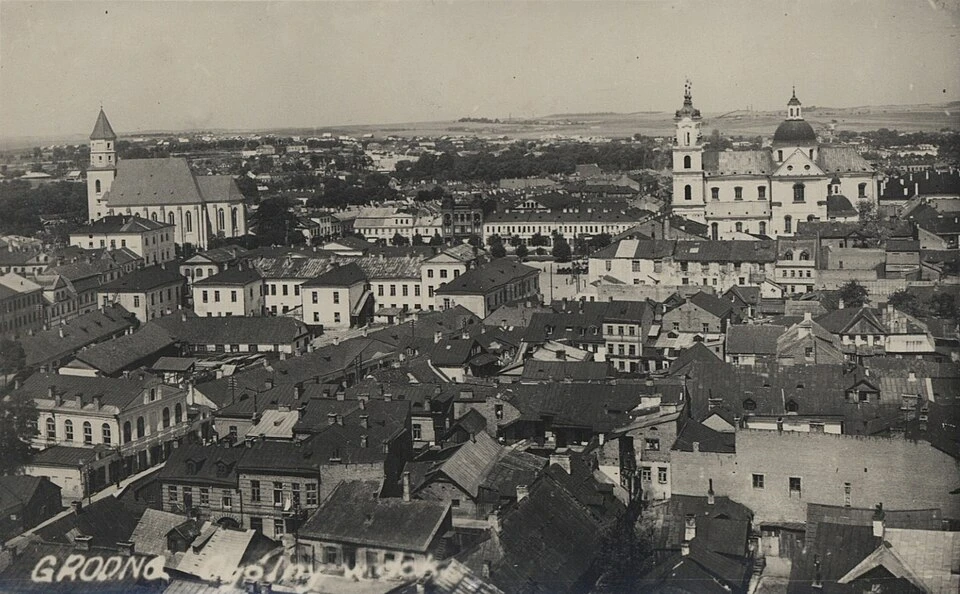
Grodno — the harcerze on Skidelska Street
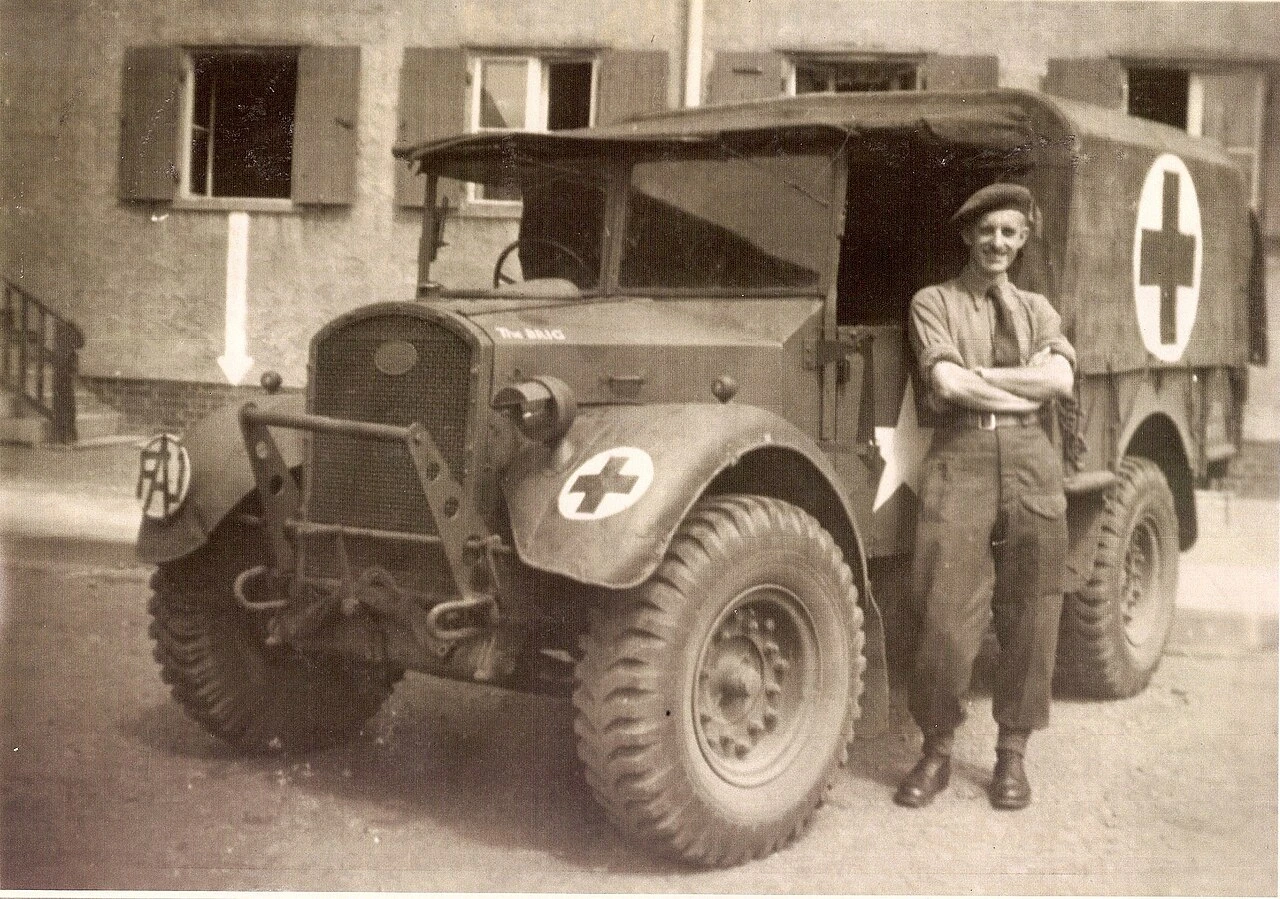
The Drawing of Lots at Rosendaël
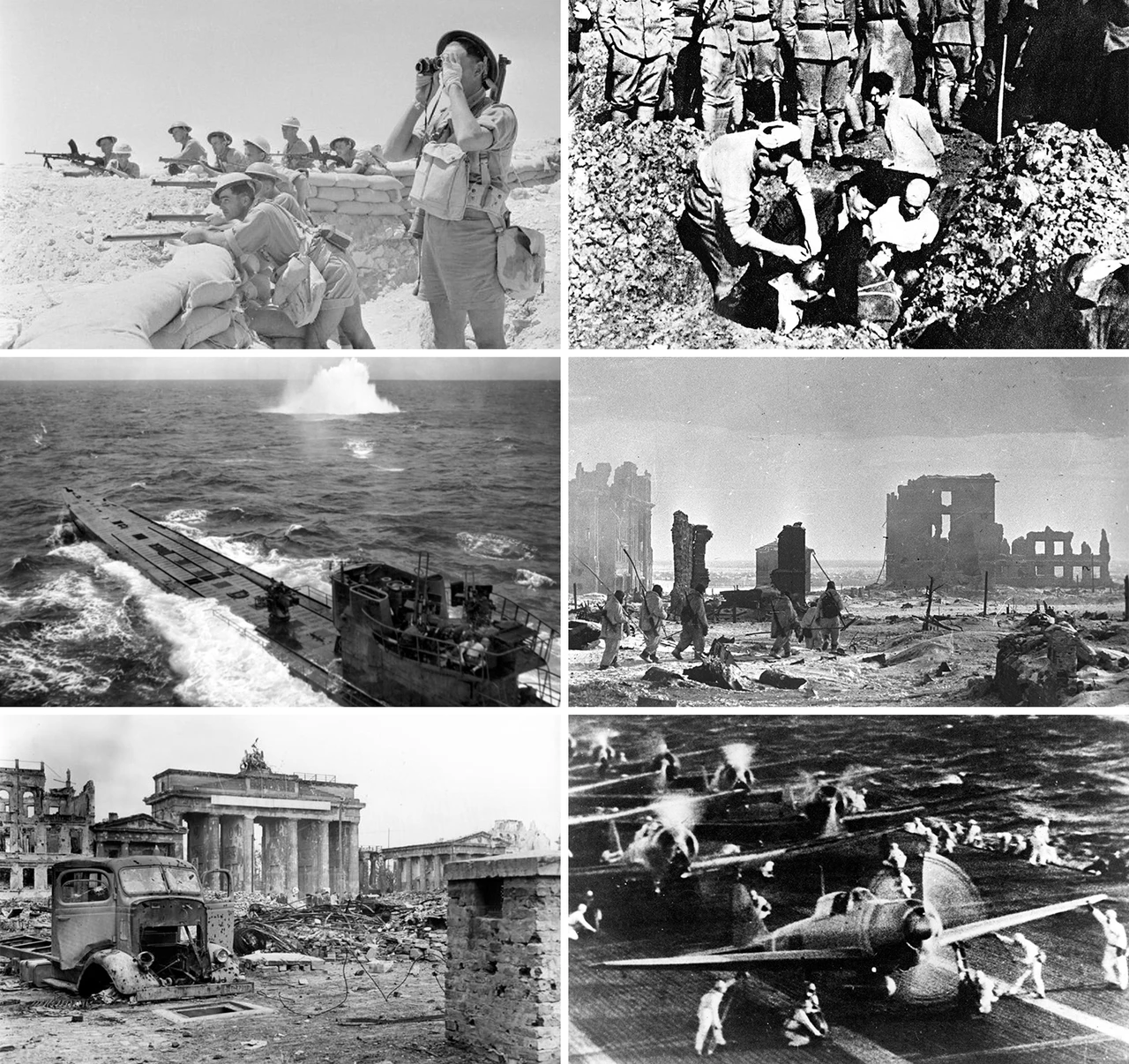
The great winter at the front
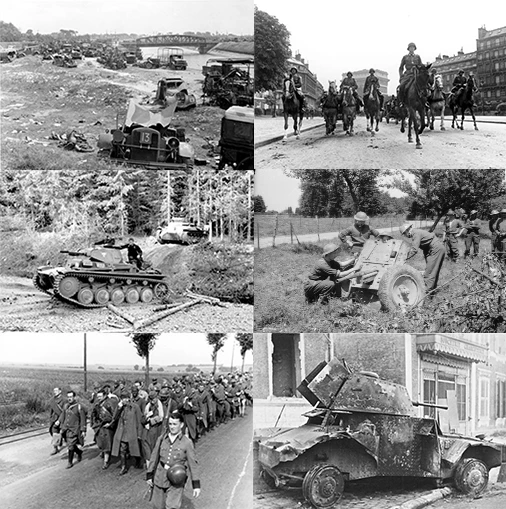
Morale on the home front

The Camps of the Retirada
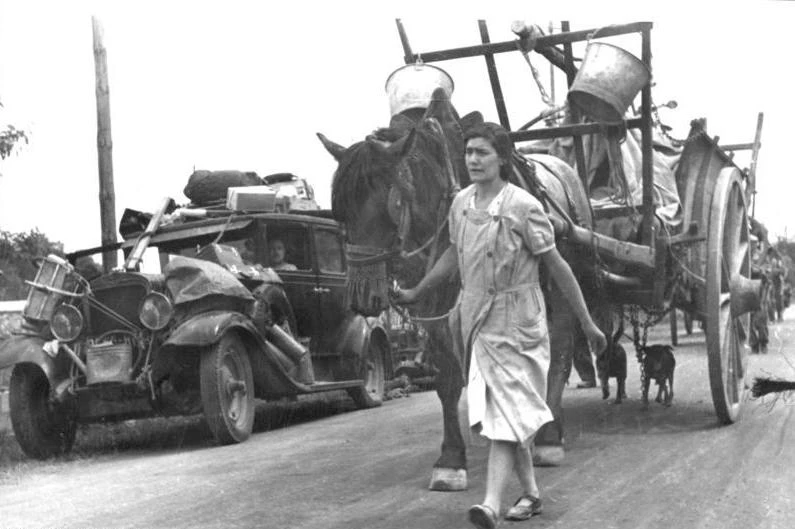
The French exodus
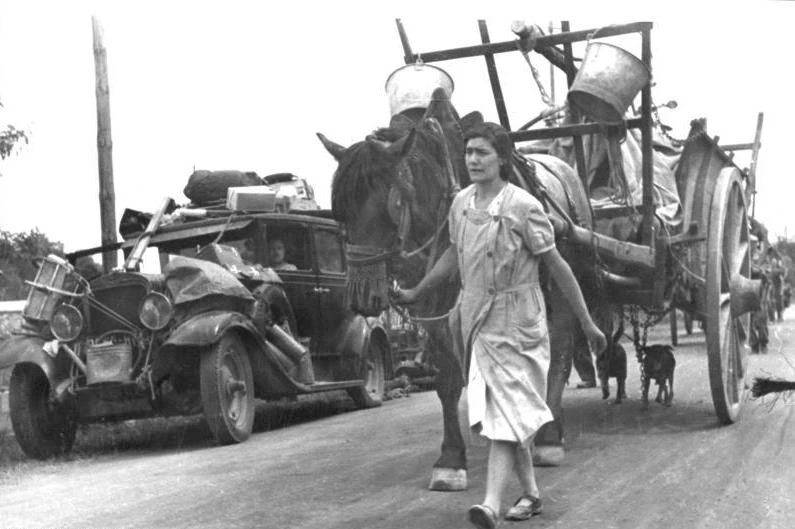
Belgian border — leave or wait out the storm
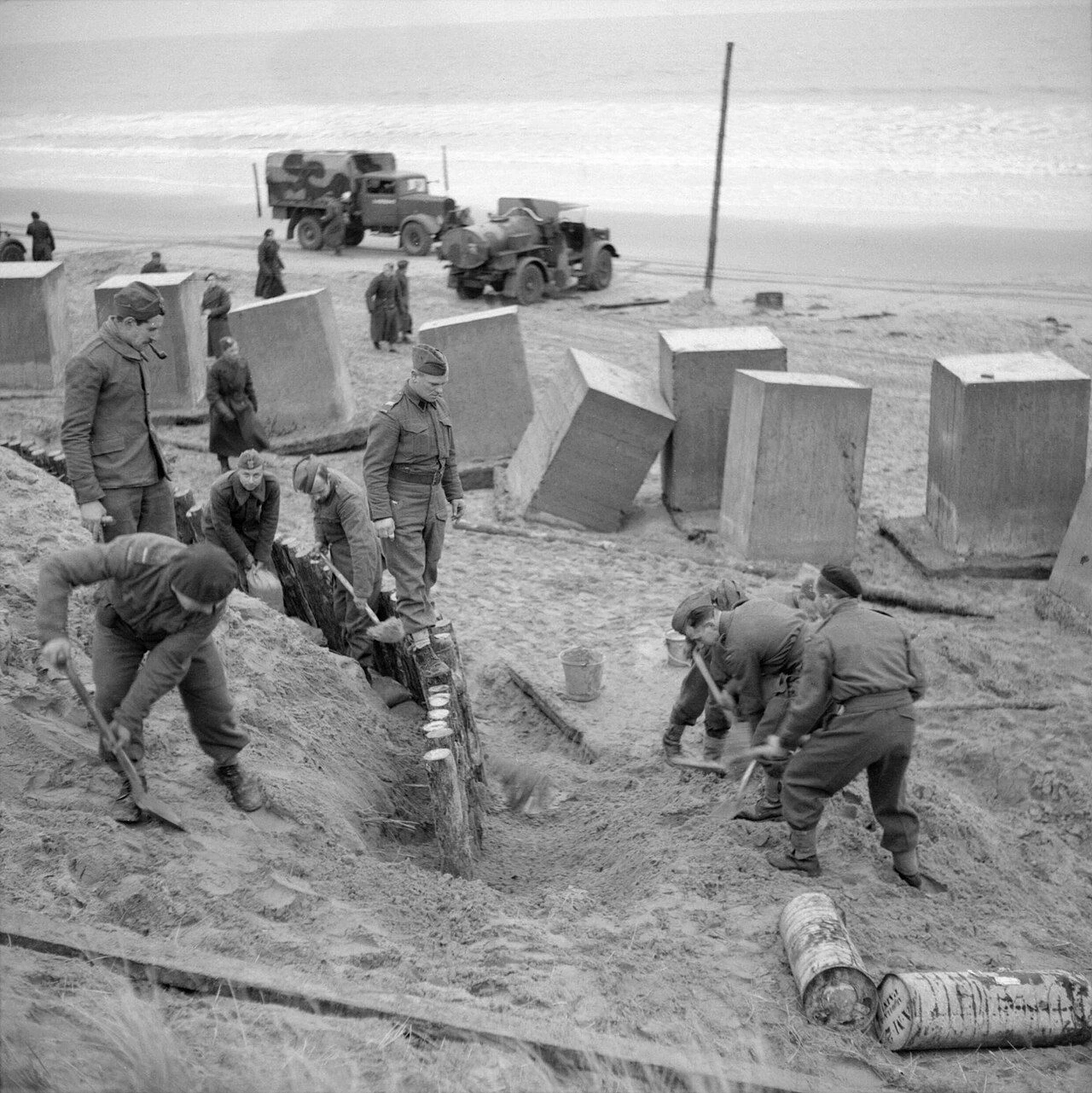
Kukiel at Crawford — first Scottish winter
The Jewish Schoolteacher of Kazimierz
Dunkirk: holding the line under the bombs
Grodno — the harcerze on Skidelska Street
The Drawing of Lots at Rosendaël
The great winter at the front
Morale on the home front
The Camps of the Retirada
The French exodus
Belgian border — leave or wait out the storm
Kukiel at Crawford — first Scottish winter