
The plan to attack Narvik and the iron mines
The German war industry depended largely on Swedish iron ore, which transited in winter through the Norwegian port of Narvik and ran along the neutral coast of Norway. , First Lord of the Admiralty, was convinced that cutting this route would deal a serious blow to the Reich's war effort.
The problem was Norwegian neutrality. To mine the coastal waters or land at Narvik would violate the sovereignty of a neutral country, at the risk of offending opinion and pushing Norway into Germany's arms. But to wait was to let the iron feed the German factories.
Churchill could force the passage: mine the Norwegian waters and prepare a landing at Narvik, in defiance of neutrality. Strictly respect Norwegian neutrality and seek other means of pressure. Or try to obtain Norway's consent, which was unlikely. The risk was of provoking a pre-emptive German reaction in Scandinavia — precisely what Berlin was contemplating on its own side.
Should Churchill mine the Norwegian waters and target Narvik, respect neutrality, or negotiate with Oslo?
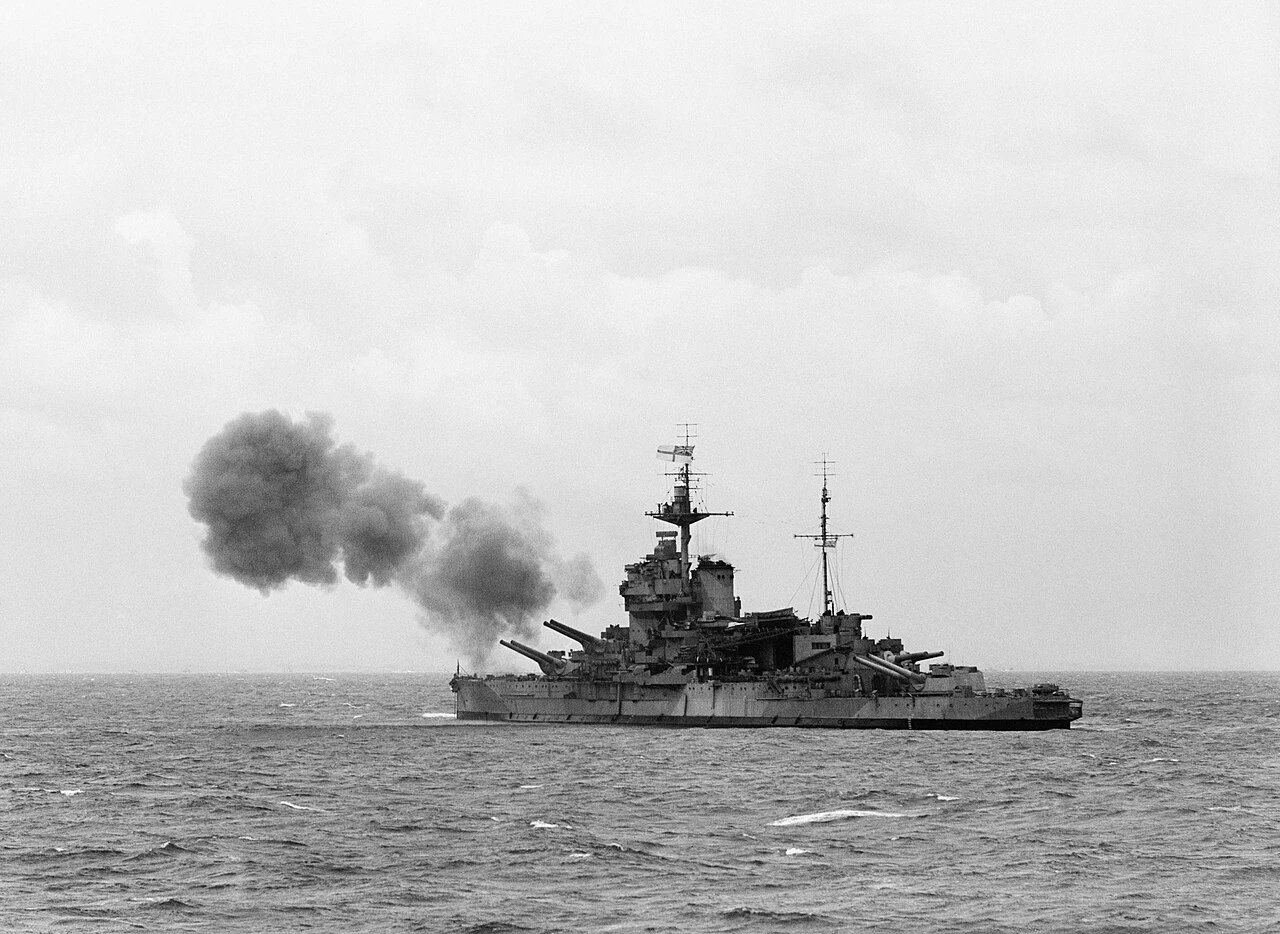
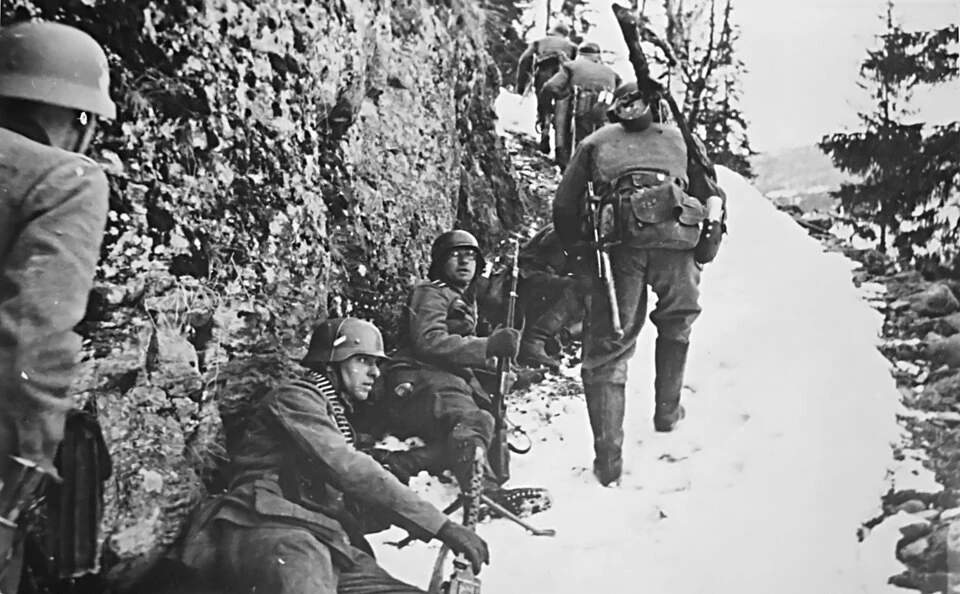
Churchill obtained approval for A: in early April 1940, the Royal Navy mined the Norwegian waters (Operation Wilfred) and a landing was prepared. But Germany, which feared precisely this manoeuvre, beat the Allies to it: on 9 April 1940, it invaded Denmark and Norway (Operation Weserübung). There followed the Norwegian campaign, in which the Allies retook Narvik for a time before having to evacuate in June, caught up by the collapse of the front in France. The Scandinavian affair also precipitated the fall of Chamberlain and the arrival of Churchill as Prime Minister, on 10 May 1940 — the very day of the offensive in the West.
Learn more about this event
Related polls
10
Narvik — too senior an admiral
The blockade of Germany
Dönitz at Sengwarden — the winter pause
Weserübung — directive of 1 March
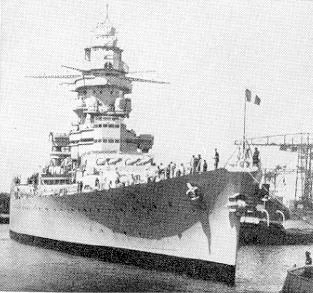
The Admiralty and the Strasbourg Rumour
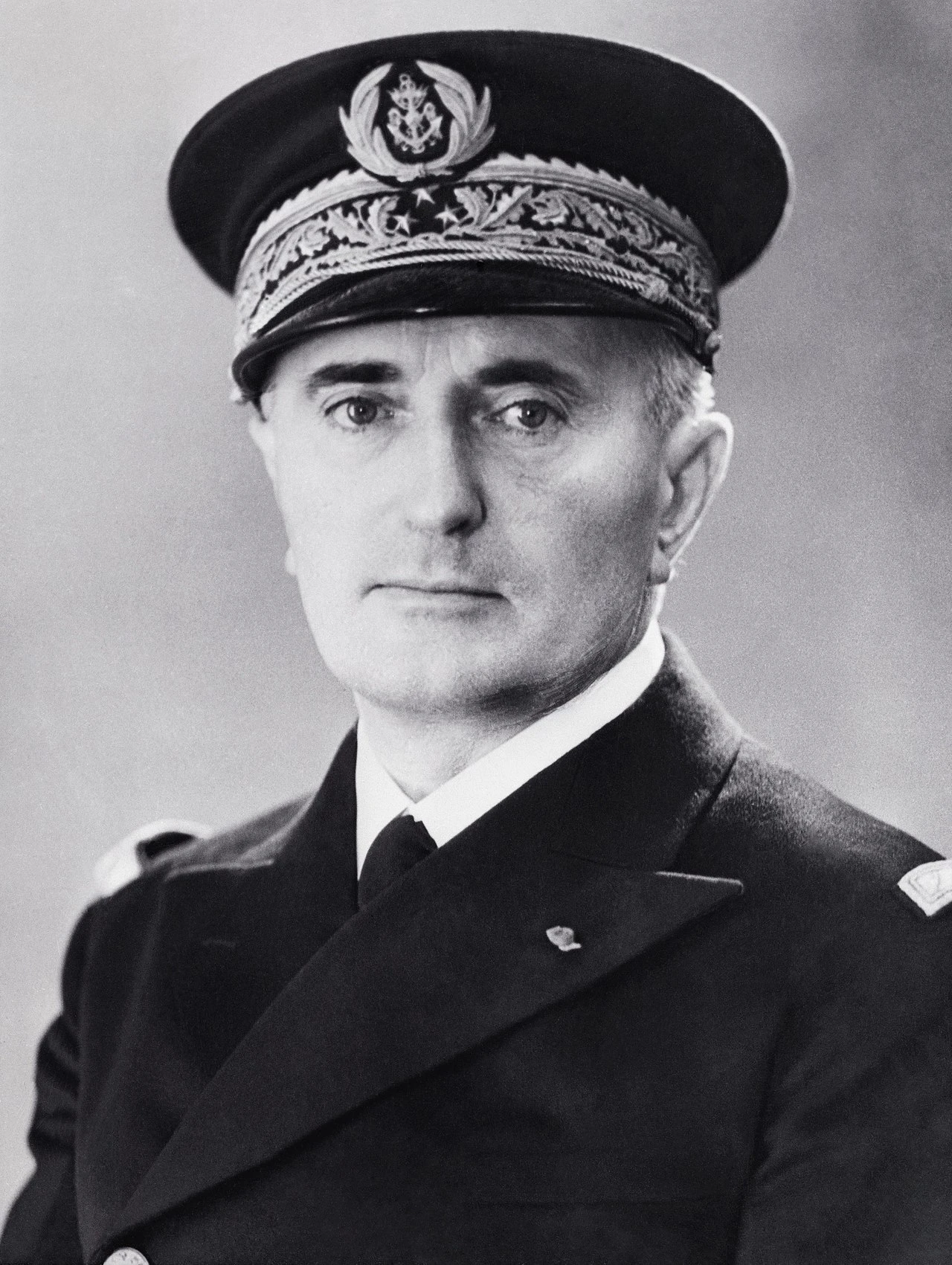
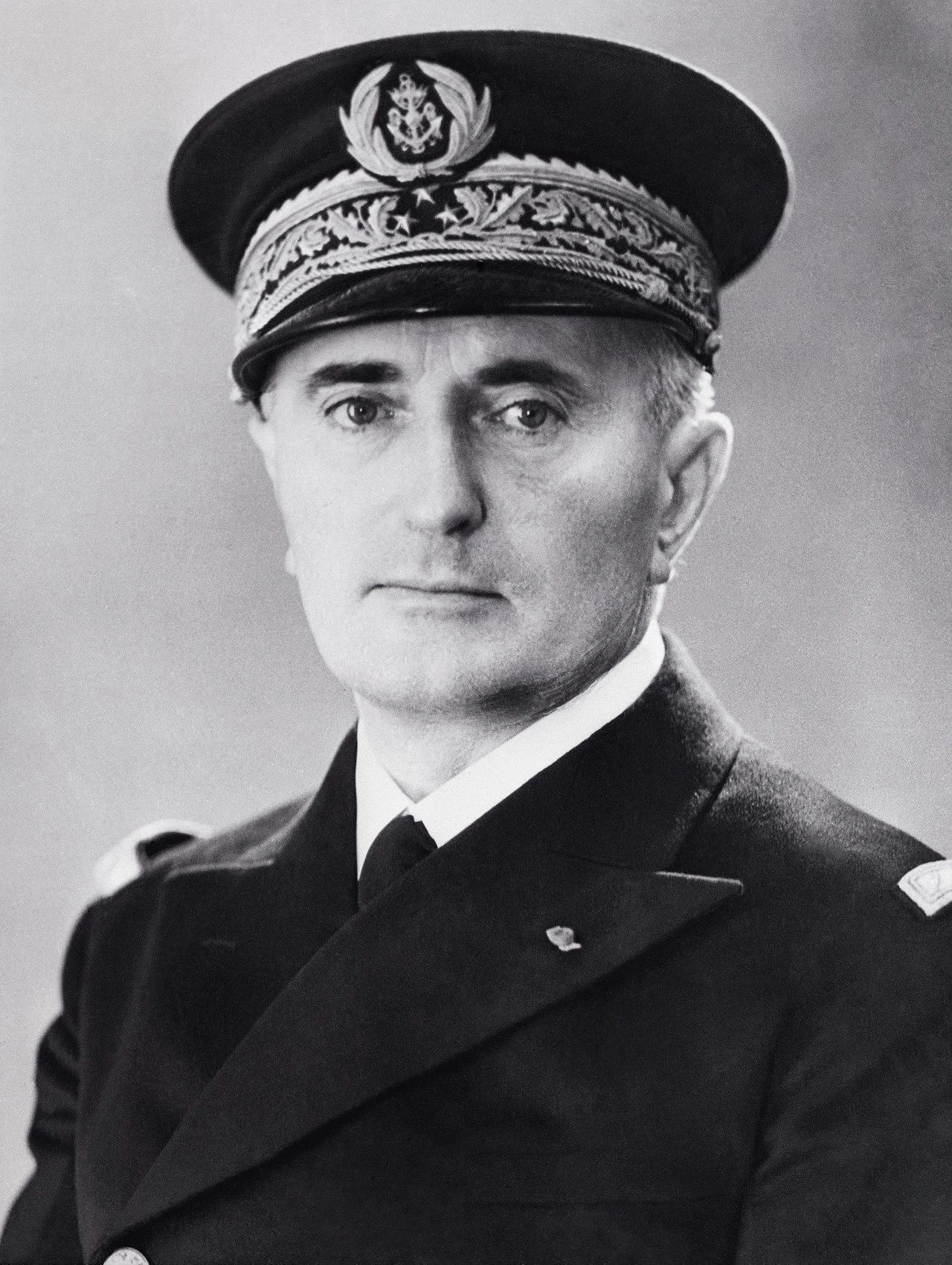
Darlan and the fleet — 20 June
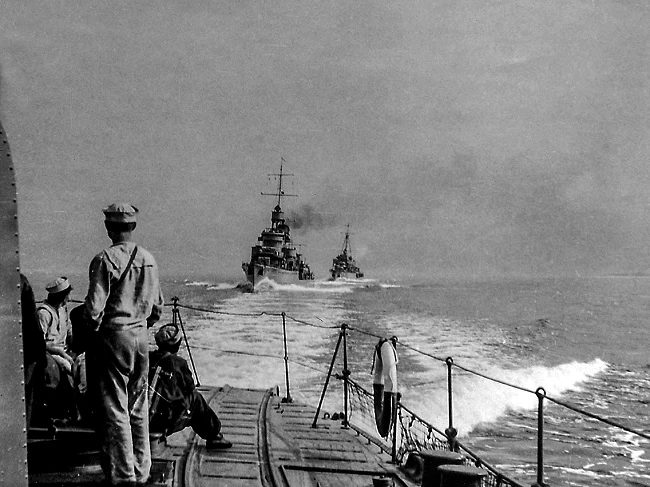
The French navy disperses
Operation Peking — Stankiewicz Facing the Sound
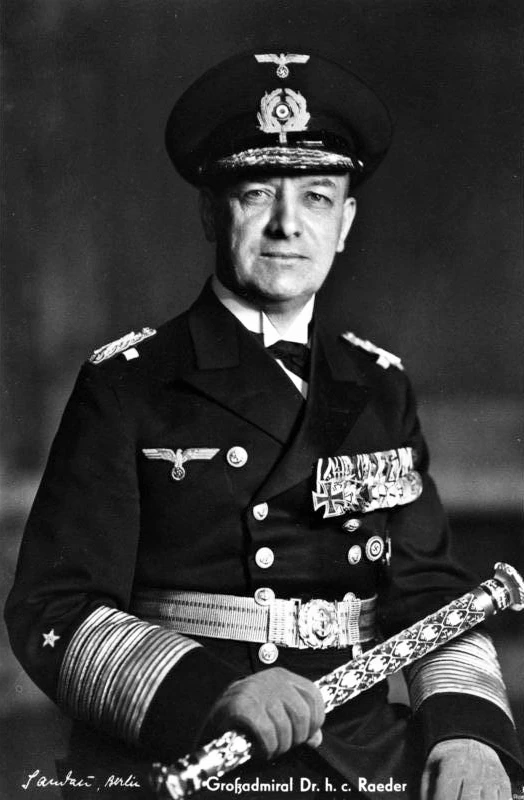
Raeder and the Seelöwe gamble
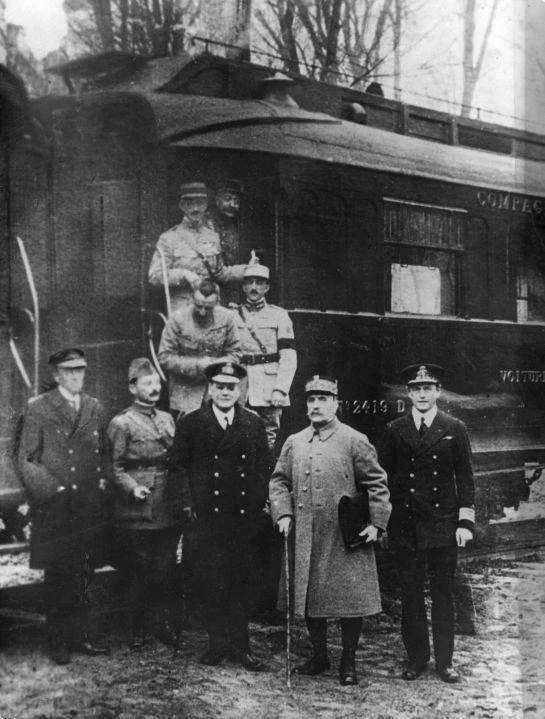
Rethondes — Article 8 on the Fleet
Narvik — too senior an admiral
The blockade of Germany
Dönitz at Sengwarden — the winter pause
Weserübung — directive of 1 March
The Admiralty and the Strasbourg Rumour
Darlan and the fleet — 20 June
The French navy disperses
Operation Peking — Stankiewicz Facing the Sound
Raeder and the Seelöwe gamble