
The Massilia — Leaving for North Africa
In Bordeaux, on the eve of the armistice, some leaders refused to resign themselves. A liner, the Massilia, was made available to carry to North Africa the parliamentarians and ministers wishing to continue the war from the empire. Among the candidates for departure were figures such as , and .
For our parliamentarian, the choice was a weighty one. To embark was to attempt to keep a France at war from Algiers, but to expose oneself to being accused of desertion or flight, and to abandon mainland France. To stay was to rally to the new power of Pétain and to the armistice, or at least to accept it.
Our parliamentarian could embark on the Massilia to continue the fight from North Africa. To remain in mainland France and submit to the armistice and the Pétain government. Or to wait and see how the situation evolved before committing. The trap was that the new power, hostile to all dissent, might turn the departure against those who had chosen it.
Should our parliamentarian embark on the Massilia, remain in mainland France, or wait?
About thirty parliamentarians chose A and embarked on the Massilia on 21 June, including Mandel, Daladier and Mendès France. But the trap snapped shut: on their arrival at Casablanca, Pétain's government, now master of the game, had them blocked and some arrested, presenting their departure as a desertion in the face of the enemy. The Massilia episode served Vichy's propaganda in discrediting the supporters of continuing the war. It illustrates how quickly the new power locked down all dissent, and how greatly the choice to carry on the fight then exposed one to heavy reprisals.
Learn more about this event
Related polls
10
"The Fighting Must Cease"
Reynaud or Pétain — Carry On or the Armistice
Daladier asked to leave the War Ministry
Dunkirk: should the French be saved alongside the British?
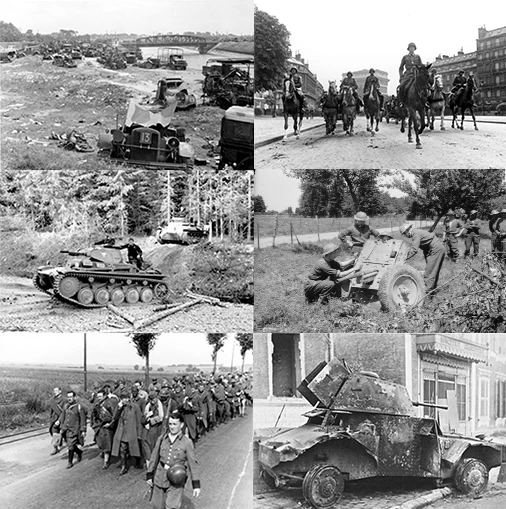
The Empire — Vichy or de Gaulle
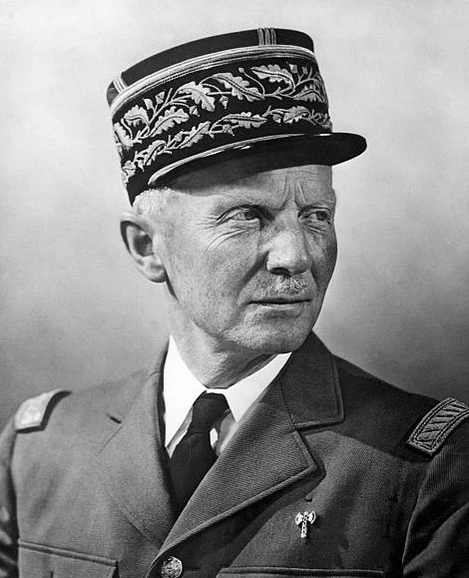
Huntziger in Foch's Carriage — 22 June
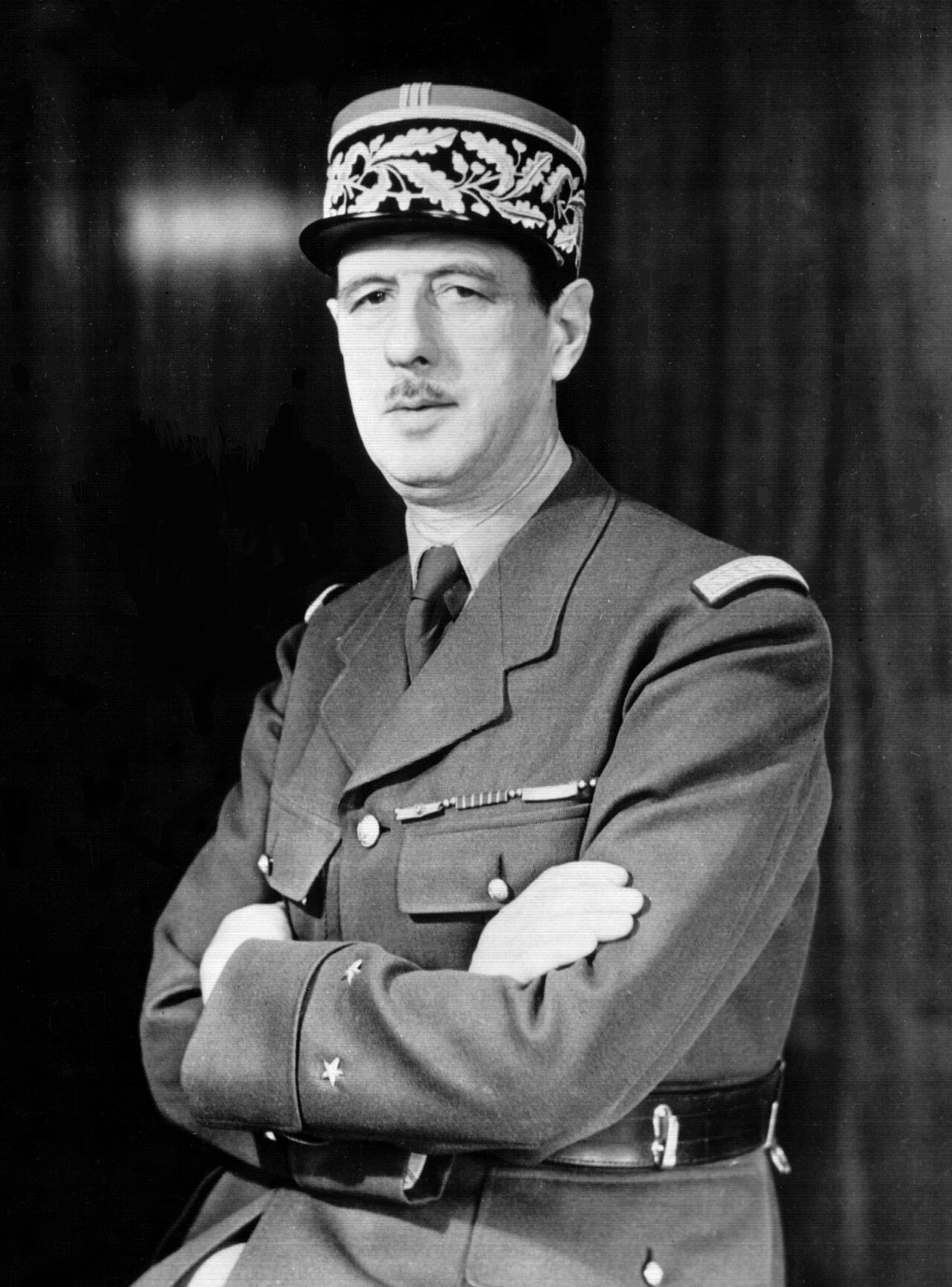
Mérignac — de Gaulle and Spears's aircraft
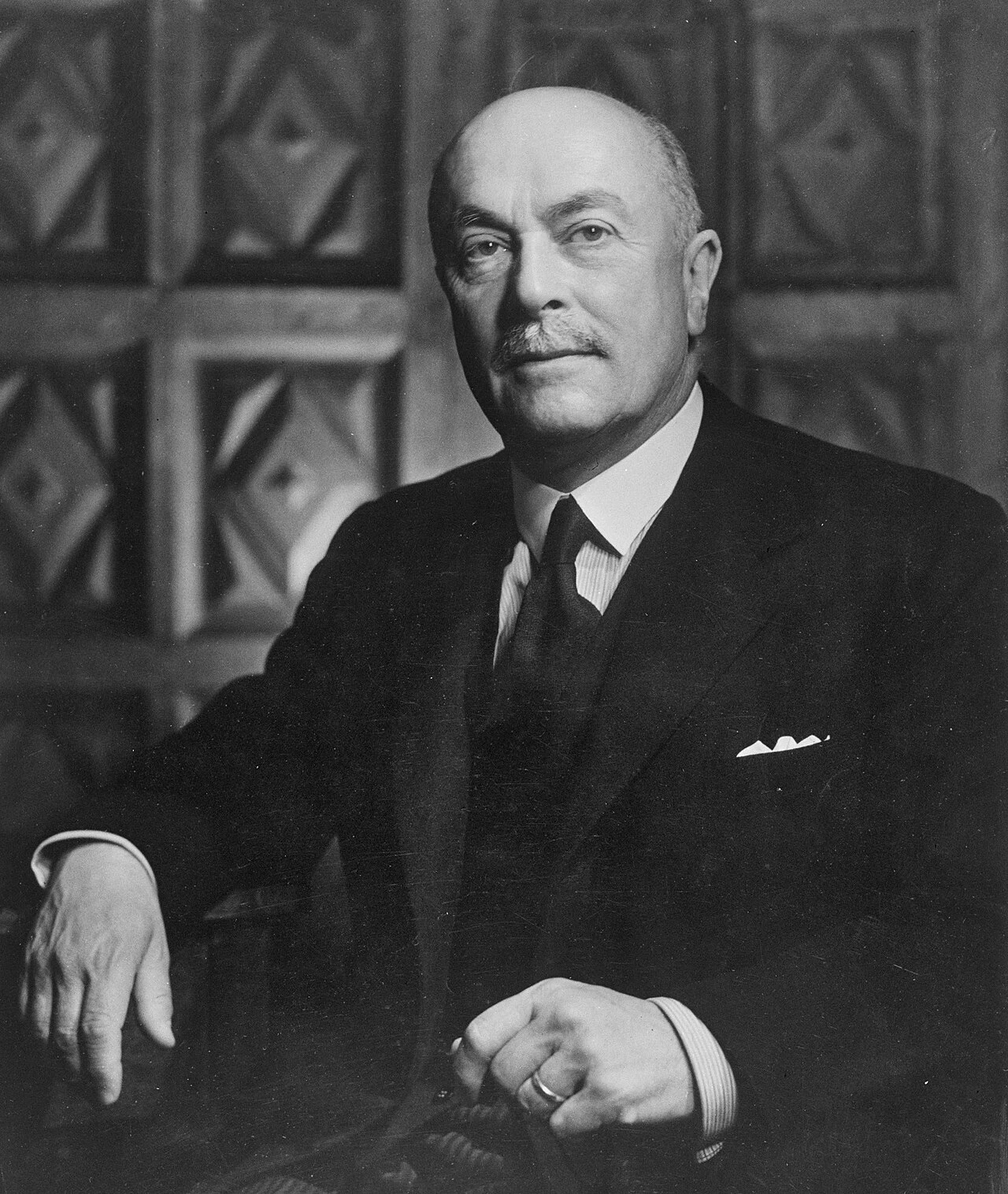
Pierlot at Limoges — from where to carry on?
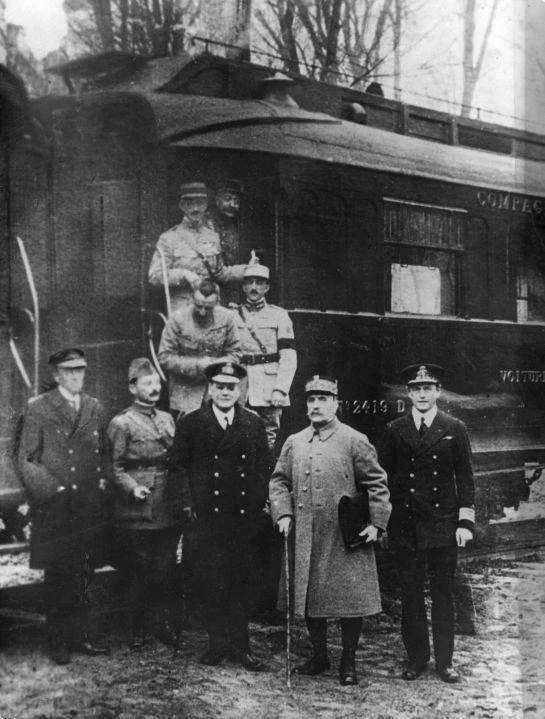
Rethondes — Article 8 on the Fleet
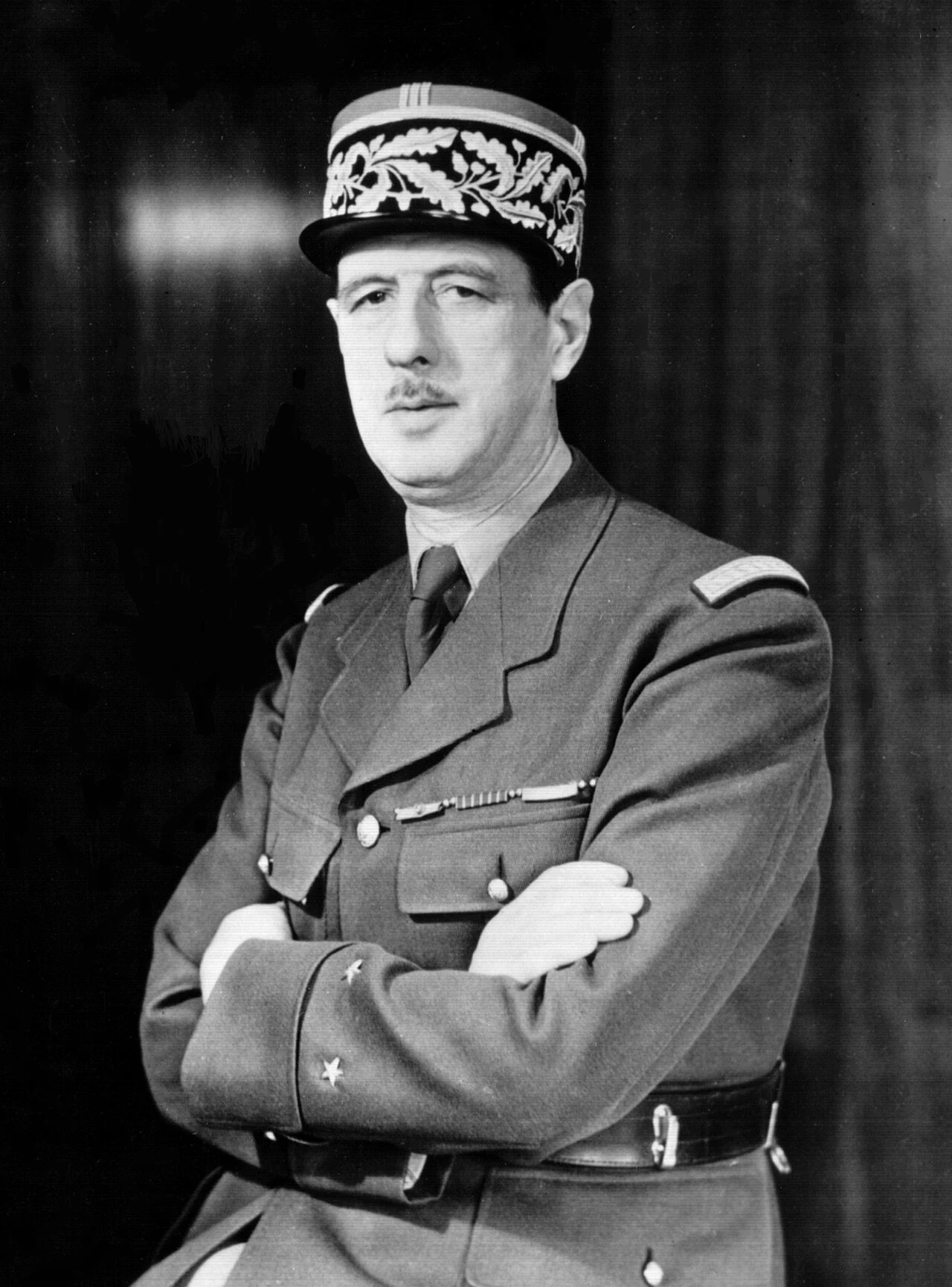
The Franco-British union — 16 June
"The Fighting Must Cease"
Reynaud or Pétain — Carry On or the Armistice
Daladier asked to leave the War Ministry
Dunkirk: should the French be saved alongside the British?
The Empire — Vichy or de Gaulle
Huntziger in Foch's Carriage — 22 June
Mérignac — de Gaulle and Spears's aircraft
Pierlot at Limoges — from where to carry on?
Rethondes — Article 8 on the Fleet