
After the guarantee given to Poland, the United Kingdom and France enter into talks with the USSR to build a common front against Germany. On paper, an alliance of the three powers would encircle the Reich and deter it from attacking in the East.
But the negotiations snag. Several fault lines run through the Western camp: the military value of the , weakened by the purges, is in doubt; communism inspires a long-standing wariness in part of the ruling class. Above all, Moscow demands guarantees against an 'indirect aggression' targeting the Baltic States, a notion the Soviets want drawn broadly and whose consequences for the sovereignty of small states divide London and Paris. Stalin, for his part, suspects the Western powers of wanting to push him alone into combat against Germany.
The dilemma is clear for London. Should it pursue the Soviet alliance without reservation, by dispatching a high-ranking negotiator to Moscow and conceding the guarantees demanded by Stalin? Conduct these talks with caution and slowness, limiting the rank of the emissaries? Or give up on the USSR to rely only on Poland and the West? Time is pressing, and Berlin is watching.
Should London seek the Soviet alliance without reservation, or pursue it half-heartedly out of distrust?
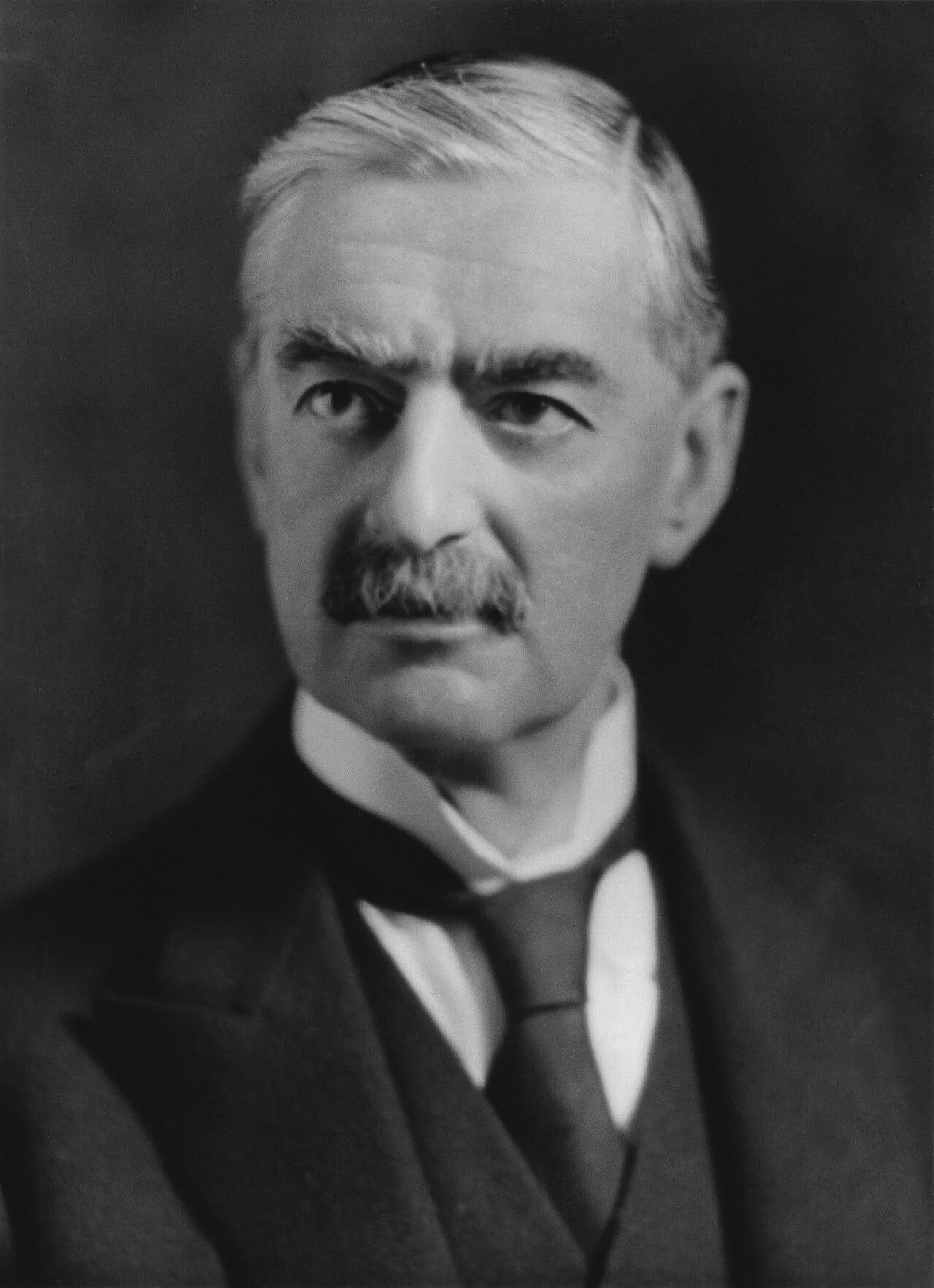
The British government chooses B: it pursues the negotiations without conviction or speed, sends second-rank diplomats to Moscow, and refuses to concede on the question of the Baltic States. Chamberlain deeply distrusted communism and doubted the military value of the . This lukewarmness, combined with mutual distrust, convinces Stalin that the Western powers do not want — or cannot — offer him the security he is seeking. While the talks stall, Molotov keeps the other door open, the one to Berlin. Western slowness in the summer of 1939 ranks among the factors that will make the reversal of alliances in August possible. On the Soviet side, this lukewarmness feeds the conviction that only an accord with Berlin would offer security and immediate gains.
Learn more about this event
Related polls
10
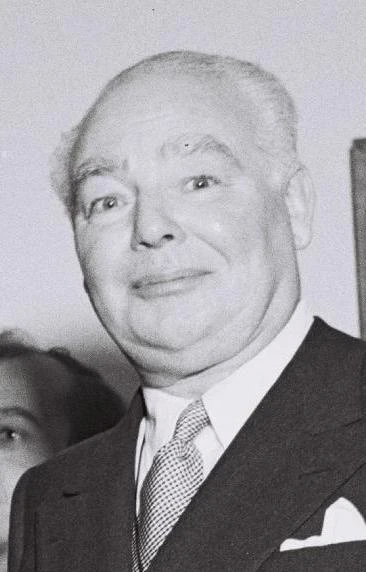
The Military Training Act
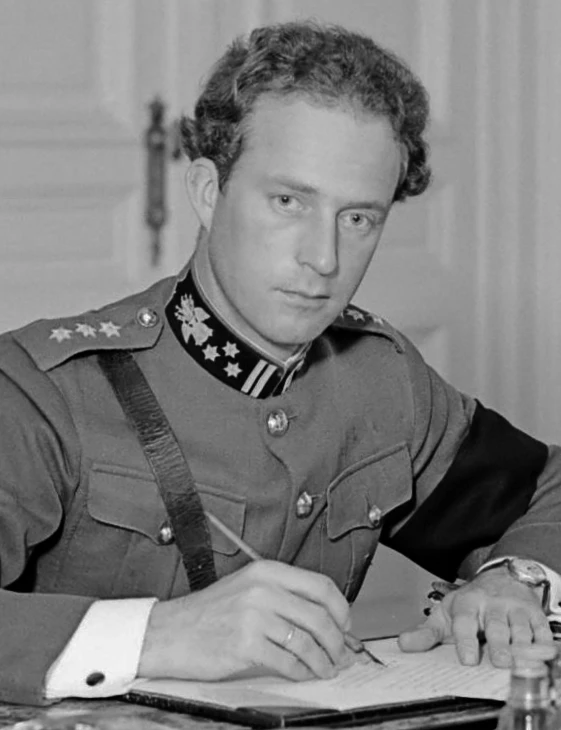
Brussels, September 1939: a small country's tightrope walk
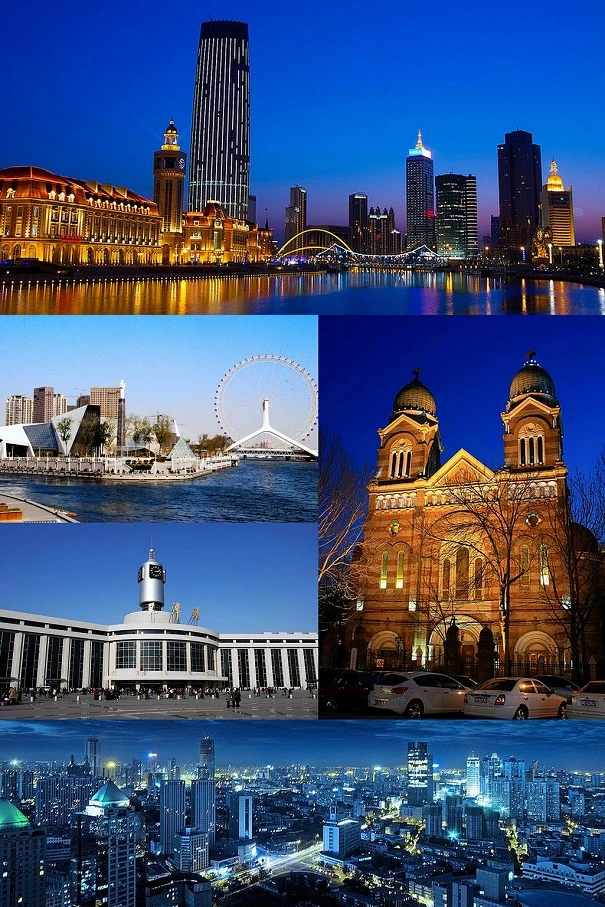
The Tientsin Incident
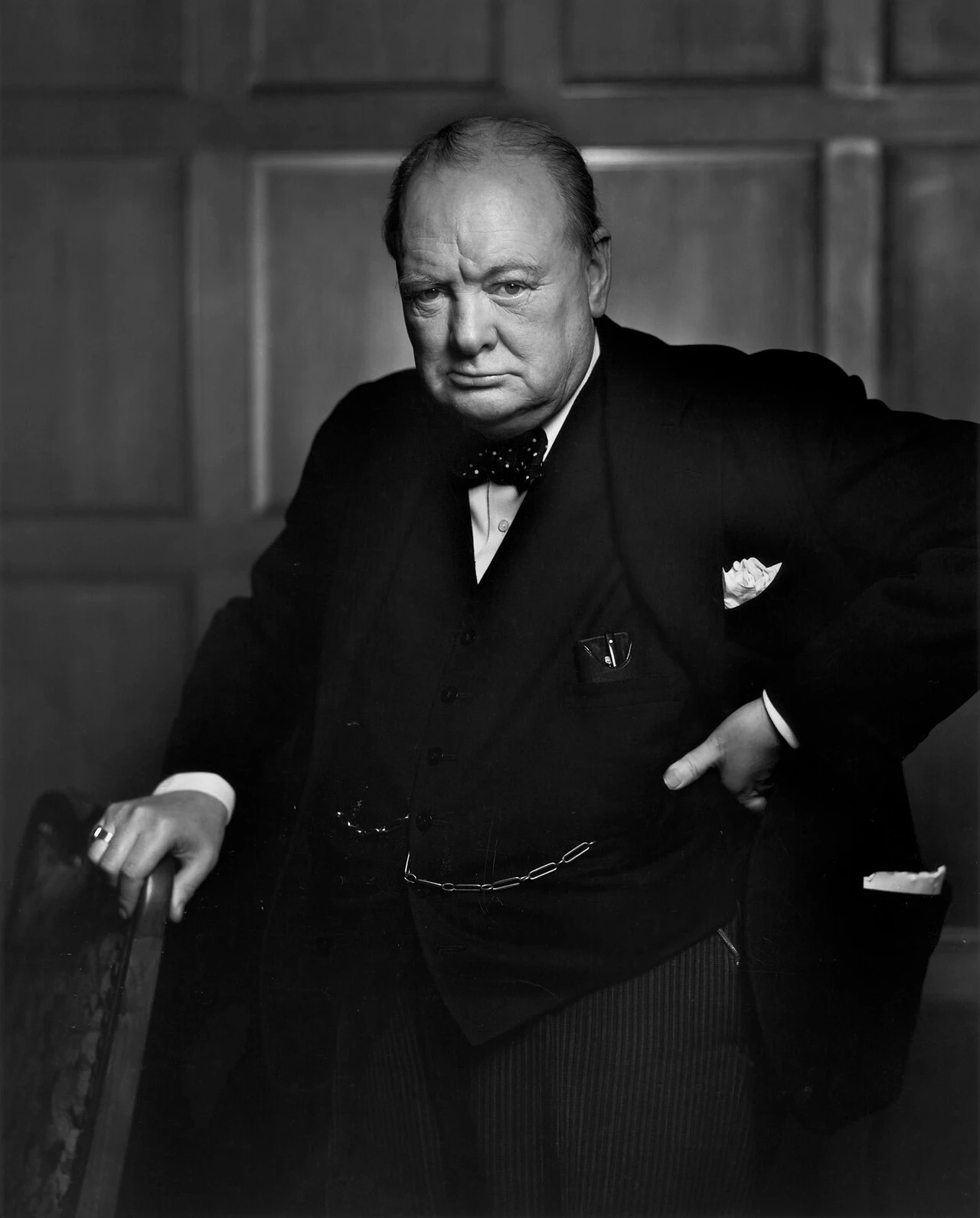
Auchinleck replaces Wavell
Neutral Belgium — let the Allies in?
The War Cabinet — Negotiate or Carry On
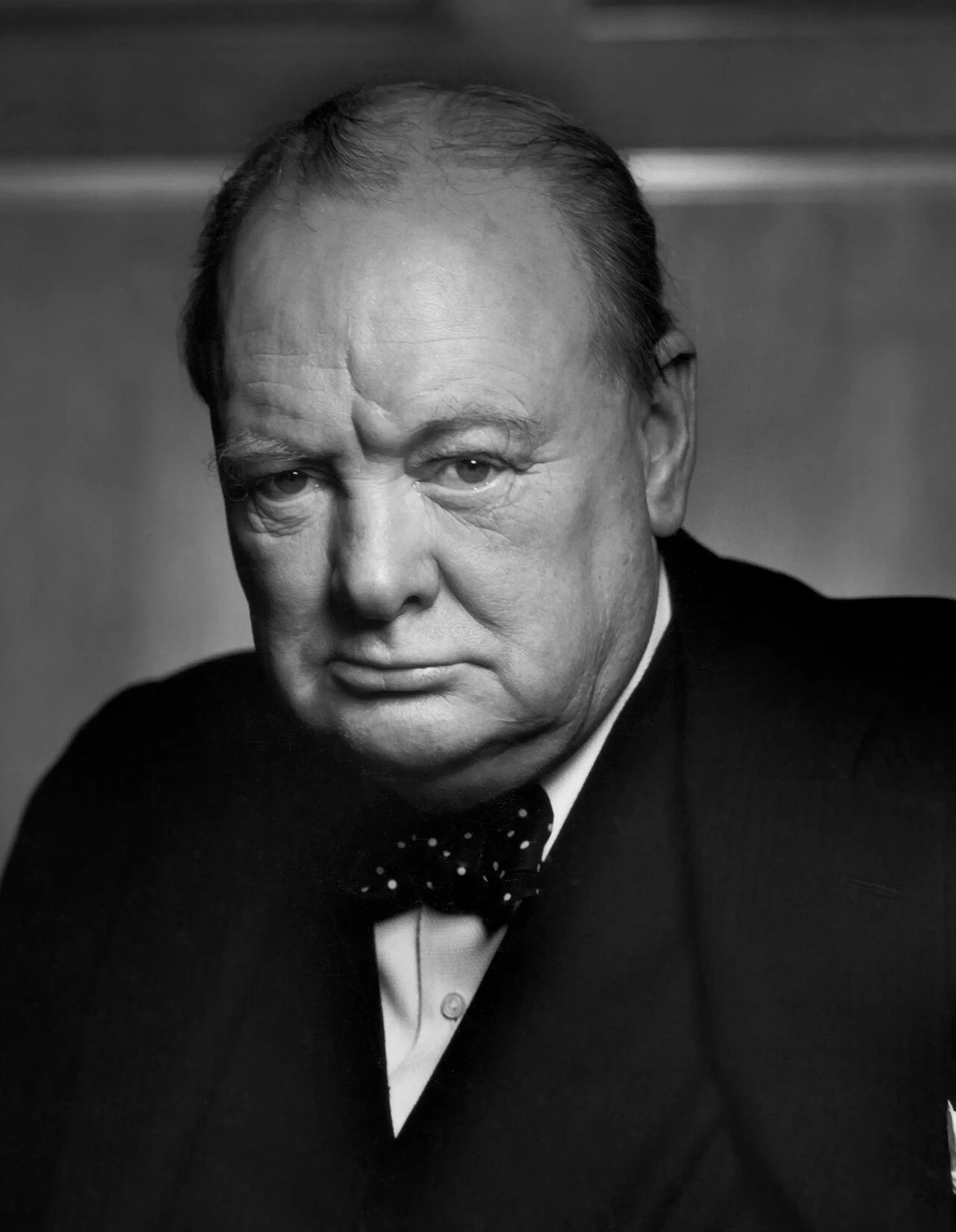
Churchill and the ultimatum on the Burma Road
War council — leave central Norway?
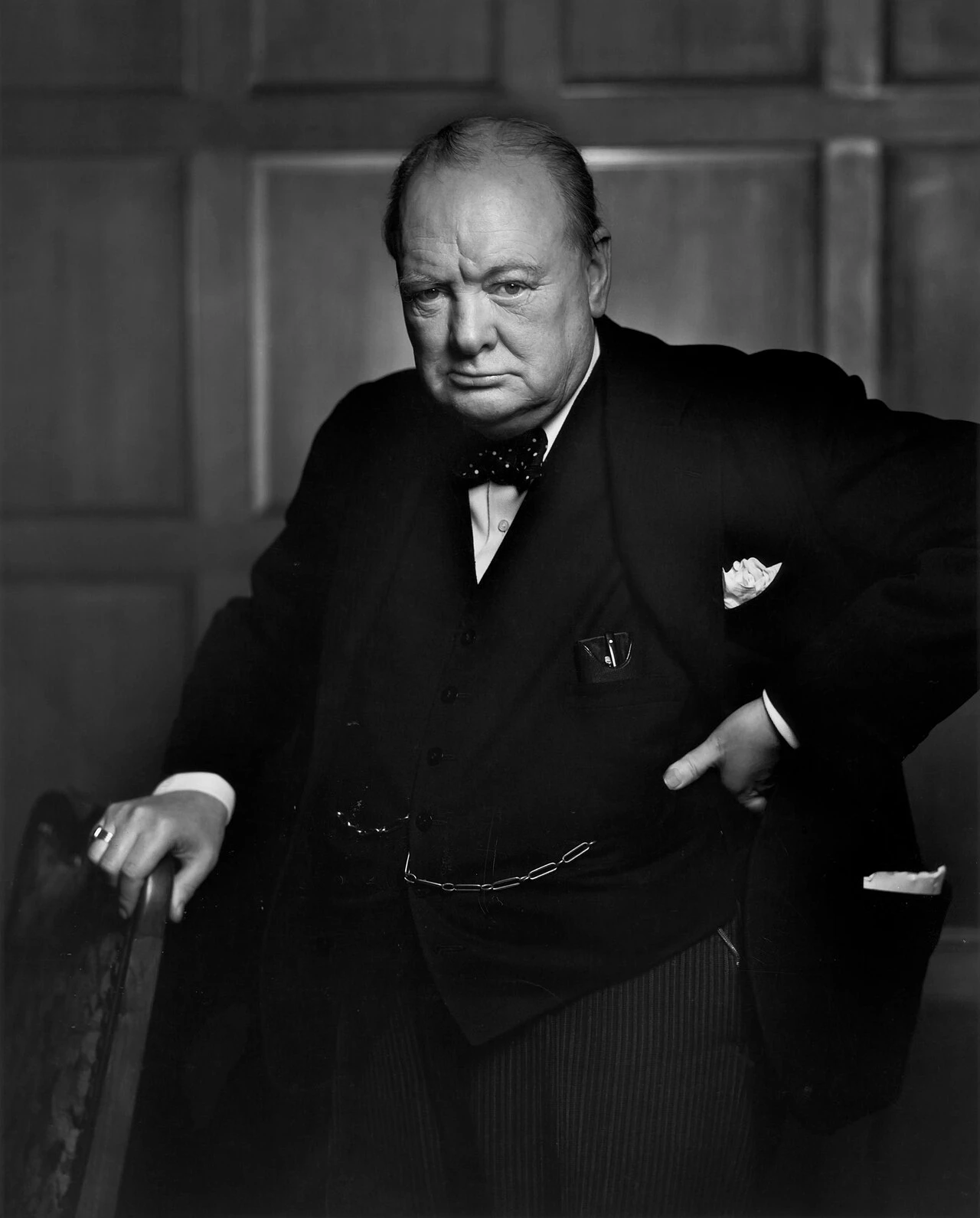
Dunkirk: should the French be saved alongside the British?
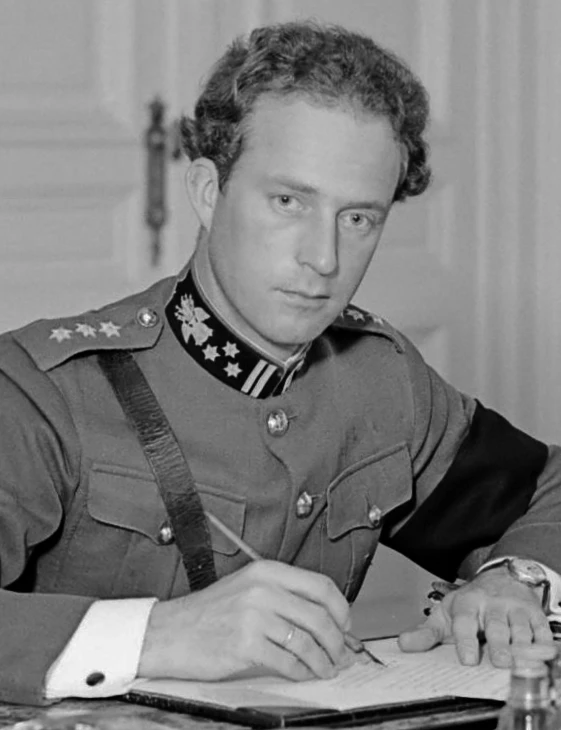
Leopold III takes command
The Military Training Act
Brussels, September 1939: a small country's tightrope walk
The Tientsin Incident
Auchinleck replaces Wavell
Neutral Belgium — let the Allies in?
The War Cabinet — Negotiate or Carry On
Churchill and the ultimatum on the Burma Road
War council — leave central Norway?
Dunkirk: should the French be saved alongside the British?