
Jewel of the British Empire, India then numbers more than 350 million inhabitants and provides an immense reserve of men and resources. But the national movement, carried by the Congress of Gandhi and Nehru, demands independence and tolerates British domination less and less.
In the summer of 1939, the prospect of a European war poses a dilemma to the Indian leaders. The Viceroy, London's representative, can commit India to war without even consulting the Indian elected representatives — which appears as a humiliation and a denial of the country's aspirations.
The Congress must define its line. To support the British war effort against fascism, which it abhors, but demanding in return a firm promise of independence? To refuse all cooperation as long as independence is not granted, at the risk of appearing to serve the Axis? Or to launch a mass agitation to take advantage of London's weakening? Gandhi, attached to non-violence, and Nehru, viscerally anti-fascist, must reconcile morality, strategy and national impatience. The line the Congress chooses will involve not only India's war effort, but the very future of the bond between the subcontinent and the Empire.
Should the Congress support the British war effort, or make it the lever of a demand for independence?
The Congress moves towards A, which slides towards B: it conditions all support on a clear commitment from London on independence. When, in September 1939, the Viceroy declares India at war without consultation, the indignation is keen; for lack of a satisfactory response from London, the provincial ministries led by the Congress resign in November 1939. Gandhi, out of non-violent conviction, refuses to exploit British distress cynically, but the gulf widens. The dispute will culminate in 1942 with the 'Quit India' movement. The Congress's attitude in 1939 lays the markers on the march towards independence.
Learn more about this event
Related polls
10
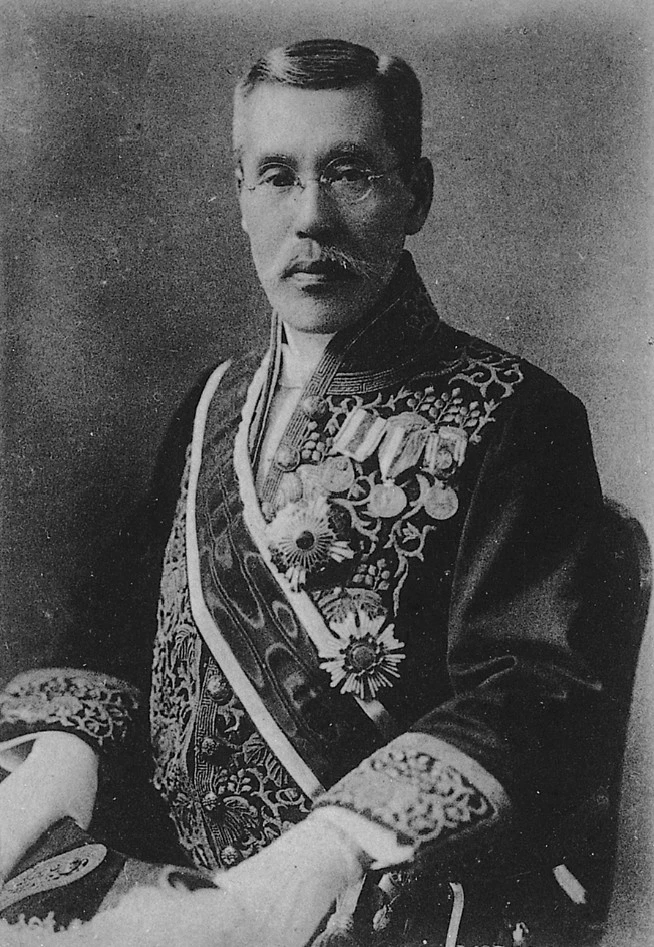
Japan Disoriented
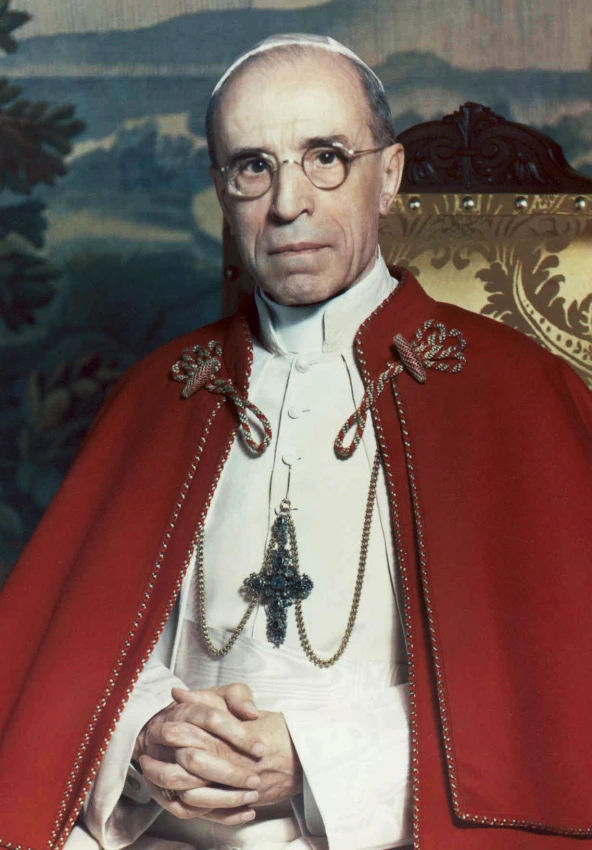
The Anglo-Polish Alliance
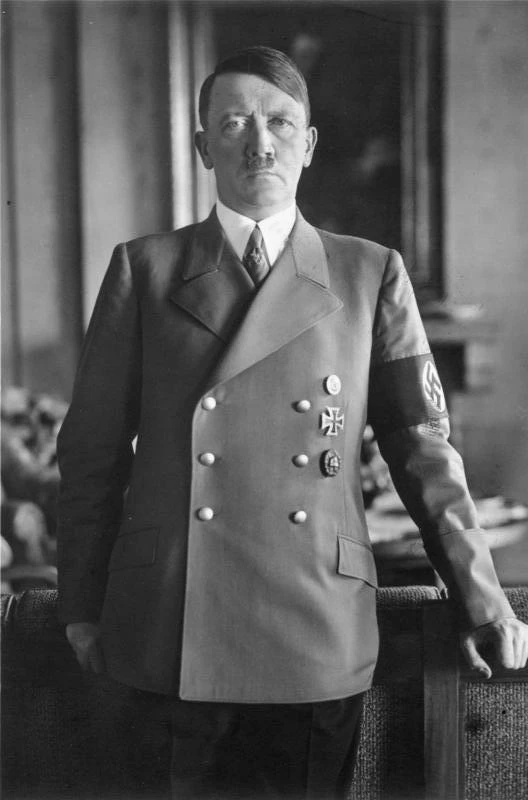
The Obersalzberg Speech
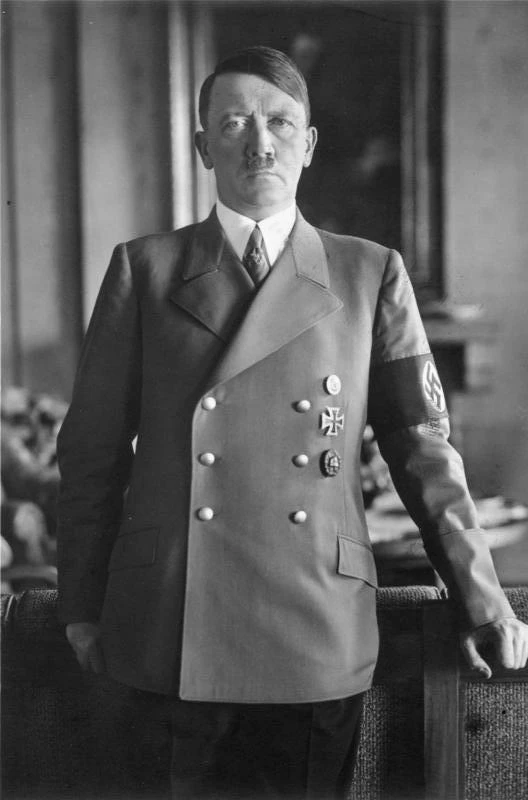
Hitler Postpones Fall Weiss
Chongqing's Strategic Ore
The Karten: Rationing Germany at War
Mussolini Backs Away
The Nazi-Soviet Pact
Turkey Draws Closer to the Allies
AB Aktion — planning at the Wawel
Japan Disoriented
The Anglo-Polish Alliance
The Obersalzberg Speech
Hitler Postpones Fall Weiss
Chongqing's Strategic Ore
The Karten: Rationing Germany at War
Mussolini Backs Away
The Nazi-Soviet Pact
Turkey Draws Closer to the Allies