
Monthermé — Portzert in the Meuse loop
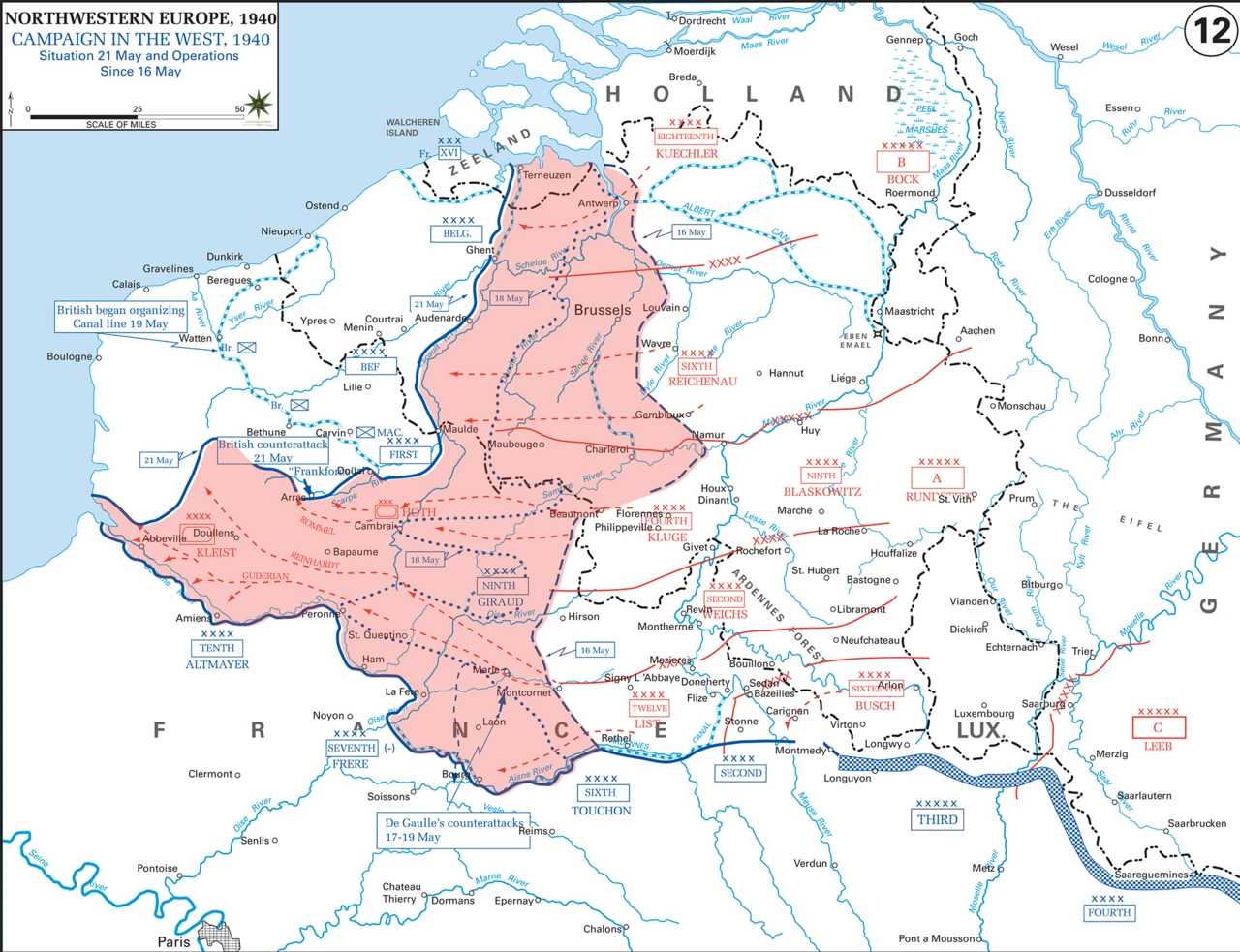
Forty miles north of Sedan, the Monthermé sector — a narrow loop of the Meuse known as the "Pointe de Mouton," in the French Ardennes — was defended by Colonel 's 102e Demi-brigade d'Infanterie de Forteresse. Portzert was 48. His means were meagre: about 1,800 men, eight Hotchkiss machine guns, four 25 mm anti-tank guns. But the terrain, dominated by a 260-foot cliff on the west bank, clearly favoured the defender.
Opposite advanced Kempf's , the spearhead of Reinhardt's corps, with more than 200 tanks and its motorised infantry. On 13 May at 14:00, the Stukas pounded Monthermé; around 15:00, the first German infiltrations crossed the river in rubber boats. But the bottleneck was so narrow that by the evening of 13 May the Germans had only just under a mile and a half of depth on the west bank.
On 14 May, while Huntziger recalled the 3e DCr toward Stonne and no reinforcement arrived, Portzert weighed what came next: hold with his 1,800 men or ask to be relieved.
Hold without reinforcement on this favourable ground, ask to be relieved, or fall back on the Aisne?
Portzert applied A. He held. For some sixty hours, from 13 May at 14:00 to the evening of 15 May, the pinned the in the Monthermé loop and inflicted losses — several tanks destroyed — for about 200 French dead. Reinhardt accumulated a delay of about 36 hours on the Sichelschnitt timetable, a considerable delay given the race to the sea. But on the evening of 15 May Kempf finally broke through the second line: the , encircled, was captured almost in its entirety, and Portzert taken prisoner. He would survive five years of captivity in Oflag IV-D and die in 1968; a monument honours him at Monthermé. Historians often cite this stand as proof that a tenacious static defence on good ground could slow the Panzers — a lesson the French high command failed to exploit.
Learn more about this event
Related polls
10
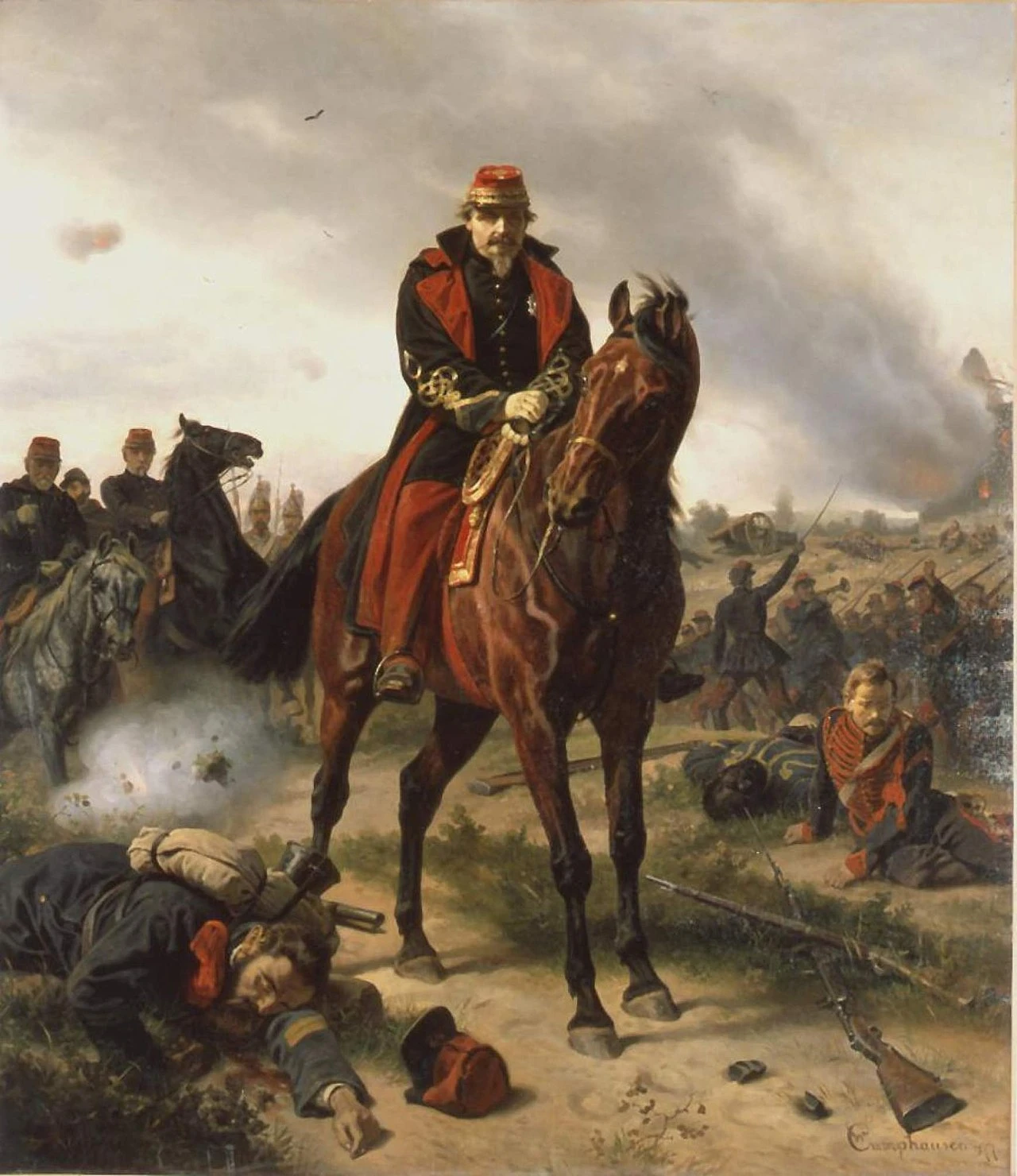
Bulson — Lafontaine and the 02:00 rumour
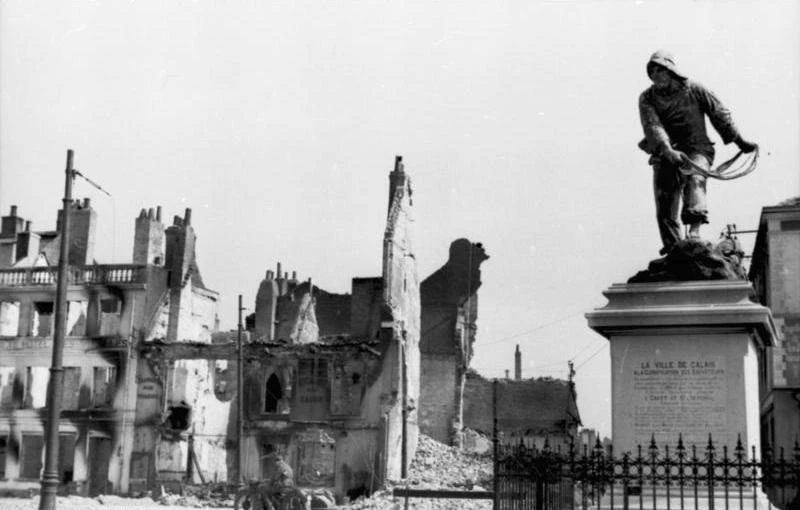
Calais — Nicholson facing the ultimatum
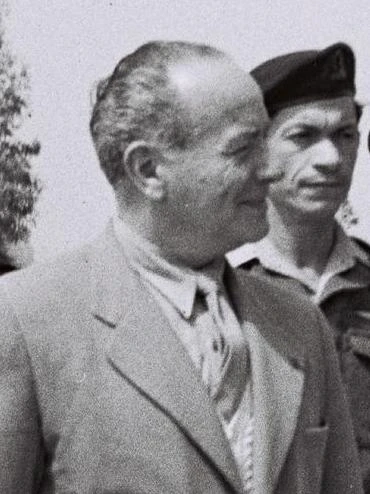
Stonne — Billotte facing the Panzer column
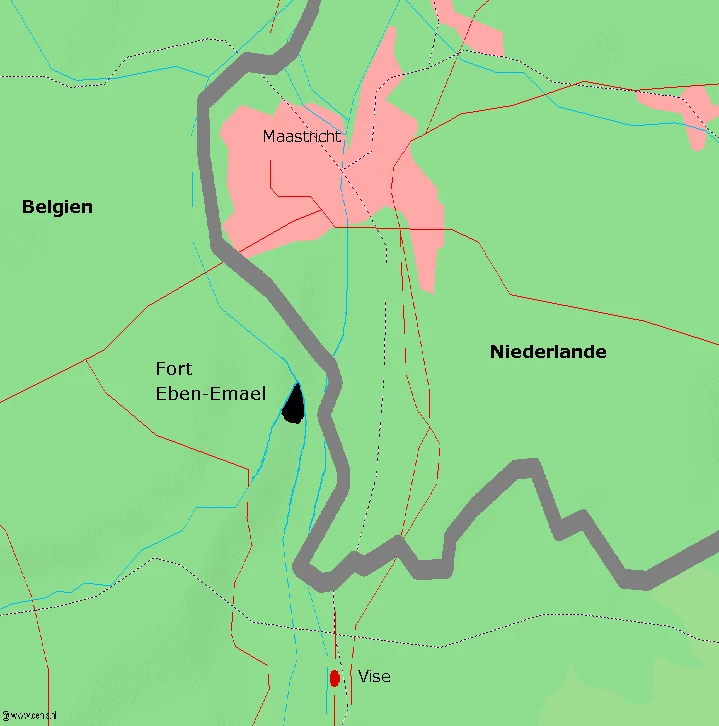
Eben-Emael — Jottrand under the explosions
Boulogne — Fox-Pitt and the Guards facing the port
The Defence of Boulogne
Gort at Habarcq — trust in the French plan
Huntziger over the Sedan reports — 13 May
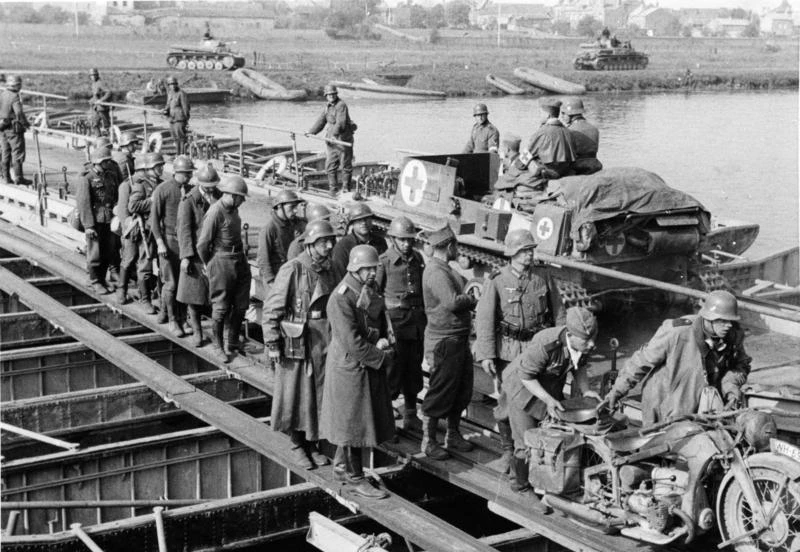
The panic of Bulson
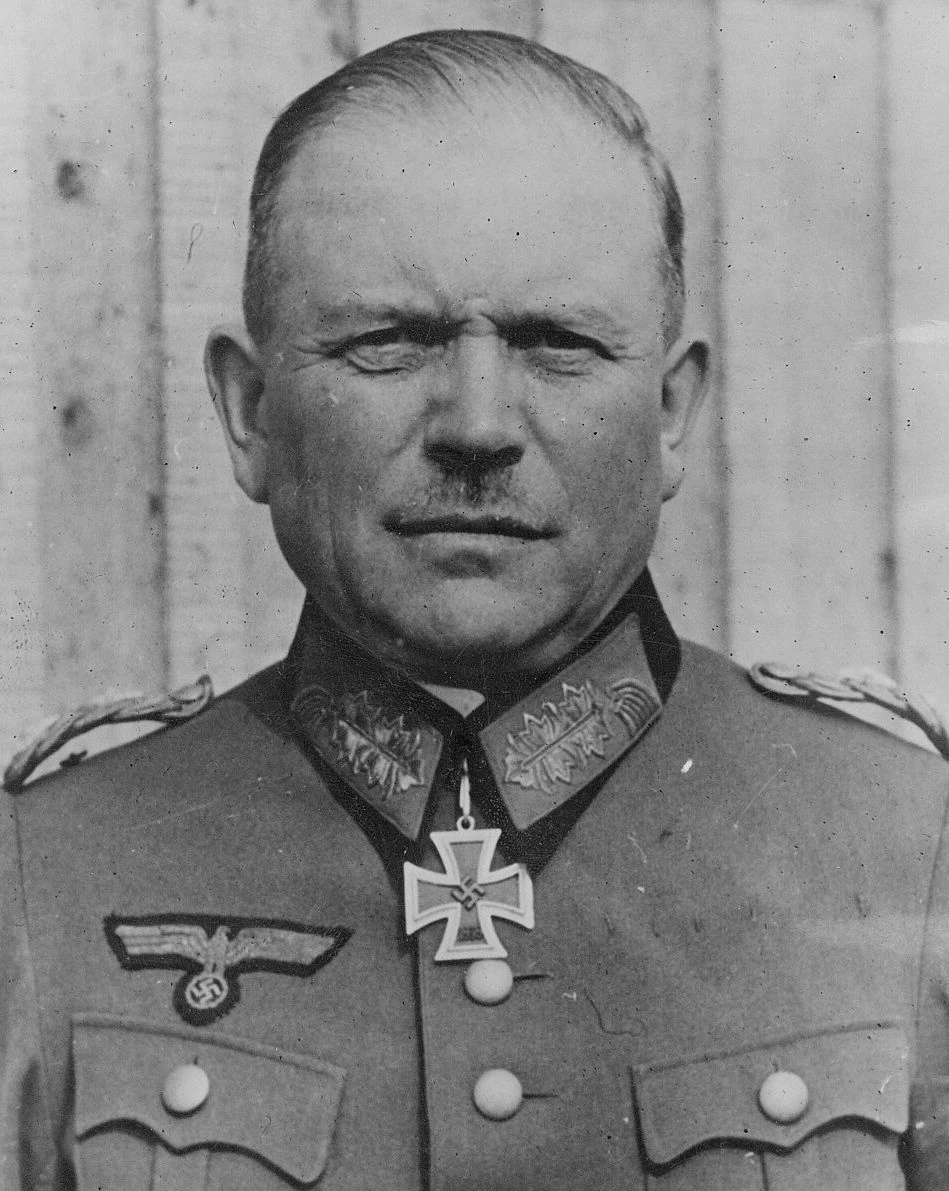
Brześć — Plisowski faces Guderian
Bulson — Lafontaine and the 02:00 rumour
Calais — Nicholson facing the ultimatum
Stonne — Billotte facing the Panzer column
Eben-Emael — Jottrand under the explosions
Boulogne — Fox-Pitt and the Guards facing the port
The Defence of Boulogne
Gort at Habarcq — trust in the French plan
Huntziger over the Sedan reports — 13 May
The panic of Bulson