
Citroën under the Occupation: the boss faces German orders
In the summer of 1940, France signs the armistice and Citroën's factories on the Quai de Javel pass under German control. The occupier demands that the assembly lines start running again to supply trucks to the Wehrmacht.
, who has led the company since 1935, knows that an outright refusal would expose his workers to reprisals and risk the total requisition of the industrial plant. But supplying reliable vehicles to the German army is repugnant to him.
He must choose between submitting, shutting up shop, or finding a roundabout way.
Ordered to produce trucks for the Wehrmacht, what course of action does Boulanger adopt for his factory?
Boulanger chose collaboration on the surface coupled with discreet sabotage. He deliberately slowed the production rates and, above all, ordered that the oil-level mark on the dipsticks of the trucks destined for the Wehrmacht be moved lower: the engines thus ran short of oil and eventually broke down, without the German mechanics spotting the anomaly. His name appeared on a German blacklist of "enemies of the Reich" to be arrested.
Learn more about this event
Related polls
10
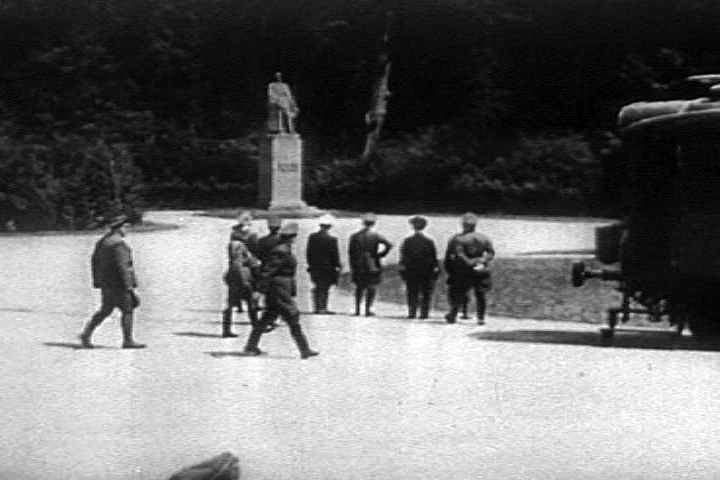
The weapons of the armistice — a secret beneath the table at Wiesbaden
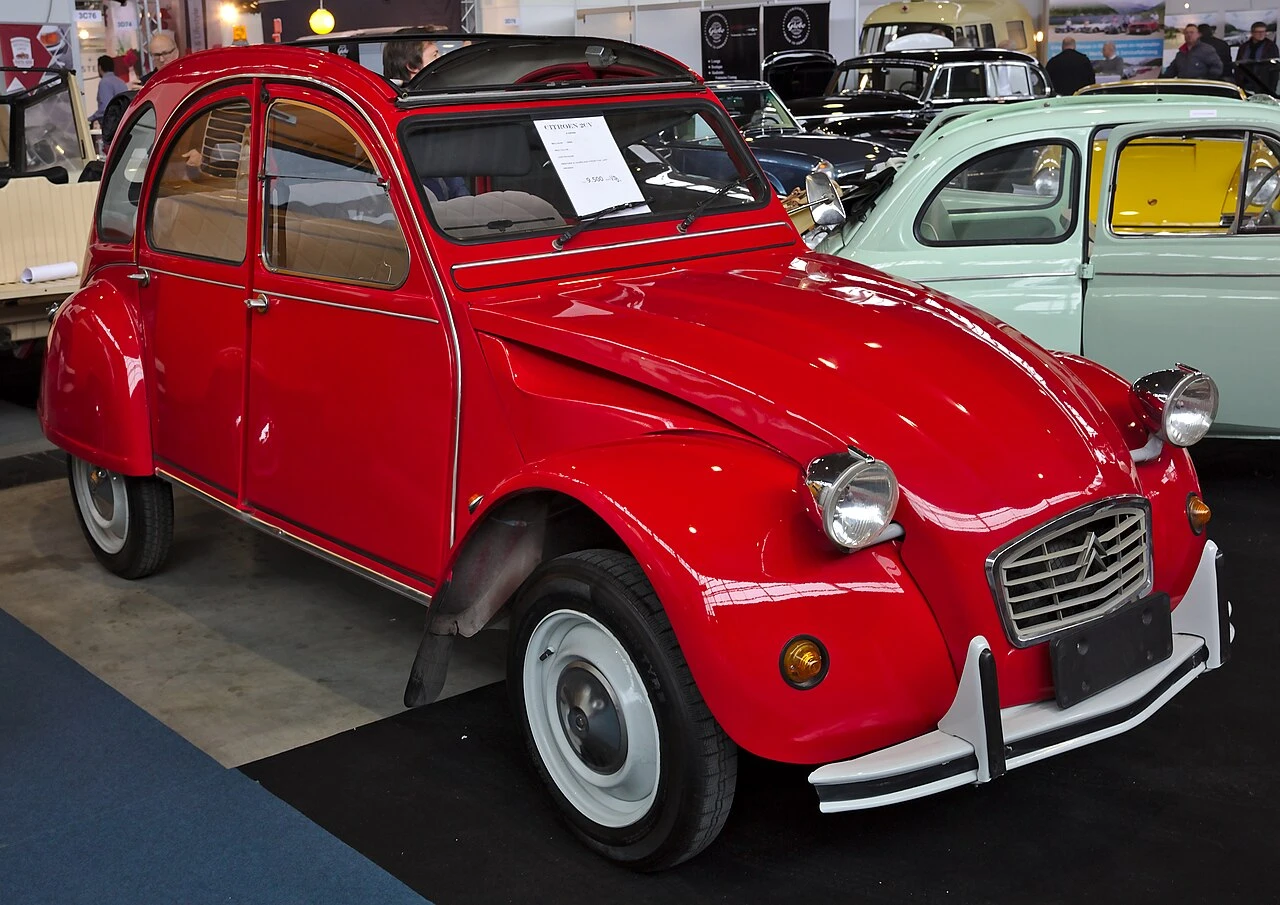
Citroën, the occupier and the secret little car
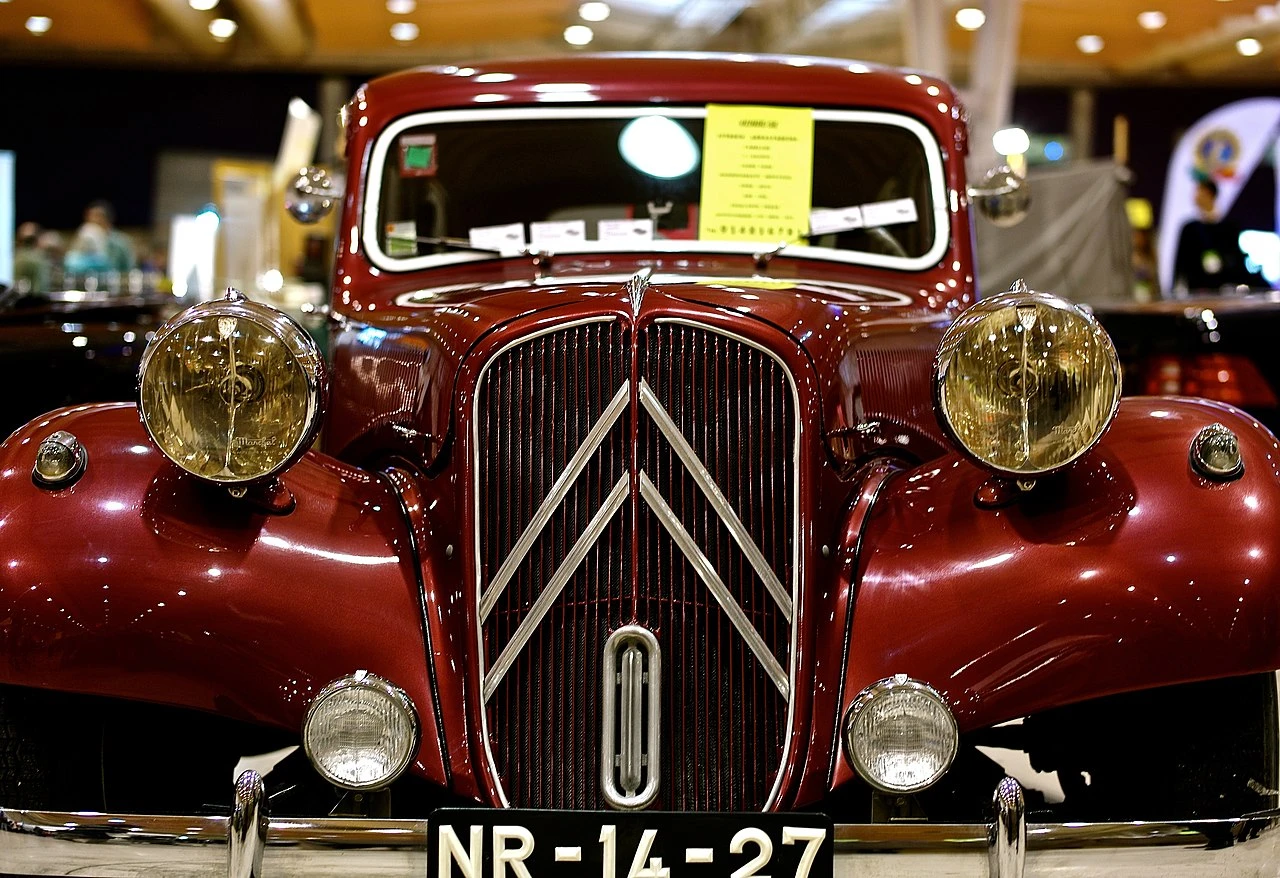
Boulanger and the Reich's trucks
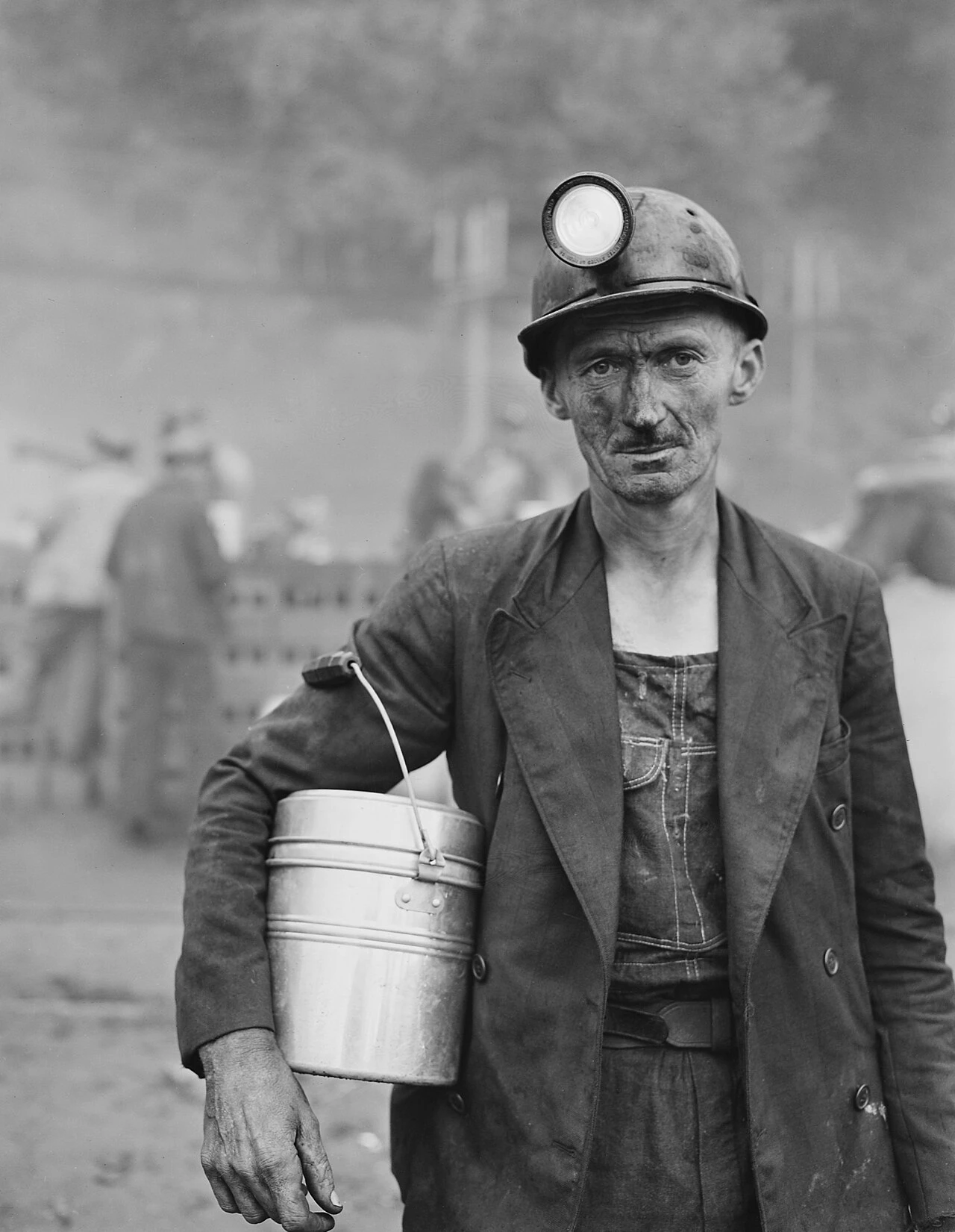
At the Dahomey pit, the morning of team-rate pay
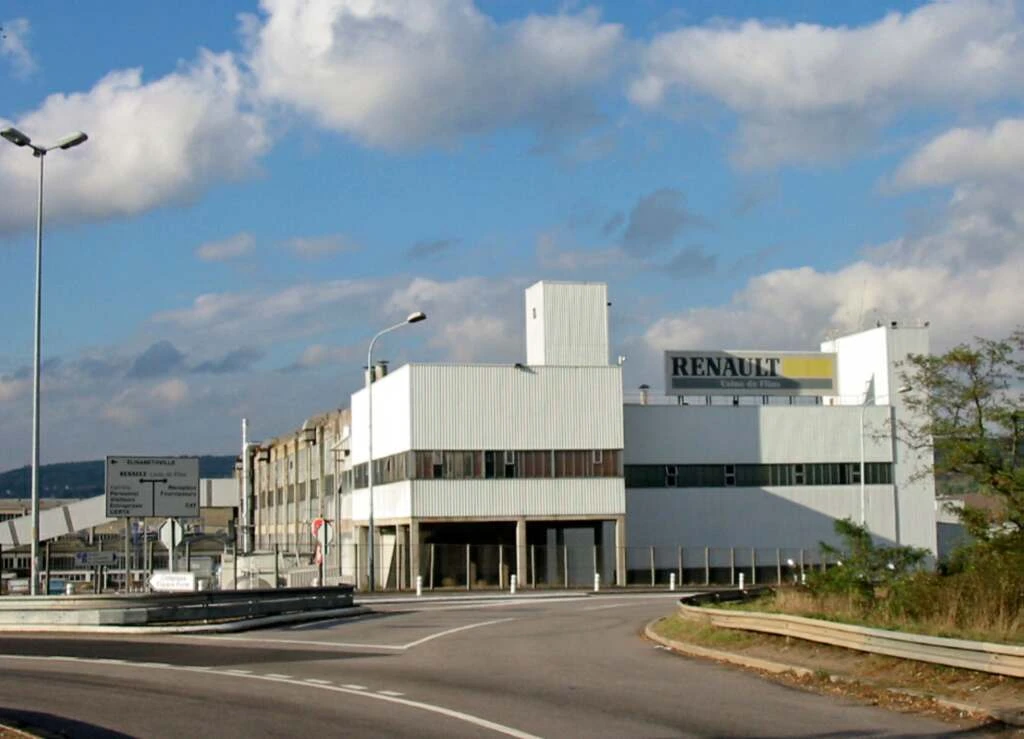
Billancourt under threat: the old boss and his machines
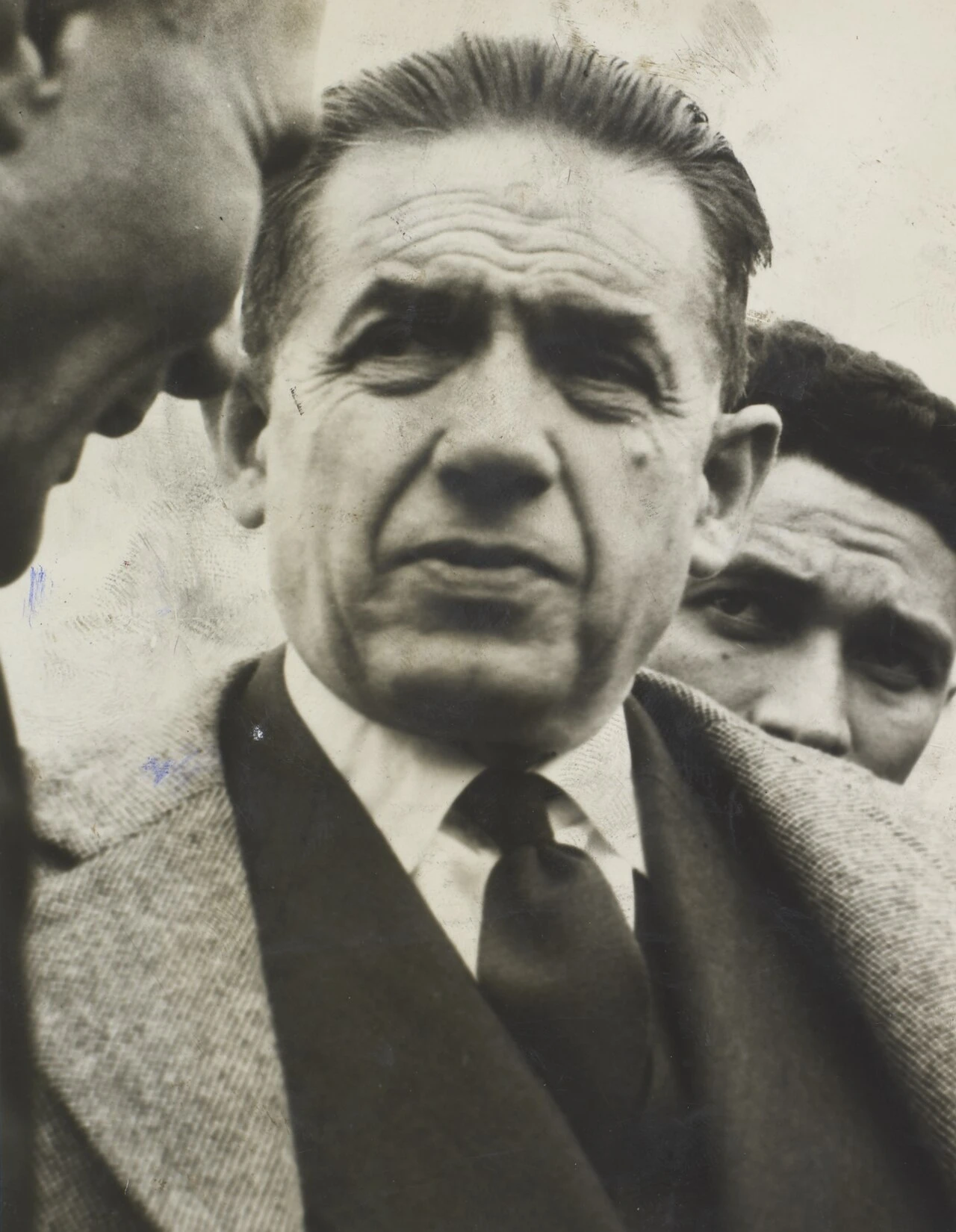
Edmond Michelet — Brive leaflet, 18 June
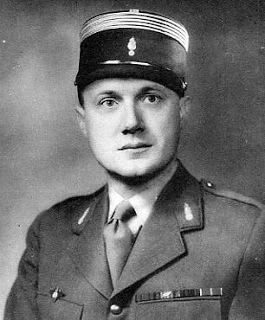
Gilbert Renault — the road to London
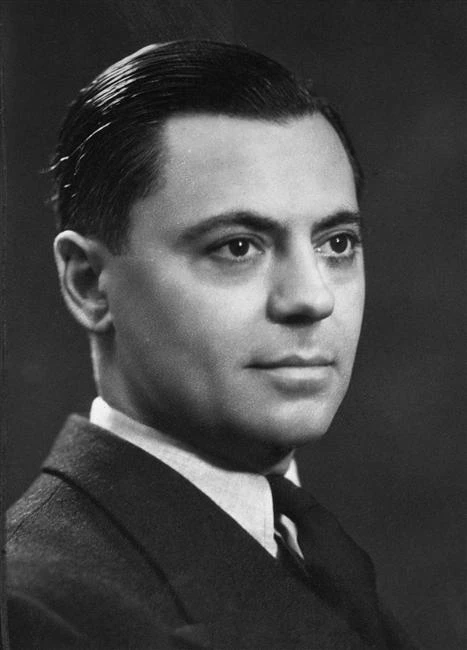
Jean Moulin — Chartres, 17 June
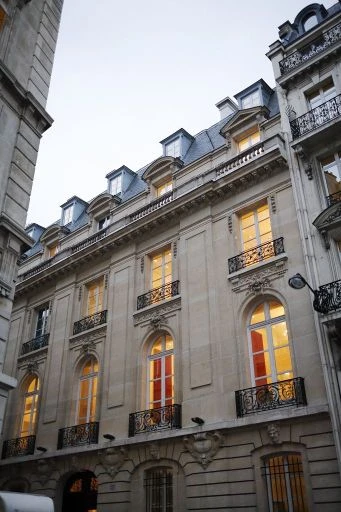
Le Creusot Faces the Wehrmacht — the Forges in the Hour of the Exodus
The head of Gnome et Rhône facing the vise of June 1940
The weapons of the armistice — a secret beneath the table at Wiesbaden
Citroën, the occupier and the secret little car
Boulanger and the Reich's trucks
At the Dahomey pit, the morning of team-rate pay
Billancourt under threat: the old boss and his machines
Edmond Michelet — Brive leaflet, 18 June
Gilbert Renault — the road to London
Jean Moulin — Chartres, 17 June
Le Creusot Faces the Wehrmacht — the Forges in the Hour of the Exodus