
The return from the exodus
In the aftermath of the French surrender, the hundreds of thousands of Belgians who had taken to the roads in May found themselves stranded in France, often destitute, far from home, in a country itself occupied. Flight had offered no lasting refuge: Germany had overrun everything.
For these families, including yours, the question of returning arose. To remain in France meant staying in destitution, with no assured work or housing, dependent on an exhausted solidarity. To return to Belgium meant recovering one's house, land and employment, but under German administration, and after a long and uncertain journey home.
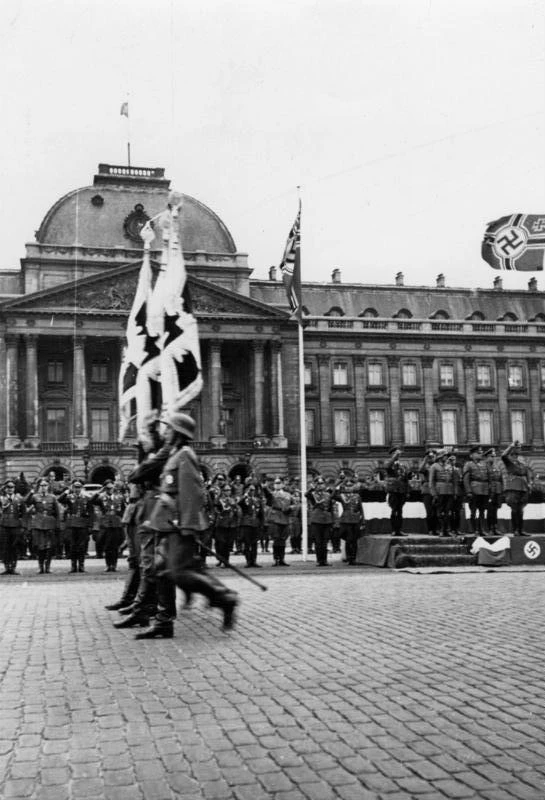
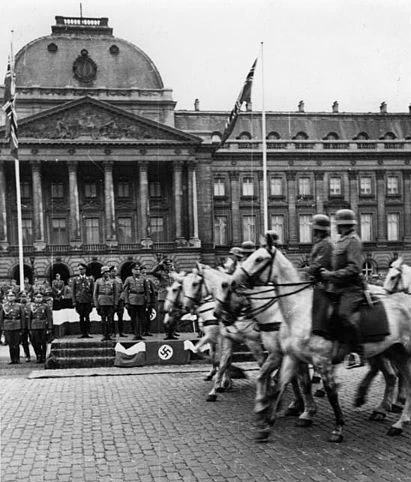
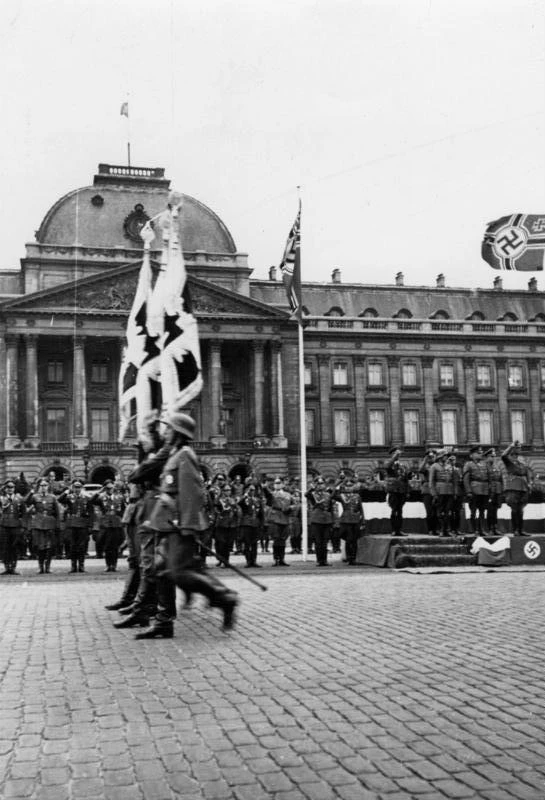
The German authorities, eager to put the country back to work, encouraged the refugees to return. You could return as quickly as possible to recover your home and resume a normal life under the occupation; remain in France in the hope of better days or a passage to England; or wait and watch before deciding. The choice would determine where your family would spend the years of occupation.
Should our refugee family return to occupied Belgium, remain in France, or wait?
The overwhelming majority chose A: from the summer of 1940, the great reflux brought almost all the Belgians home, encouraged by the occupier who wanted to revive the economy. They returned to a country under German military administration, where they had to take up work again, contend with rationing and the occupier. The exodus and the return left a feeling of humiliation and futility — everything had been abandoned for nothing — that would lastingly mark the memory of May–June 1940. A few, refusing the occupation, would choose exile or the Resistance.
Learn more about this event
Related polls
10
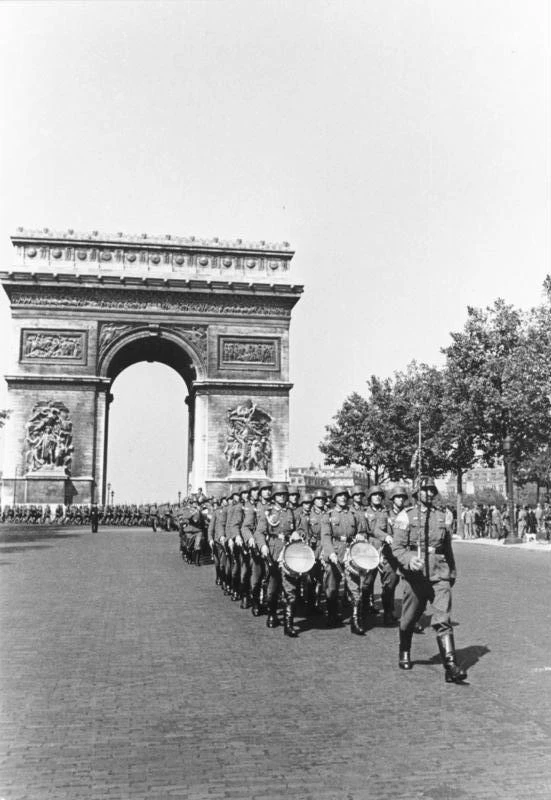
The Press under German Control

The burgomaster faced with requisitions
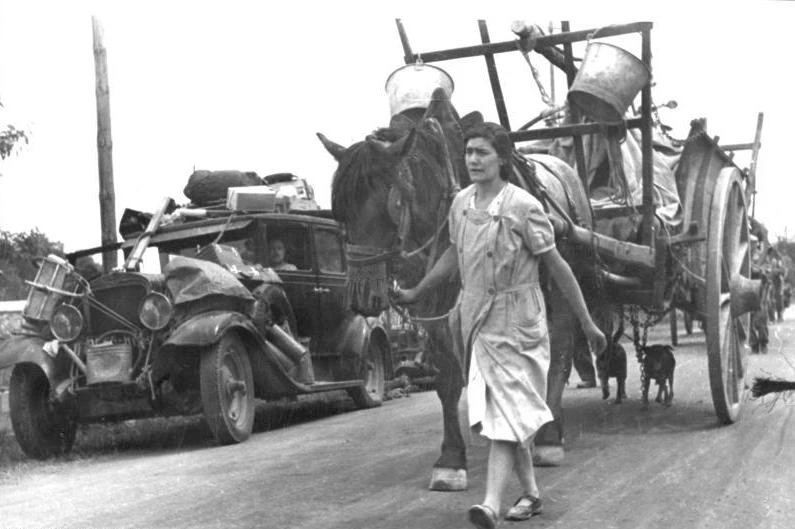
The exodus — flee or stay
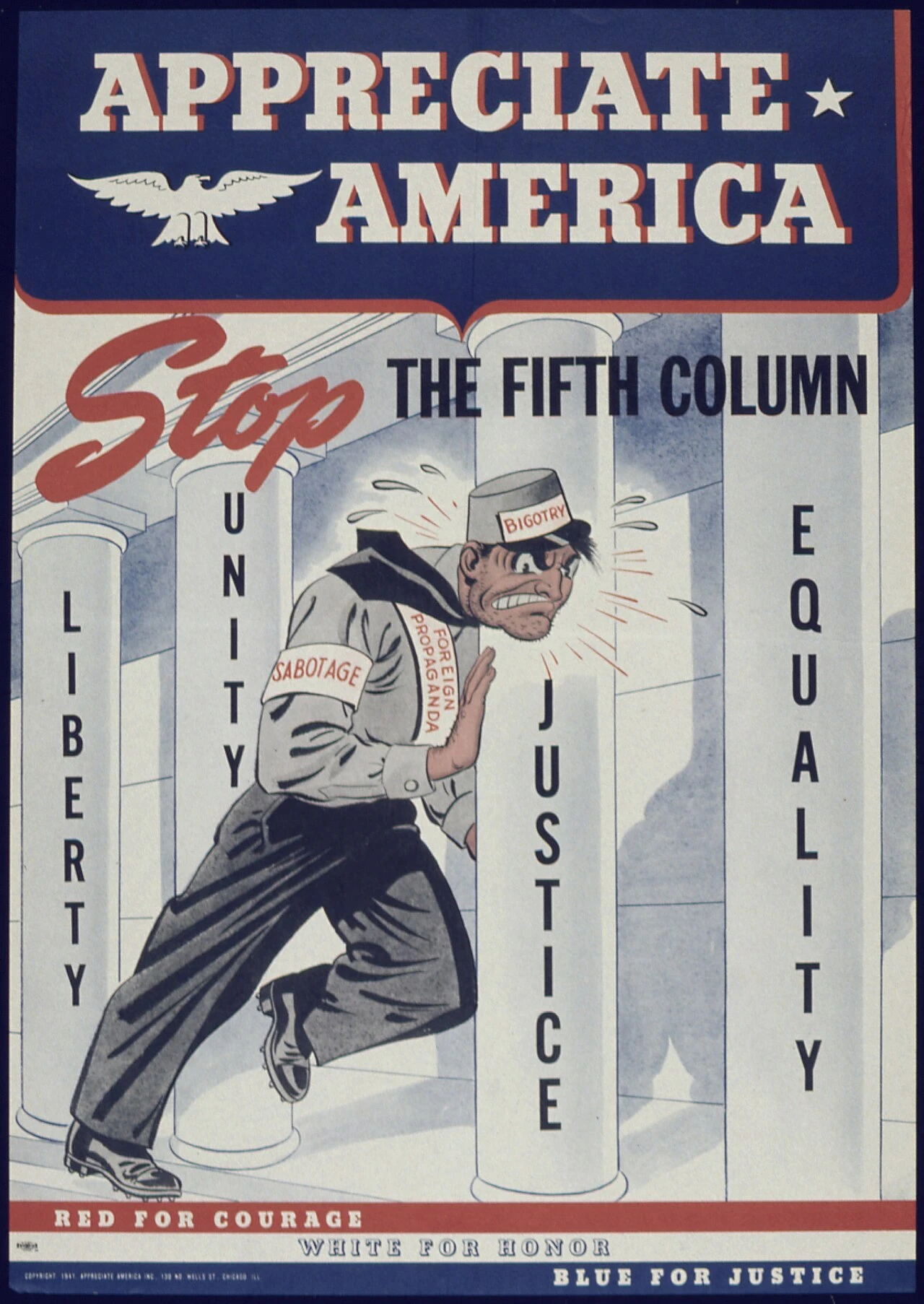
The fifth-column psychosis
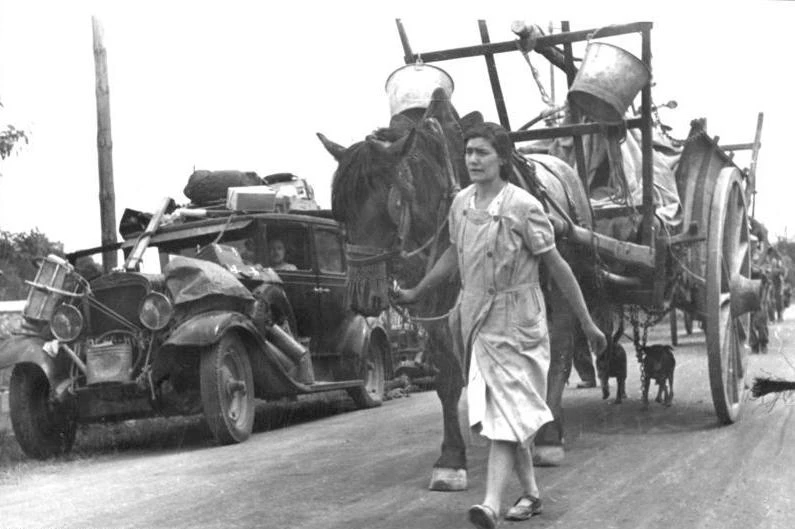
The Repatriation of the Refugees
Rebuild or Wait
Going back to work under the occupier
The Isolated Soldier after the Capitulation
Under the bombs — the Belgian towns
The Red Cross and the Missing
The Press under German Control
The burgomaster faced with requisitions
The exodus — flee or stay
The fifth-column psychosis
The Repatriation of the Refugees
Rebuild or Wait
Going back to work under the occupier
The Isolated Soldier after the Capitulation
Under the bombs — the Belgian towns