
The weapons of the armistice — a secret beneath the table at Wiesbaden
June 1940. The armistice signed with Germany imposes control over the weapons, munitions, and war materiel kept in the unoccupied zone. German-Italian control commissions roam the free zone to inventory, monitor, and have these stockpiles neutralized.
Within the general staff, the officers in charge of materiel must decide: faithfully apply the clauses and hand over or destroy the declared armament, or else discreetly withdraw part of the stockpiles from the controllers' sight.
Hiding materiel means risking the breakdown of the armistice, sanctions, even the dissolution of the army. Respecting it to the letter means disarming France for the long term.
Faced with the armistice control commissions demanding the inventory and neutralization of the weapons and munitions kept in the free zone, what do the French officers responsible for materiel decide?
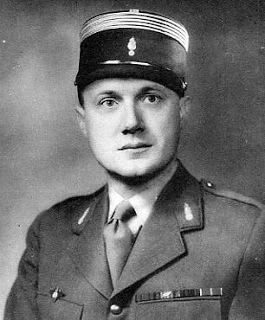
As early as July 1940, Commandant , placed by Colonel (the army's chief of staff) at the head of the Materiel section of the 1st Bureau, clandestinely organized the Camouflage du Matériel (CDM) under the administrative cover of "materiel conservation." Teams diverted and concealed weapons, munitions, guns, and vehicles in public buildings, private properties, transport companies, caves, and abandoned quarries, out of reach of the control commissions. The CDM even set up genuine manufacturing workshops with the firm Étienne Dubourg et Cie of Marseille. These camouflaged stockpiles would serve the Resistance and the army after the landings.
Learn more about this event
Related polls
10

Citroën under the Occupation: the boss faces German orders
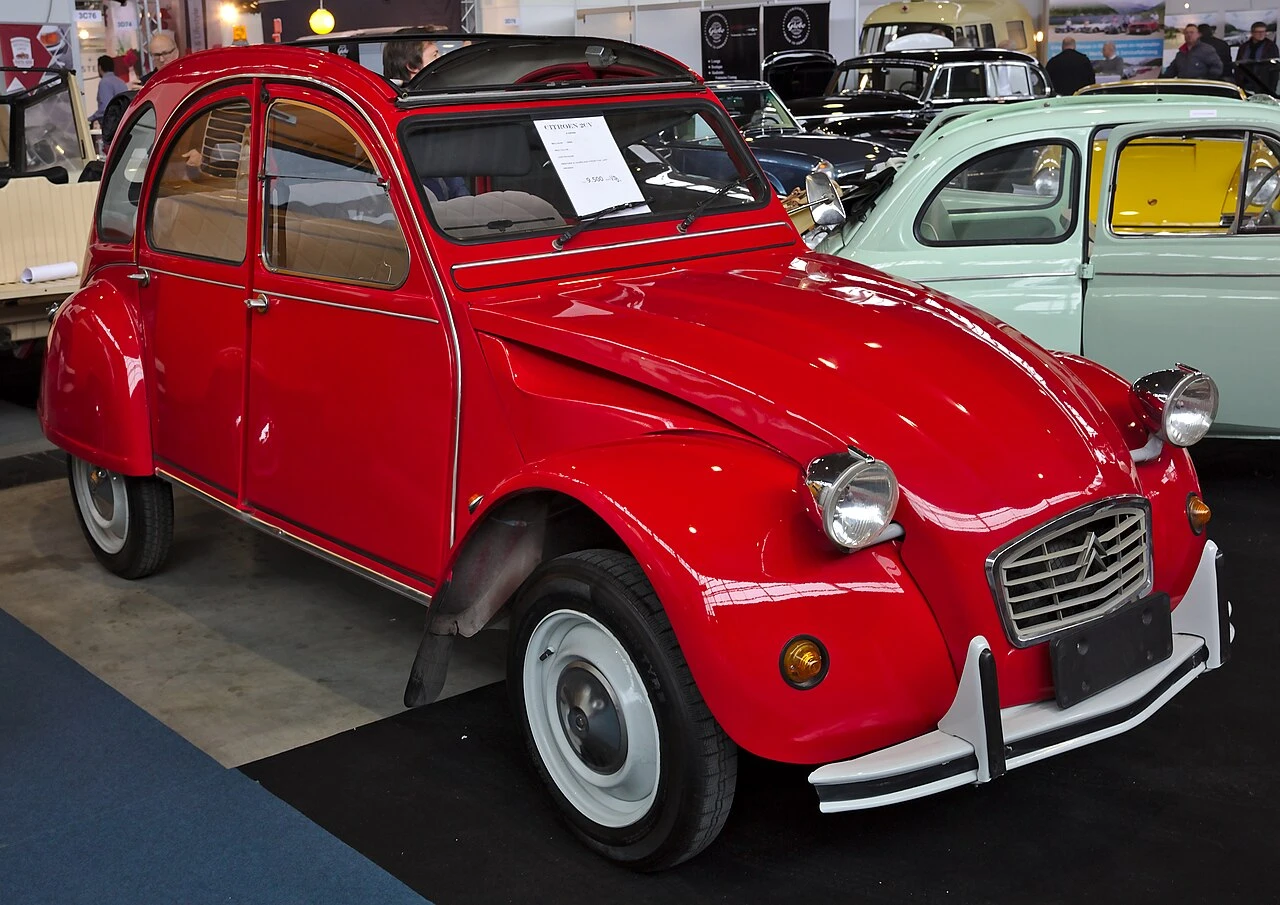
Citroën, the occupier and the secret little car
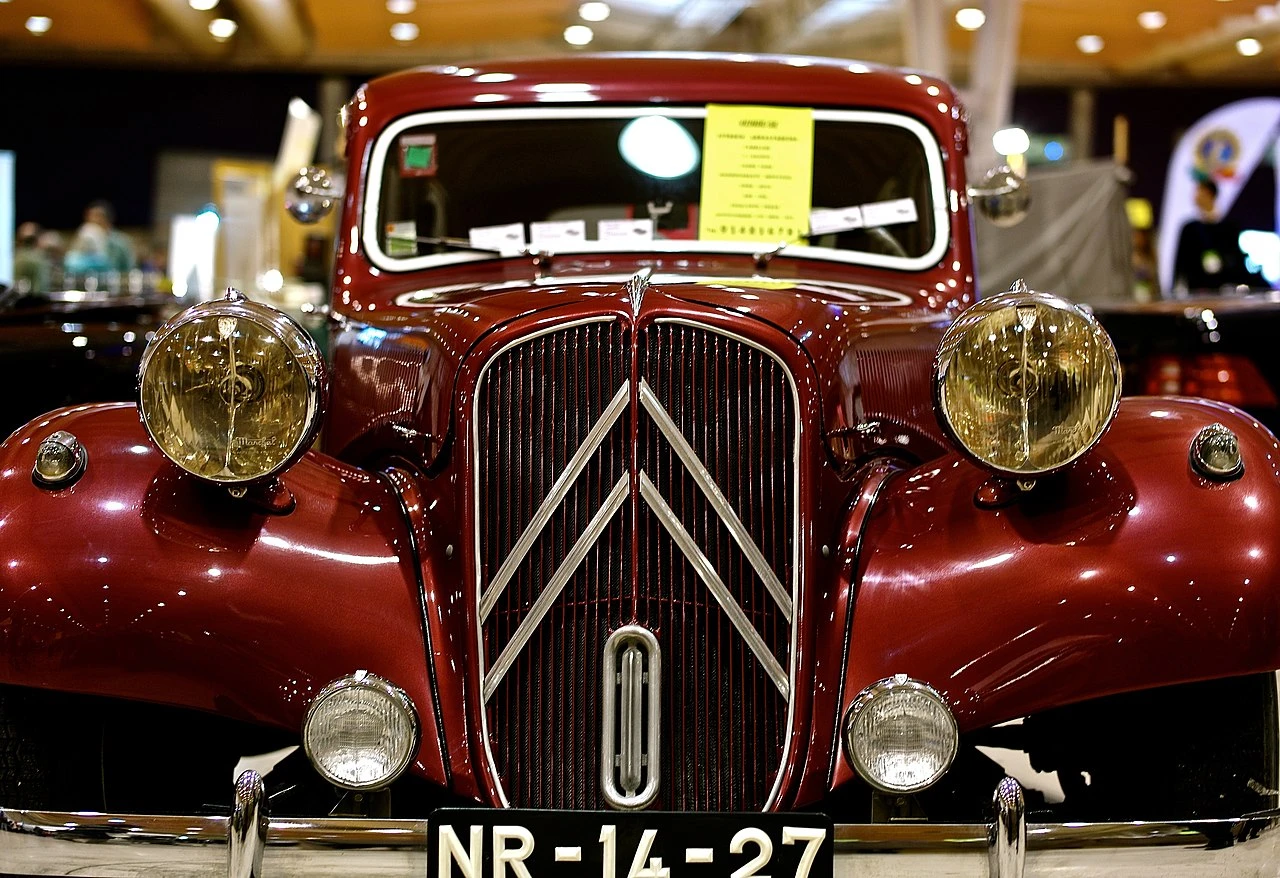
Boulanger and the Reich's trucks
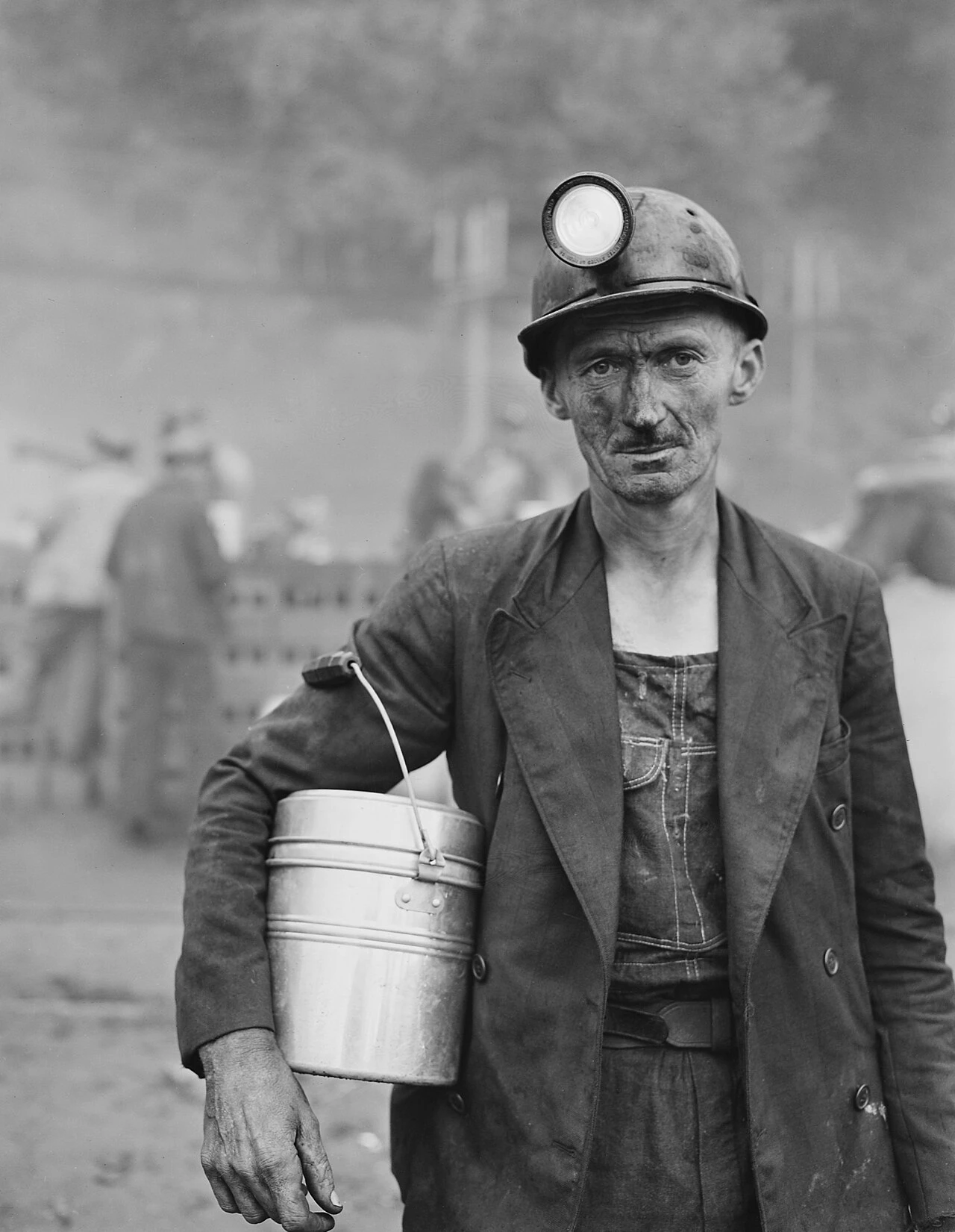
At the Dahomey pit, the morning of team-rate pay
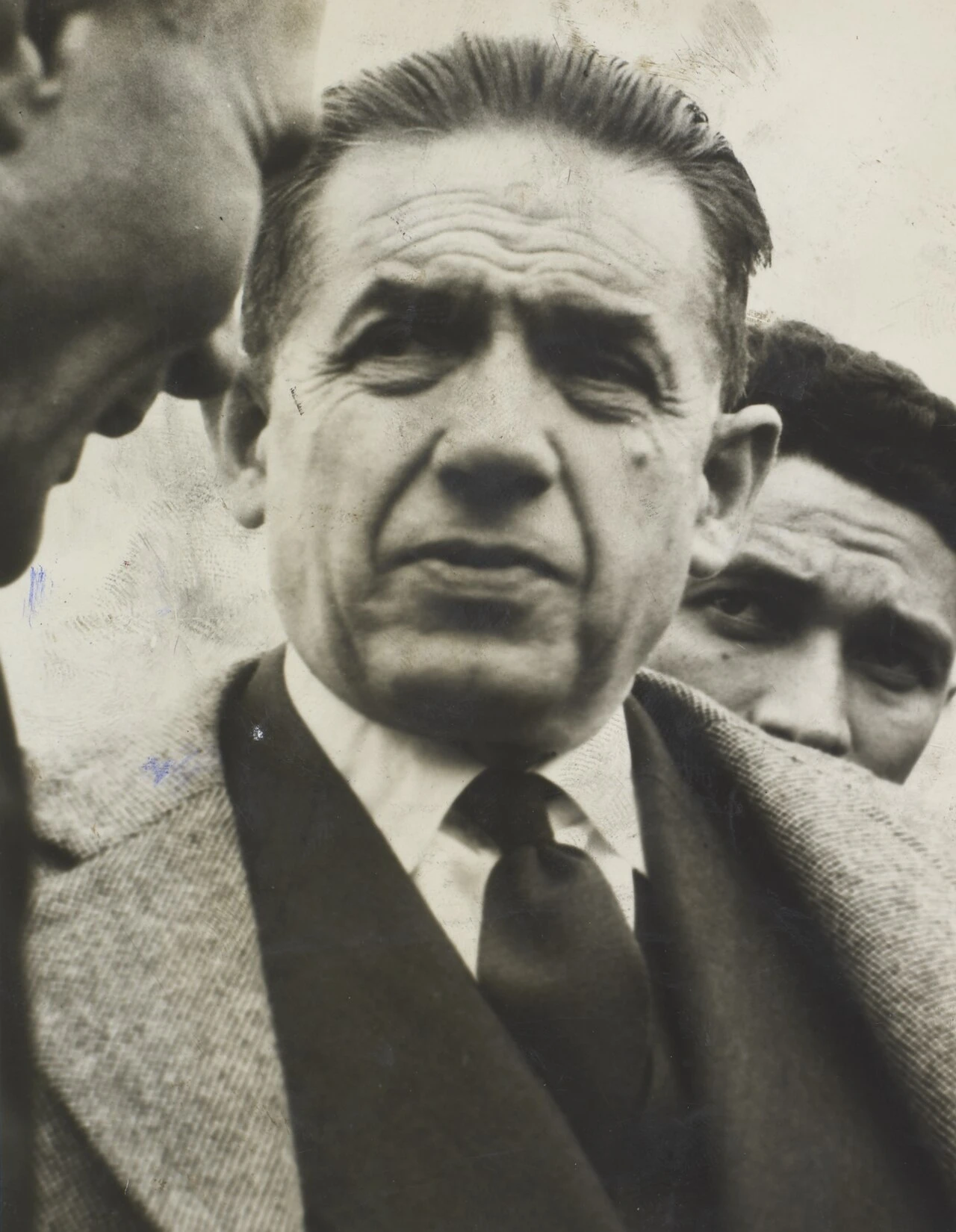
Edmond Michelet — Brive leaflet, 18 June
Gilbert Renault — the road to London
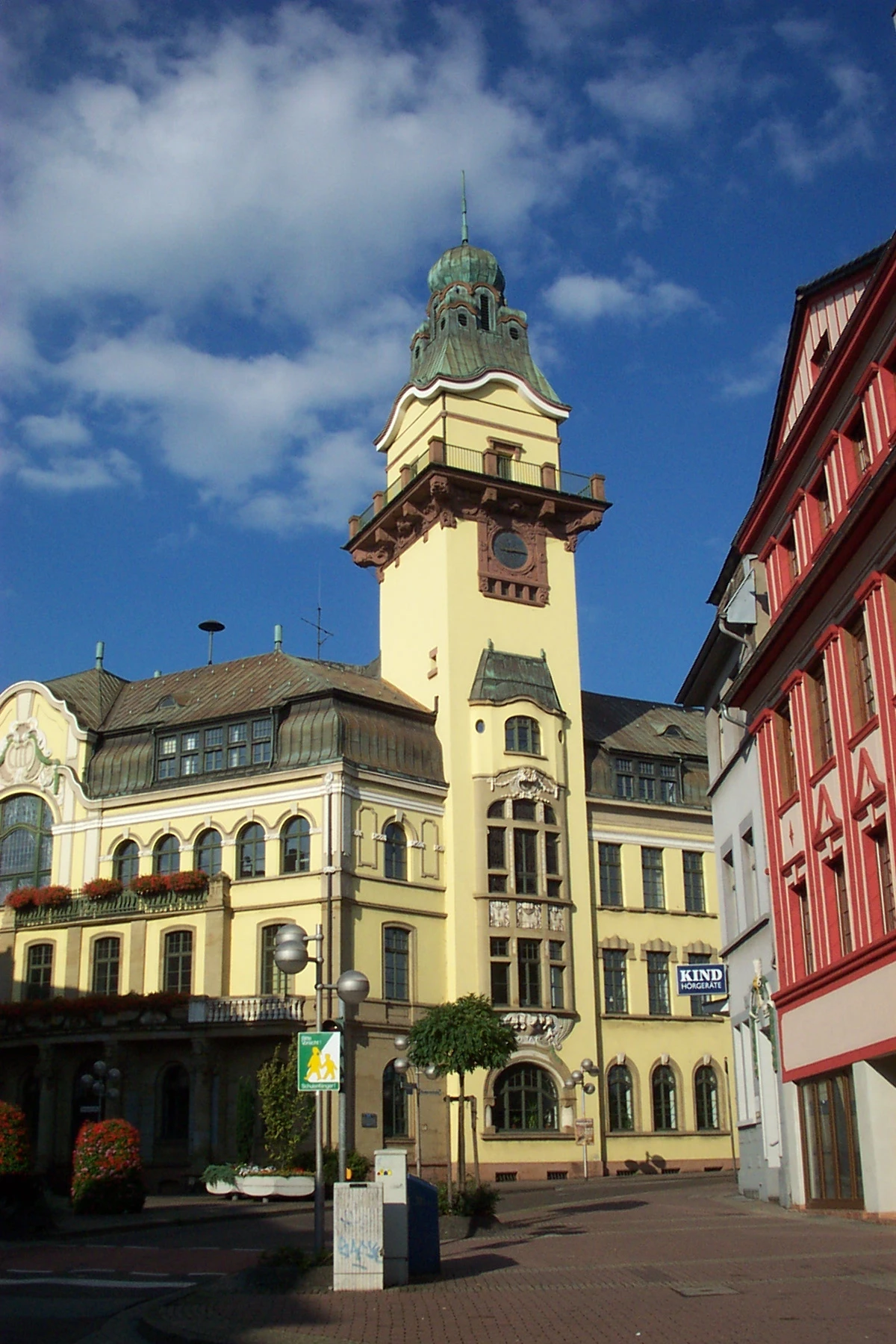
Hermann Röchling and the Lorraine Ironworks
The head of Gnome et Rhône facing the vise of June 1940
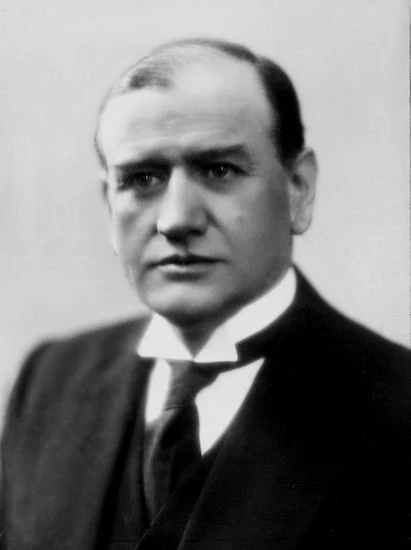
The Massilia — Bordeaux 21 June
Article 13: the SNCF and the occupier
Citroën under the Occupation: the boss faces German orders
Citroën, the occupier and the secret little car
Boulanger and the Reich's trucks
At the Dahomey pit, the morning of team-rate pay
Edmond Michelet — Brive leaflet, 18 June
Gilbert Renault — the road to London
Hermann Röchling and the Lorraine Ironworks
The head of Gnome et Rhône facing the vise of June 1940
The Massilia — Bordeaux 21 June