
AB Aktion — planning at the Wawel
The Intelligenzaktion — execution of the Polish elites — between September and December 1939 kills 60,000-100,000 in the territories annexed to the Reich (Wartheland, Danzig-Westpreußen, Upper Silesia). But in the Generalgouvernement (capital Krakow, under ), Wehrmacht and civilian officials partly resist the mass executions: General (military commander of occupied Poland) drafts on 6 October 1939 a first critical memorandum on the "methods contrary to the interests of the Reich" — methods that "dishonour the German army."
Frank, despite his personal alignment with the racist doctrine, must compromise. Just after the installation of the Generalgouvernement (26 October 1939), he summons SS-Brigadeführer (chief of the Sipo and SD for the Generalgouvernement) to the Wawel. Strategic question: should the elimination of the surviving Polish elites of the Generalgouvernement be systematized?
Streckenbach presents a plan: Außerordentliche Befriedungsaktion ("Extraordinary Pacification Action" — abbreviated AB Aktion). Target: eliminate 20,000-30,000 Poles identified as potential leaders of resistance — academics, priests, journalists, civil servants, reserve officers, students; a secondary target, the Jewish patricians (rabbis, doctors, jurists). The action is meant to be coordinated on the scale of the Generalgouvernement, not regional. What remains is to fix how it dovetails with occupation policy: a clandestine, undocumented operation, an administrative measure diluted across the year, or a concentrated strike timed to an opportune moment in the military calendar.
What articulation between AB Aktion and the general occupation policy should be adopted?
Frank and Streckenbach choose B. The AB Aktion is planned during November-December 1939, lists established in January-February 1940, and triggered on 30 May 1940 — exactly two days after the start of Fall Gelb in the West, which allows the operation to be eclipsed in the media. 6,500 to 7,000 Poles are executed between late May and July 1940. Main sites: the Palmiry forests near Warsaw (1,700 dead between June and July 1940, including — former president of the Sejm —, — Olympic 10,000m champion at Los Angeles 1932 —, — PPS leader), Stary Olesko (eastern Galicia), the forests of Mazovia. The world press, absorbed by the fall of France, takes no notice. Streckenbach remains an official of the Generalgouvernement until 1941, then moves to the organization of the in the USSR. He survives the war, is sentenced by the Soviets to 25 years (released 1955), and dies in Hamburg in 1977. Frank is tried at Nuremberg, condemned, and hanged in 1946. The AB Aktion completes the Intelligenzaktion: together, these operations eliminate about 100,000 Poles from the elites in 1939-1940 — a demographic bleeding from which Poland will not entirely recover.
Learn more about this event
Related polls
10
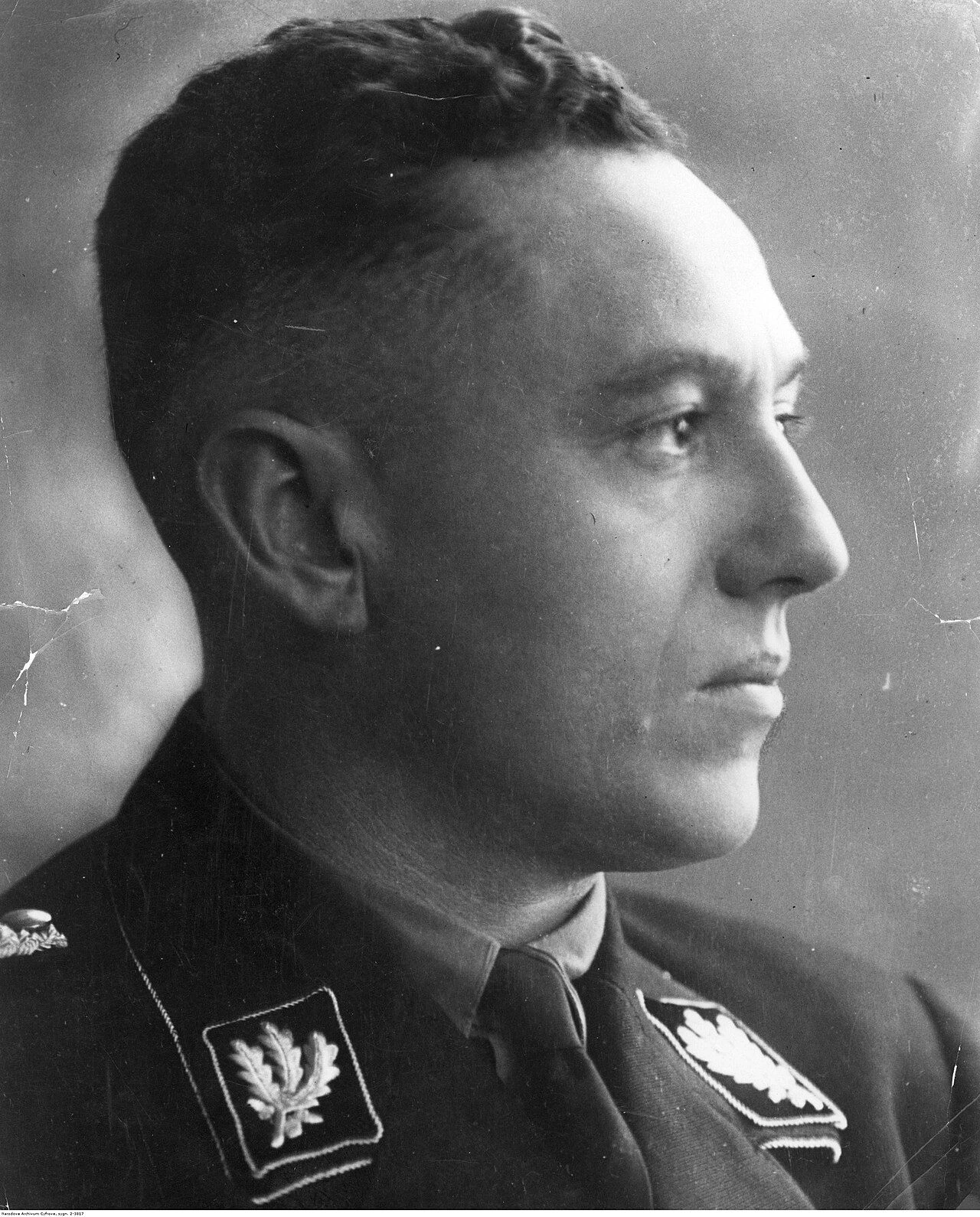
Forster — Kashubians and Kociewiacy
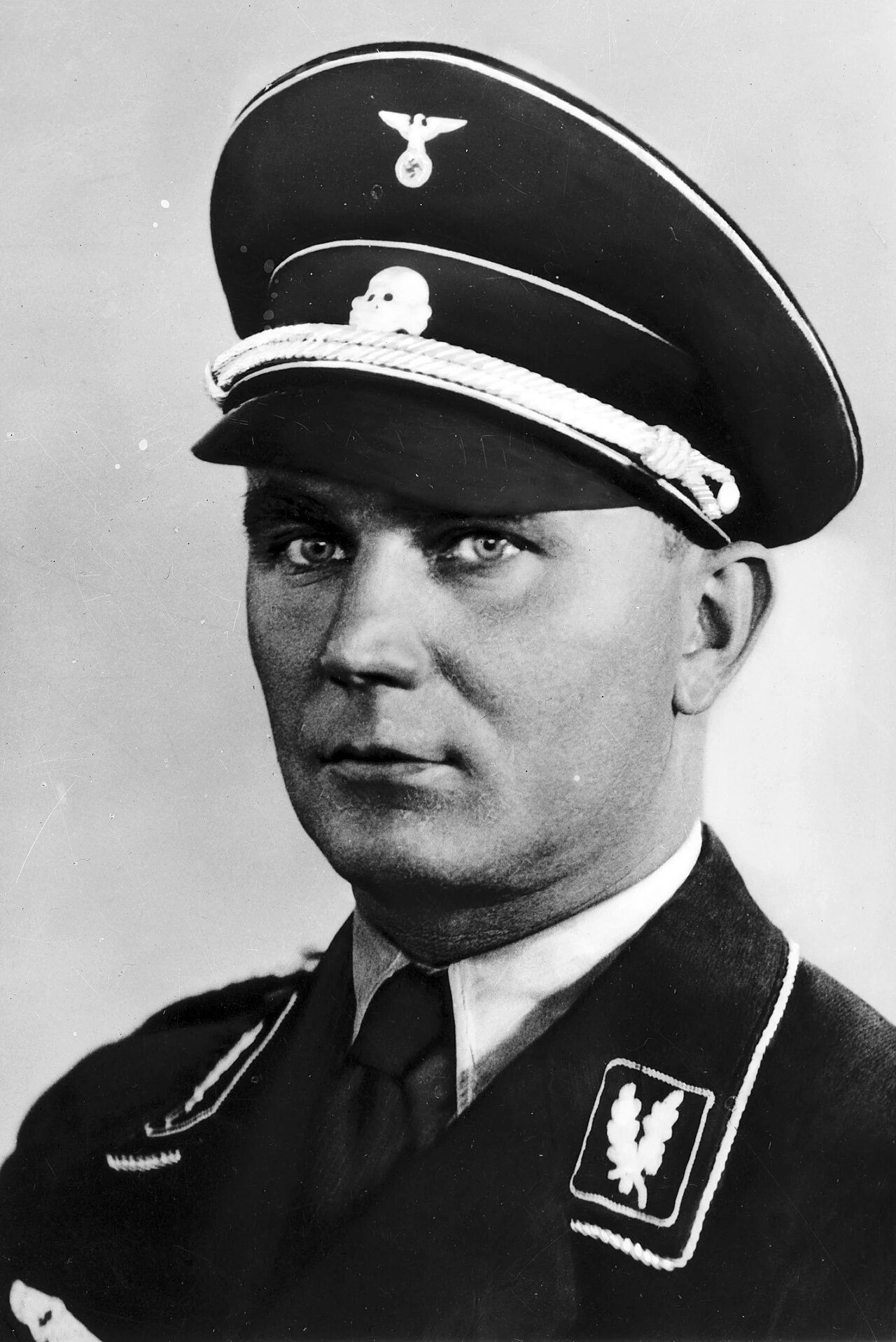
Greiser — the Priority of the Wartheland
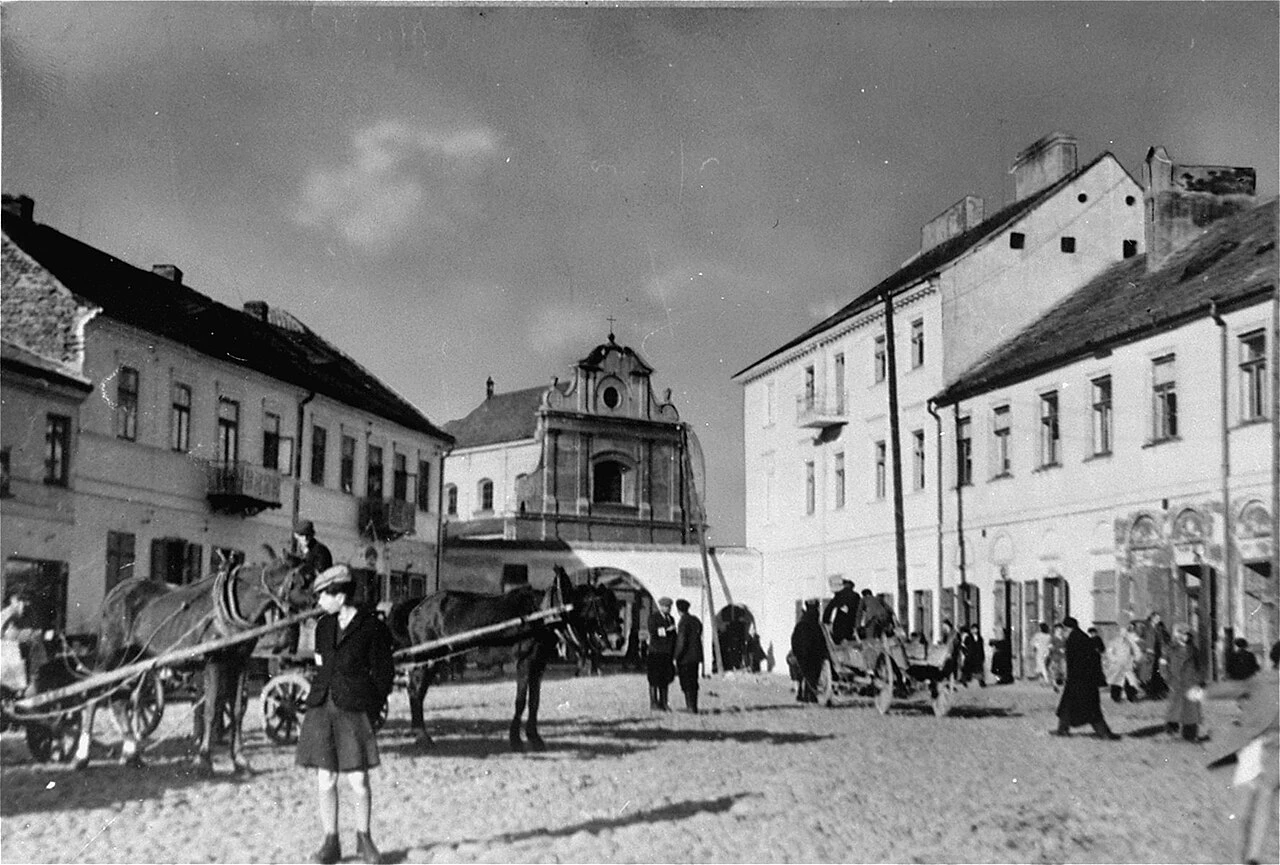
Piotrkow — Tenenberg Facing the Judenrat
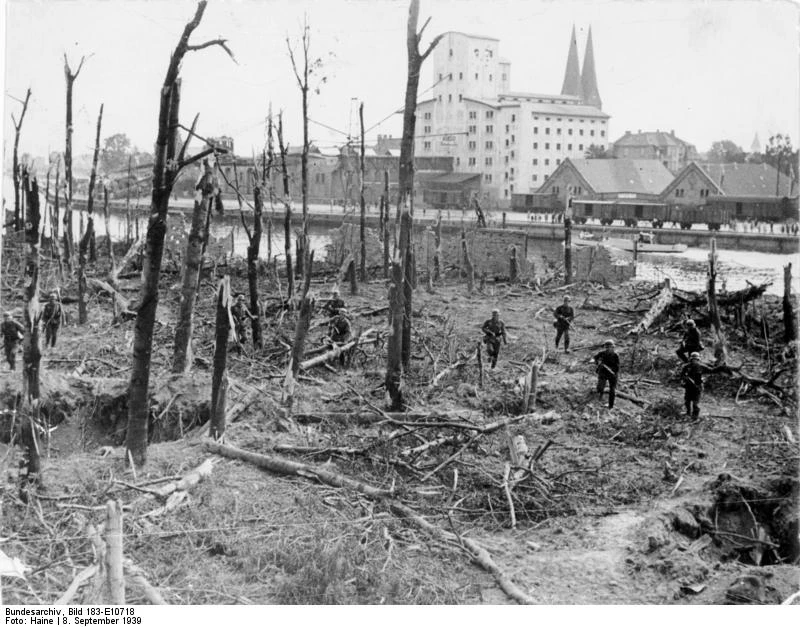
A Danzig Customs Officer on the Day of Annexation
Serov — 10 February 06:00 at Lwów
The Obersalzberg Speech
Lodz — sealing the ghetto
Gleiwitz — Naujocks at the Transmitter
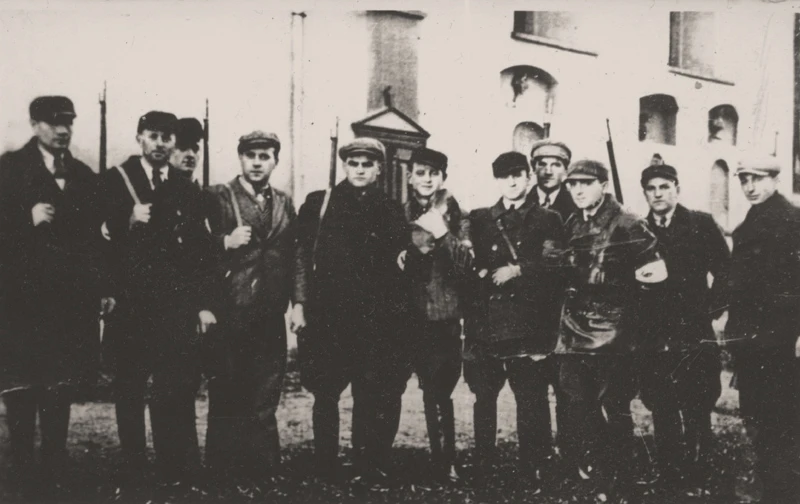
The Volksdeutsche Conscripted into the Selbstschutz
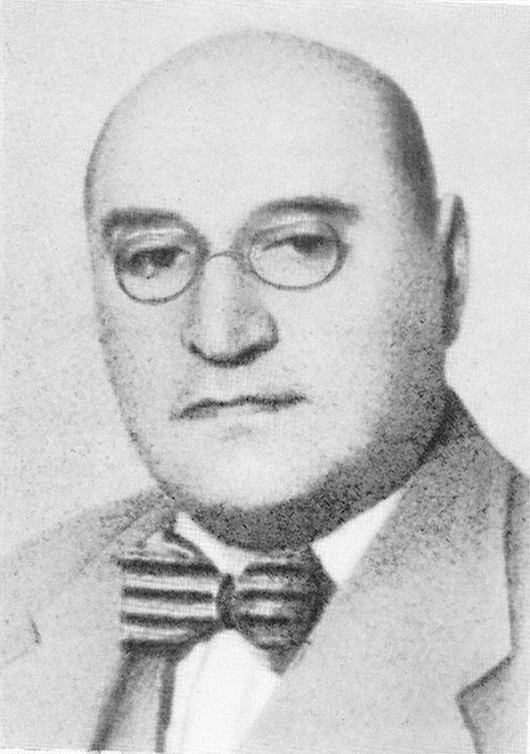
Czerniaków — the offer of the Judenrat
Forster — Kashubians and Kociewiacy
Greiser — the Priority of the Wartheland
Piotrkow — Tenenberg Facing the Judenrat
A Danzig Customs Officer on the Day of Annexation
Serov — 10 February 06:00 at Lwów
The Obersalzberg Speech
Lodz — sealing the ghetto
Gleiwitz — Naujocks at the Transmitter
The Volksdeutsche Conscripted into the Selbstschutz