
Bombing London — and the reply on Berlin
, British Prime Minister since 10 May, follows the Battle of Britain daily from London. The Luftwaffe is hammering the south-eastern airfields and Fighter Command is bending under the pressure, but has so far forbidden the deliberate bombing of London: he still hopes to bring Churchill to negotiate and fears reprisals against German cities.
On the night of 24-25 August everything shifts. German bombers unable to find their targets dump their bombs at random on southern London — in explicit violation of orders. It is the first time bombs have fallen on the British capital.
The United Kingdom has a Bomber Command capable of reaching Germany by night, even if its accuracy is poor. Striking Berlin would be a blow to German morale and a stinging rebuttal of , who had sworn that no enemy bomb would ever reach the Reich capital. But it would also cross a threshold: opening the escalation of city bombing, and risking diverting the Luftwaffe onto London.
Churchill must decide, within forty-eight hours, how to respond.
Do you retaliate for the (accidental) bombing of London by striking Berlin, at the risk of city-bombing escalation — or hold back?
Churchill orders A. On the night of 25-26 August, about 80 British bombers are sent against Berlin. The material damage is slight and the Flak (Flugabwehrkanone, German anti-aircraft artillery) fires copiously without bringing down a single aircraft; no civilians are killed that night. But the political shock is enormous: Berlin, said to be inviolable, has been hit. British raids are repeated on the following nights; one of them causes German civilian casualties. Furious, Hitler announces massive reprisals on 4 September, and on 7 September the Luftwaffe switches its effort from the airfields to London: the Blitz begins. This switch, by relieving Fighter Command at the moment it was wavering, is often seen by historians as one of the decisive German strategic errors of the battle.
Learn more about this event
Related polls
10
Baku in the crosshairs — Operation Pike
Churchill and the ultimatum on the Burma Road
De Gaulle calls on Churchill — 9 June
Dowding and the fighters
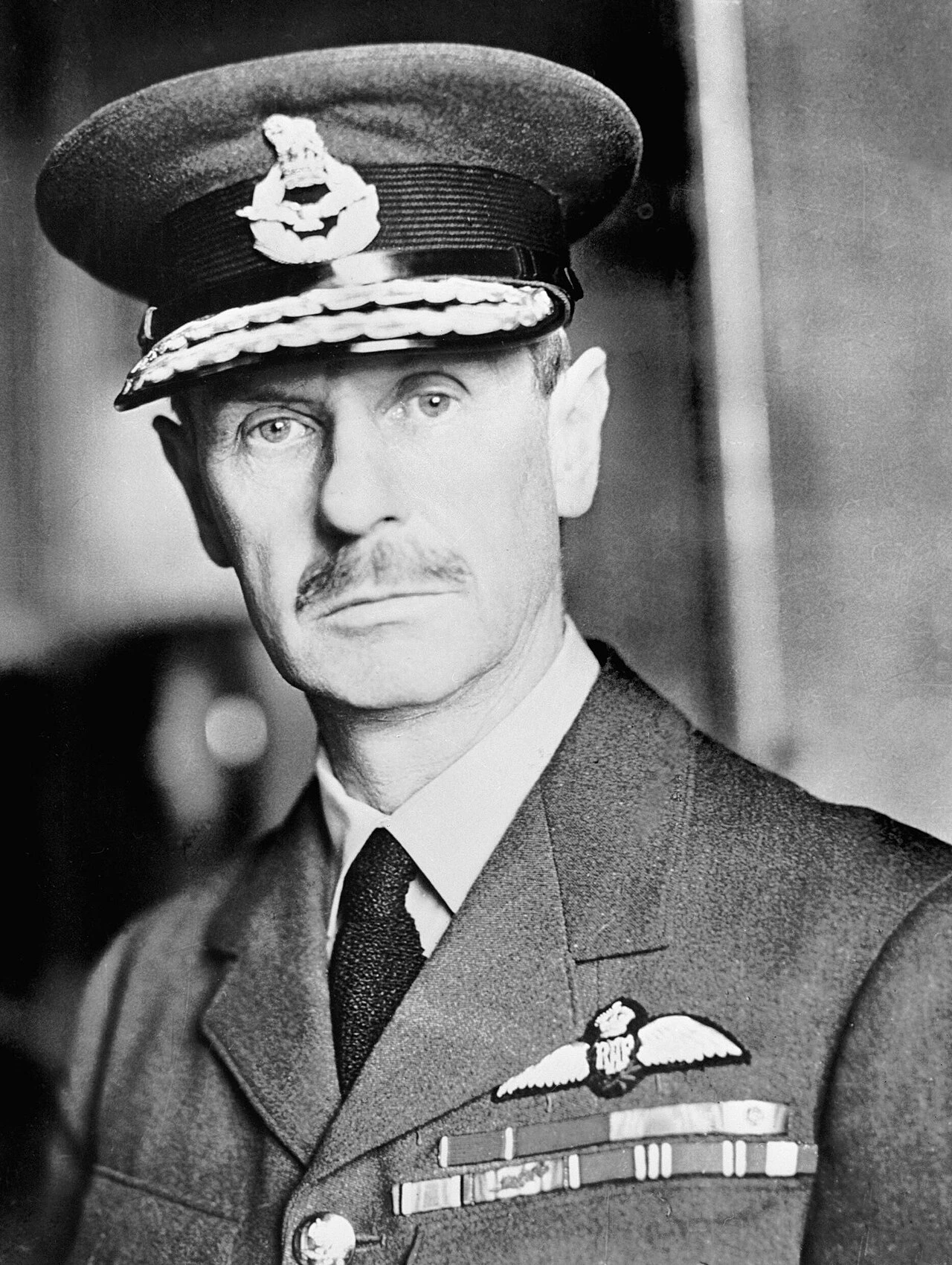
Dowding — Keep the Fighters?
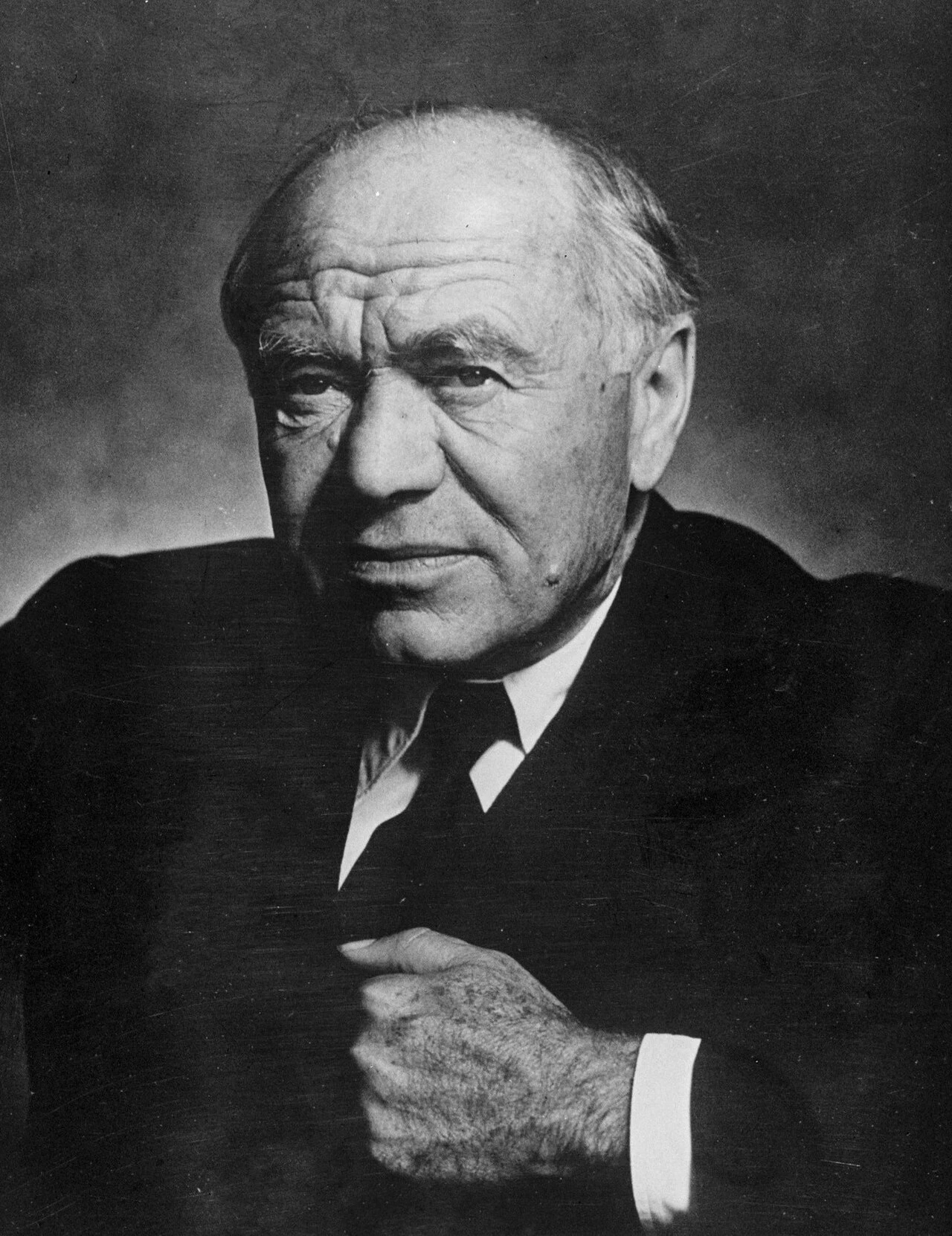
Casting Out the Victors — Air Ministry, November 1940
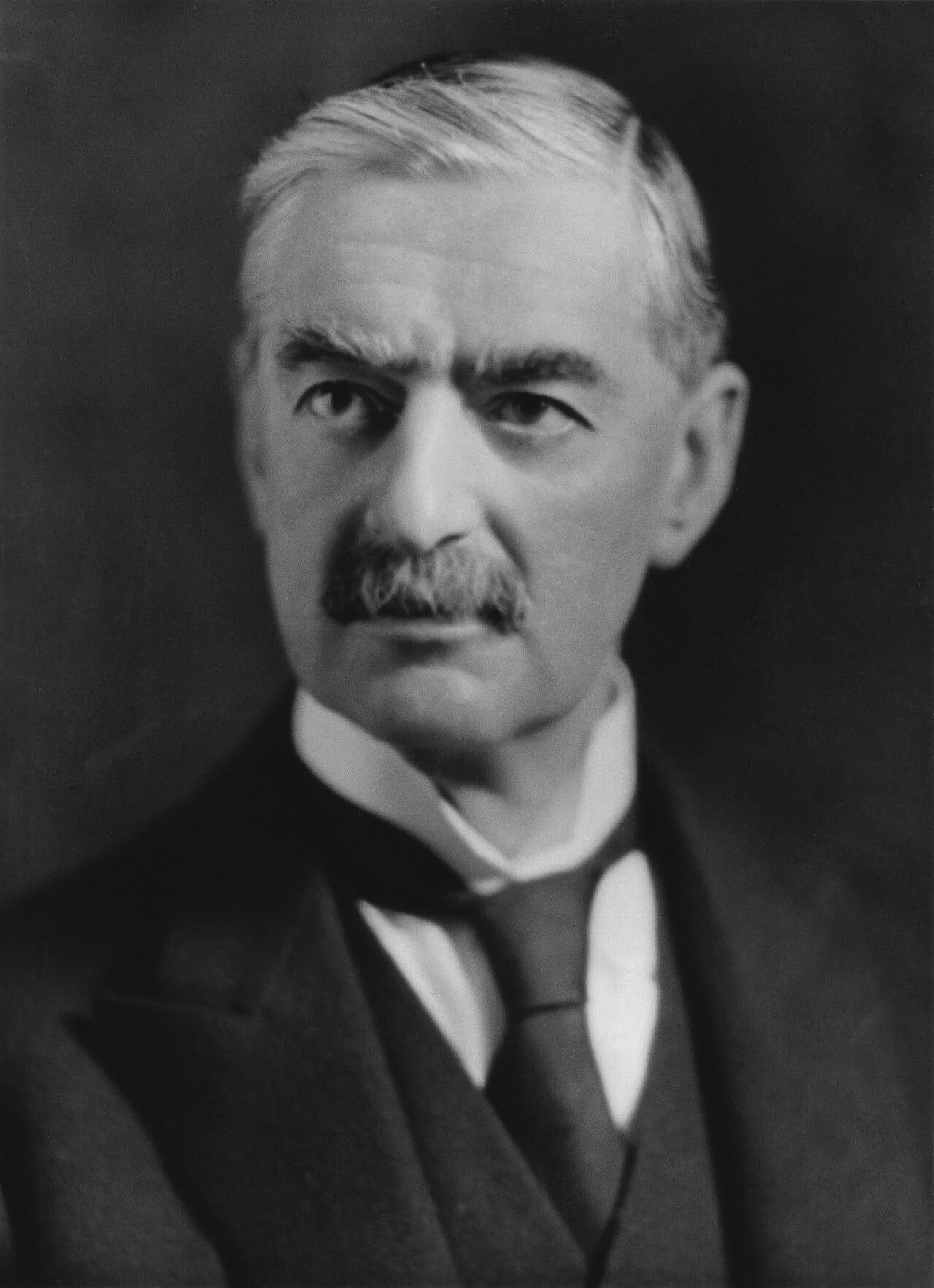
The War Cabinet — Negotiate or Carry On
War council — leave central Norway?
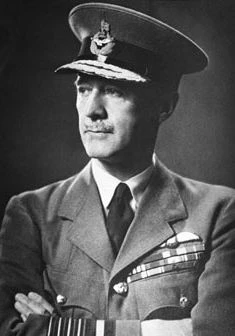
Ludlow-Hewitt and Operation Nickel
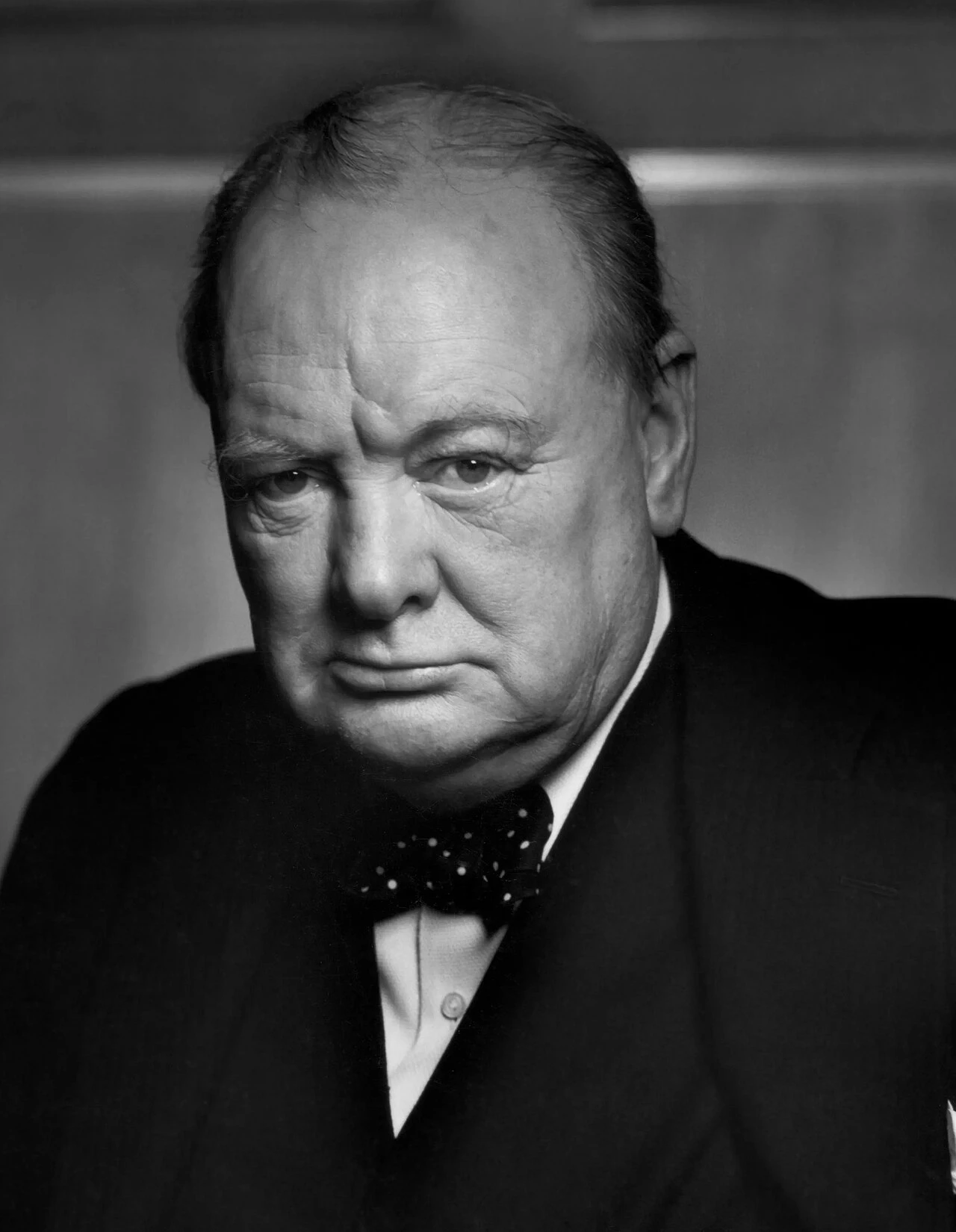
Mining the Rhine — Operation Royal Marine
Baku in the crosshairs — Operation Pike
Churchill and the ultimatum on the Burma Road
De Gaulle calls on Churchill — 9 June
Dowding and the fighters
Dowding — Keep the Fighters?
Casting Out the Victors — Air Ministry, November 1940
The War Cabinet — Negotiate or Carry On
War council — leave central Norway?
Ludlow-Hewitt and Operation Nickel