
The rubber that won't grow in the Reich
Germany produces no natural rubber: the rubber tree grows in the colonies of Southeast Asia, controlled by the British and the Dutch. As soon as war breaks out, the naval blockade threatens to choke off the entire tyre industry — cars, trucks, aircraft, without which no modern army can move.
IG Farben has developed the Buna process, a synthetic rubber derived from butadiene and styrene. But the process requires heavy installations and costs far more than the imported natural product.
Should the Reich bet its chemical industry on synthetics, look for a less demanding variant, or play for time by building up stockpiles while the sea lanes remain open?
How should Germany secure its rubber supply once the naval blockade is in place?
The Reich chose massive investment in Buna. New plants were built (Schkopau, Hüls, and later Auschwitz-Monowitz), despite a production cost far higher than natural rubber. In 1943-1944, production reached roughly 110,000 to 120,000 tonnes per year, enough to sustain Germany's automotive and aviation industry despite the blockade. Without this bet on synthetics, the Wehrmacht would have run short of tyres from the very first campaigns.
Learn more about this event
Related polls
10
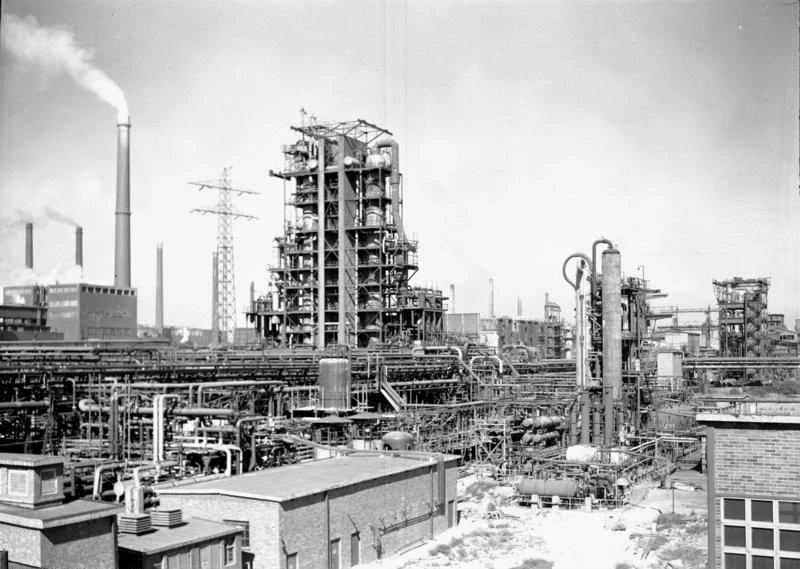
Making oil from coal
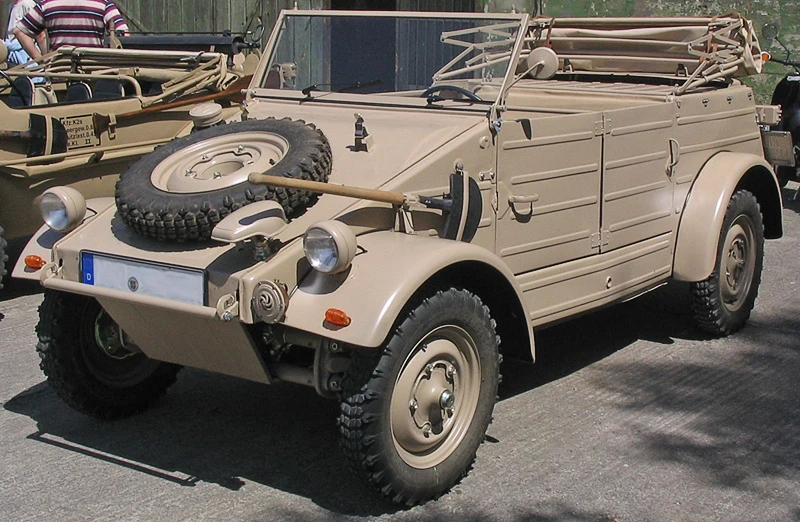
The People's Car Goes to War
The Karten: Rationing Germany at War
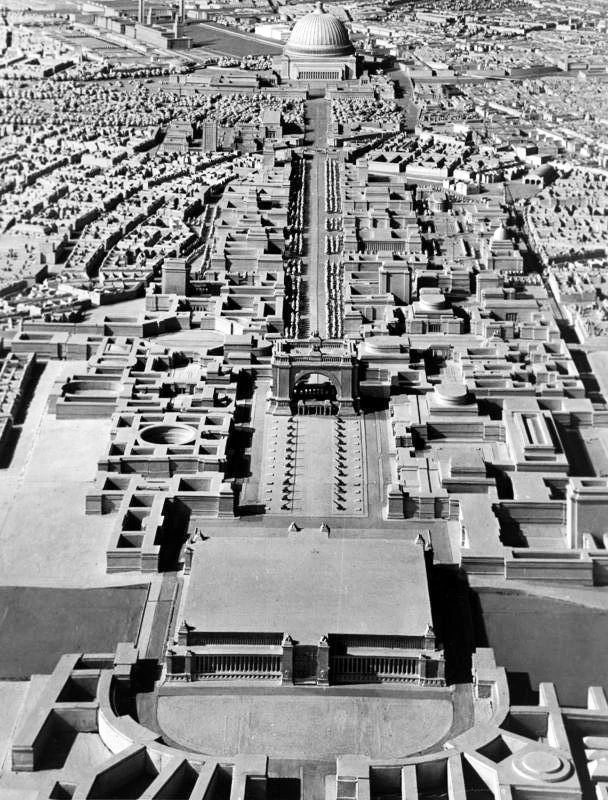
Speer and the Germania trade-off
Generalplan Ost — the Hunger Plan
Krupp and the Beast's Cannon
The Reich's Coal: the State or the Barons of the Ruhr
The metal without which cannons cannot be forged
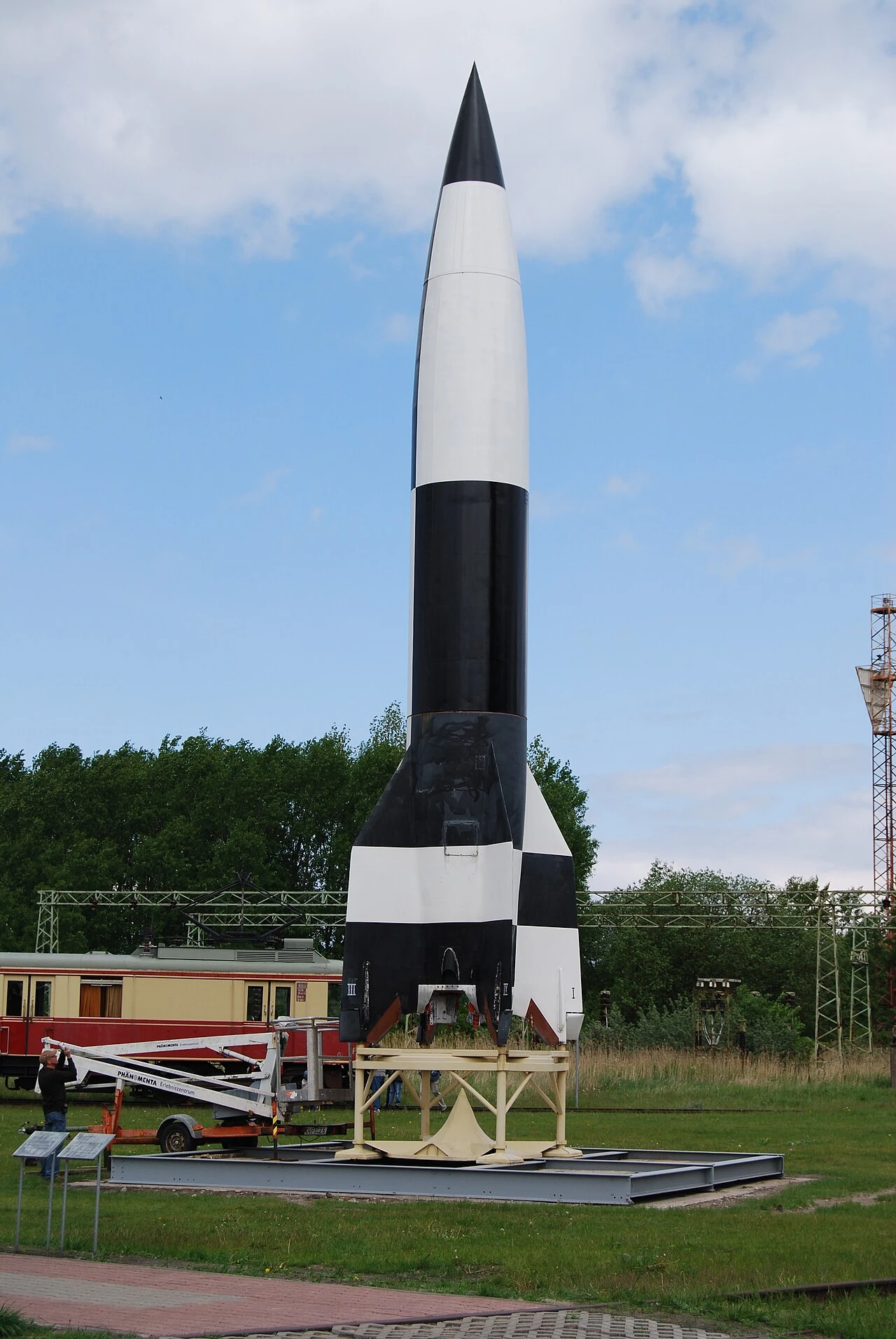
Peenemünde: producing before flying
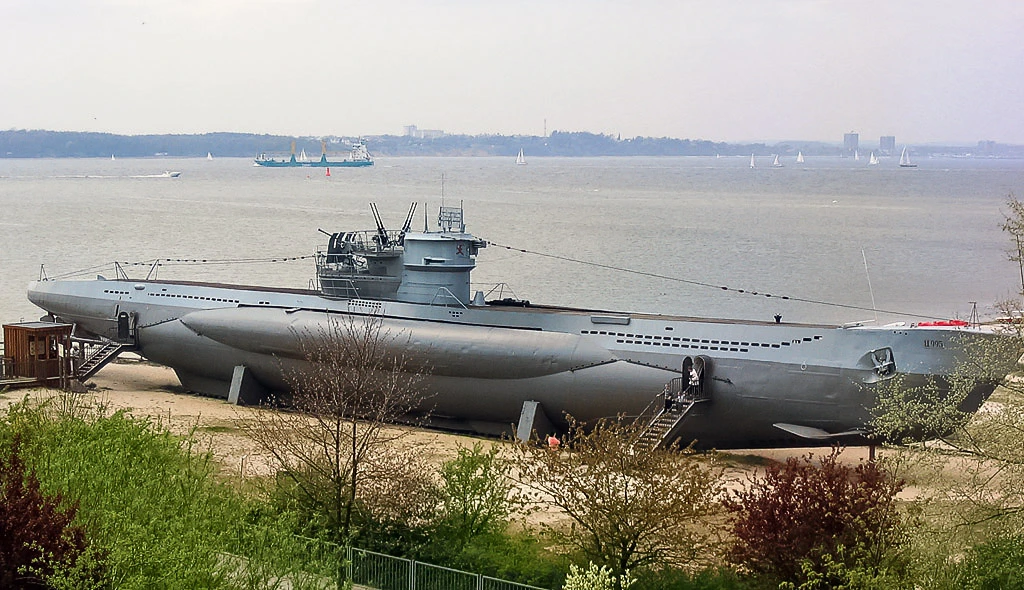
Thirty submarines a month, or next to nothing
Making oil from coal
The People's Car Goes to War
The Karten: Rationing Germany at War
Speer and the Germania trade-off
Generalplan Ost — the Hunger Plan
Krupp and the Beast's Cannon
The Reich's Coal: the State or the Barons of the Ruhr
The metal without which cannons cannot be forged
Peenemünde: producing before flying