
Churchill before the Commons — 4 June
, Prime Minister since 10 May, must address the House of Commons on 4 June. Operation Dynamo ends that very morning: 338,226 men brought back from Dunkirk. The speech must accomplish three delicate things at once — announce the success of the evacuation without letting it be taken for a victory, prepare opinion for the imminent collapse of France, and hold the line settled in late May within the War Cabinet: no negotiation with Hitler.
Churchill knows other ears are listening. Roosevelt has privately told him he will support him "by all means short of war." Within his own government, Lord Halifax, who favours exploring mediation, remains Foreign Secretary; Cabinet cohesion is still fragile.
The Prime Minister has worked over his text. The question is not whether to speak the truth about the debacle — he will — but on what to build the peroration: the honour owed to France, the determination of the Empire, or a direct appeal to the New World.
On what note should Churchill close his speech of 4 June?
Churchill chooses B. The peroration — "we shall fight on the beaches (...) we shall never surrender," extended by the hope that "the New World, with all its power and might, steps forth to the rescue" — is delivered on 4 June 1940. The closing passage, apparently turned toward the Empire, is in reality a coded appeal to America. The speech, about thirty-six minutes long, is not broadcast that day (an actor will read a version later), but its transcript leaves a lasting mark on opinion. It seals the British refusal of any negotiation and sets the moral frame of resistance for the Blitz months to come.
Learn more about this event
Related polls
10
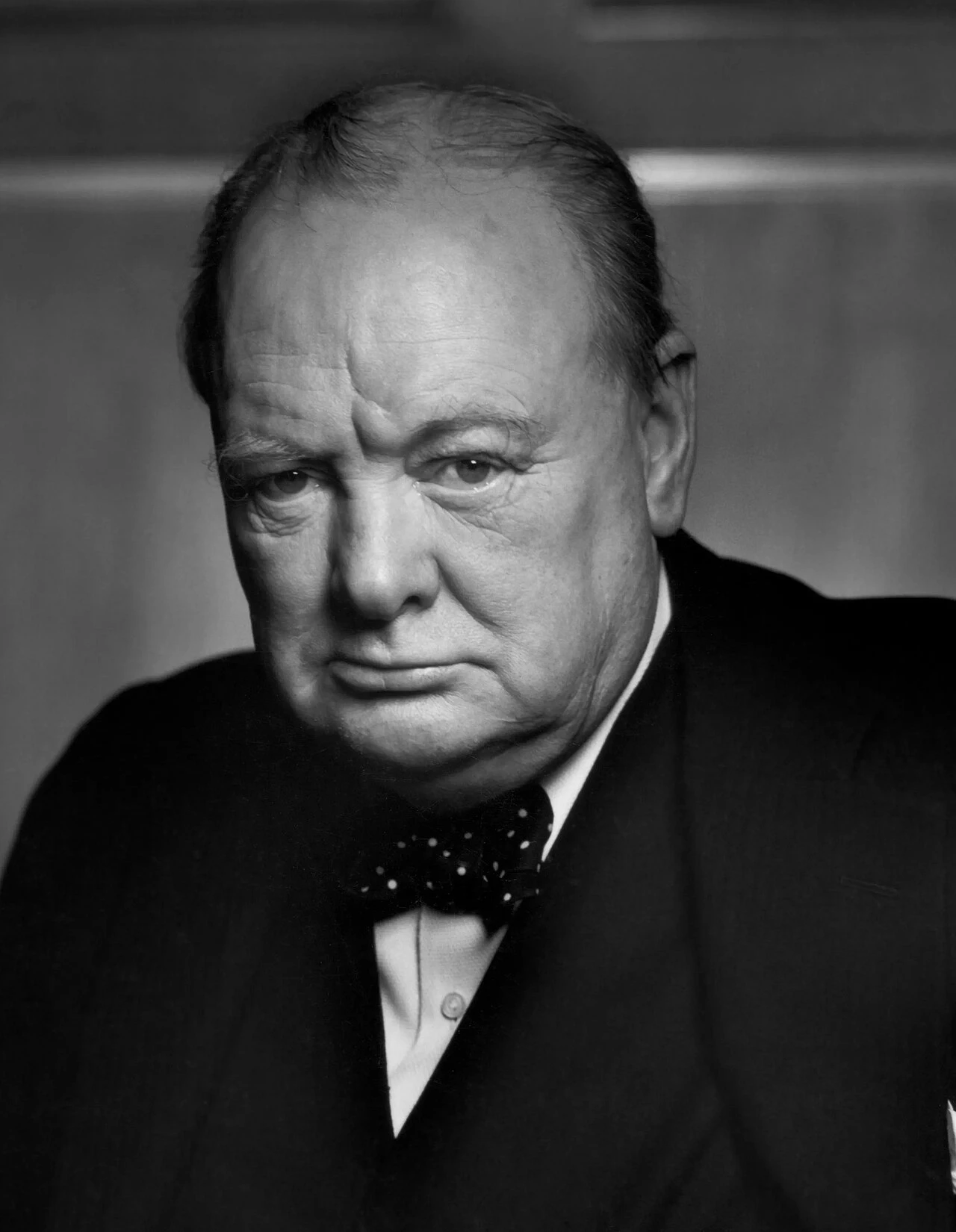
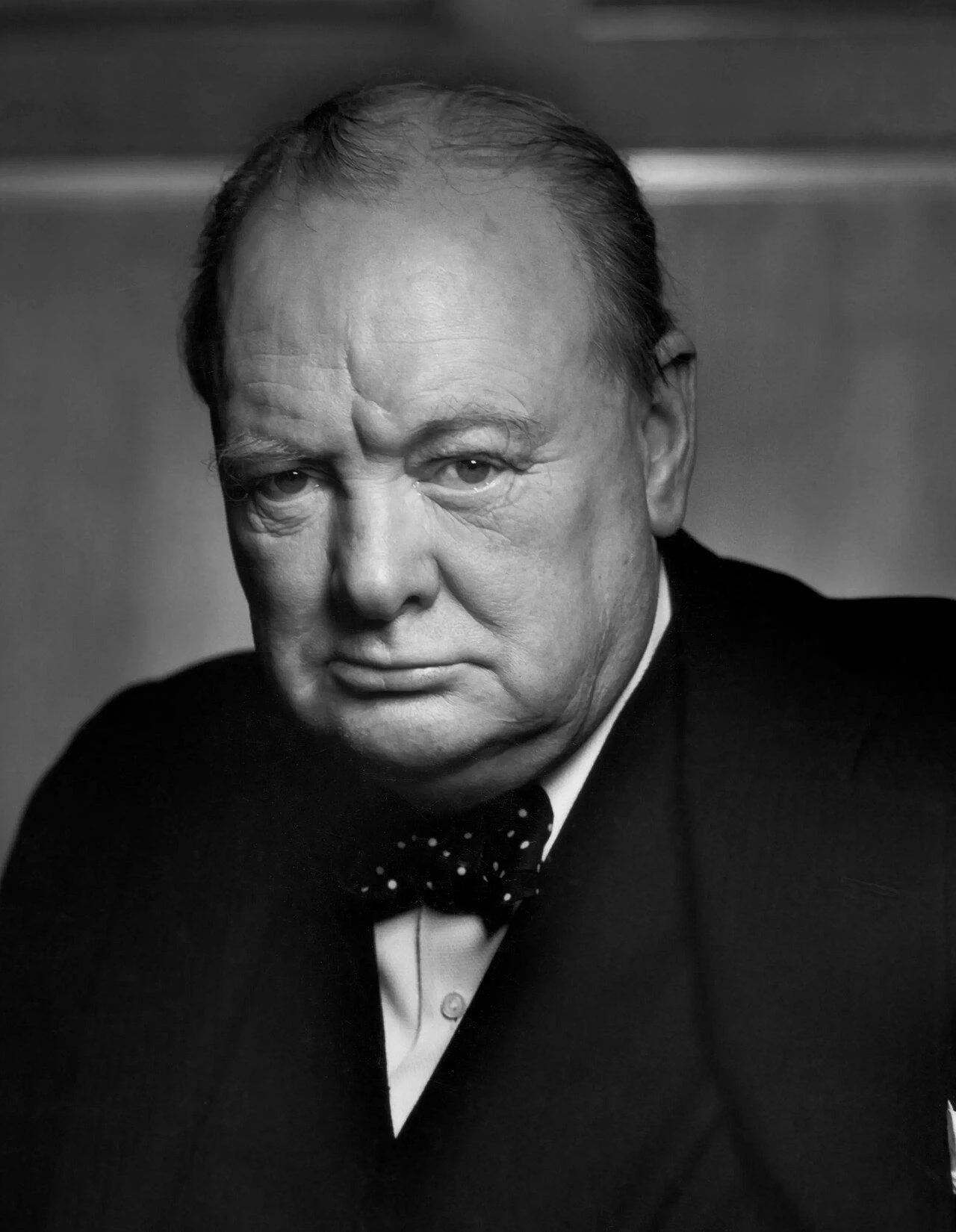
Churchill before the 25 ministers — 28 May 18:00
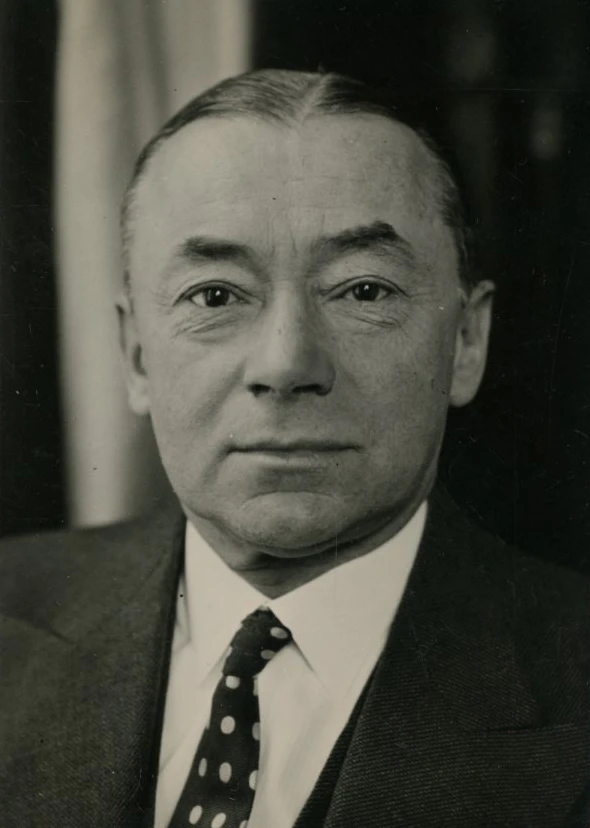
Halifax at the War Cabinet — 25 May 18:00
Reynaud in London — 26 May
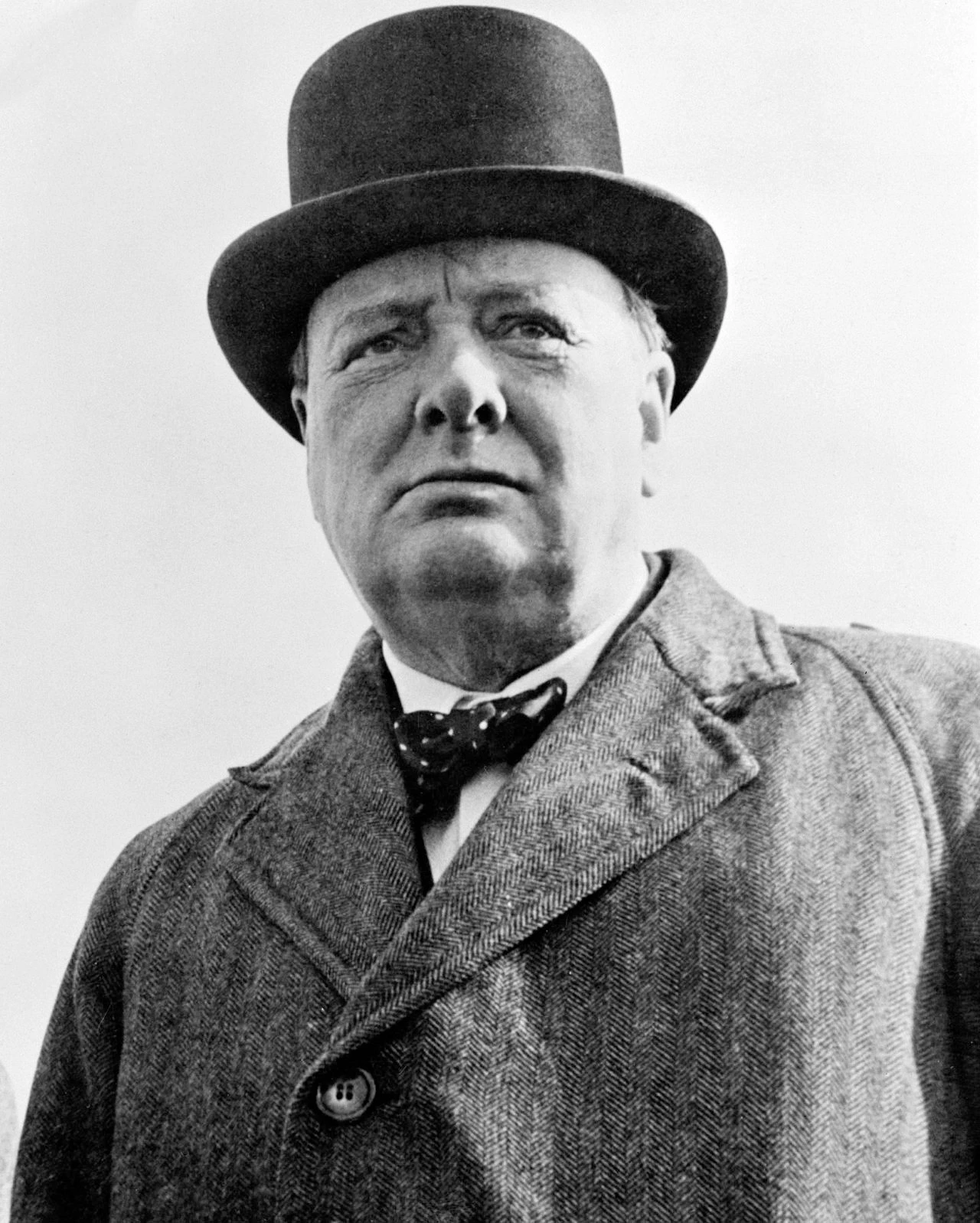
Churchill in power
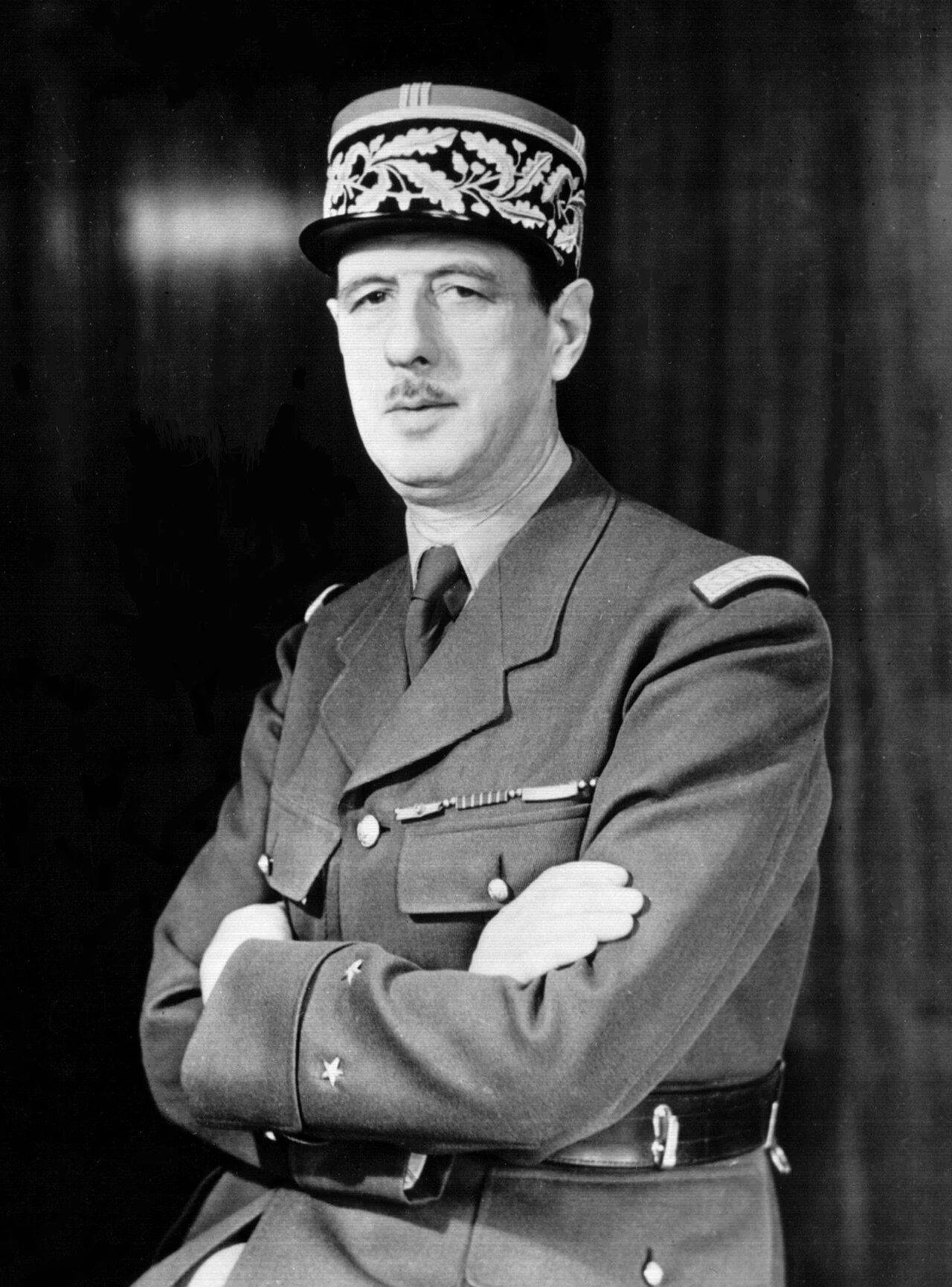
De Gaulle calls on Churchill — 9 June
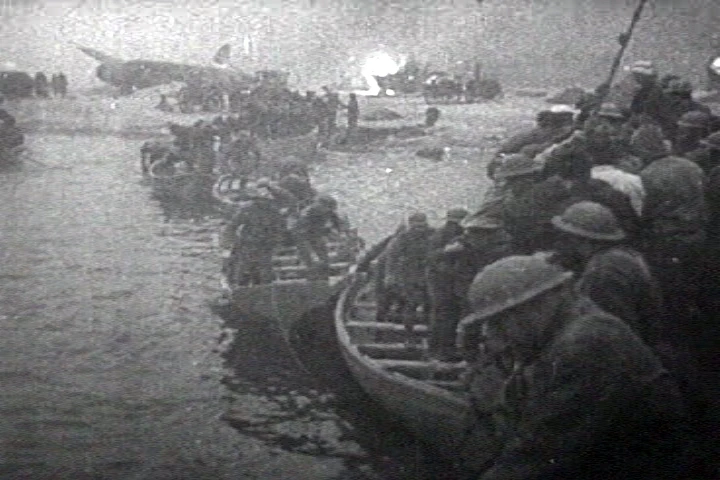
Ramsay — Dover, 14:23
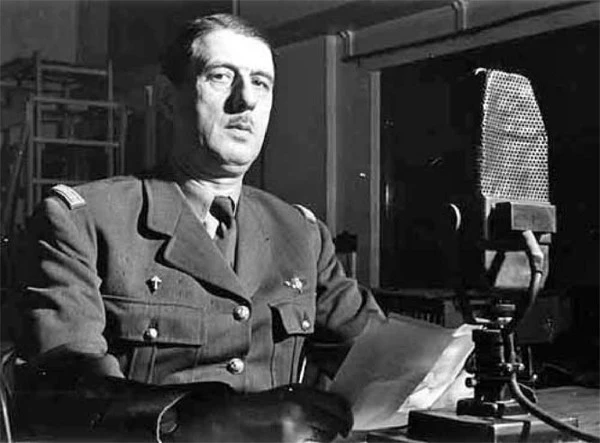
The Appeal of 18 June
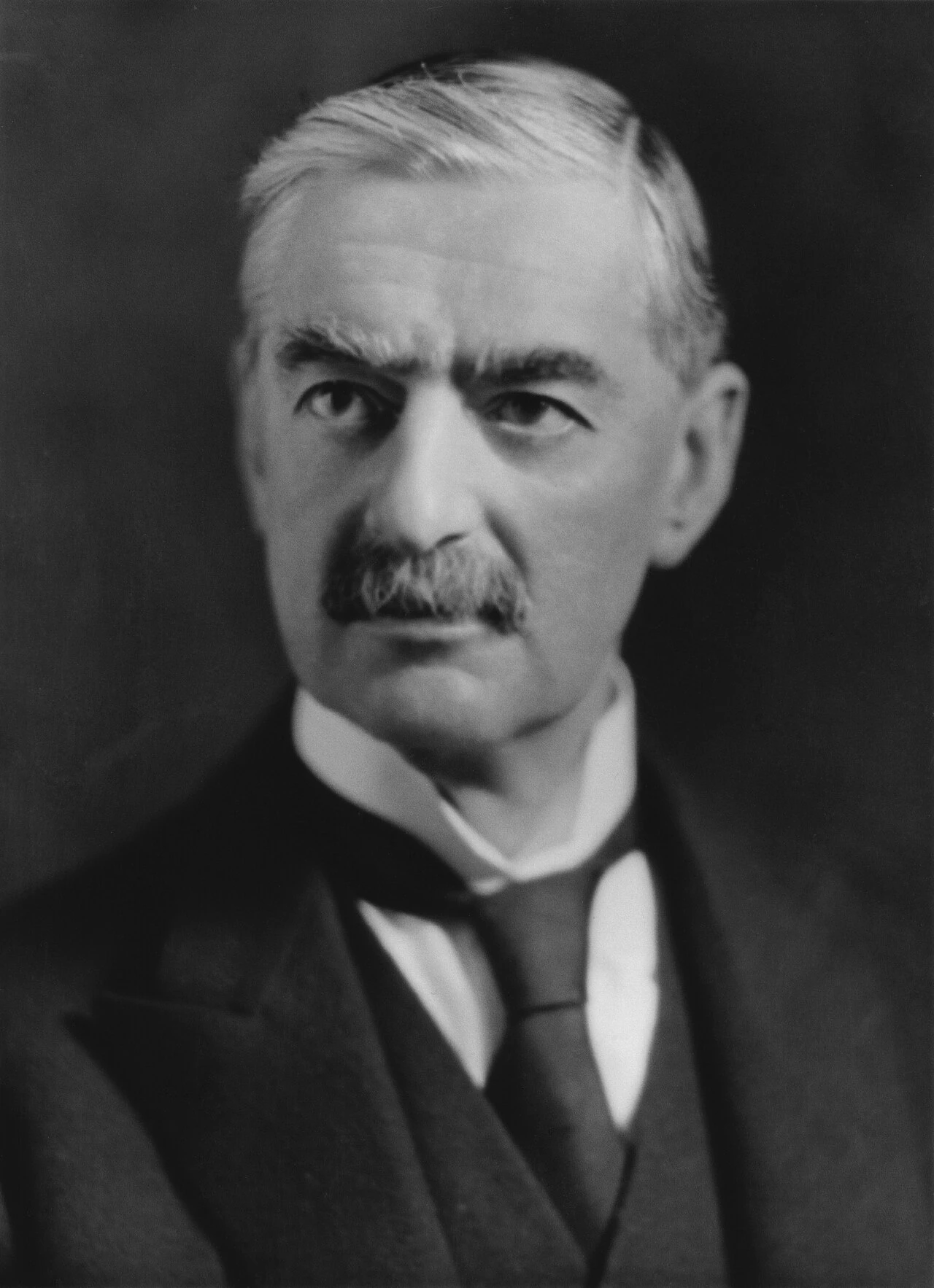
Chamberlain at Central Hall — 4 April
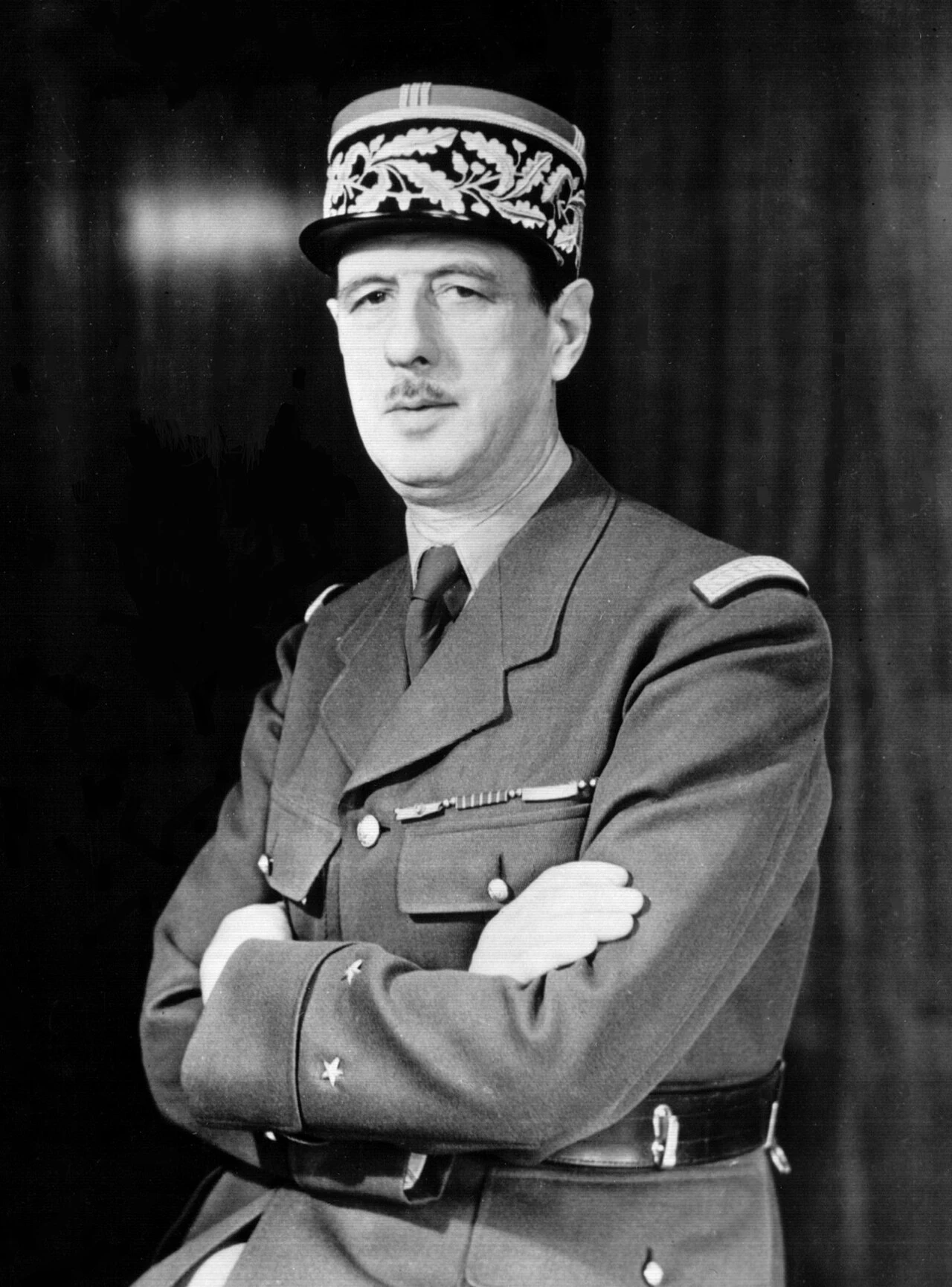
De Gaulle at the BBC microphone — 18 June, 18:00
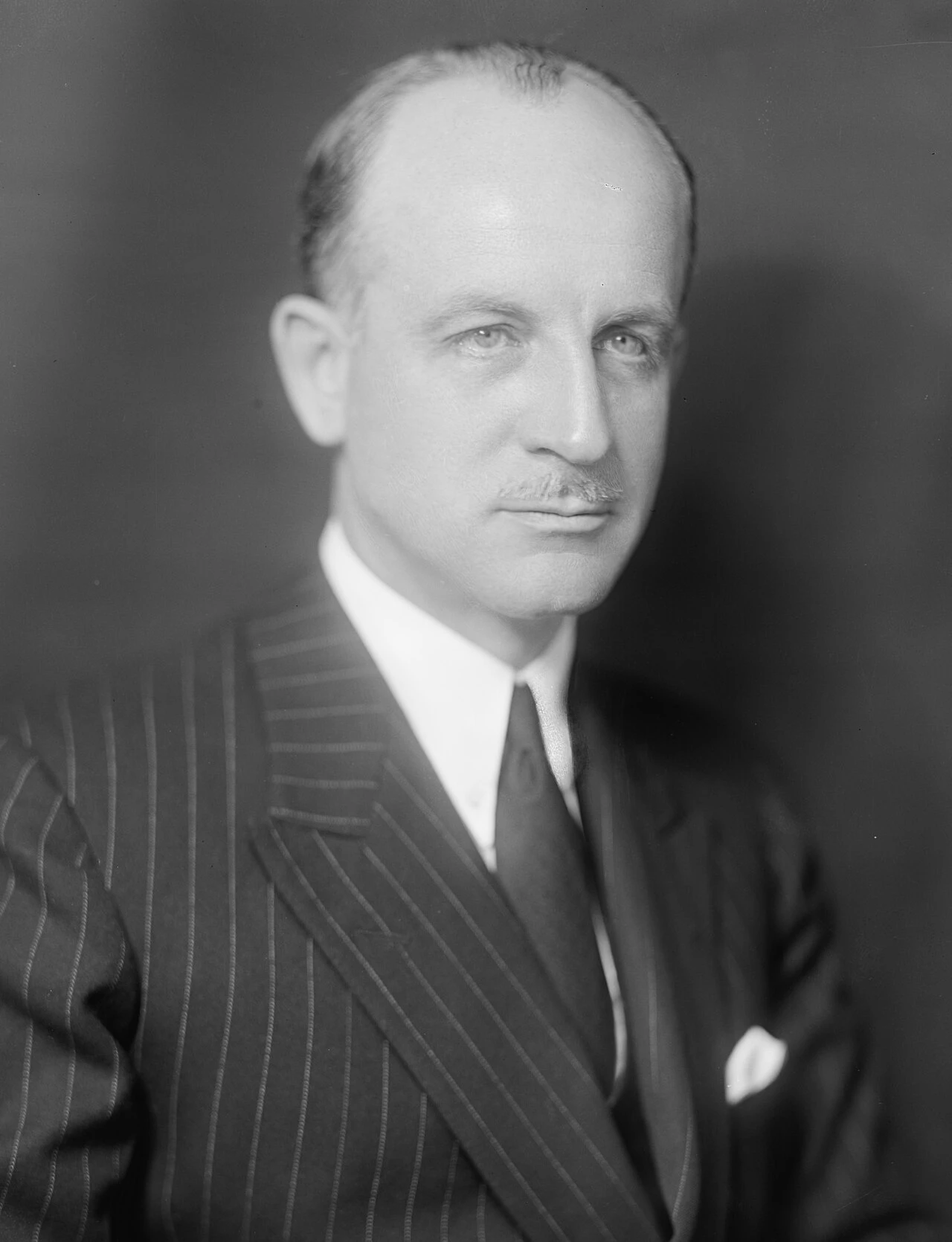
Welles in London — 11-13 March
Churchill before the 25 ministers — 28 May 18:00
Halifax at the War Cabinet — 25 May 18:00
Reynaud in London — 26 May
Churchill in power
De Gaulle calls on Churchill — 9 June
Ramsay — Dover, 14:23
The Appeal of 18 June
Chamberlain at Central Hall — 4 April
De Gaulle at the BBC microphone — 18 June, 18:00