
The Gold of the Bank of Poland — the destination of the SS Eocene
On 1 September 1939 the gold reserves of the Bank of Poland amount to roughly eighty tonnes — the official figure is 79,856 kg — equivalent to some 87 million dollars of the period and to nearly the whole of the Polish state's sovereign liquidity. The gold sits at the Bank's central headquarters in Warsaw, in ingots and coin. To lose it would be to bankrupt any future government-in-exile.
On 4 September 1939 at six in the morning, the Minister of Finance — forty-three years old, a former colonel of military intelligence turned independent journalist — receives from Prime Minister the order to evacuate the treasure. No road is safe: the Wehrmacht advances, the Red Army is massing in the south-east. Matuszewski entrusts the convoy to his wife, one of the most celebrated sportswomen in Poland — , the country's first Olympic champion (gold in the discus at Amsterdam in 1928), holder of a heavy-goods licence and an experienced driver. She takes command of a convoy of two Saurer trucks carrying fifty tonnes of gold packed in 1,200 sealed crates.
The convoy leaves Warsaw at eight in the evening on 4 September. The planned itinerary runs from Brzesc to Luck, then towards the Romanian border, the port of Constanta, and from there a ship for an Allied destination. On 8 September, near Luck, Stukas strafe the column and damage one of the trucks; Konopacka immediately organises the transfer of the load onto other requisitioned vehicles. On 14 September the Romanian frontier is crossed at Sniatyn. At Constanta the steamer SS Eocene, flying the British flag, waits for the cargo.
Matuszewski must decide on the ship's destination.
What destination should be assigned to the ship?
Matuszewski chooses B. The SS Eocene leaves Constanta on 17 September, passes the Dardanelles on the 21st, and reaches Beirut on 28 September 1939. The Polish gold is deposited with the Bank of Syria and Lebanon under French guard. In June 1940, after Pétain's armistice, Vichy threatens to transfer the gold to the Germans. General (the French Levant commander, pro-de Gaulle) refuses — the gold is clandestinely moved to Casablanca and then Dakar in July 1940. The British evacuate it to New York in 1942, where it is deposited at the Federal Reserve. In 1947, seventy-five tonnes of gold are restored to Poland (by then communist). Konopacka and Matuszewski, declared persona non grata under Vichy and then exiled to New York, are marginalised. Konopacka dies in 1989 in Florida, having never seen Poland again. Matuszewski dies in New York in 1946, in poverty. The episode of the Polish gold remains one of the most audacious logistical operations of the war, largely unknown until the works of and in the 1990s.
Learn more about this event
Related polls
10

Borakowski and the merchant fleet
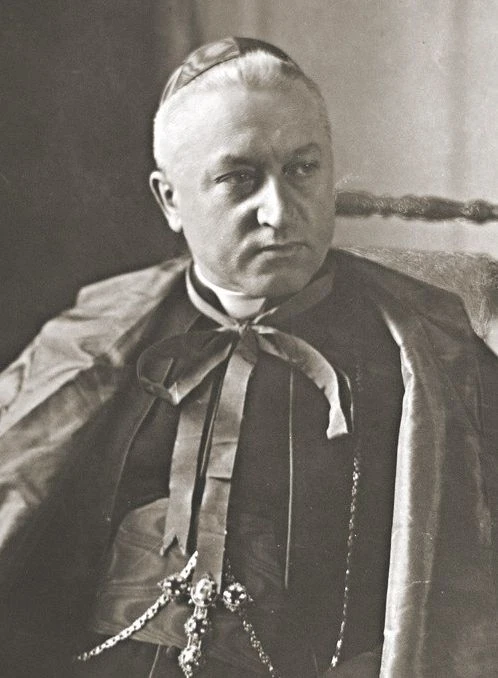
Cardinal Hlond — the Vatican's instruction
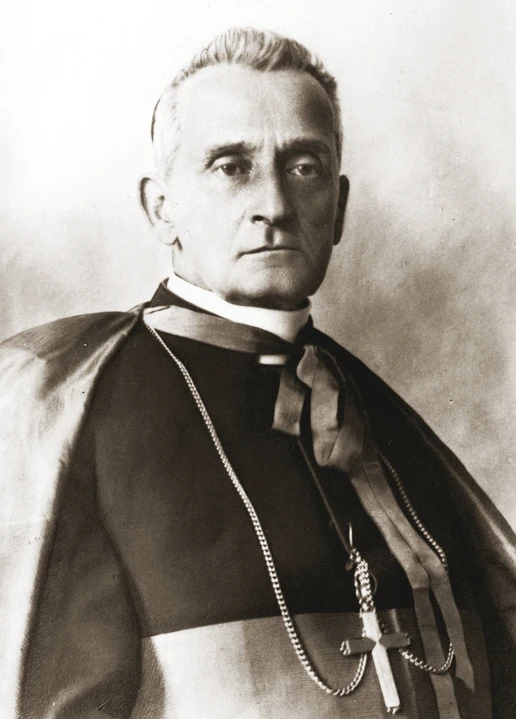
Cardinal Sapieha — Krakow under Occupation
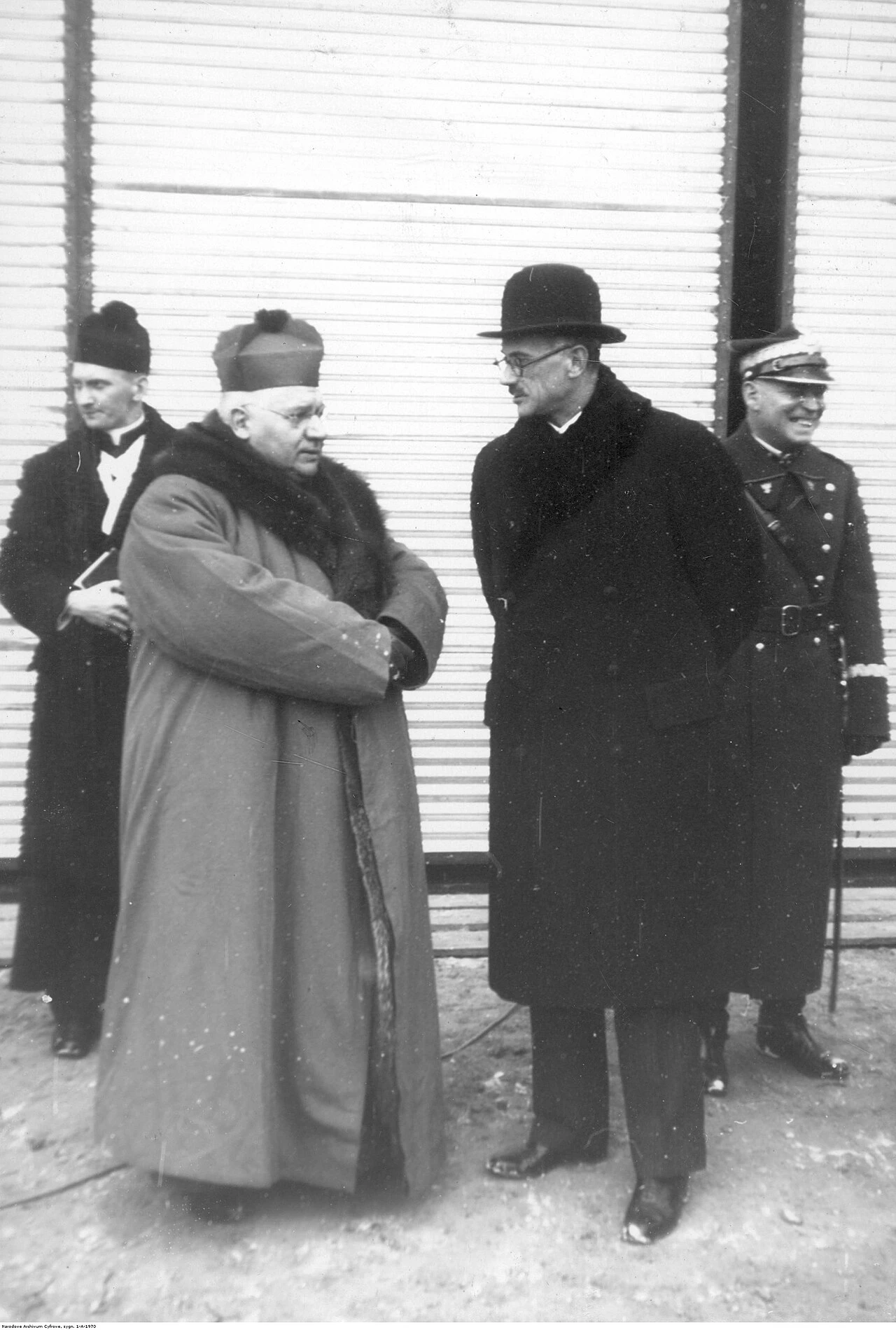
Bishop Adamski in annexed Katowice
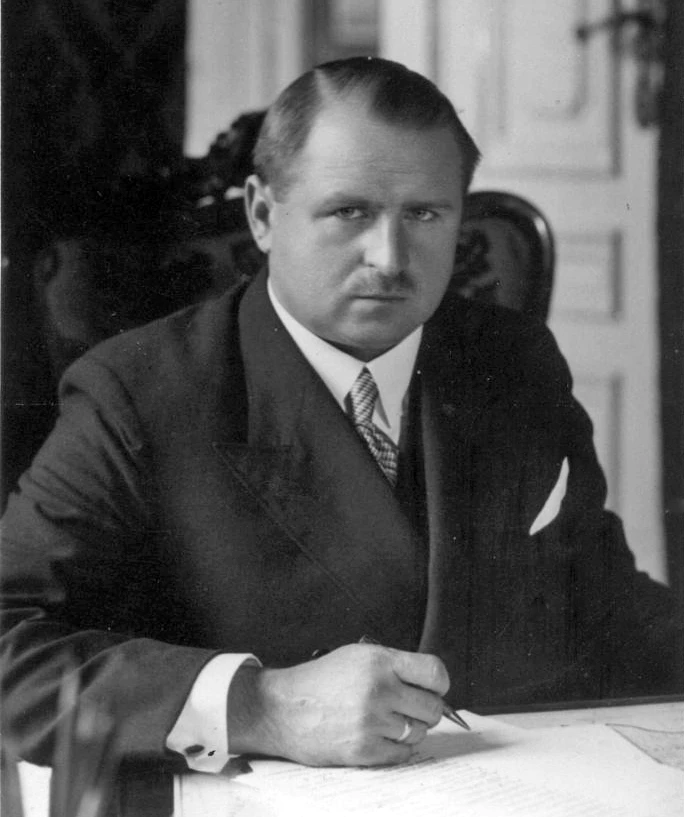
Starzyński — Mówi Warszawa
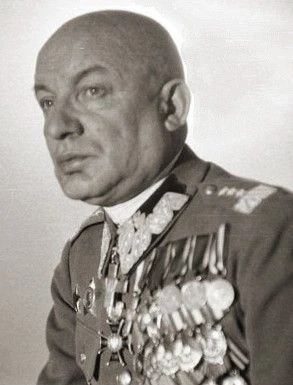
Wasilewska in Lwów, then Moscow
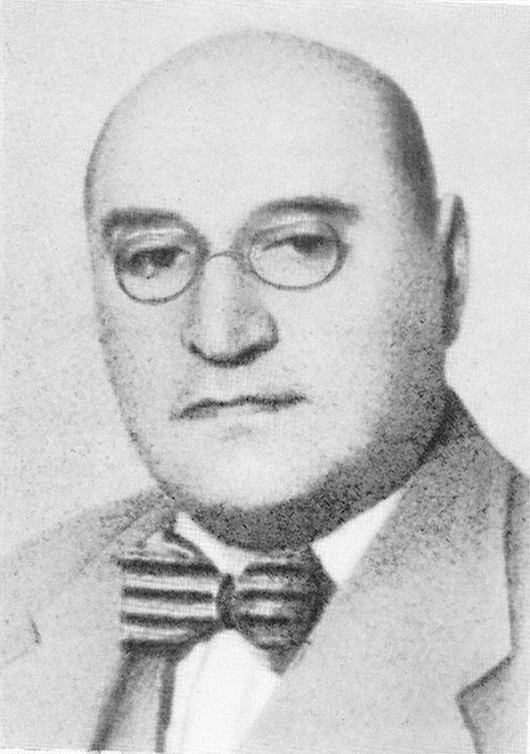
Czerniaków — the offer of the Judenrat
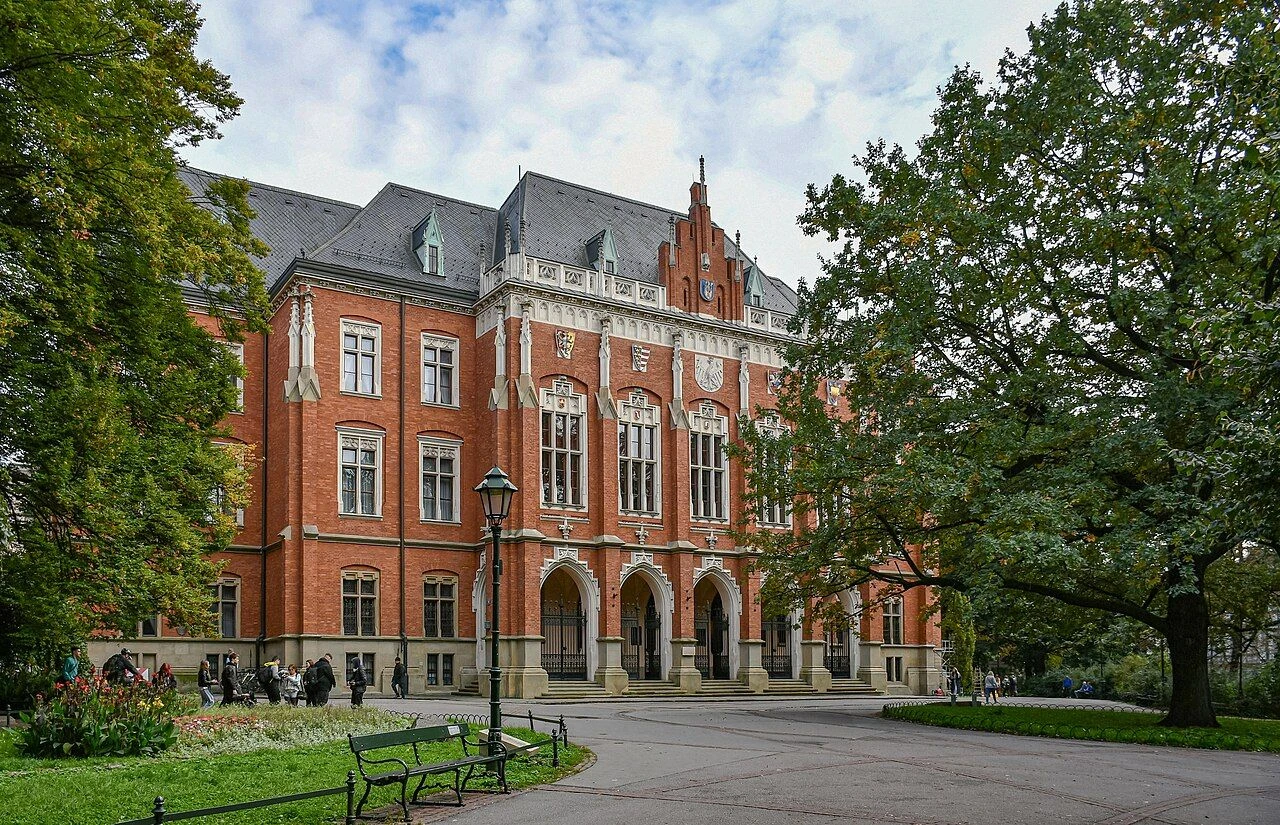
Hans Frank — the taking of the Wawel
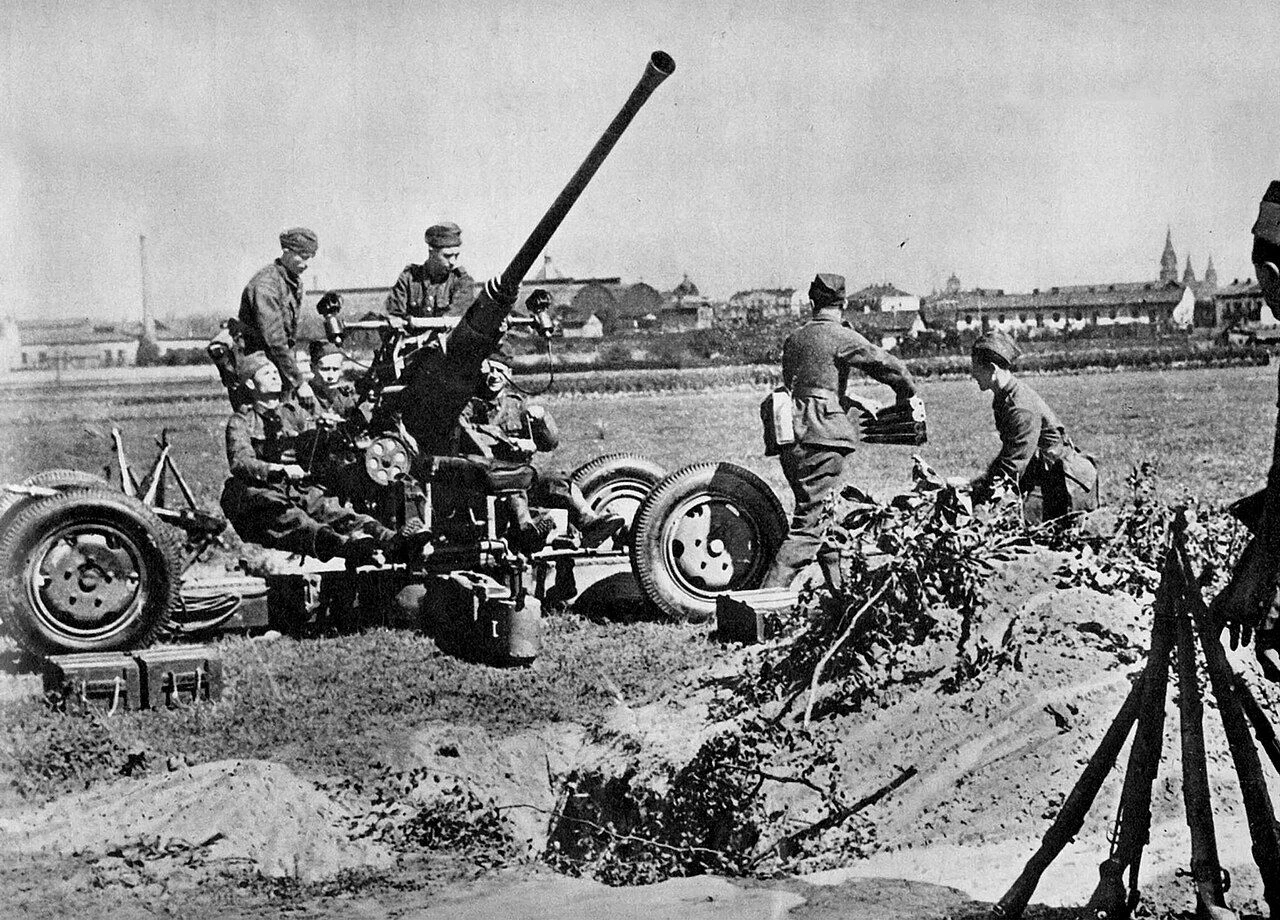
Lwów — Langner between two occupiers
Rydz-Śmigły at Kuty — the directive of 17 September
Borakowski and the merchant fleet
Cardinal Hlond — the Vatican's instruction
Cardinal Sapieha — Krakow under Occupation
Bishop Adamski in annexed Katowice
Starzyński — Mówi Warszawa
Wasilewska in Lwów, then Moscow
Czerniaków — the offer of the Judenrat
Hans Frank — the taking of the Wawel
Lwów — Langner between two occupiers