
"Cromwell" — England, 7 September 1940
Since July 1940, General has commanded the Home Forces, the army defending British soil. Under his orders, the staff (GHQ Home Forces) keeps the country on alert against a German invasion that many have believed imminent since the fall of France.
The alert system rests on code words. The gravest, "Cromwell", means "invasion imminent": it immediately brings the troops to action stations, recalls men on leave and authorises the Home Guard to ring the church bells — a signal reserved, since the summer, for announcing a landing.
In the first week of September, the signs mount. Aerial reconnaissance photographs hundreds of landing barges massed from Boulogne to Flushing. Tide and moon conditions will favour an assault between 8 and 10 September. German spies put ashore on the coast have just been captured. The Luftwaffe's great raid on London this 7 September could pass for a softening-up.
On the evening of 7 September, the staff must decide within hours, without any certainty that the landing will in fact take place.
Should GHQ Home Forces trigger "Cromwell", the imminent-invasion signal, on the strength of still uncertain indications?
GHQ Home Forces chose A. At 20:07 on this 7 September 1940, the order "Cromwell" was transmitted to Eastern and Southern Commands. Conceived to bring troops to action stations, it was understood in many places as the announcement of the landing itself: Home Guard commanders, on their own initiative, rang the church bells, which set off rumours of parachutists and a chain reaction across the country. No invasion came: Operation Seelöwe was not launched. The very next day, 8 September, GHQ had to clarify the instructions — the bells would henceforth be rung only by a member of the Home Guard who had himself seen at least 25 parachutists land. The episode exposed the nervousness of an improvised defence and the murkiness of the alert chain. Hitler postponed Seelöwe on 17 September, before abandoning it. The "Cromwell false alarm" remains a textbook case on the cost of ambiguous signals in a crisis.
Learn more about this event
Related polls
10
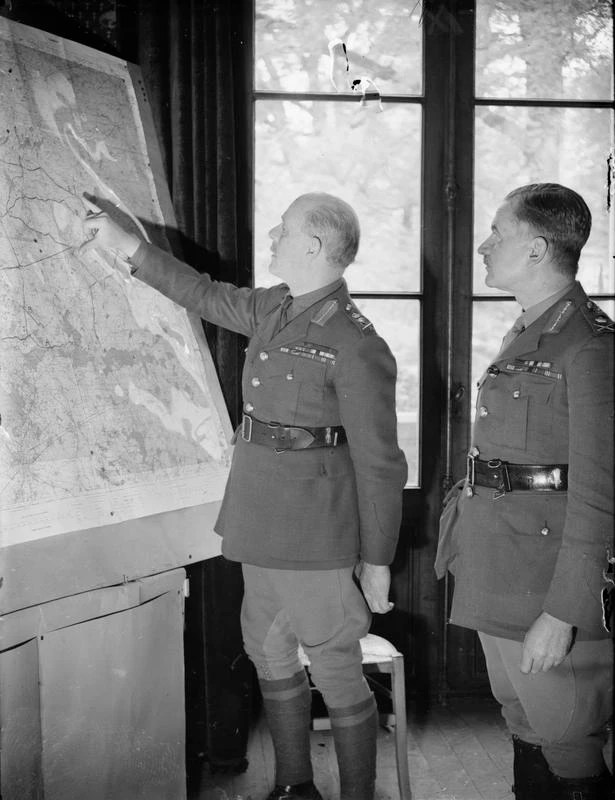
Gort at Habarcq — trust in the French plan
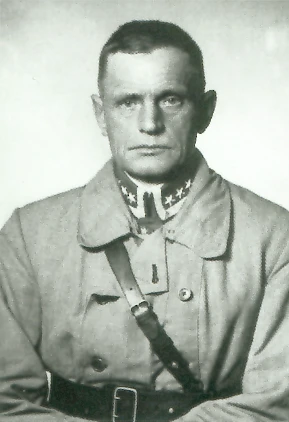
Gudbrandsdal — Ruge imposes his line
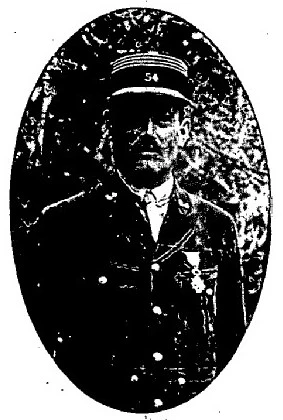
Touchon on the Aisne — Fall Rot
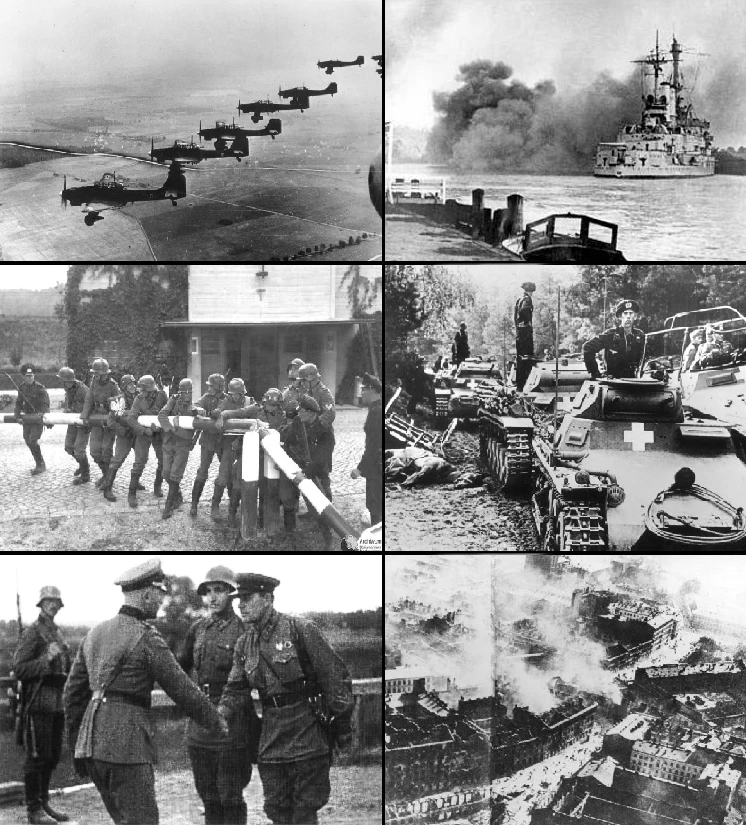
The Polish Army and the Deployment
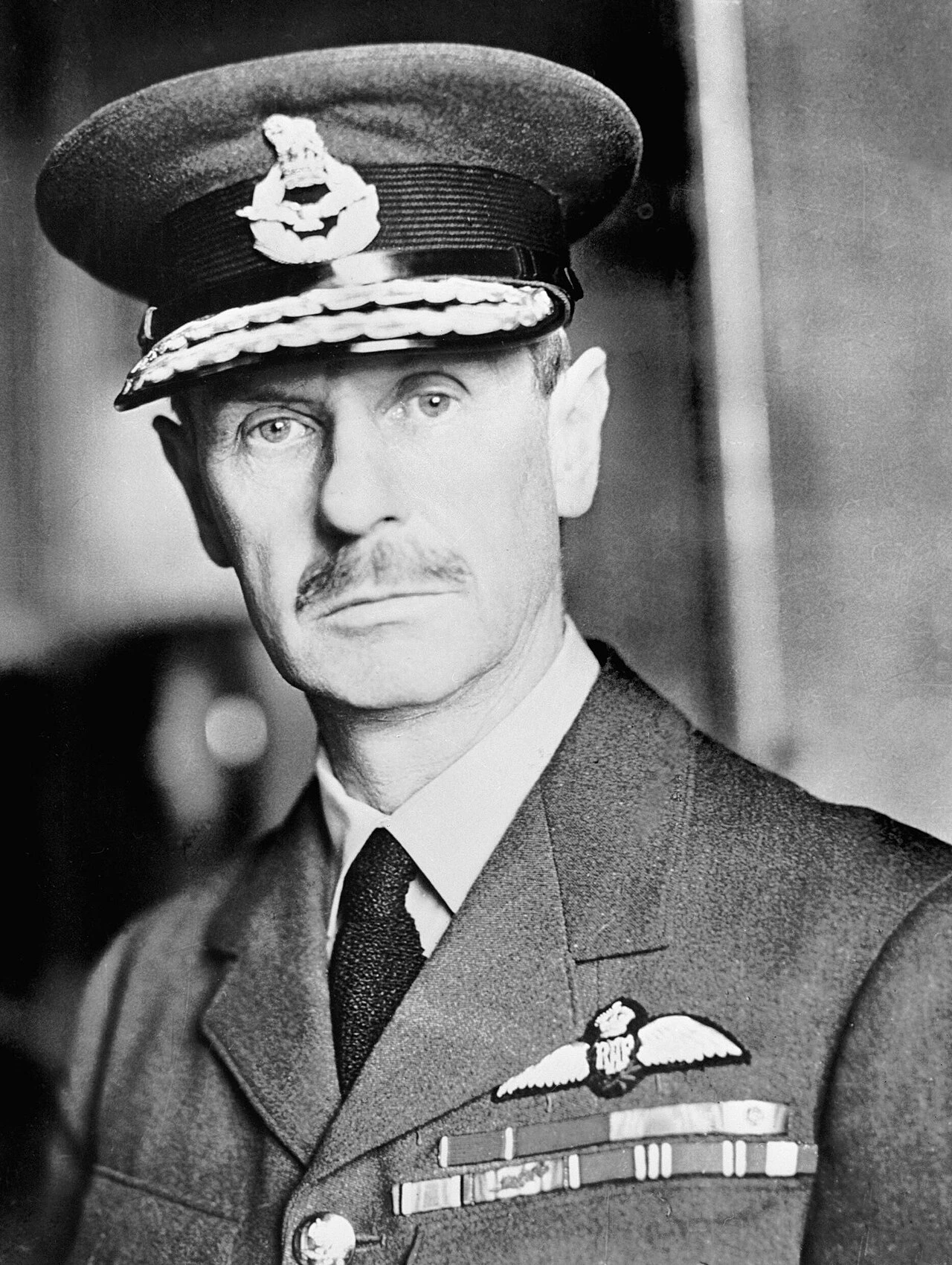
Dowding — Keep the Fighters?
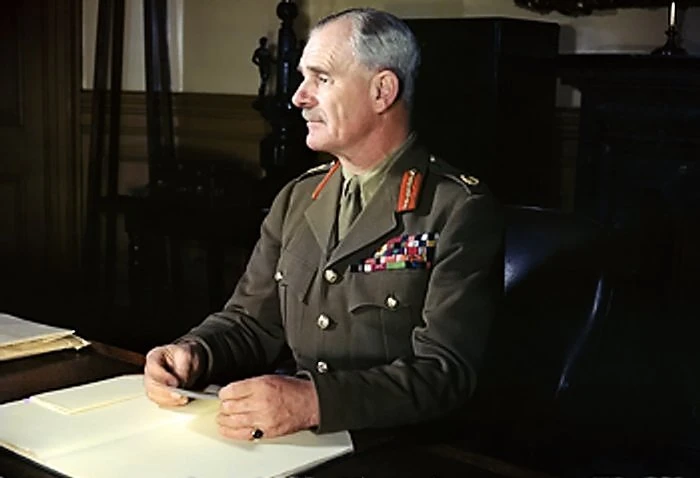
Wavell in the face of Rommel's storm
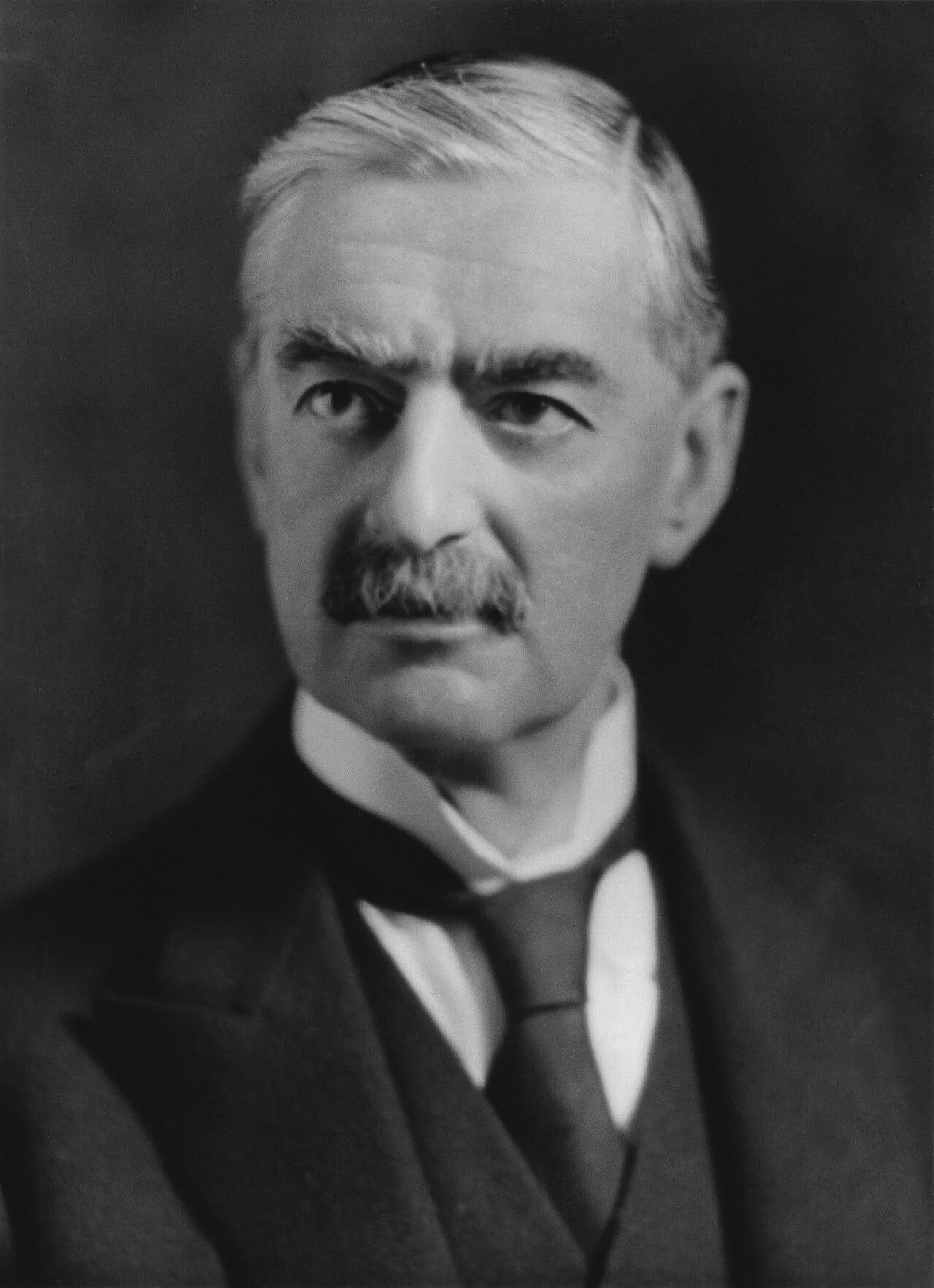
War council — leave central Norway?
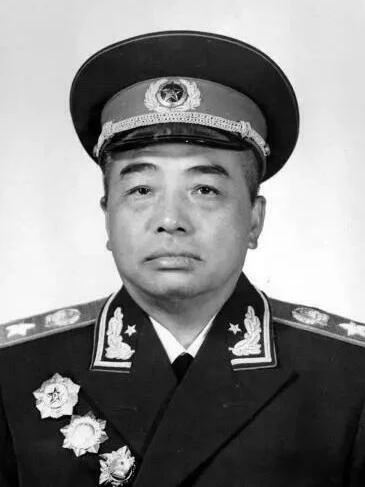
Peng Dehuai — the Hundred Regiments Offensive
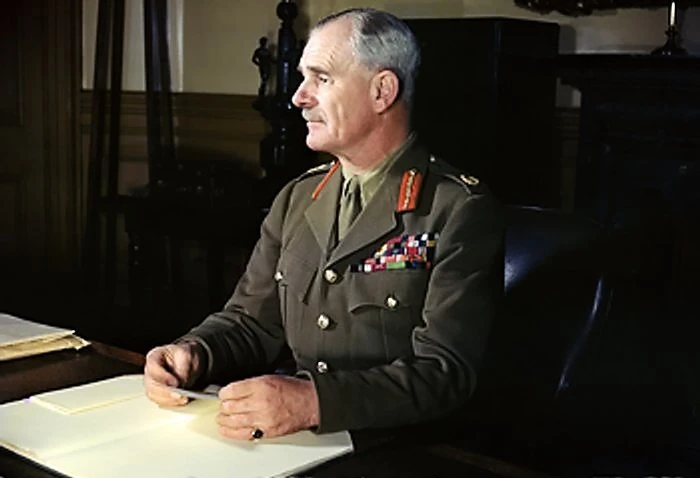
Wavell Against the 150,000 Italians — Egypt, September 1940
The abatis of the Chasseurs Ardennais
Gort at Habarcq — trust in the French plan
Gudbrandsdal — Ruge imposes his line
Touchon on the Aisne — Fall Rot
The Polish Army and the Deployment
Dowding — Keep the Fighters?
Wavell in the face of Rommel's storm
War council — leave central Norway?
Peng Dehuai — the Hundred Regiments Offensive
Wavell Against the 150,000 Italians — Egypt, September 1940