
Reinhardt toward the ports — the Arras threat
After his delayed start at Monthermé, had pursued his advance westward. On 21 May, his reached Saint-Omer, in the Pas-de-Calais, some 50 miles north of Abbeville where Guderian had just touched the Channel. His mission was now plain: race for Boulogne, Calais and Dunkirk, the three ports by which the British Expeditionary Force might evacuate. Kempf's was advancing on Calais by way of Aire-sur-la-Lys.
Since crossing the border, his tanks had already covered hundreds of miles in eleven days. The Panzers' rush to the sea had driven the Allied armies of the north into a vast pocket, now threatened with complete encirclement.
But at 14:00 on this 21 May, an unforeseen counter-attack broke out at Arras: Major-General Franklyn's British launched some 74 Matilda tanks against the flank of Rommel's . It was the first real German setback of the campaign; Rommel himself would describe in his notes a brief moment of dismay. The threat was serious — the Matildas resisted the 37 mm guns — and it worried the German command about the solidity of the northern flank. Reinhardt had to decide on the pace to set.
Accelerate the rush on Calais, consolidate at Saint-Omer, or split your forces?
Reinhardt applied A. He accelerated toward the coast: Boulogne was reached on 22 May, Calais surrounded on 23 May, while the Arras counter-attack was contained farther east, notably by 88 mm guns used against the Matildas. Boulogne fell on 25 May after the resistance of the ; Calais held longer, Brigadier Nicholson refusing any ultimatum until 26 May. The pocket around the BEF and the French armies of the north closed, soon leaving only Dunkirk as a maritime way out — where Operation Dynamo would be played out. The Panzers' rush to the ports was militarily decisive, but the halt ordered by Hitler on 24 May would suspend its momentum. Reinhardt would go on to a top-rank career; his later operations in Yugoslavia and the USSR would earn him 15 years' imprisonment at Nuremberg in 1948.
Learn more about this event
Related polls
10
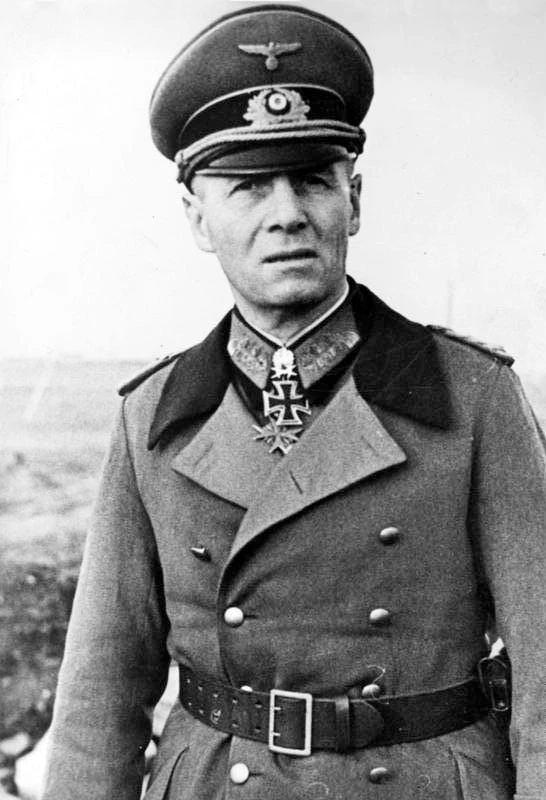
Rommel's ghost division
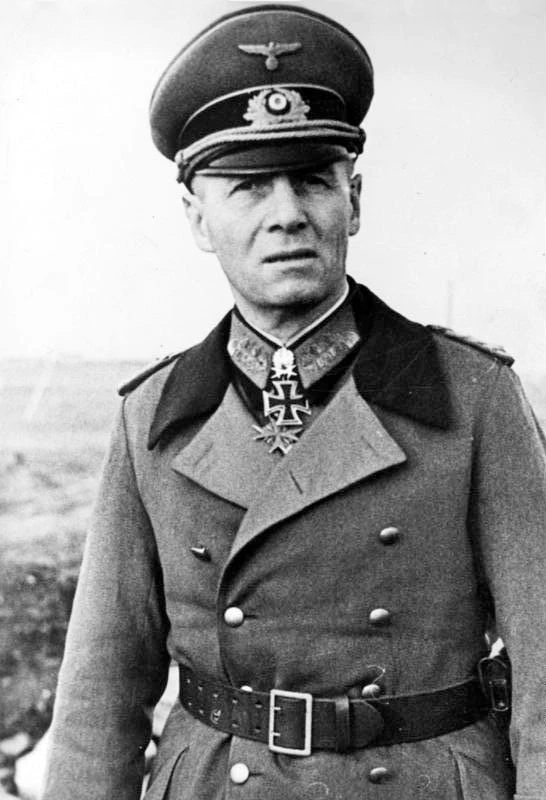
Rommel before the Serre — the Crécy bridge
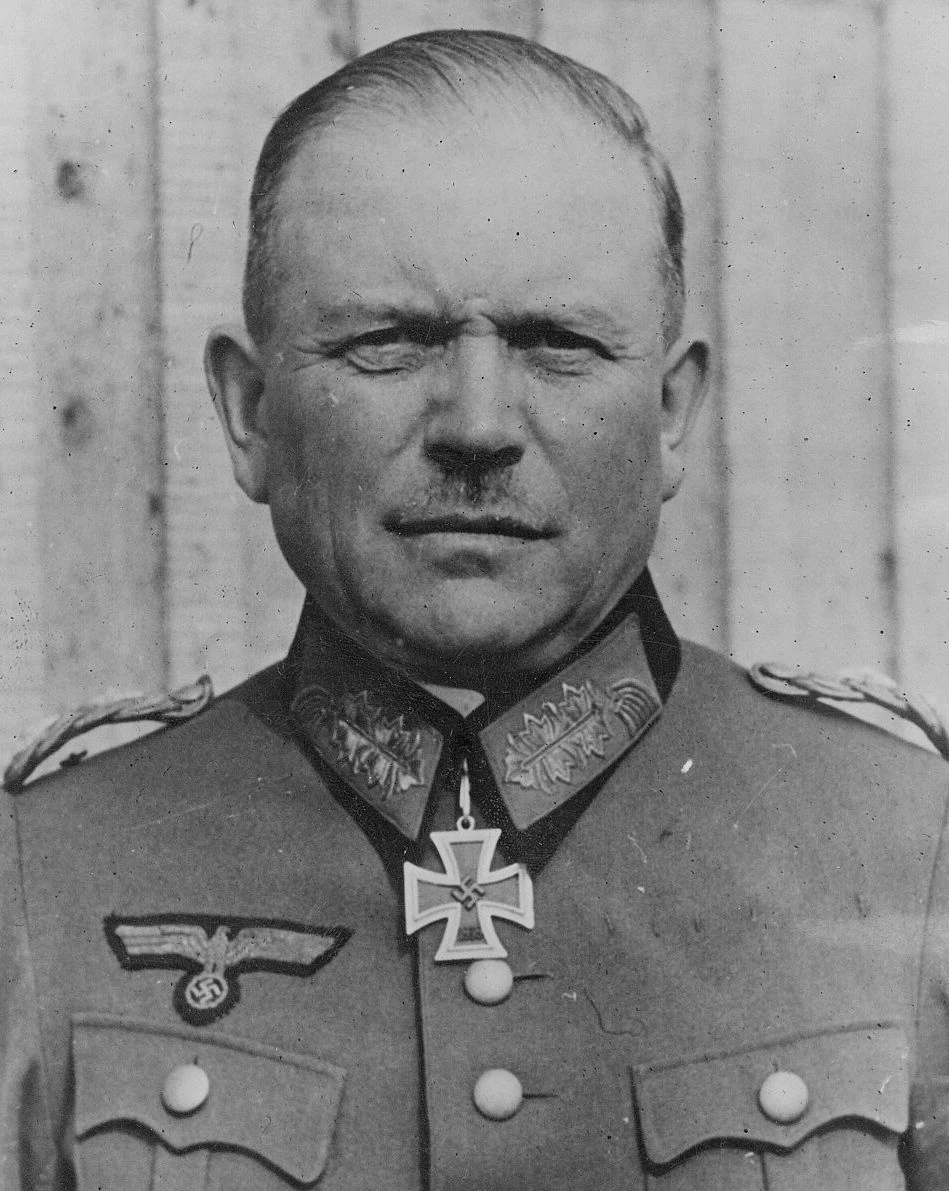
Sedan — Guderian on the Meuse

The Houx weir
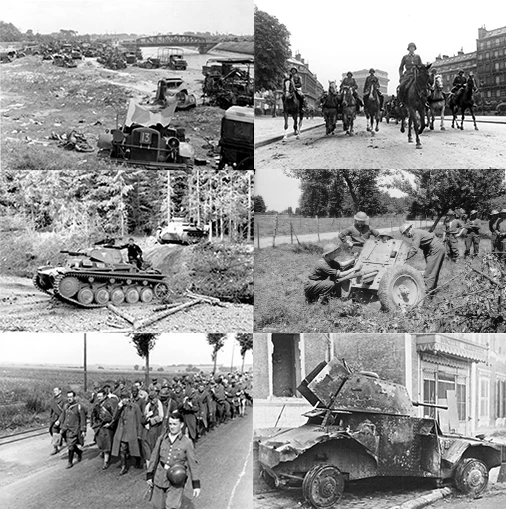
Fall Gelb — the order of 9 May 20:00
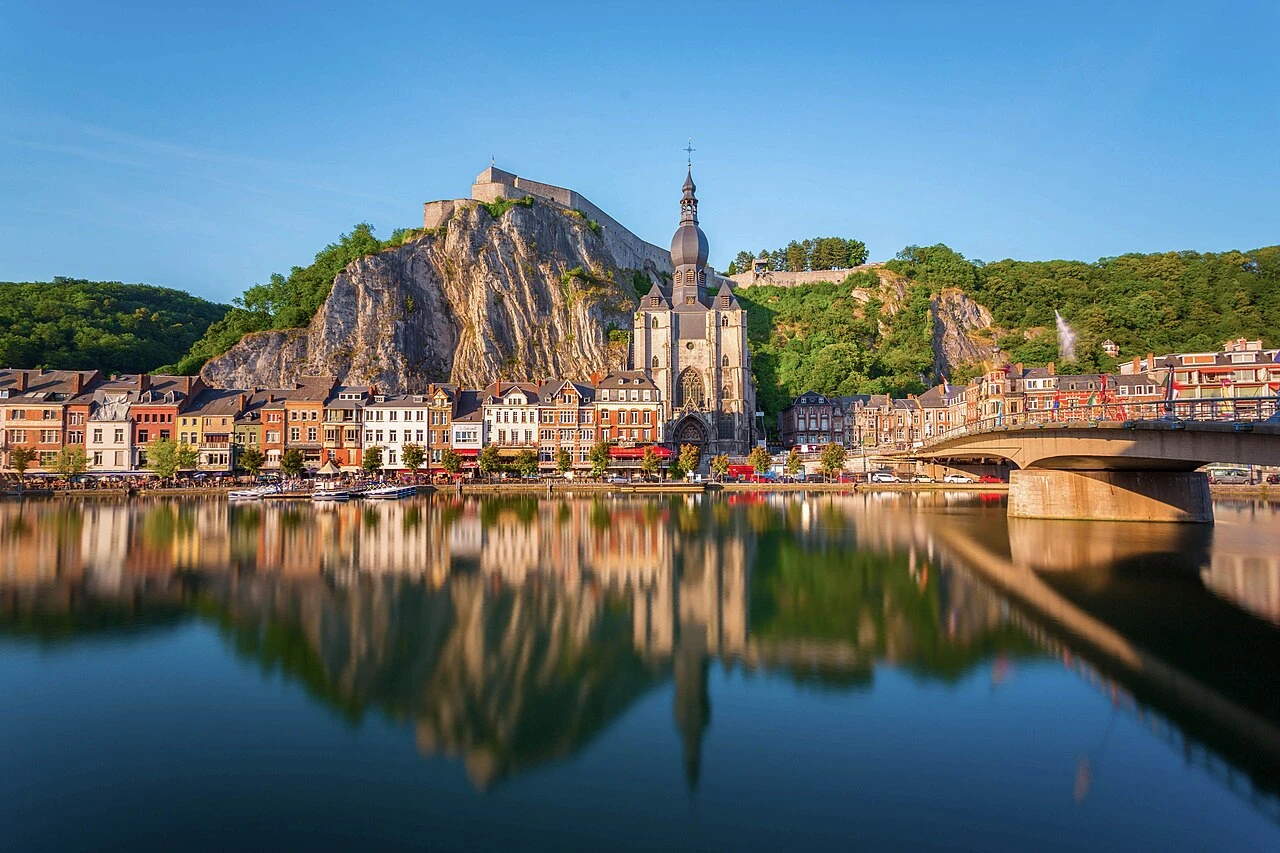
The crossing of the Meuse at Dinant
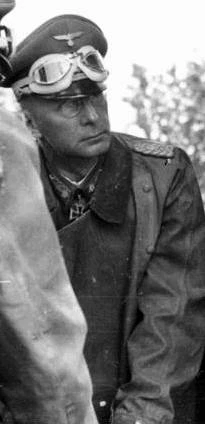
Reinhardt stuck in the Ardennes — 11 May
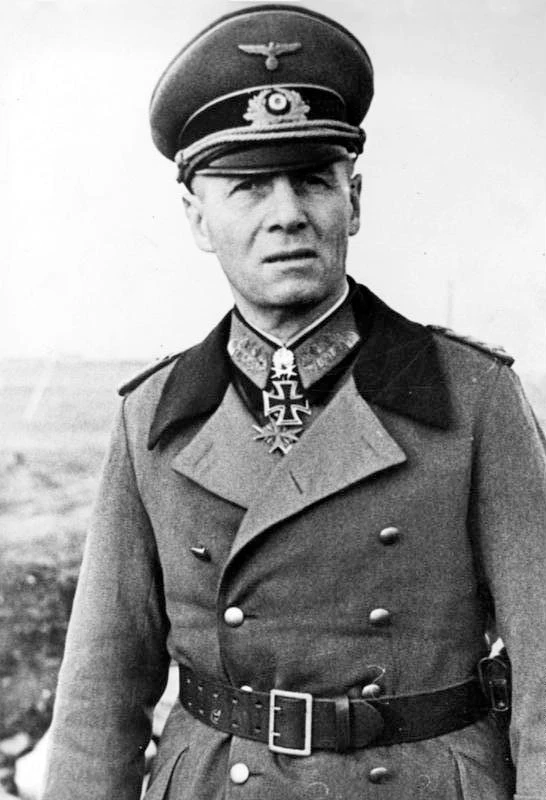
Rommel before the Meuse — Dinant, 13 May
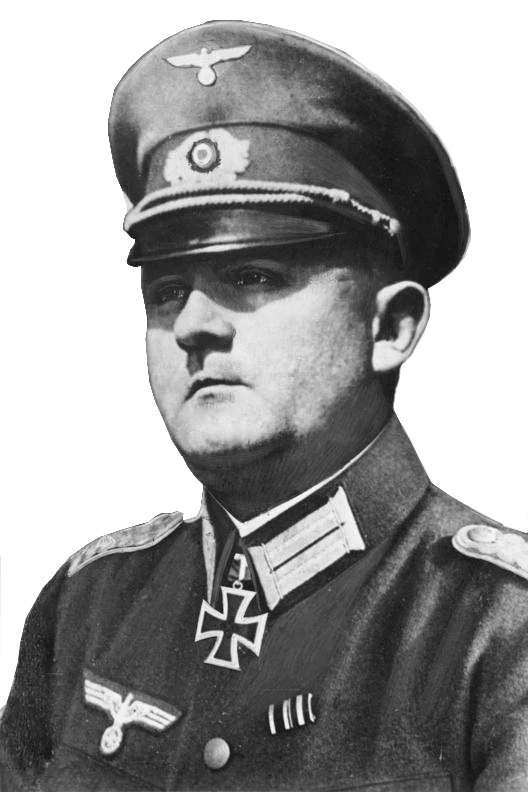
Waalhaven — assault on the Rotterdam airfield
Pintor in the Alps — 21 June
Rommel's ghost division
Rommel before the Serre — the Crécy bridge
Sedan — Guderian on the Meuse
The Houx weir
Fall Gelb — the order of 9 May 20:00
The crossing of the Meuse at Dinant
Reinhardt stuck in the Ardennes — 11 May
Rommel before the Meuse — Dinant, 13 May
Waalhaven — assault on the Rotterdam airfield