
On 21 December 1939 officially celebrated his sixtieth birthday (a conventional date — he had in reality been born in 1878 or 1879 according to the Georgian sources). The occasion was used by the regime to stage the high point of the personality cult. Preparation: from October 1939 the Politburo prepared ceremonies in every republic. Giant posters (up to 30 metres high on Red Square), public speeches in every factory, military parades, premières of films by Eisenstein and Pudovkin celebrating "Stalin's victories".
The moment was delicate. The Winter War was going badly — Suomussalmi would fall on 30 December, Raate on 7 January. The expulsion from the League of Nations had come on 14 December. The 60th birthday had to show Stalin's geopolitical stature independently of the military reverses.
Stalin received personally at the Kremlin baths: Molotov, Beria, Voroshilov, Kaganovich, Mikoyan, Khrushchev, Zhdanov, Malenkov — the full Politburo. The central gift: Hitler sent a personal telegram: "Best wishes for your good health and for the happy future of the peoples of the friendly Soviet Union on your sixtieth birthday." Ribbentrop added: "In memory of our memorable meeting at the Kremlin."
Stalin had to choose the register of his public reply.
Should Stalin reply publicly to Hitler's congratulations?
Stalin chose A. On 23 December 1939 Stalin's public telegram went to Hitler: "I thank you, Mr. Chancellor of the Reich, for your congratulations. The friendship of the peoples of Germany and the Soviet Union, sealed in blood, has every reason to be lasting and firm." The phrase "sealed in blood" (krov'iu skreplennaya) caused a scandal in the Western chancelleries: to what "blood" was Stalin referring? To the blood jointly shed over Poland in September 1939. The phrase ran in the editorials of The Times and the New York Times in the following days. Hitler replied with a no less warm public telegram on 25 December. This publicity worsened the USSR's international image as a Nazi co-belligerent. But Stalin was unmoved. During the birthday luncheon at the Kremlin, Beria laid before him the NKVD report on the 22,000 Polish officers held in the Kozelsk, Starobielsk and Ostashkov camps. Stalin marked the report: "To be dealt with." It was this order that would lead, three months later, to the Katyn massacre (5 March 1940, signed by Beria, Voroshilov, Molotov, Mikoyan and Stalin). Stalin's birthday of 21 December 1939 remained the absolute high point of the personality cult. Stalin died in March 1953.
Learn more about this event
Related polls
10
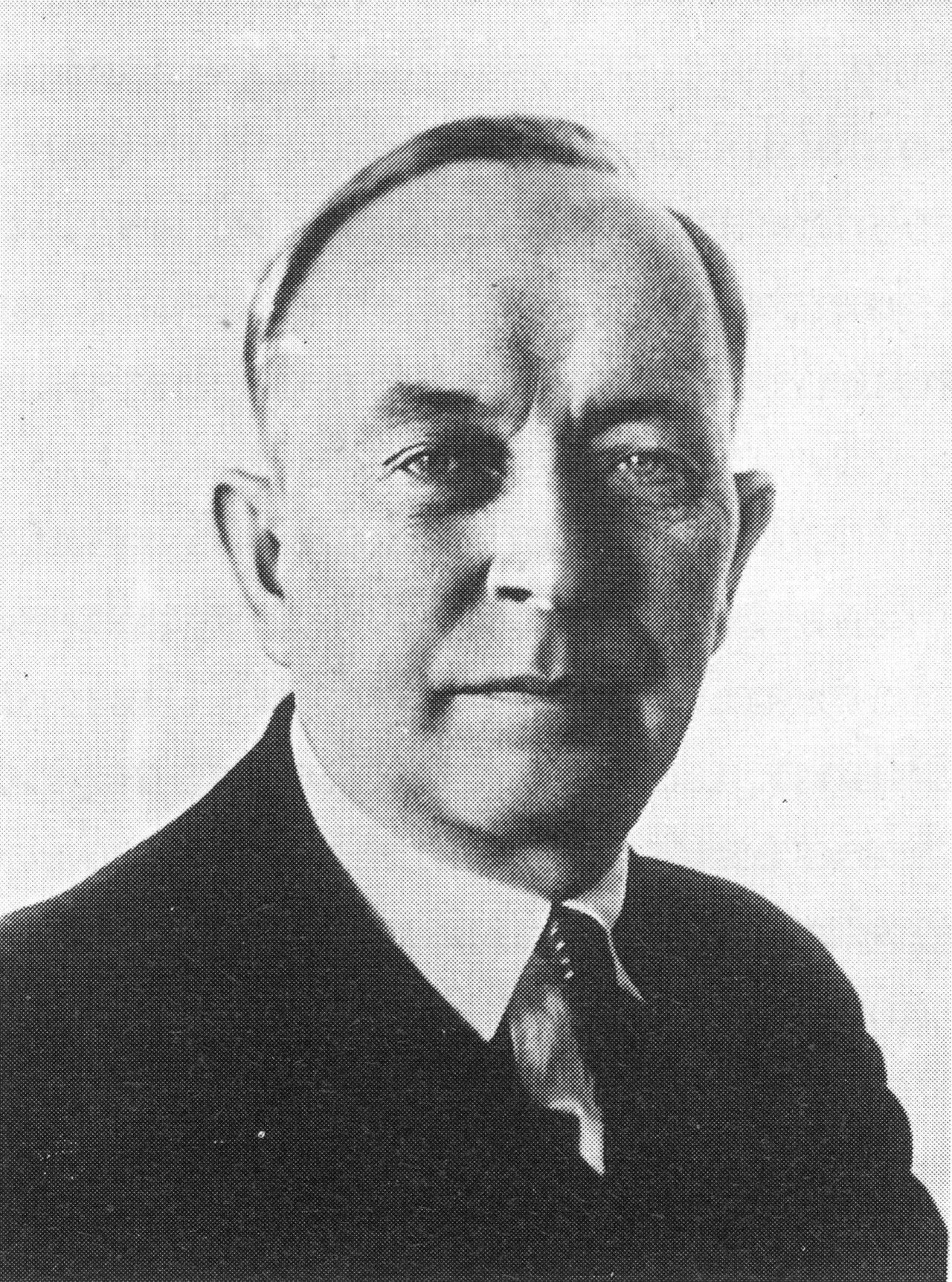
Kuusinen — Terijoki, 1 December
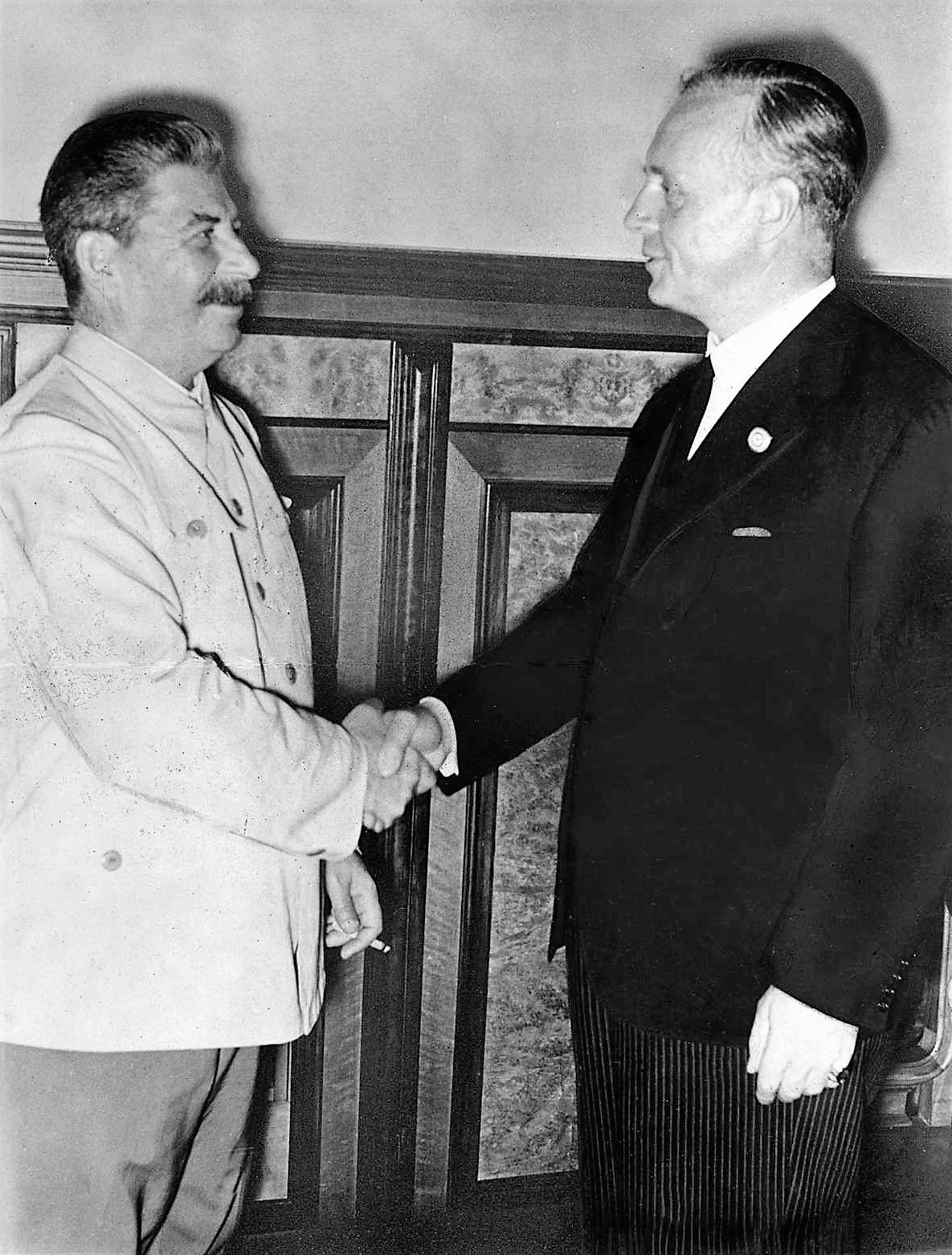
Ribbentrop in Moscow — the Accord of 28 September
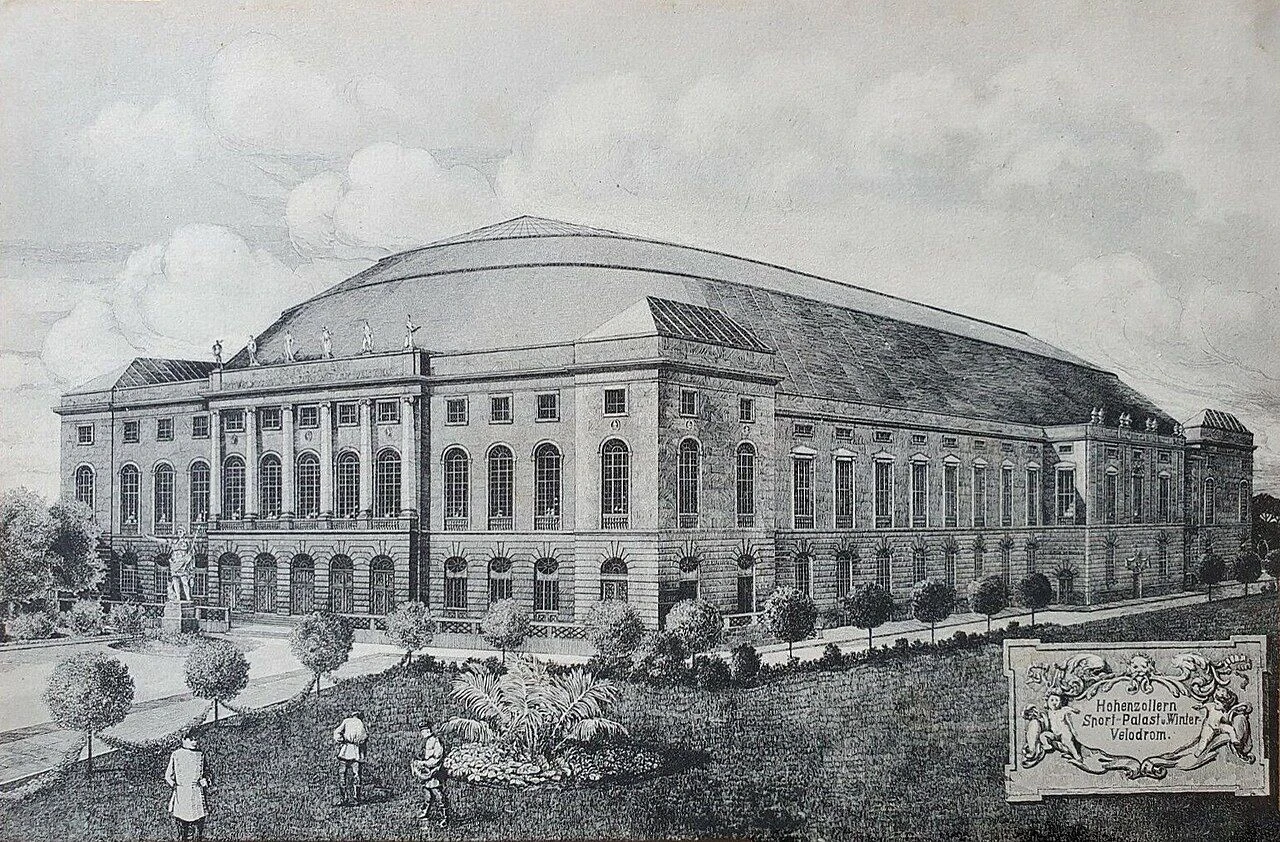
Hitler at the Sportpalast — 30 January, 8 pm
Müller in Rome — the Vatican channel
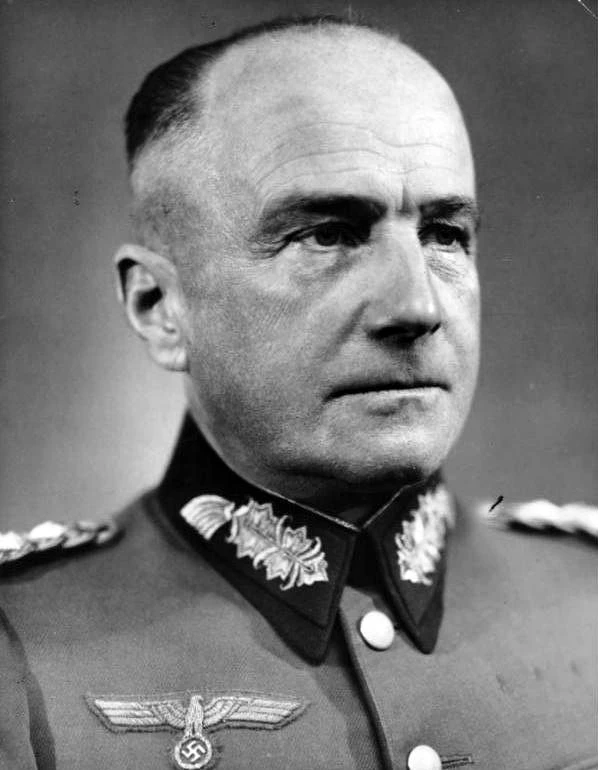
Brauchitsch — Reich Chancellery, 5 November
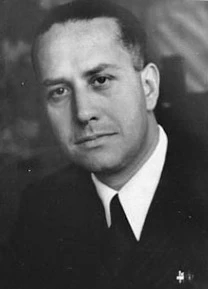
Ciano summons the ambassadors — 10 June
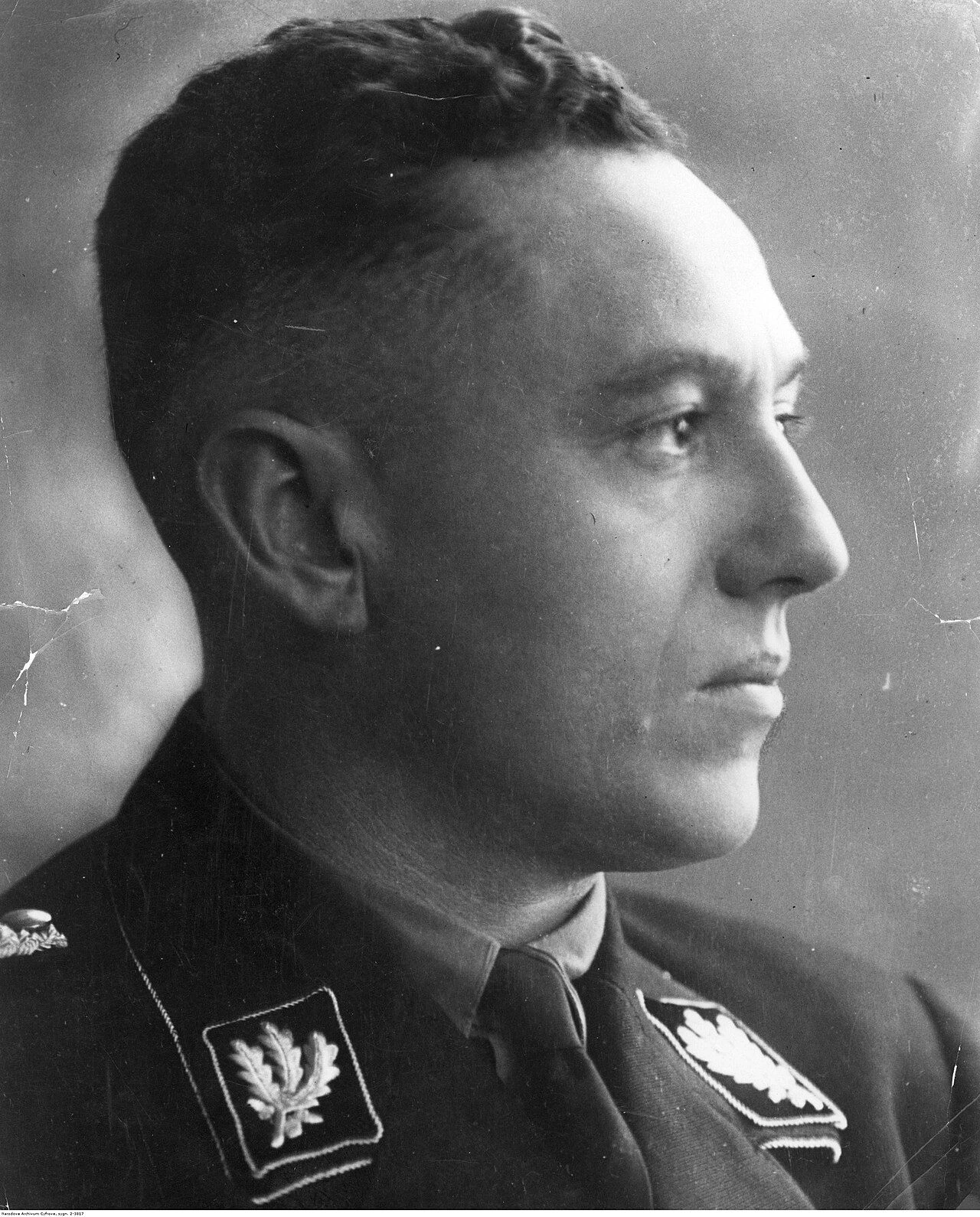
Forster — Kashubians and Kociewiacy
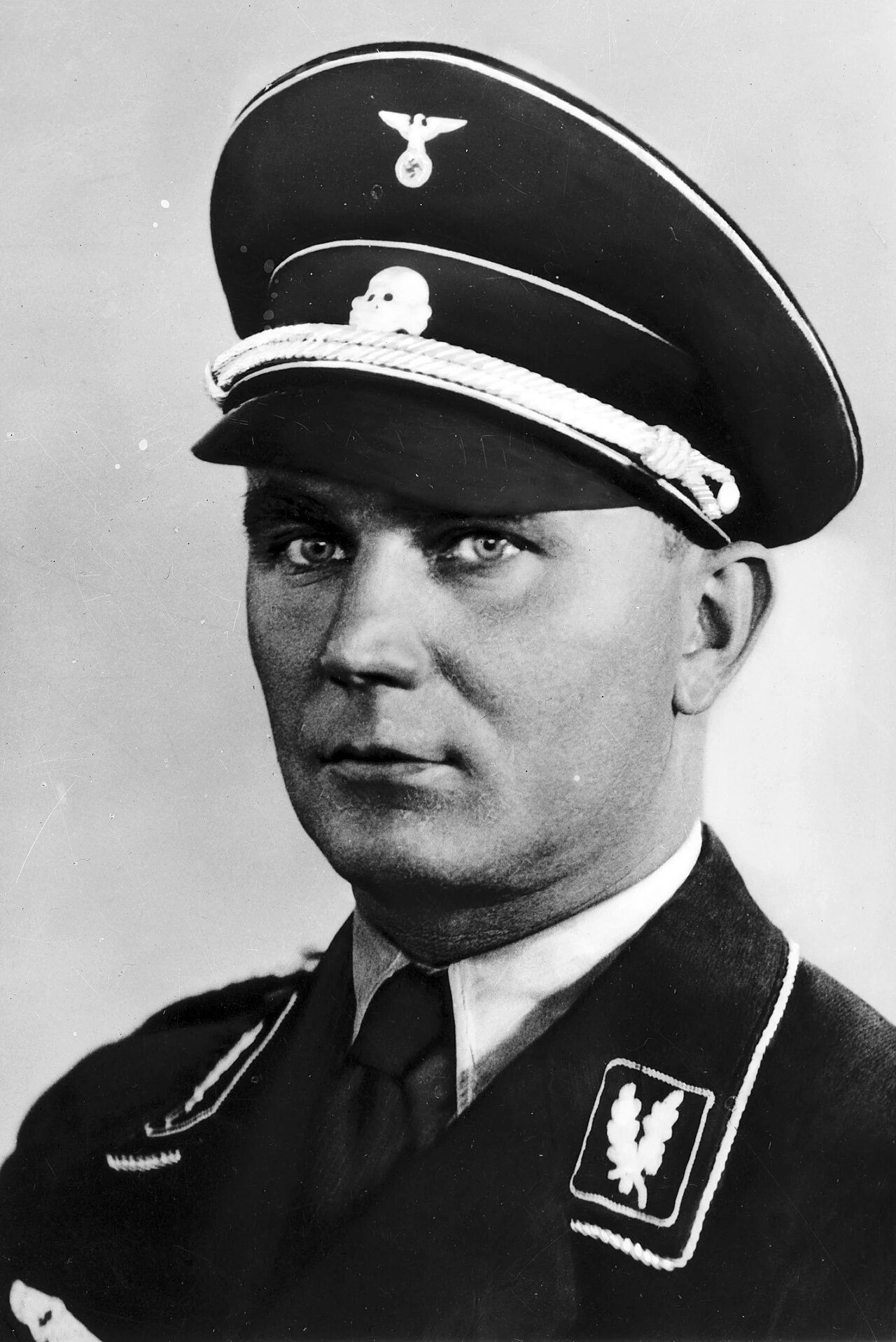
Greiser — the Priority of the Wartheland
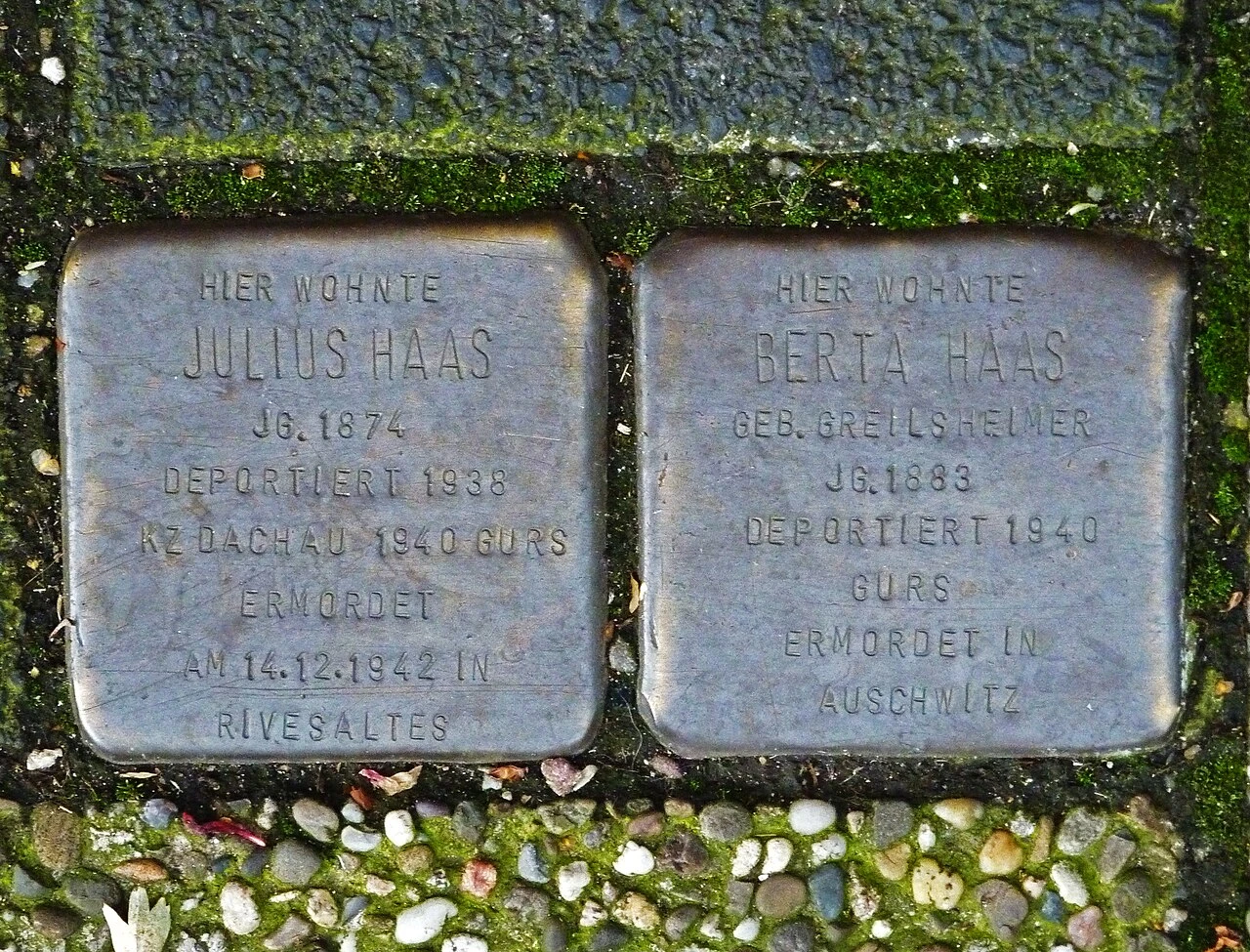
Hannah Arendt, Stateless and Interned, Facing Exile
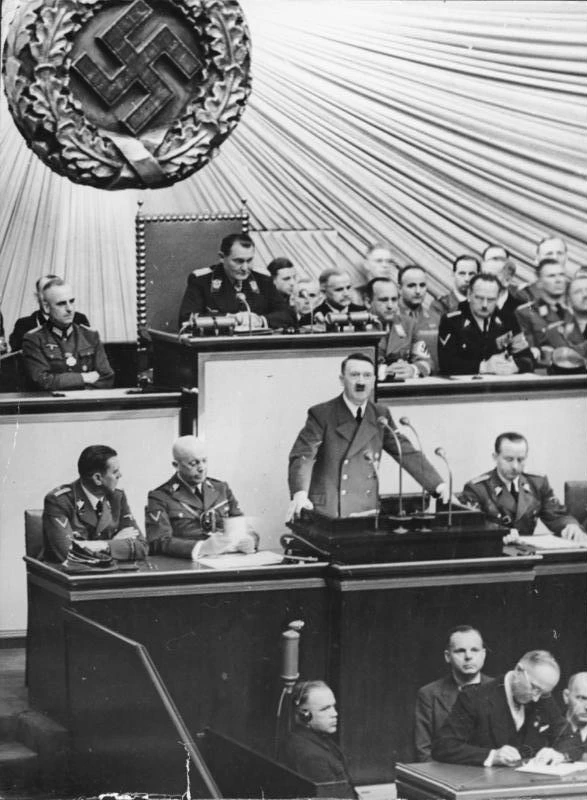
Hitler — the Reichstag Speech
Kuusinen — Terijoki, 1 December
Ribbentrop in Moscow — the Accord of 28 September
Hitler at the Sportpalast — 30 January, 8 pm
Müller in Rome — the Vatican channel
Brauchitsch — Reich Chancellery, 5 November
Ciano summons the ambassadors — 10 June
Forster — Kashubians and Kociewiacy
Greiser — the Priority of the Wartheland
Hannah Arendt, Stateless and Interned, Facing Exile