
The Arajs Kommando — Latvian collaboration in the Holocaust
When the Wehrmacht entered Riga on 1 July 1941, Latvia was emerging from a year of Soviet occupation (1940–1941) that had left deep resentment: the mass deportations of June 1941, nationalizations, executions by the NKVD. The Germans, in particular 's , sought to channel this rancour by recruiting local auxiliaries. , born in 1910, a former non-commissioned officer of the Latvian army and a law student, was approached by the SD.
The German aim was clear: to form a Latvian security unit, recruited from among students, members of the Aizsargi organization, and former soldiers, to carry out in Riga and then in the provinces the hunting down and elimination of Jews and Soviet officials. Such a force would operate under the control of the SD, with the means and impunity the occupier conferred.
Arajs's choice was neither coerced nor inevitable: other Latvian officers would refuse or keep their distance. Serving the occupier promised position and power at the cost of total complicity; refusing or fleeing meant giving up that advantage but preserving something else. In the aftermath of the capture of Riga, the man had to answer the SD's solicitation.
Approached by the German SD in the aftermath of the capture of Riga, does Arajs agree to organize a Latvian auxiliary unit, refuse, or flee?
Arajs organized the unit. On 4 July 1941, the SD set up under his command the "Arajs security group," installed on Valdemāra Street; that same day, the unit set fire to the Great Choral Synagogue on Gogol Street, sometimes with worshippers inside. Ranging across the province in blue trucks during the summer and autumn of 1941, the took part in the murder of around 26,000 people, including some 25,000 Jews from the Riga ghetto shot at Rumbula on 30 November and 8 December 1941, under the direction of . After the war, Arajs hid in West Germany under the false name and worked at a printing house in Frankfurt. Unmasked and arrested in 1975, he was sentenced to life imprisonment by the Hamburg court on 21 December 1979 for his part in the Rumbula massacre. He died in custody at Kassel-Wehlheiden prison on 13 January 1988, on his 78th birthday.
Learn more about this event
Related polls
10
Gleiwitz — Naujocks at the Transmitter
The deportation of the Volga Germans
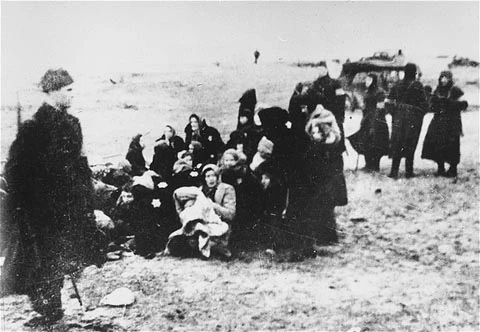
The Latvian police battalions under German command
Châteaubriant: The List of Hostages

The Barbarossa decree — the 'licence to kill'
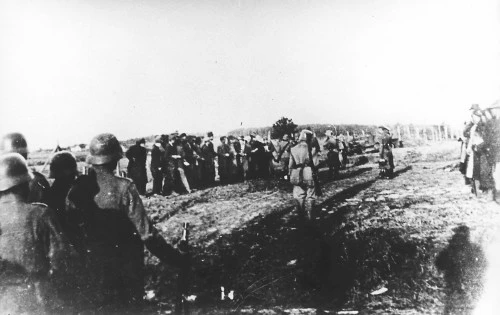
Denouncing the partisans under the terror of reprisals in Serbia
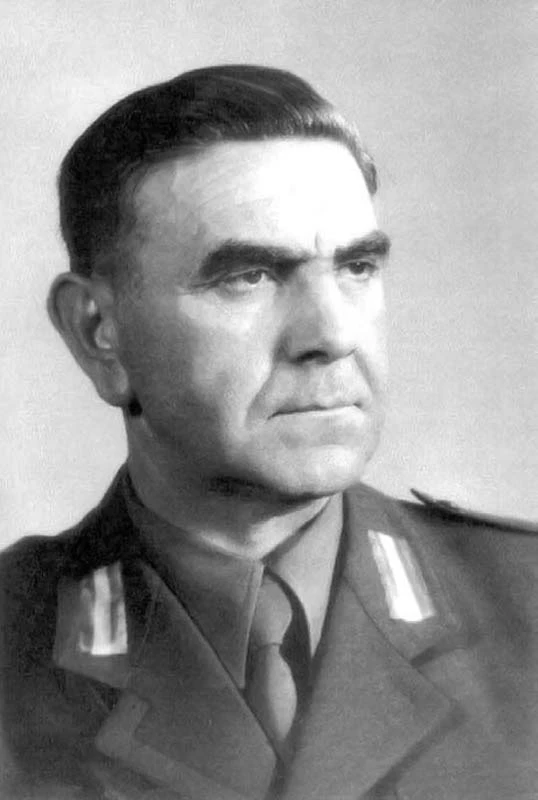
The Ustasha state and the fate of the Serbs
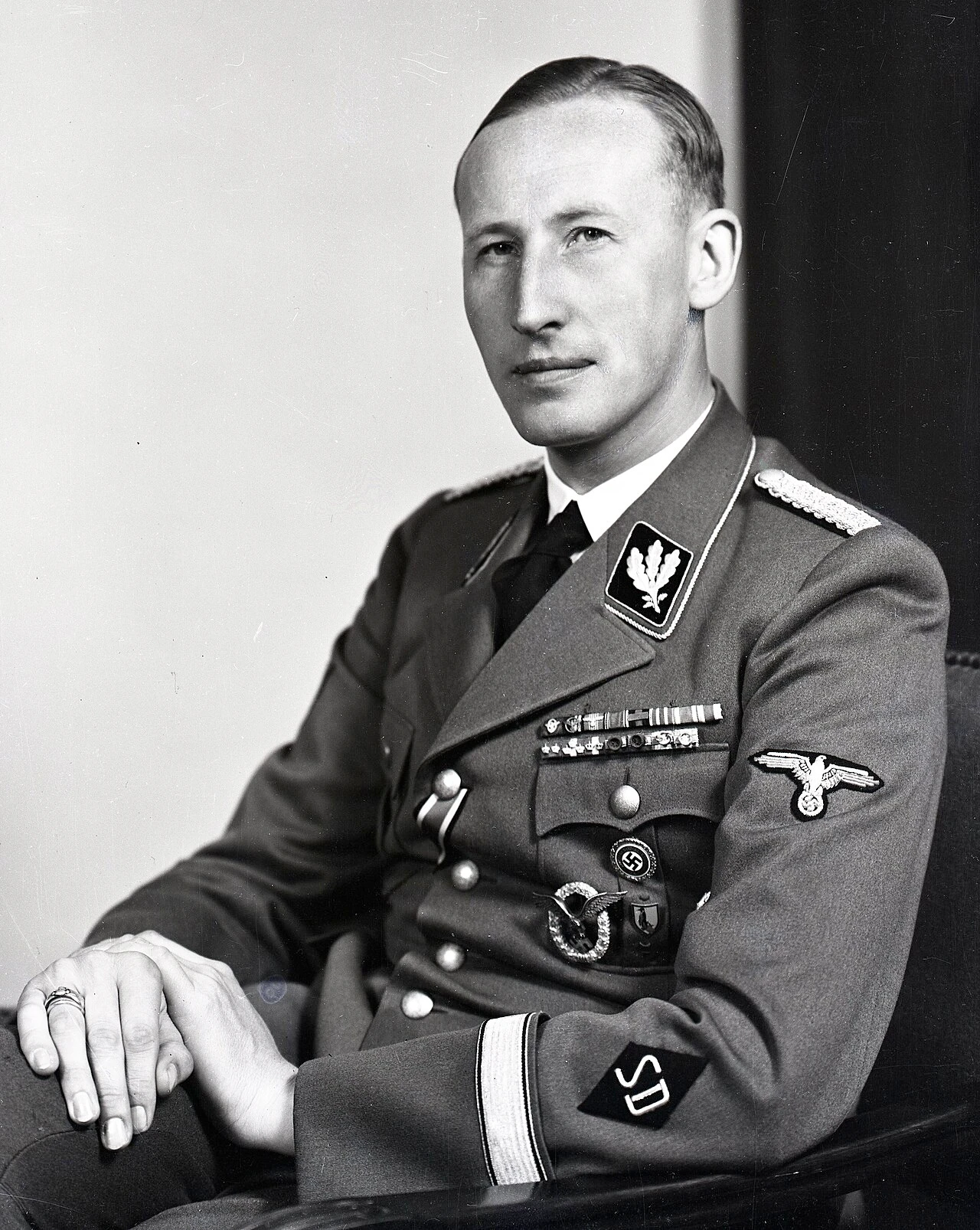
Heydrich Arrives in Prague
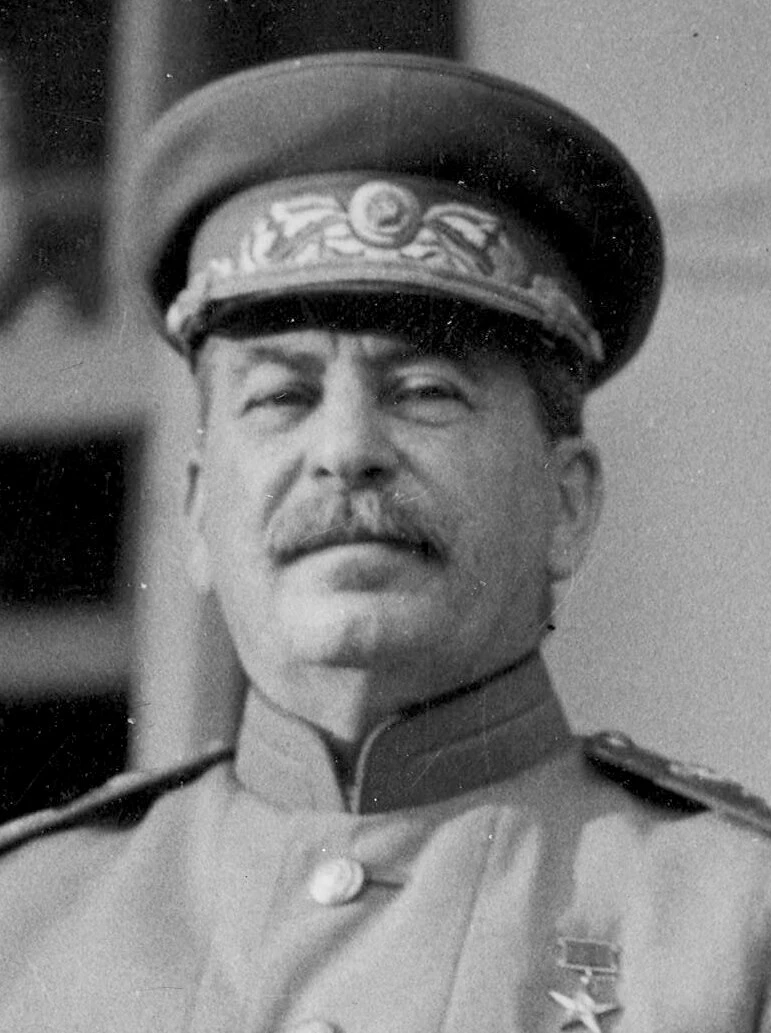
Stalin's Order No. 270
AB Aktion — planning at the Wawel
Gleiwitz — Naujocks at the Transmitter
The deportation of the Volga Germans
The Latvian police battalions under German command
Châteaubriant: The List of Hostages
The Barbarossa decree — the 'licence to kill'
Denouncing the partisans under the terror of reprisals in Serbia
The Ustasha state and the fate of the Serbs
Heydrich Arrives in Prague
Stalin's Order No. 270