
The Flamenpolitik of the Prisoners of War
At the capitulation, around two hundred thousand Belgian soldiers were taken prisoner and brought to Germany. The Nazi occupier decided to make this an instrument of its Flamenpolitik — the policy of favouritism towards the Flemish designed to divide the country. By decree, ordered as early as late May 1940 that Flemish prisoners be separated from Walloon ones.
For the prisoners, the consequence was direct and unequal. Flemish soldiers were, for the most part, gradually released and sent home between the summer of 1940 and early 1941. Walloon soldiers, on the other hand, were largely kept in captivity in Germany, where they would remain for years, subjected to forced labour, with a significant number of deaths.
Let us follow our Walloon prisoner. Faced with this policy, he could passively accept his fate in the hope of a later release; try to pass himself off as Flemish in order to be freed, at the cost of a renunciation; or attempt to escape. The Flamenpolitik confronted prisoners with bitter choices, dictated by a strategy of division they endured without having wished for it.
Should our Walloon prisoner endure his captivity, try to pass himself off as Flemish, or escape?
The Flamenpolitik produced its effects: most Flemish prisoners were released as early as 1940–1941, while around seventy thousand Walloons remained captive in Germany, of whom nearly two thousand would die there according to estimates (figures to be cross-checked). Many Walloon prisoners endured their fate (A), a few managed to escape, and the temptation to claim to be Flemish remained marginal. The measure, conceived to flatter the Flemish movement and divide Belgium, would leave a lasting resentment and fuel the post-war communal tensions. It illustrates the occupier's cynical exploitation of internal divisions.
Learn more about this event
Related polls
10
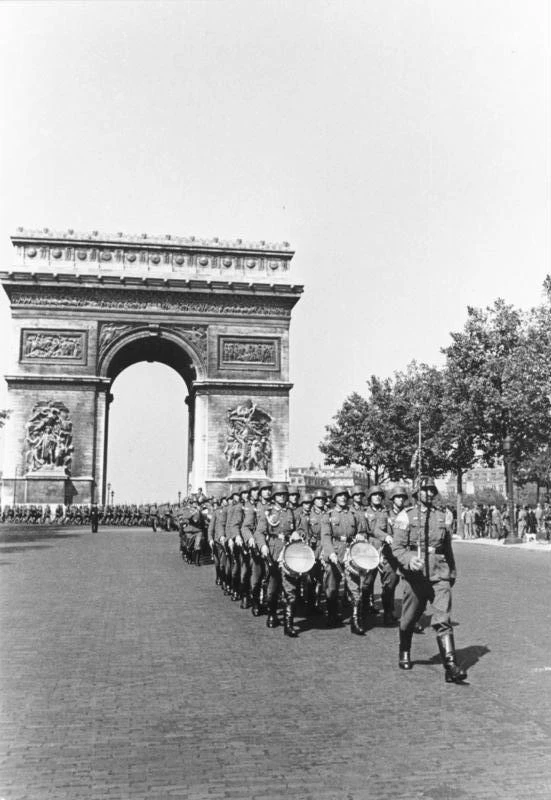
The Press under German Control
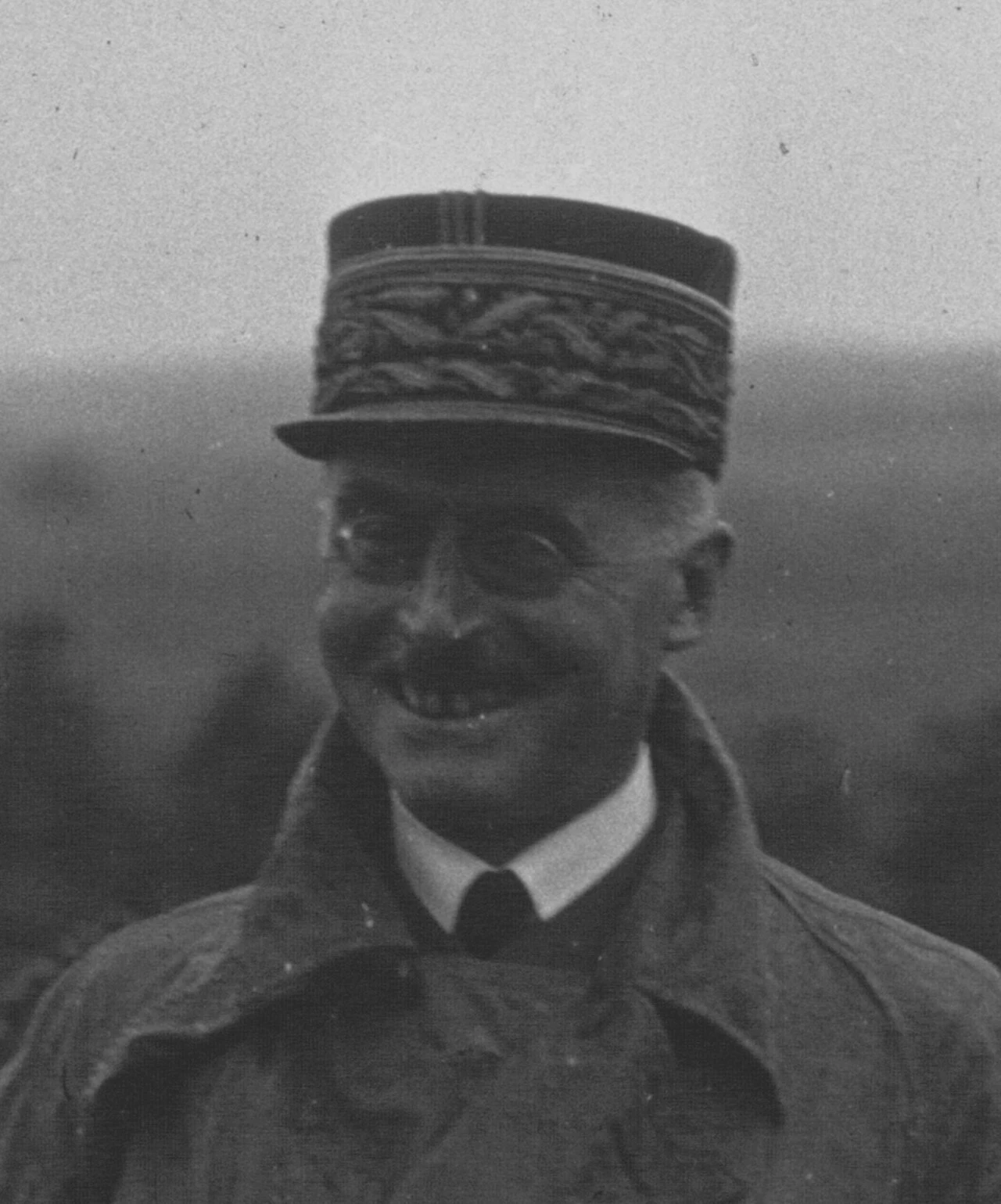
Héring — Paris open city, 13 June
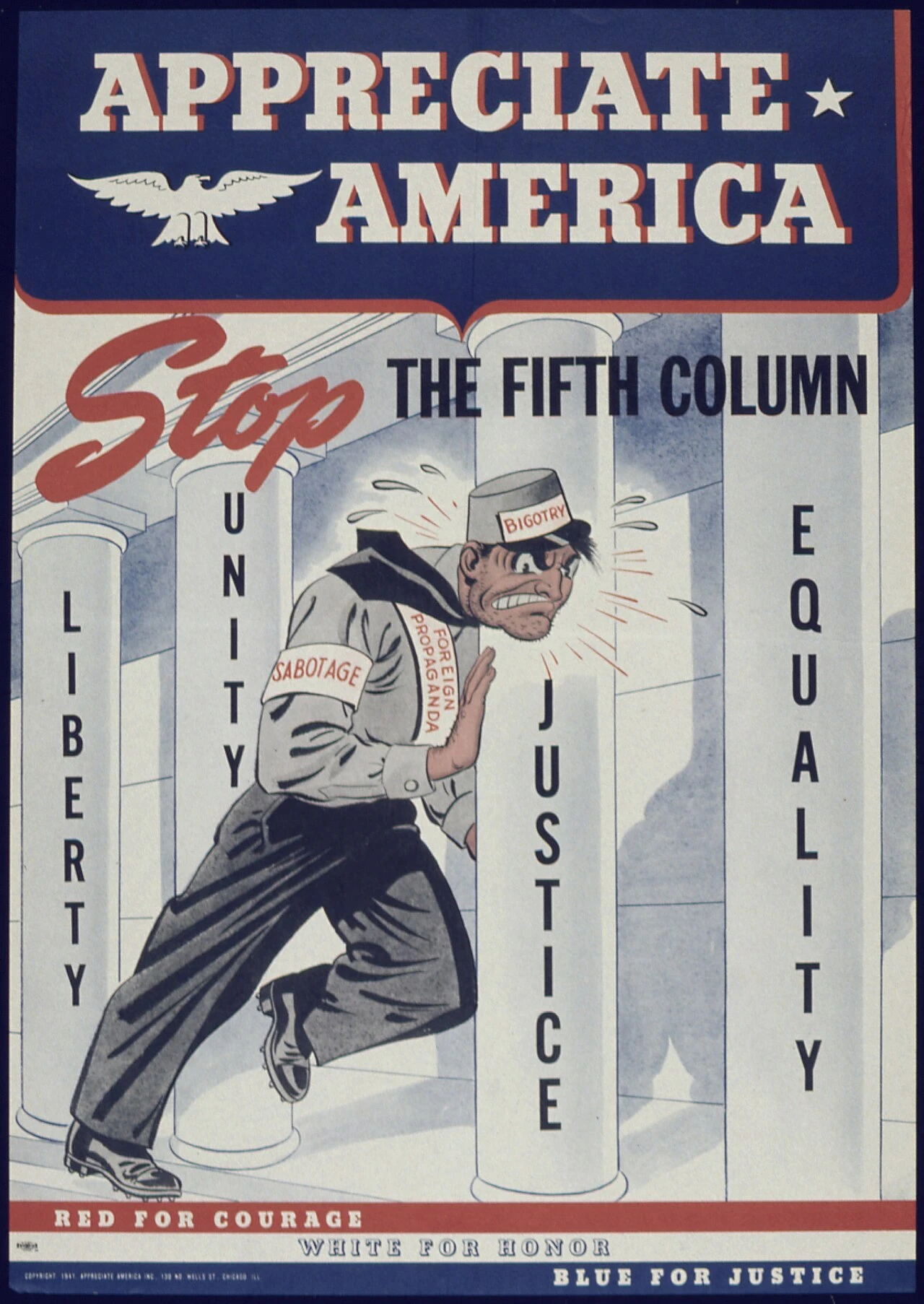
The fifth-column psychosis
Hannah Arendt, Stateless and Interned, Facing Exile
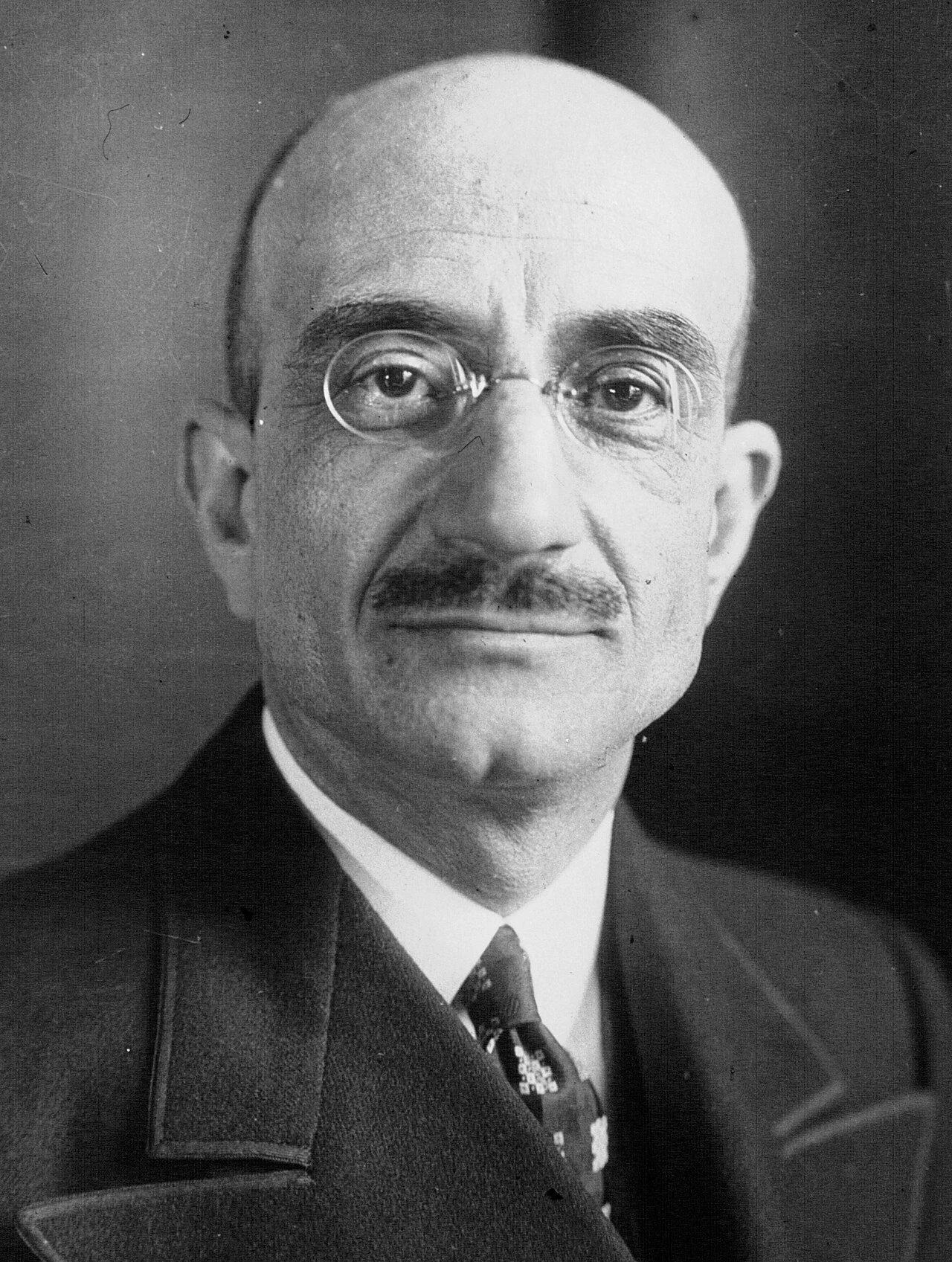
Langeron — Prefecture of Police, 14 June
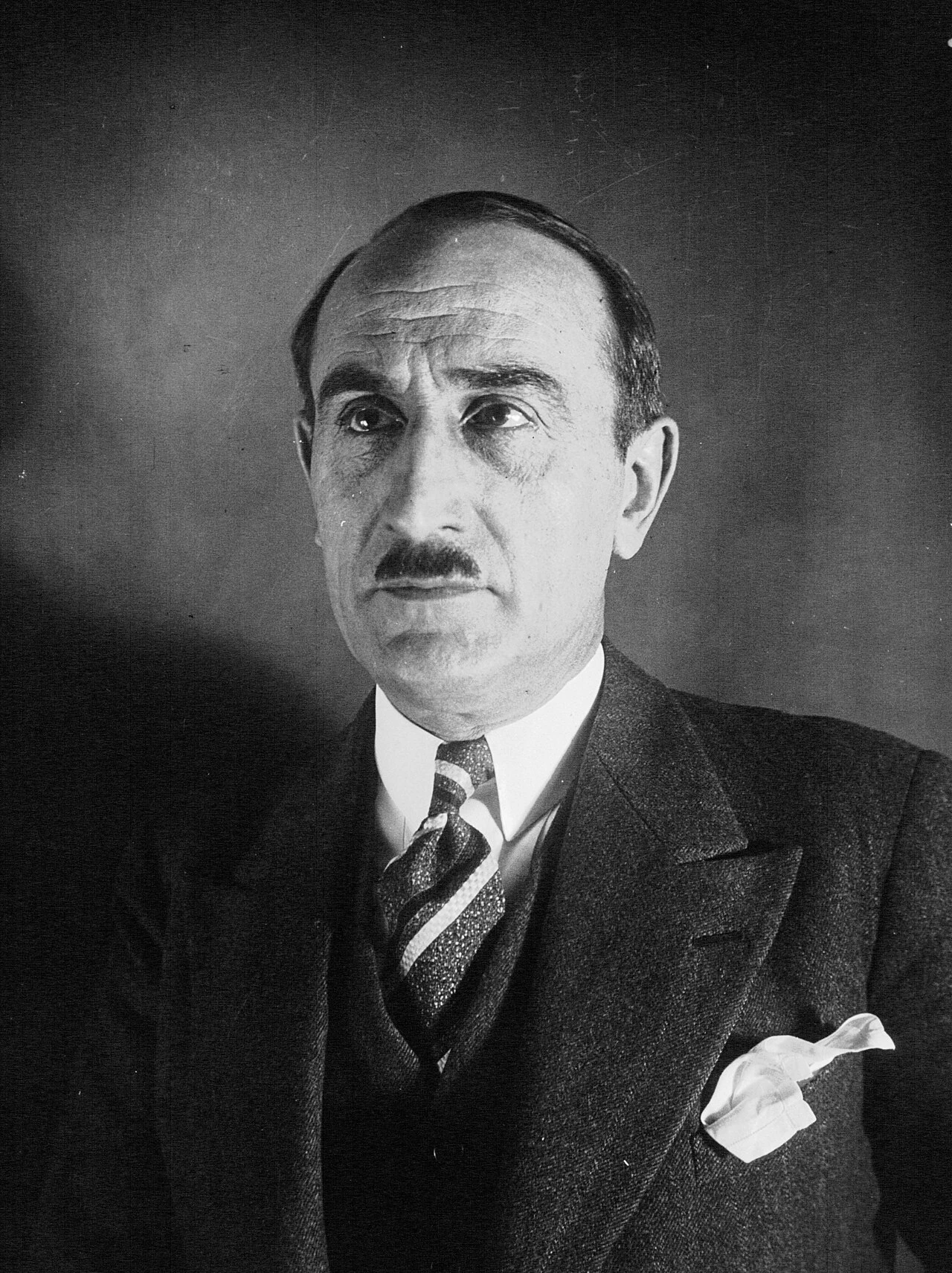
Marquet — Bordeaux overwhelmed, 12 June
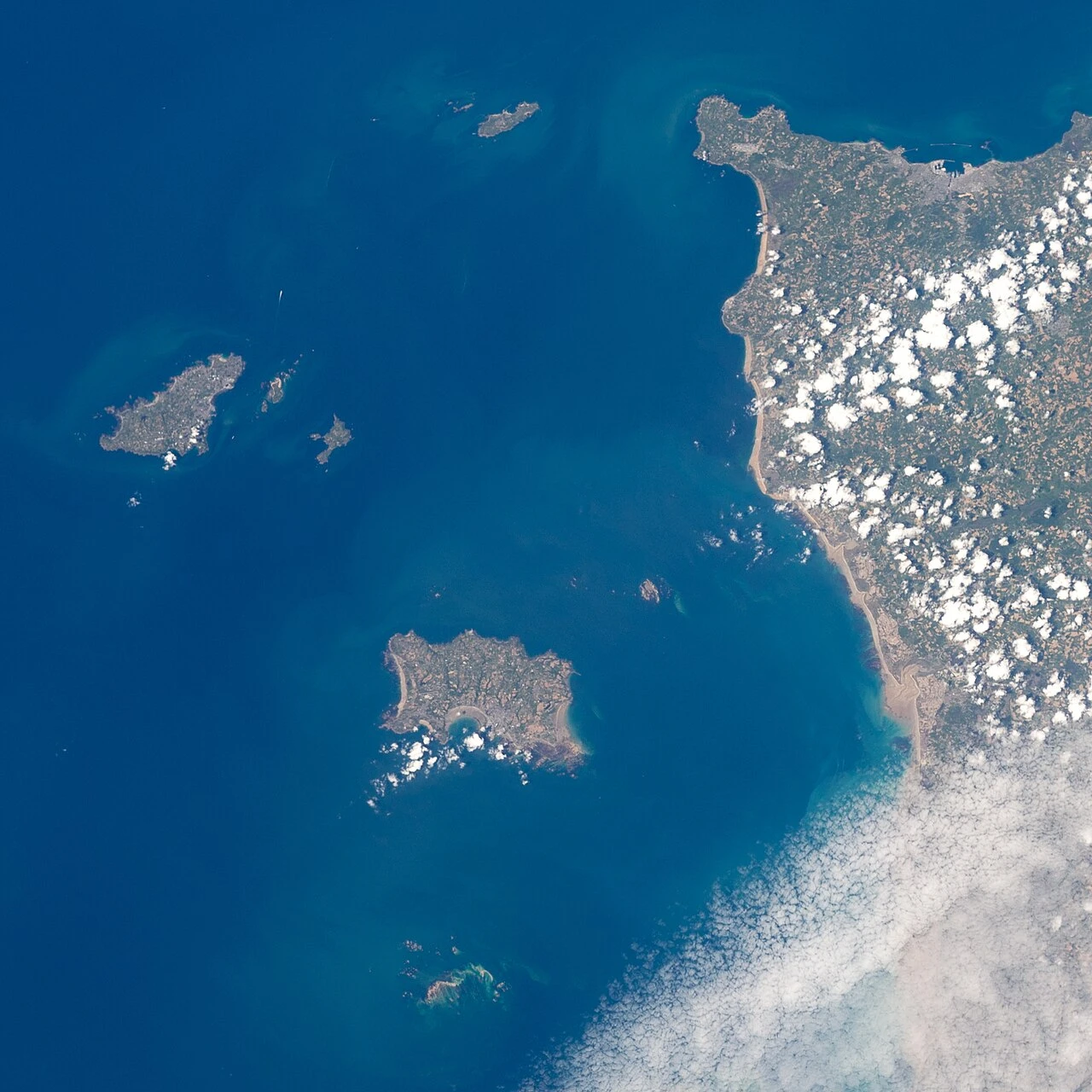
The Channel Islands — open city?
Léopold III — Wijnendaele 28 May
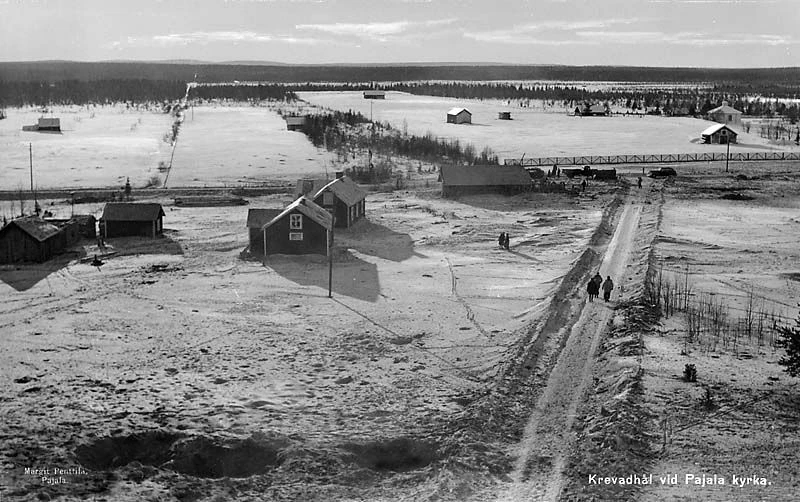
Pajala — Khorov on 21 January
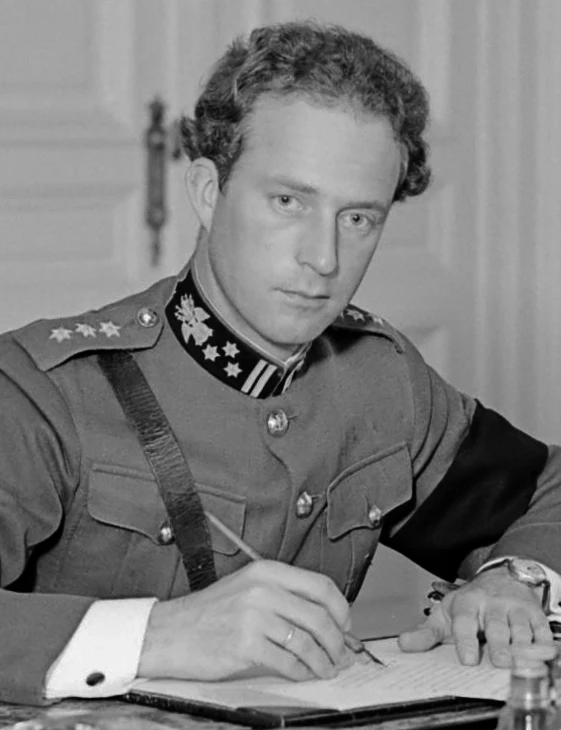
The Captive King — London or Laeken
The Press under German Control
Héring — Paris open city, 13 June
The fifth-column psychosis
Hannah Arendt, Stateless and Interned, Facing Exile
Langeron — Prefecture of Police, 14 June
Marquet — Bordeaux overwhelmed, 12 June
The Channel Islands — open city?
Léopold III — Wijnendaele 28 May
Pajala — Khorov on 21 January