
HMS Glowworm against the Admiral Hipper
HMS Glowworm (G-class) is a 1,350-ton British destroyer, commissioned in 1936. On 8 April 1940 at 03:00, she leaves a British convoy bound for Narvik to search for a man overboard. Thick fog, heavy seas.
Lieutenant-Commander , 35, commands the ship. At 08:00, his lookouts spot two German destroyers off the Lofoten Islands. Roope signals the event by radio to the Admiralty and engages.
A surprise: behind the destroyers is the heavy cruiser Admiral Hipper — flagship of the German invasion fleet heading for Trondheim. 14,000 tons, eight 203 mm guns, 80 mm armour. The Glowworm is technically without recourse against an opponent sixteen times more heavily armed. The Hipper, commanded by Kapitän zur See , opens fire at 9,000 metres. First hit: the Glowworm's bridge is wrecked. Several successive salvoes destroy the destroyer's superstructure. The ship is mortally wounded.
Roope has a few minutes to decide the fate of his destroyer and of the survivors of his crew.
What does Roope decide in the ten minutes following the first hits?
Roope chooses B. At 09:10, the Glowworm charges the Hipper at full speed (34 knots) and rams her starboard flank. A massive impact: 40 metres of the Hipper's hull are torn open, water floods several compartments. The cruiser temporarily loses five knots. The Glowworm explodes and breaks in two. 111 British sailors die. Roope is picked up by the Germans but dies of exhaustion a few hours later on the Hipper's deck. Seven British survivors are saved. Heye, after assessing the damage, abandons his Trondheim mission; the Hipper returns to Wilhelmshaven for six weeks of repairs. Heye sends a letter of commendation to the Royal Navy commander via the Red Cross — a rare gesture. Roope is awarded the Victoria Cross posthumously — the first VC of the naval war, and the first VC granted on the basis of an enemy officer's testimony. Heye survives the war, becomes an admiral of the Bundesmarine after 1955, and dies in 1970.
Learn more about this event
Related polls
10
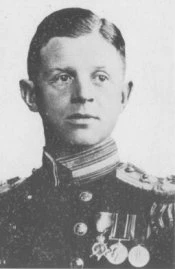
Warburton-Lee in the Ofotfjord — 10 April
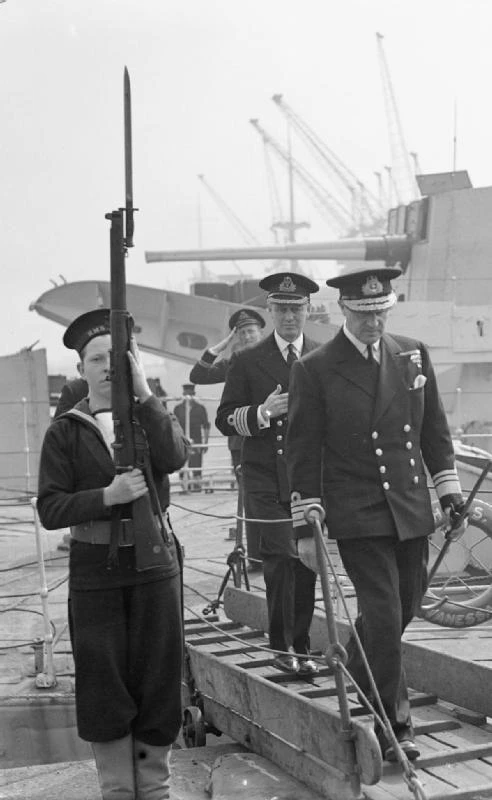
Whitworth and the Warspite — 13 April
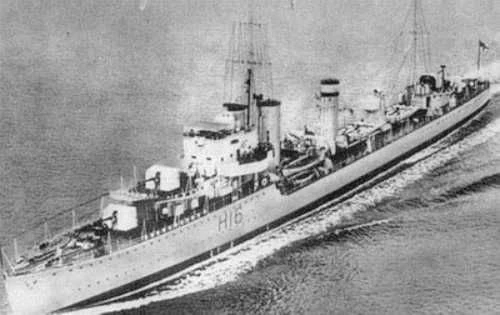
HMS Daring in the Pentland Firth
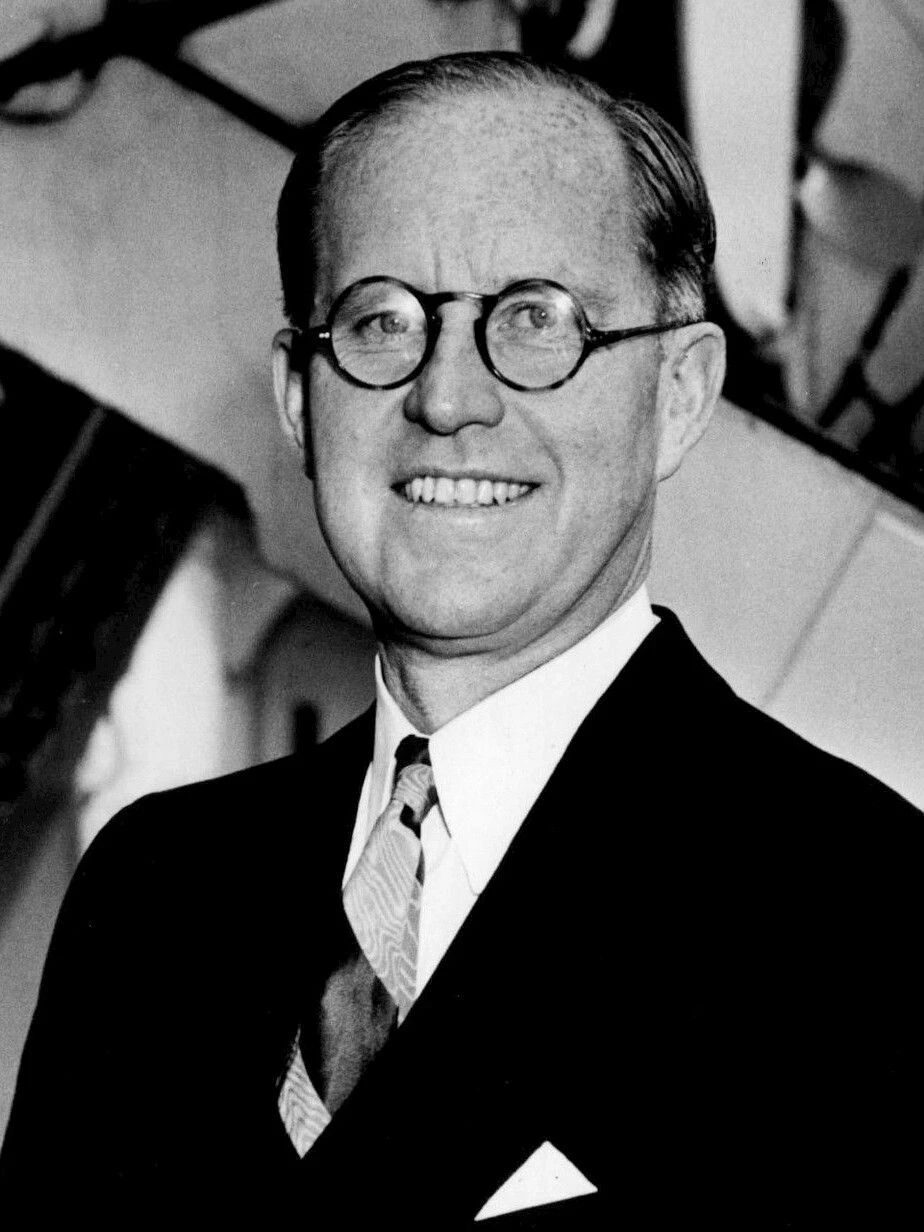
HMS Rawalpindi — Kennedy at 3:47 p.m.
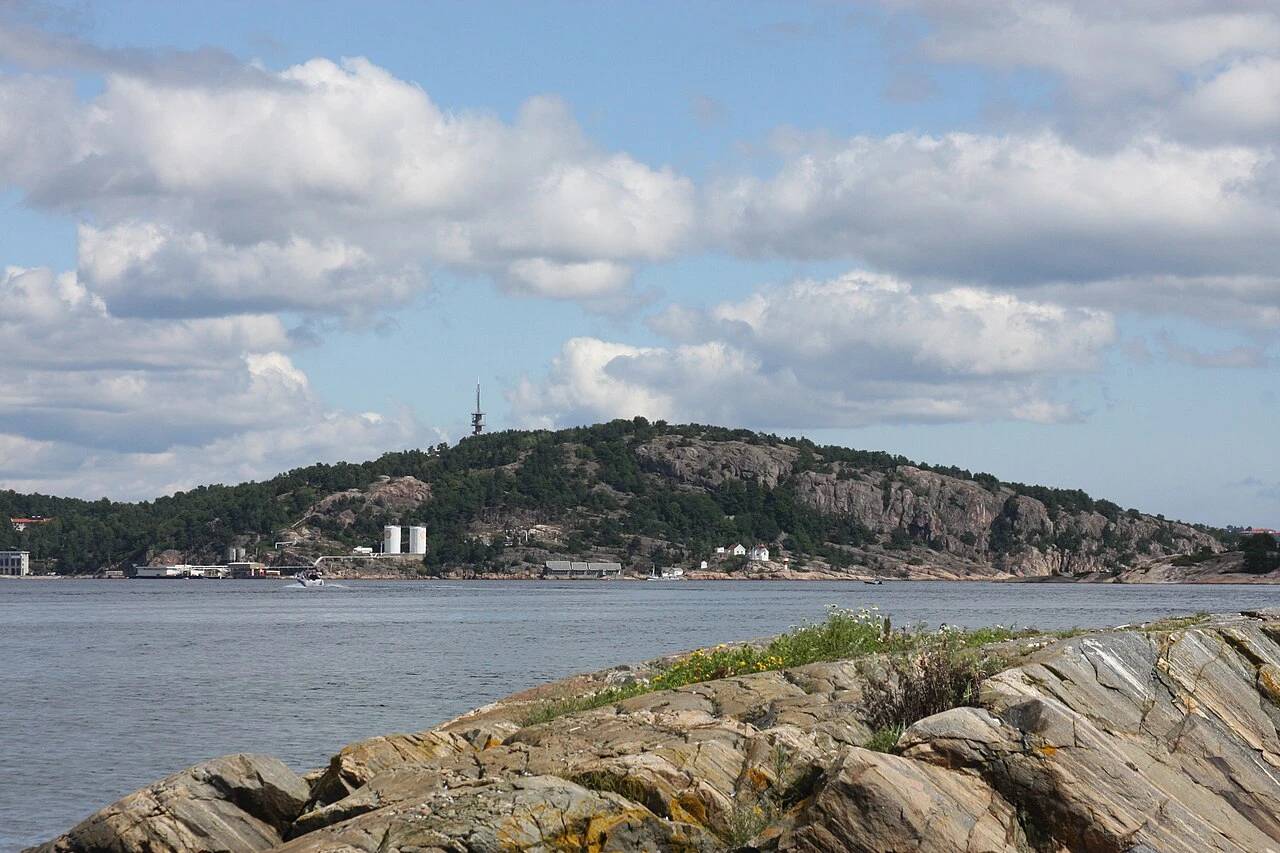
Odderoya — an identity in the mist
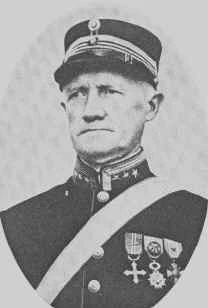
Oscarsborg — the intruder in the Oslofjord
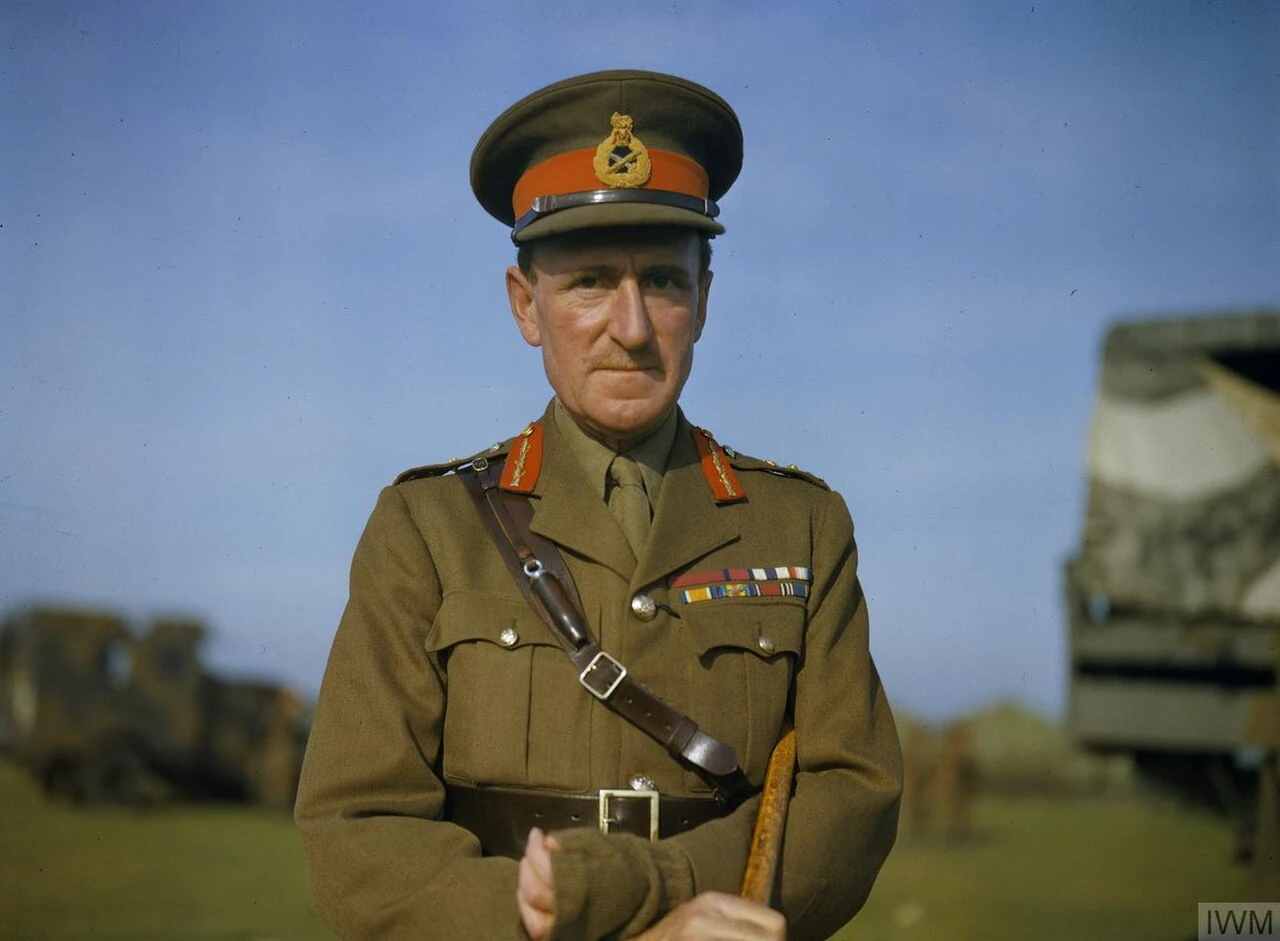
Paget at Åndalsnes — Sickleforce
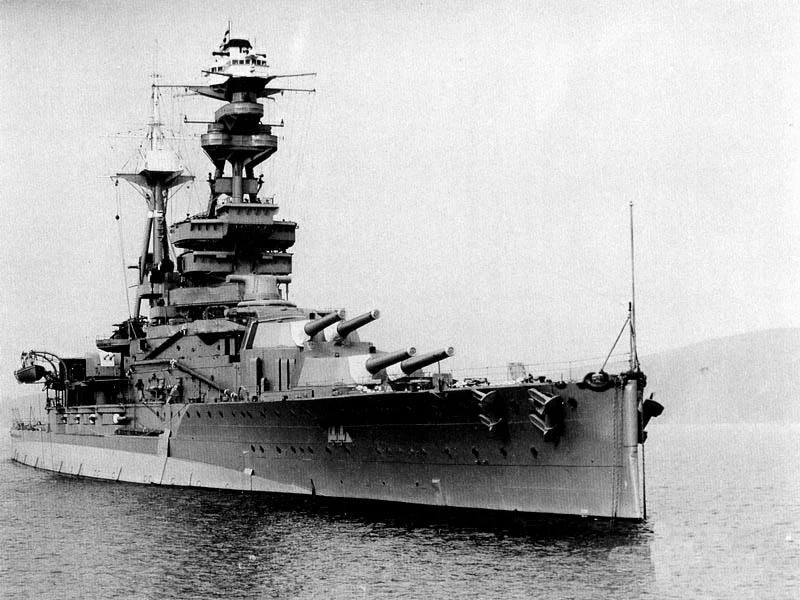
Royal Oak — Prien in Scapa Flow
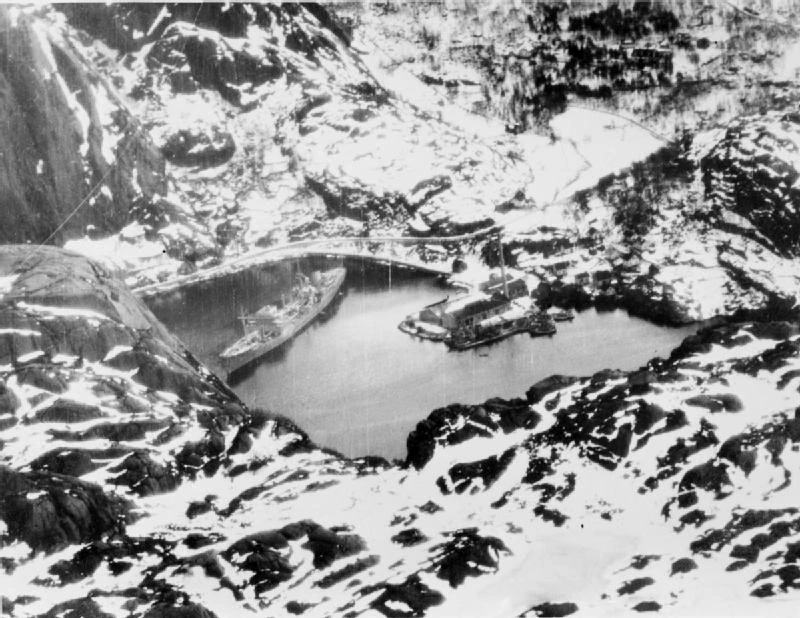
The Altmark affair
Fegen and the Jervis Bay — convoy HX-84
Warburton-Lee in the Ofotfjord — 10 April
Whitworth and the Warspite — 13 April
HMS Daring in the Pentland Firth
HMS Rawalpindi — Kennedy at 3:47 p.m.
Odderoya — an identity in the mist
Oscarsborg — the intruder in the Oslofjord
Paget at Åndalsnes — Sickleforce
Royal Oak — Prien in Scapa Flow
The Altmark affair