
The Polish Army and the Deployment
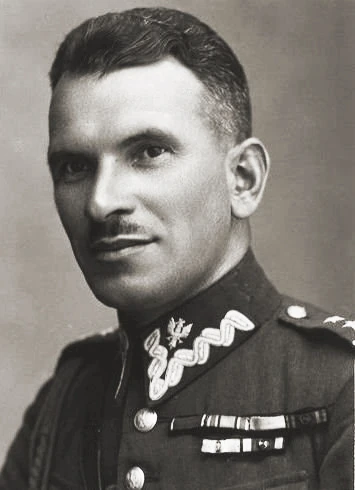
At the head of the Polish army, Marshal prepares the defence of the country against a German attack that has become probable. But the geography is cruel: Poland presents Germany with an immense frontier, and the country is almost encircled since the annexation of Czechoslovakia and the tethering of Slovakia to the Reich.
Two schools clash over the deployment. To defend forward, as close as possible to the borders, to protect the industrial regions of Silesia, the ports and the economic heart of the country — and to yield not an inch of ground, which would carry a political cost vis-à-vis public opinion and the allies. Or to fall back at once behind the great rivers — Vistula, San, Narew — onto a shorter and more defensible line, abandoning the west but preserving the army.
Rydz-Śmigły must decide. The forward deployment is militarily risky, but the pre-emptive retreat collides with major economic and political considerations. The choice will determine the army's ability to hold out until France and the United Kingdom intervene in the West.
Should Rydz-Śmigły defend the borders as closely as possible, or fall back behind the great rivers?
Rydz-Śmigły chooses A: for economic reasons — to protect industrial Silesia and the ports — and political ones — not to appear to abandon half the country — the Polish army deploys as close as possible to the borders, on an inordinately extended front. This arrangement, stretched and hard to coordinate, will facilitate the breakthroughs of the German armoured columns in September 1939. Many historians consider that a defence behind the rivers would have been militarily more solid, but it ran up against imperatives the Polish command could not ignore. Poland relied above all on a swift French offensive in the West, which will not come.
Learn more about this event
Related polls
10
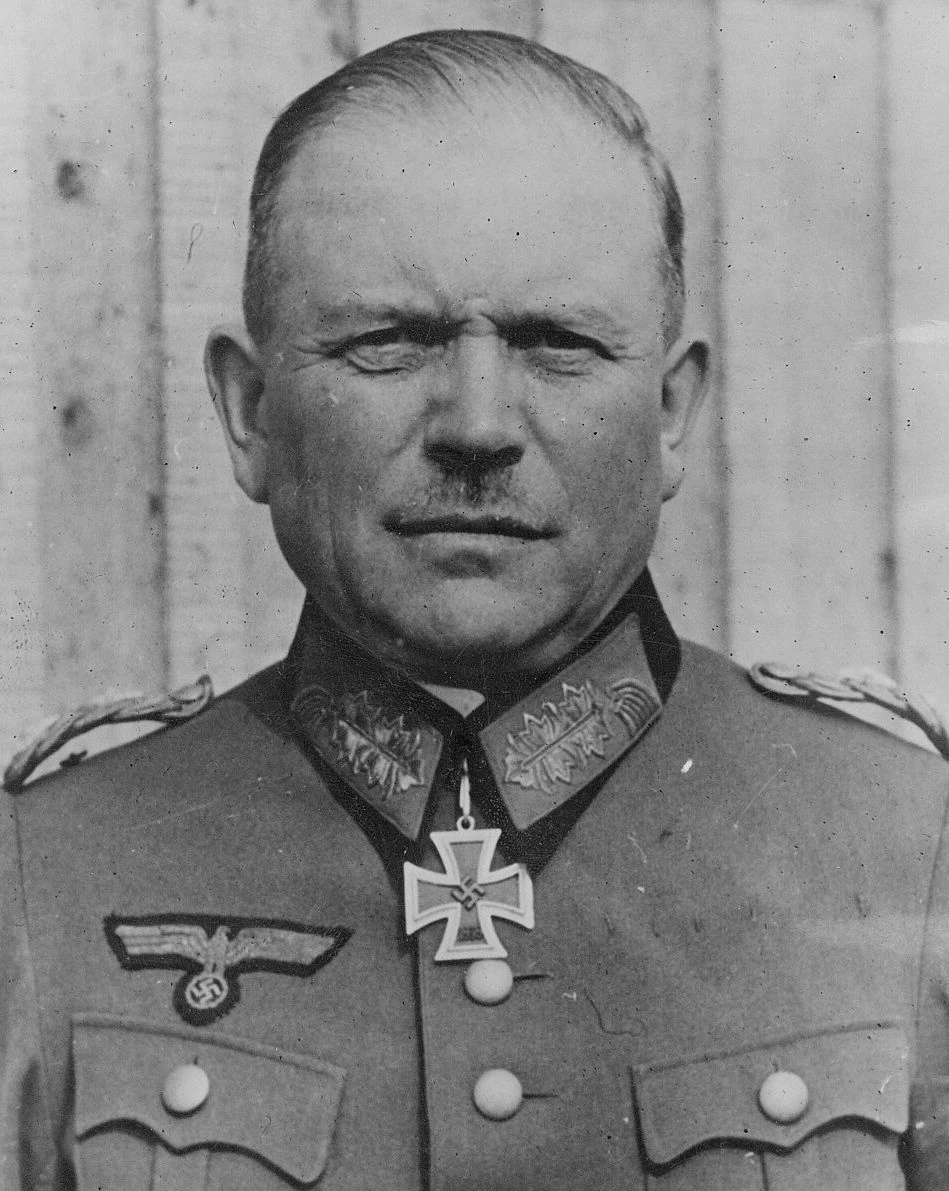
Brześć — Plisowski faces Guderian
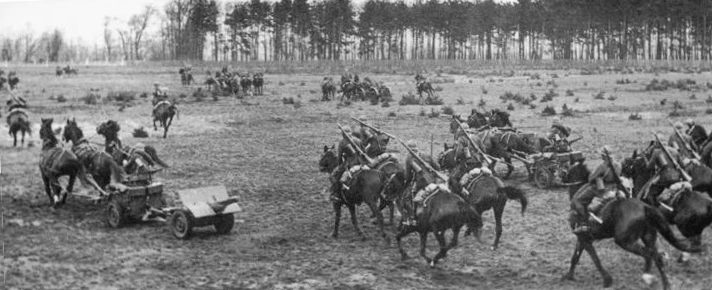
The Bzura — Kutrzeba faces the trap
"Cromwell" — England, 7 September 1940
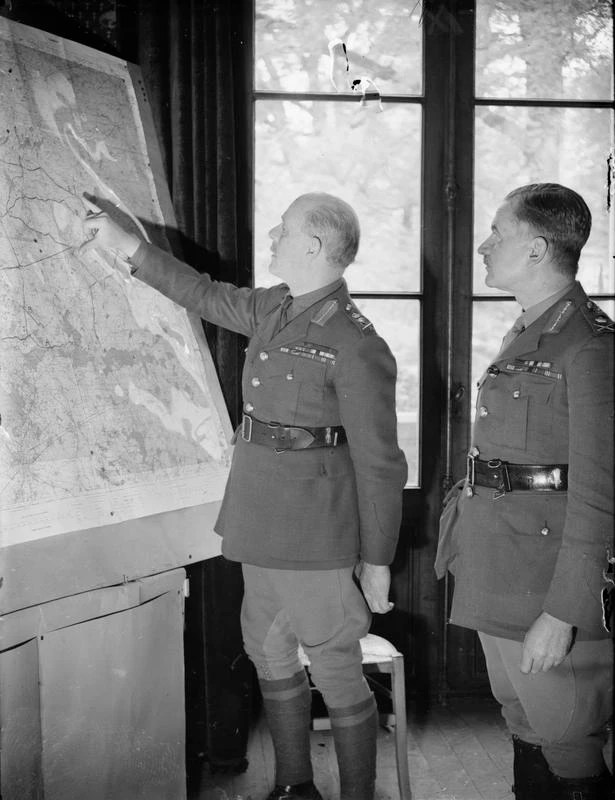
Gort at Habarcq — trust in the French plan
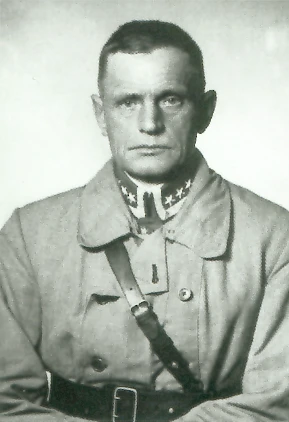
Gudbrandsdal — Ruge imposes his line
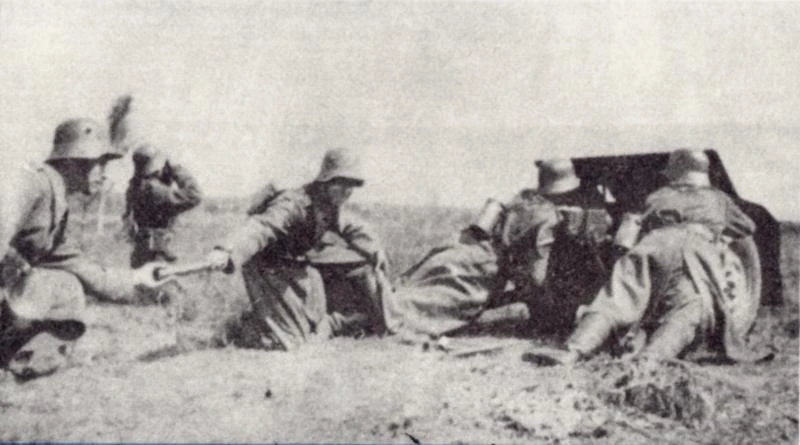
Maczek — the Black Brigade at Tatarska Przełęcz
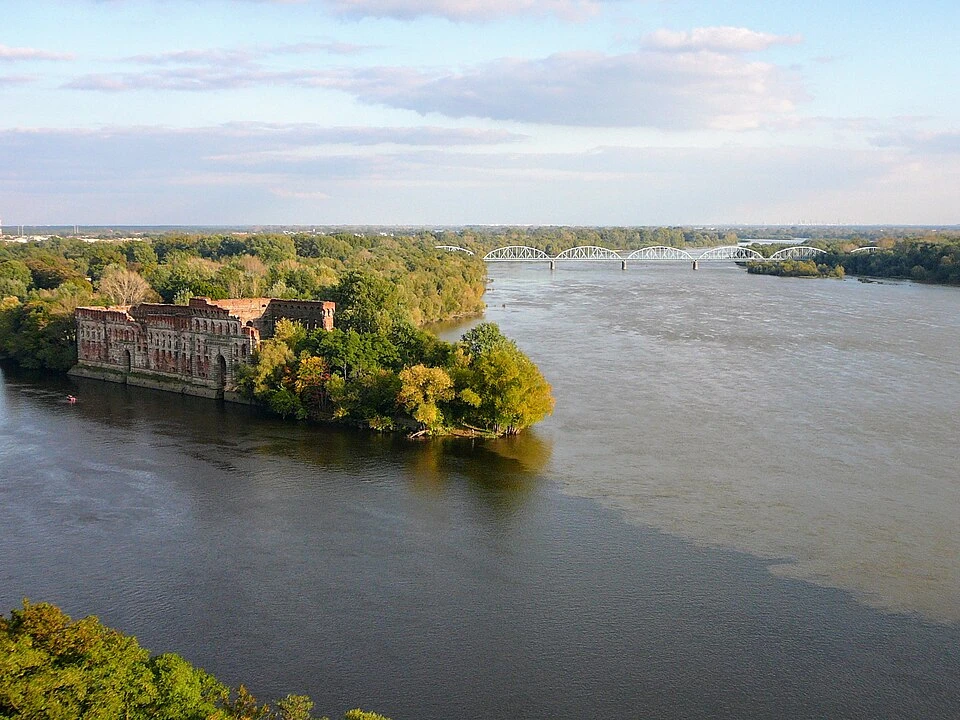
Modlin — Thommée at the last fortress
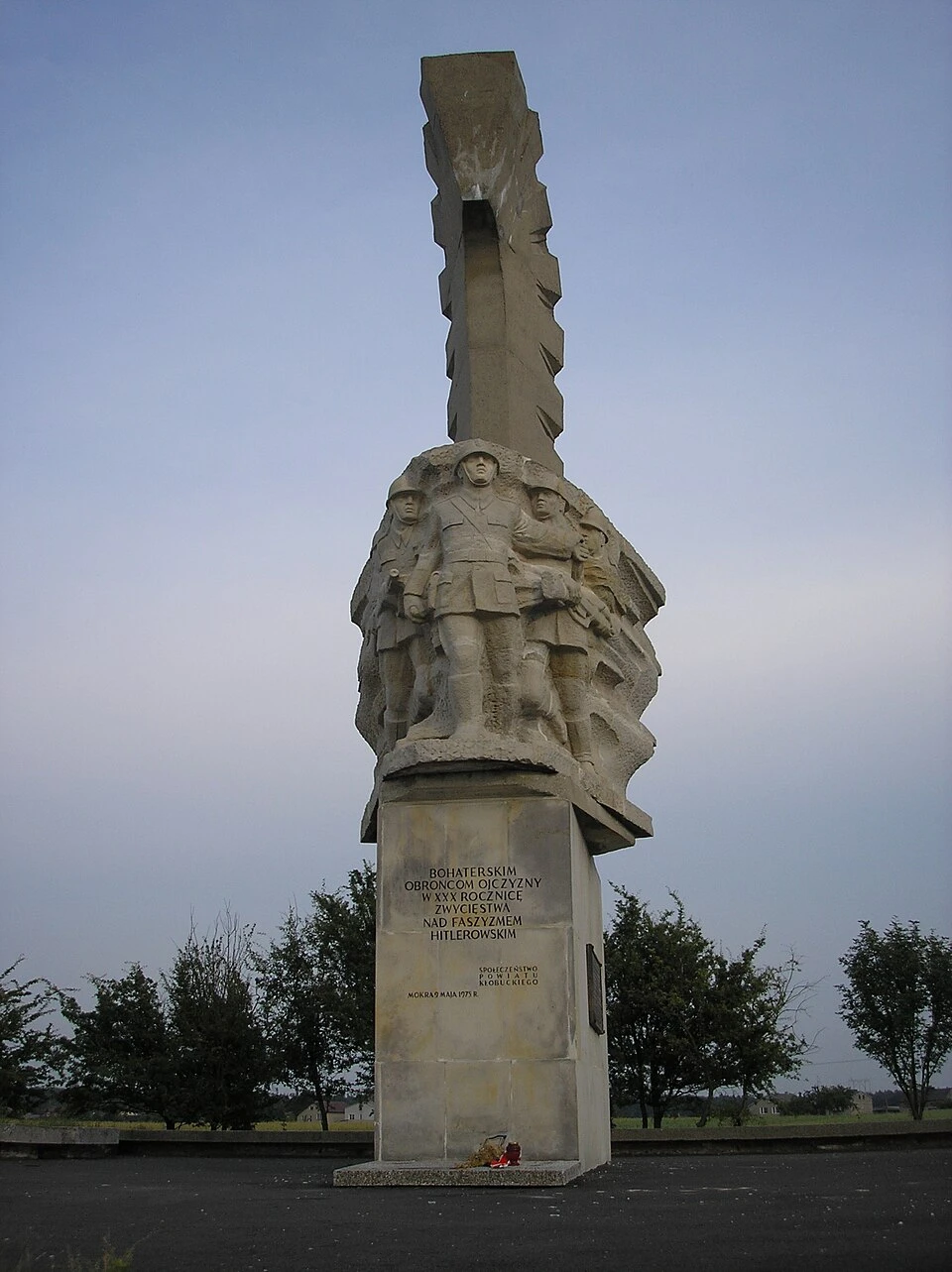
Mokra — Filipowicz and the Volhynian Brigade
Praga — Rommel facing the siege
Tomaszów Lubelski — Piskor between two fronts
Brześć — Plisowski faces Guderian
The Bzura — Kutrzeba faces the trap
"Cromwell" — England, 7 September 1940
Gort at Habarcq — trust in the French plan
Gudbrandsdal — Ruge imposes his line
Maczek — the Black Brigade at Tatarska Przełęcz
Modlin — Thommée at the last fortress
Mokra — Filipowicz and the Volhynian Brigade
Praga — Rommel facing the siege