
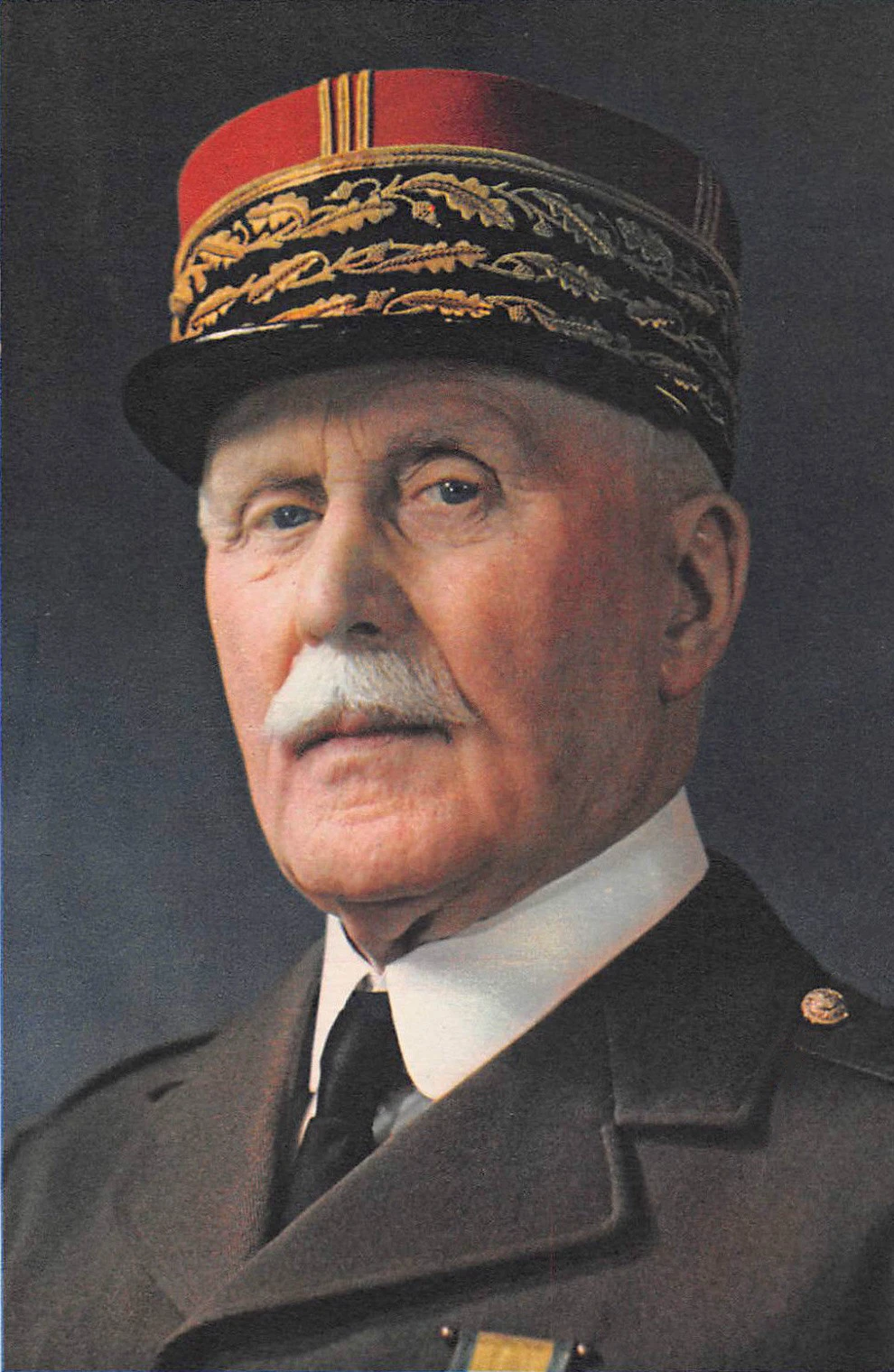
Once full powers have been obtained, Pétain and Vichy launch the "National Revolution": a project for the authoritarian regeneration of France, which replaces the republican motto "Liberty, Equality, Fraternity" with "Work, Family, Fatherland". Cult of the Marshal, moral order, corporatism, exaltation of the land and a return to traditional values: the regime intends to turn the page on the Republic, designated as responsible for the defeat.
For you, stunned by the collapse, this discourse may attract or repel. To embrace the National Revolution and the cult of Pétain, out of sincere belief, hope of recovery or conformism. To remain reserved, outwardly complying without believing in it. Or to oppose it inwardly, keeping your distance, even refusing.
The stakes are not only political: from the autumn of 1940 the National Revolution is accompanied by measures of exclusion (the Statute on Jews of October 1940, the repression of opponents and of Freemasons). To embrace it is to endorse the whole; to resist is to risk marginalisation in a climate where Pétain enjoys immense prestige.
Should our Frenchman embrace the National Revolution, remain reserved, or oppose it?
In the summer of 1940, a large part of opinion leans towards A or B: Pétain enjoys considerable prestige, perceived as the saviour who spared the worst, and the National Revolution appeals through its promise of order and recovery. The massive initial support will crumble as the weight of the occupation, collaboration and the measures of exclusion become apparent — notably the Statute on Jews (October 1940), enacted by Vichy on its own initiative. "Work, Family, Fatherland" and the cult of the Marshal will structure the regime's ideology until 1944. The rallying of 1940, in the stupor of defeat, will be heavily reassessed after the Liberation, in the trial of Vichy and of collaboration.
Learn more about this event
Related polls
10
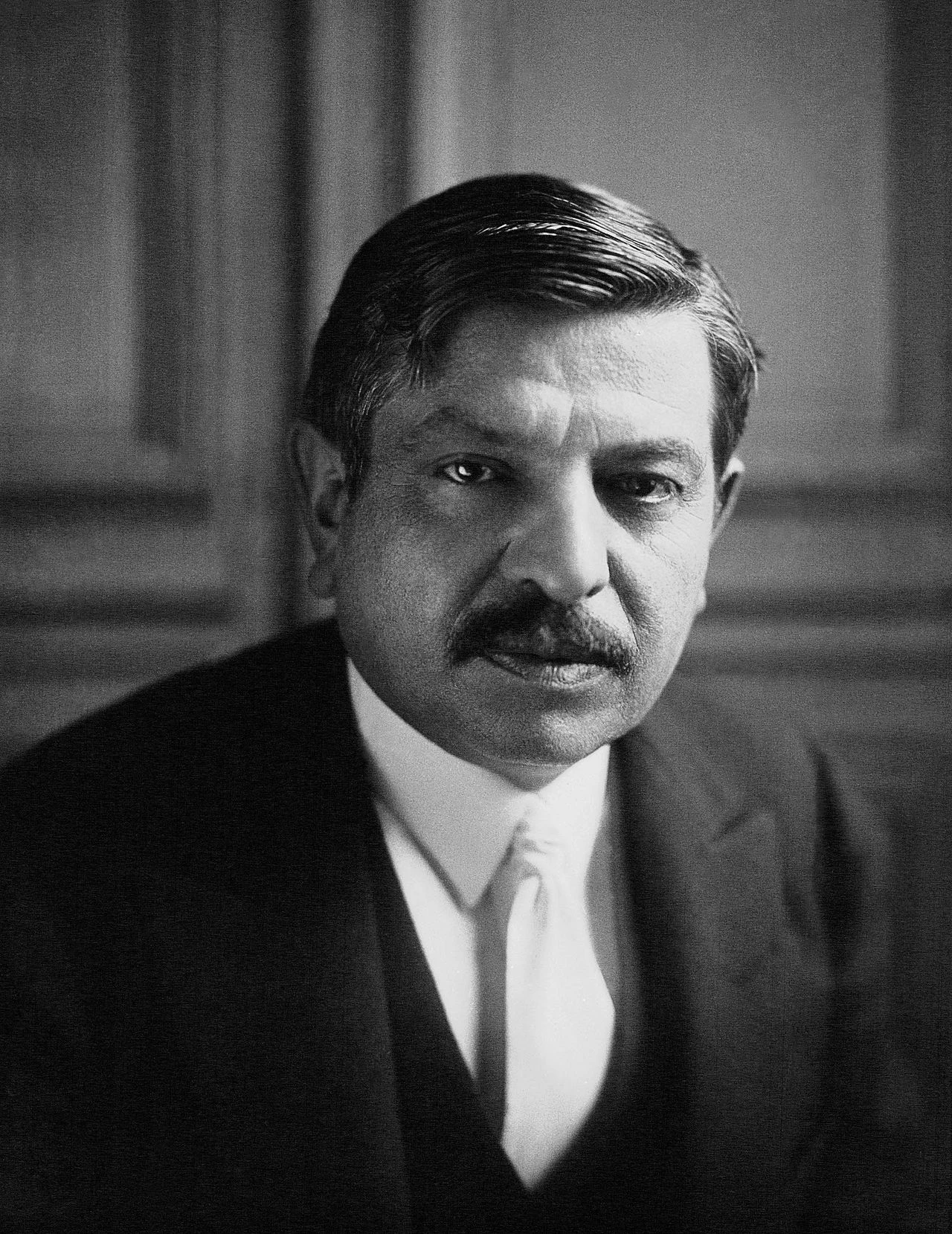
Laval at the Vichy Casino — 10 July

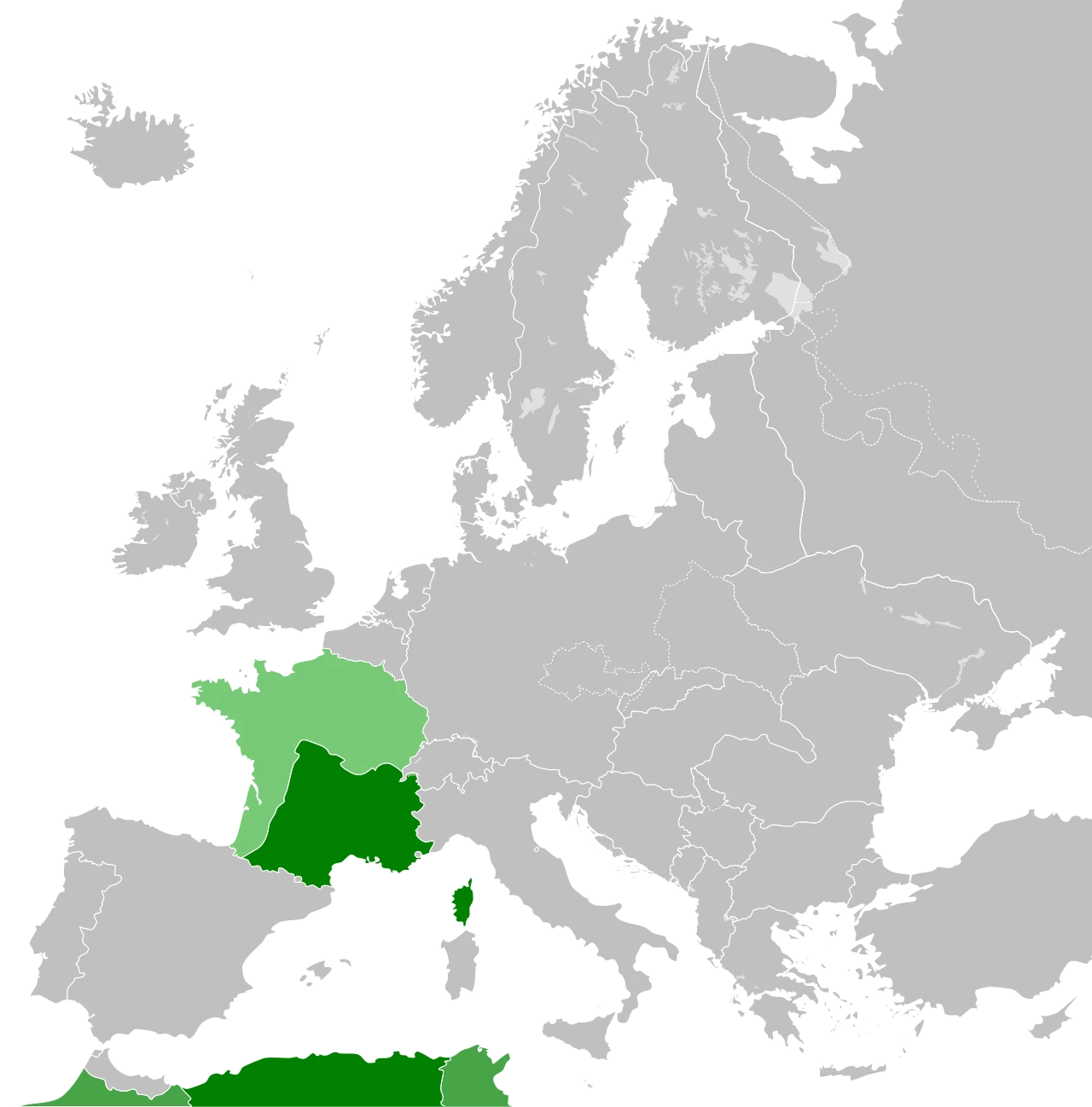
Vichy — full powers
Vincent Badie — Vichy Casino, 10 July
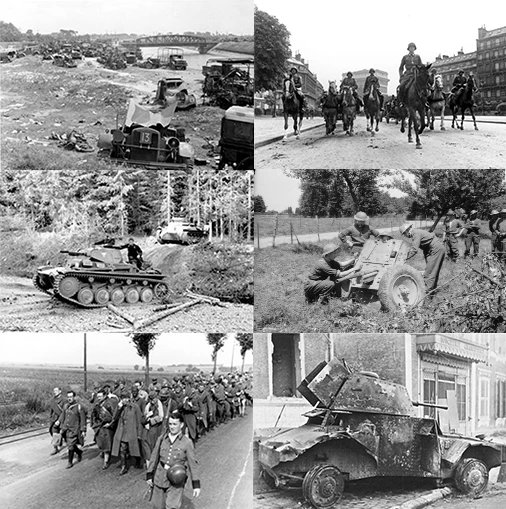
The armistice of Rethondes
A Capital for the French State — 28 June
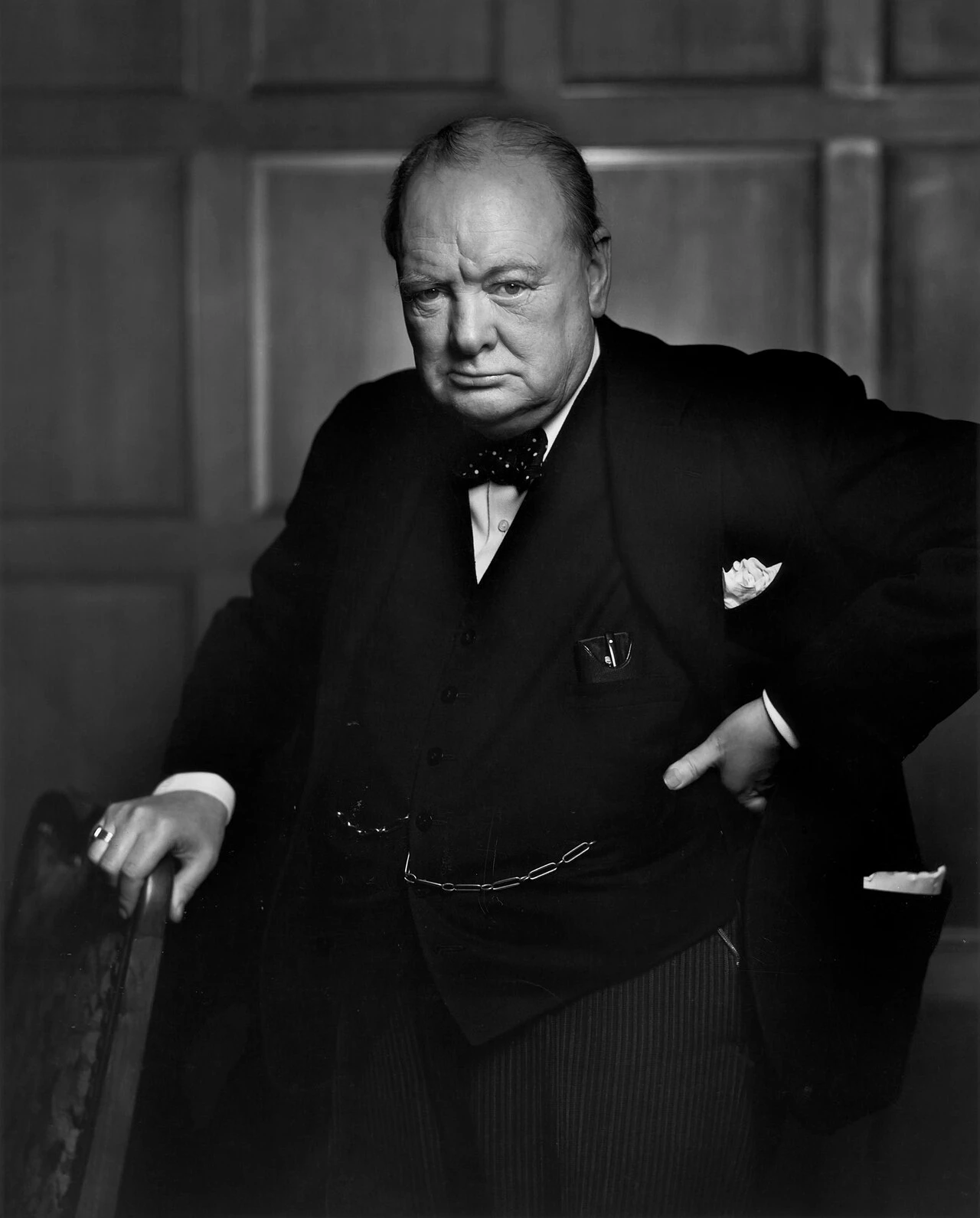
Dunkirk: should the French be saved alongside the British?
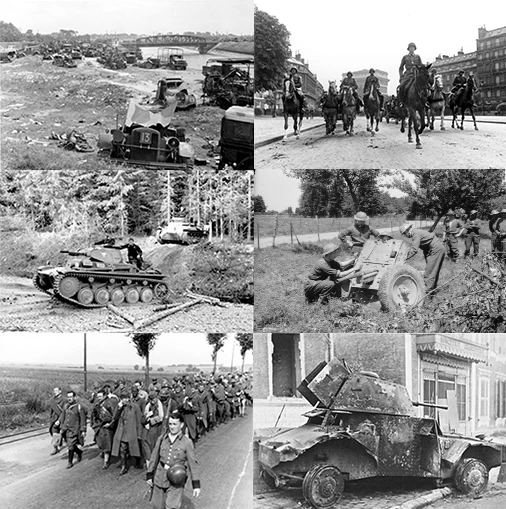
The Empire — Vichy or de Gaulle
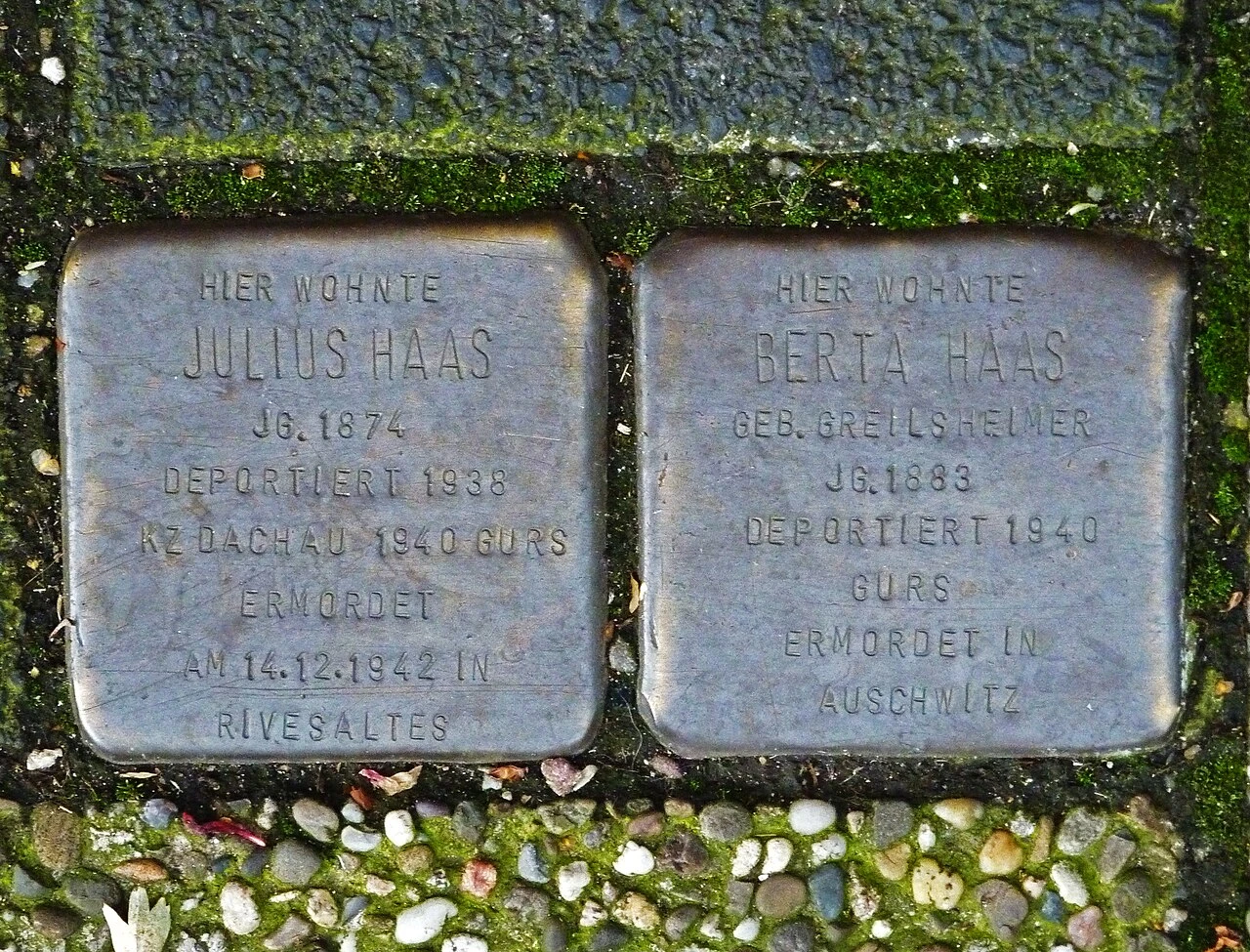
Hannah Arendt, Stateless and Interned, Facing Exile
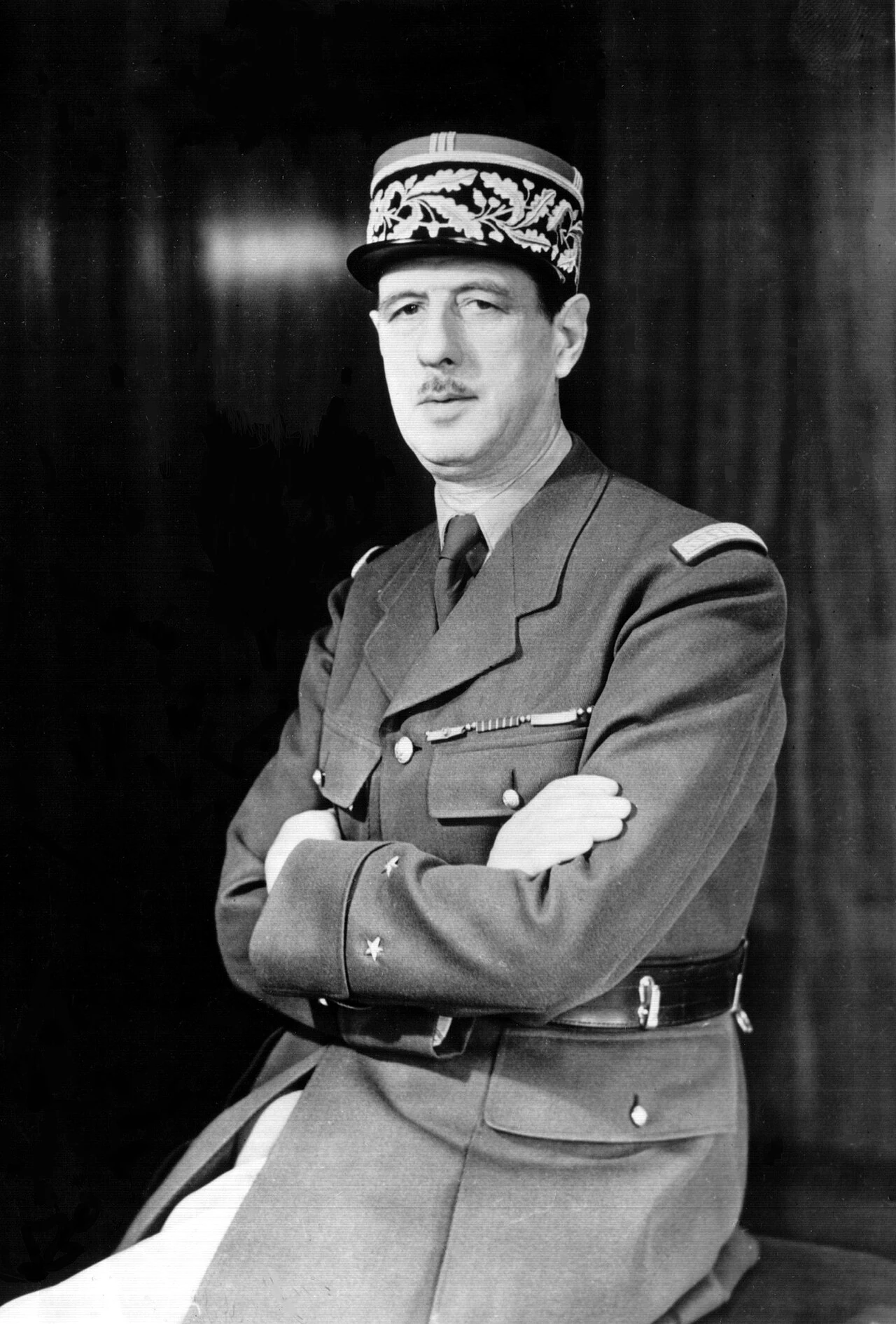
"The Fighting Must Cease"
Langeron — Prefecture of Police, 14 June
Laval at the Vichy Casino — 10 July
Vichy — full powers
Vincent Badie — Vichy Casino, 10 July
The armistice of Rethondes
A Capital for the French State — 28 June
Dunkirk: should the French be saved alongside the British?
The Empire — Vichy or de Gaulle
Hannah Arendt, Stateless and Interned, Facing Exile
"The Fighting Must Cease"