
The Franco-British union — 16 June
On 16 June 1940, in Bordeaux where the government has fallen back, returns from London with an idea born in the emergency: a declaration of Franco-British union — common citizenship, a single cabinet, joint defence of the two countries merged into a single war entity.
The project is the work of and British diplomats, taken up and carried by Churchill himself, who sees it as a spectacular way to keep France from signing a separate peace. De Gaulle, who has been shuttling to London, brings the text to Reynaud. For the Prime Minister it is a last card: without it the partisans of armistice — Pétain, Weygand, Chautemps — will carry the Council of Ministers that evening.
De Gaulle measures the fragility of it all. The project is generous but legally vertiginous, and the balance of forces within the government is unfavourable. He must advise Reynaud on the wisdom of playing this card, while preparing his own course if the government tips over.
What should de Gaulle advise Reynaud regarding the Franco-British union?
De Gaulle combines A and C: he supports the union project before Reynaud, who puts it to the Council of Ministers on the evening of 16 June. The Council rejects it — Pétain calls it a "fusion with a corpse" and sees it as an attempt by the British Empire to annex France. Reynaud, at the end of his strength, resigns at 22:00. From that moment de Gaulle settles his decision: he will leave for London the next morning. The Franco-British union, one of the most audacious political projects of the twentieth century, will have lived only a few hours, swept aside by the logic of armistice.
Learn more about this event
Related polls
10
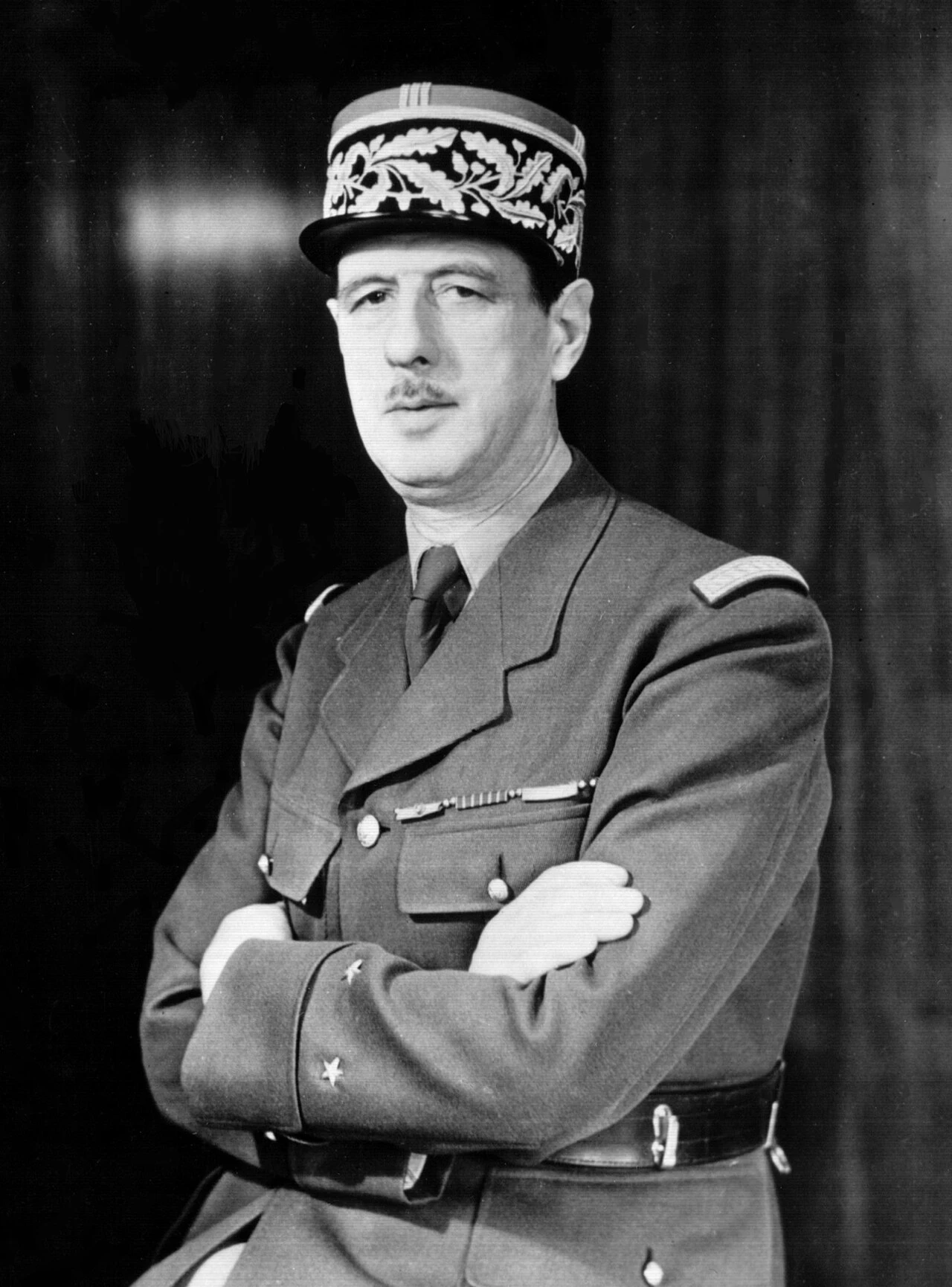
De Gaulle joins the government — 5 June
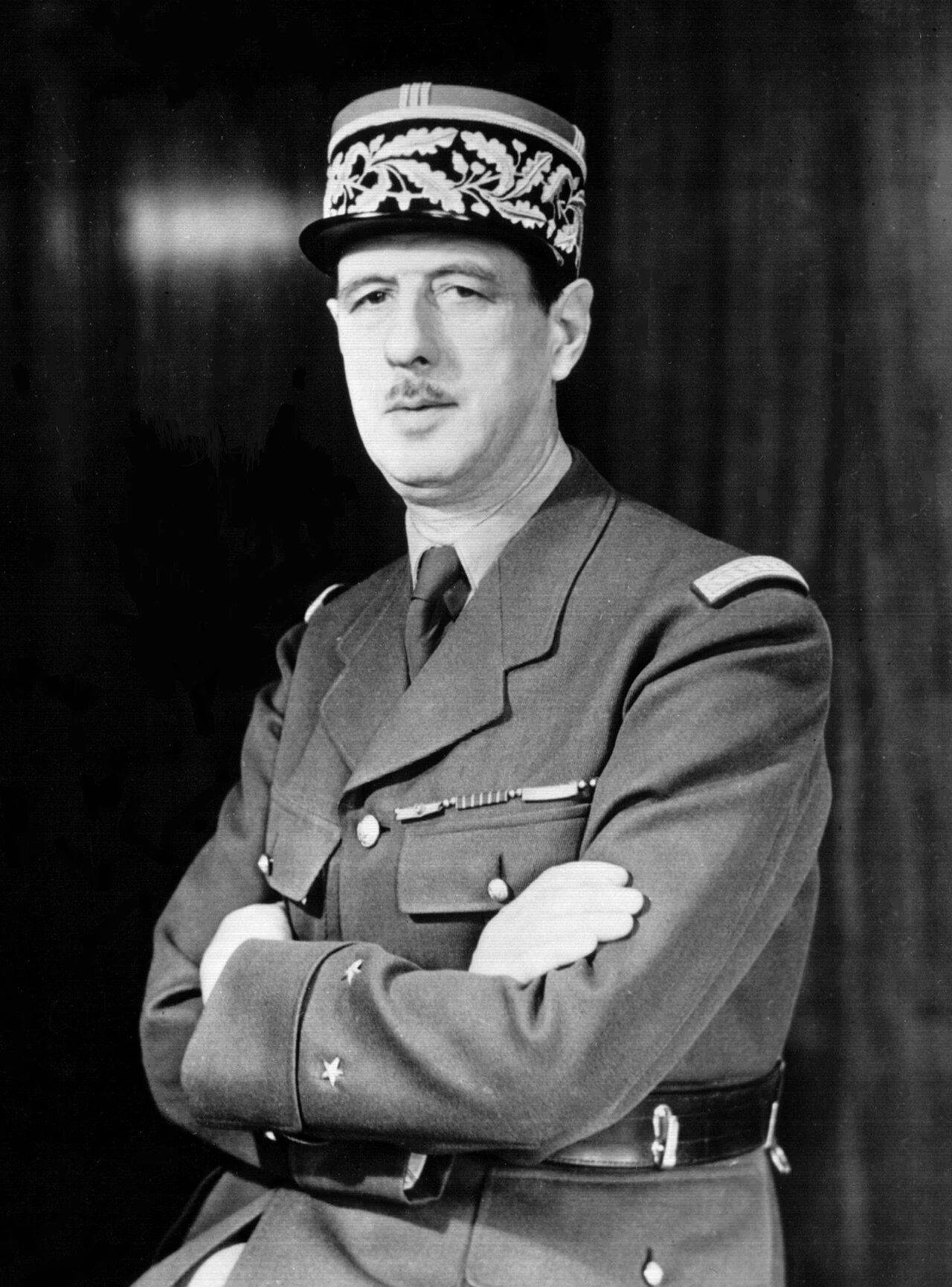
De Gaulle calls on Churchill — 9 June
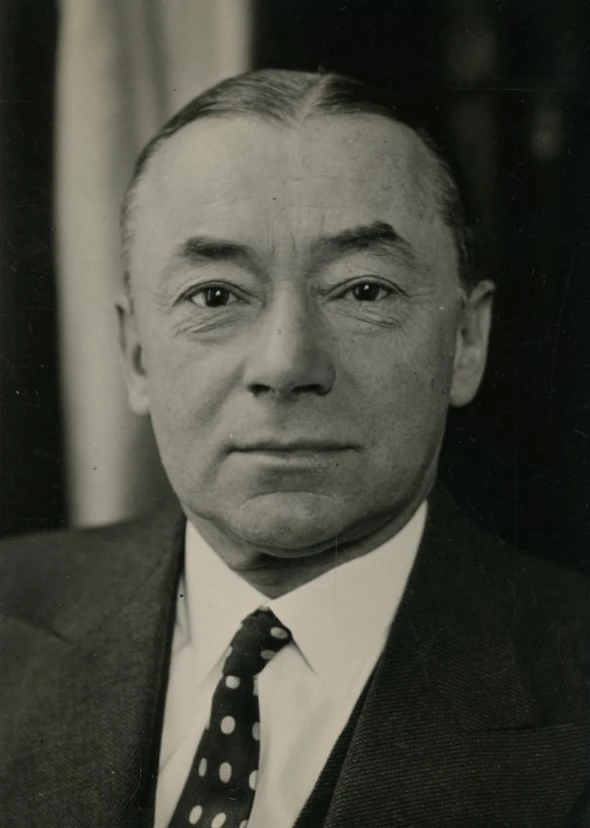
Reynaud — Matignon 21 March
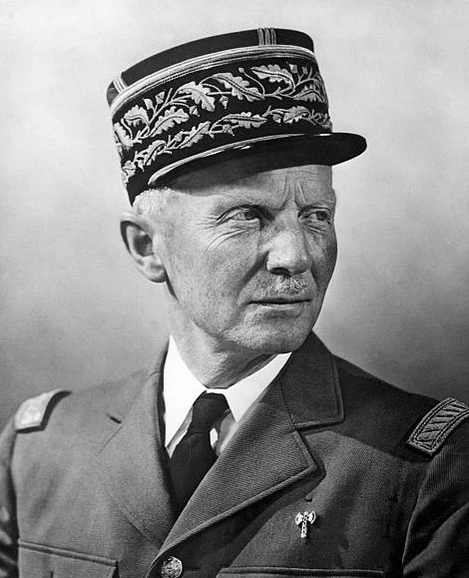
Huntziger in Foch's Carriage — 22 June
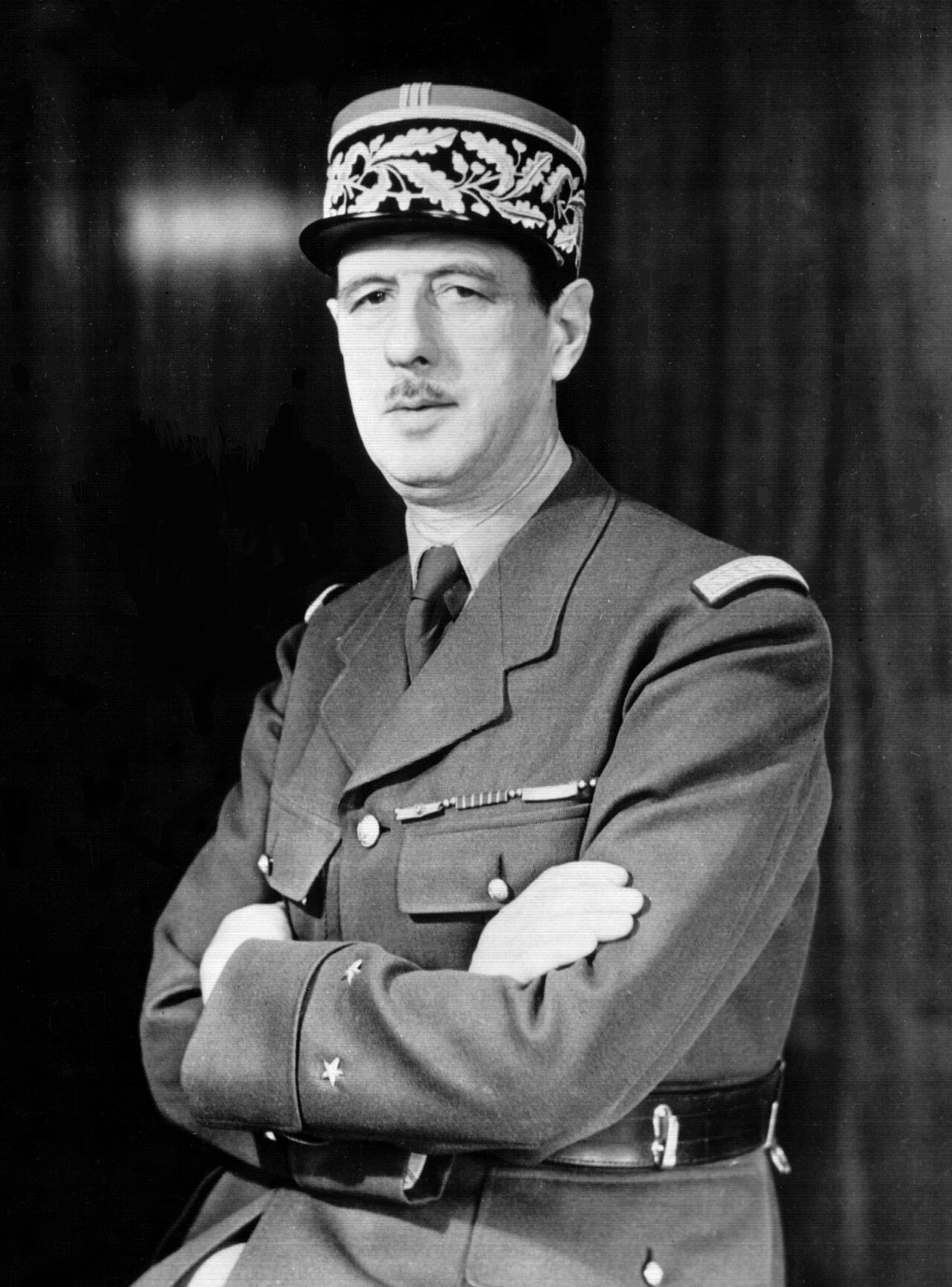
Mérignac — de Gaulle and Spears's aircraft
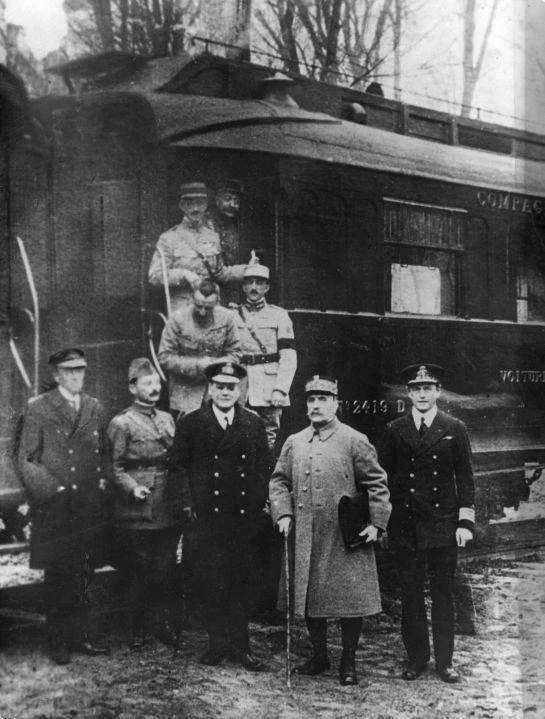
Rethondes — Article 8 on the Fleet
Commanding a battle without radio
Gamelin, one last order before the envelope
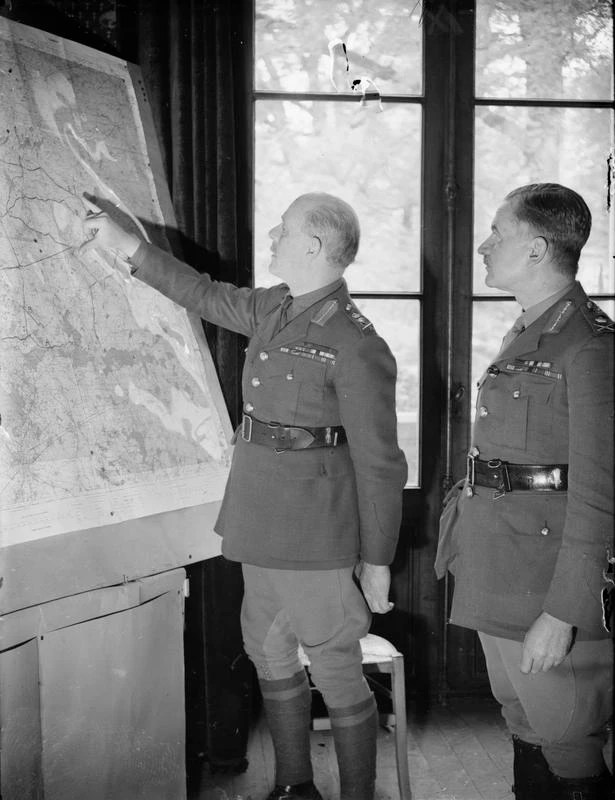
Gort at Habarcq — trust in the French plan
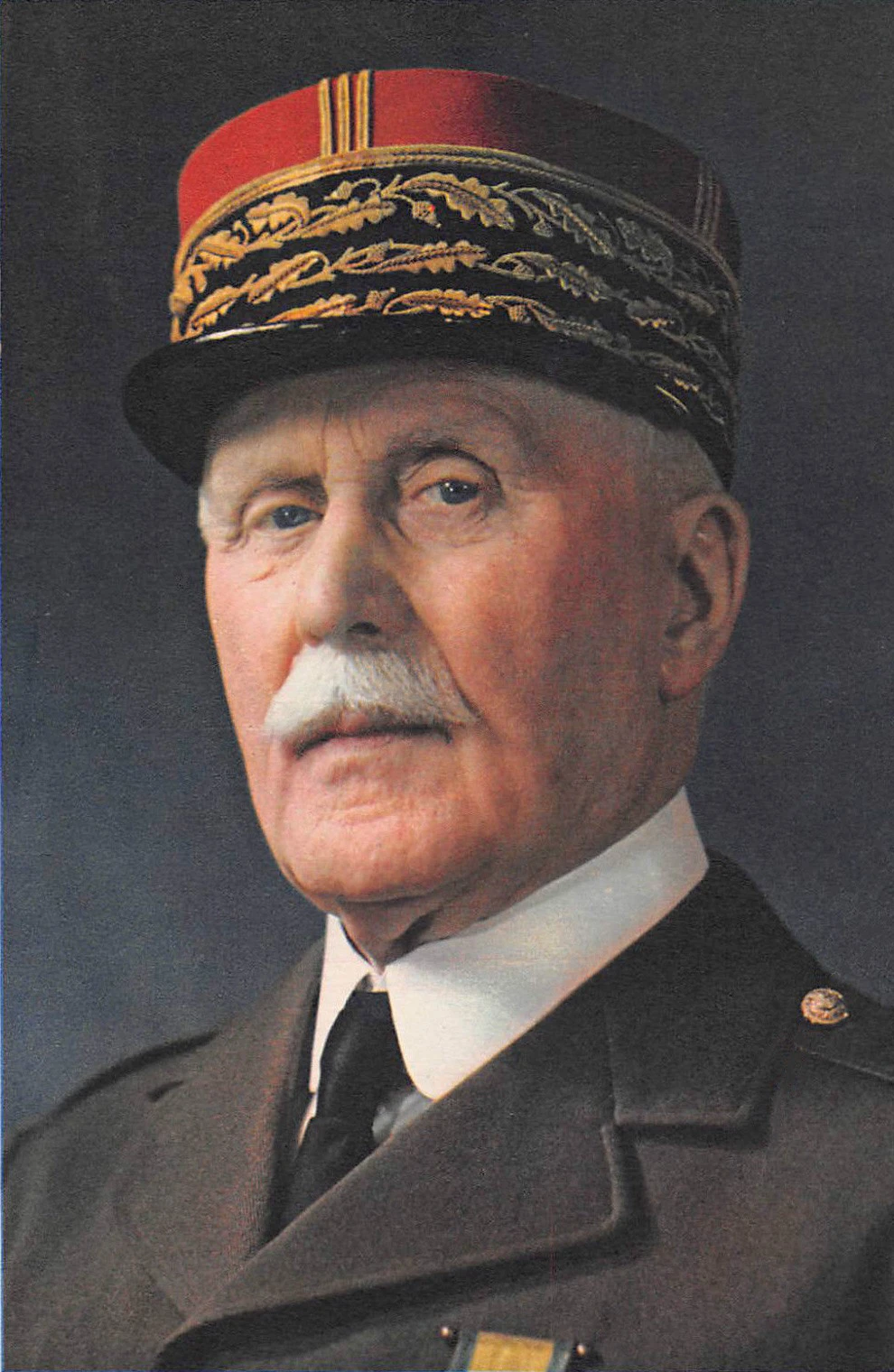
The hero of Verdun recalled from Madrid
De Gaulle joins the government — 5 June
De Gaulle calls on Churchill — 9 June
Reynaud — Matignon 21 March
Huntziger in Foch's Carriage — 22 June
Mérignac — de Gaulle and Spears's aircraft
Rethondes — Article 8 on the Fleet
Commanding a battle without radio
Gamelin, one last order before the envelope
Gort at Habarcq — trust in the French plan