
One bomber an hour: the Willow Run gamble
In the spring of 1941, Ford broke ground at Willow Run, Michigan, on one of the largest factories in the world. The stated goal was dizzying: to turn out B-24 Liberator heavy bombers at a pace never before seen in aviation, destined for the US Army Air Forces.
But the challenge was immense. Ford had never built an aircraft. Construction work dragged on, skilled labor was scarce, and assembling a bomber had nothing in common with building an automobile. The early output rates remained laughable against the promises.
, nicknamed "Cast Iron Charlie," had to make the call. Should he force the pace by pressing the workers harder, simplify the very design of the B-24, or transpose automobile assembly-line methods to the aircraft?
Faced with a giant factory struggling to get off the ground, how should Sorensen organize production of the B-24?
Sorensen chose to transpose the "Detroit system" to aviation: he broke the bomber down into 11 major sections and then into 69 sub-assemblies mounted on a moving assembly line, like cars. The ramp-up was slow and painful — Willow Run was long mocked as "Will it run?" — but the gamble ultimately paid off: in 1944, the factory turned out a B-24 roughly every 63 minutes, becoming a symbol of American industrial might.
Learn more about this event
Related polls
10
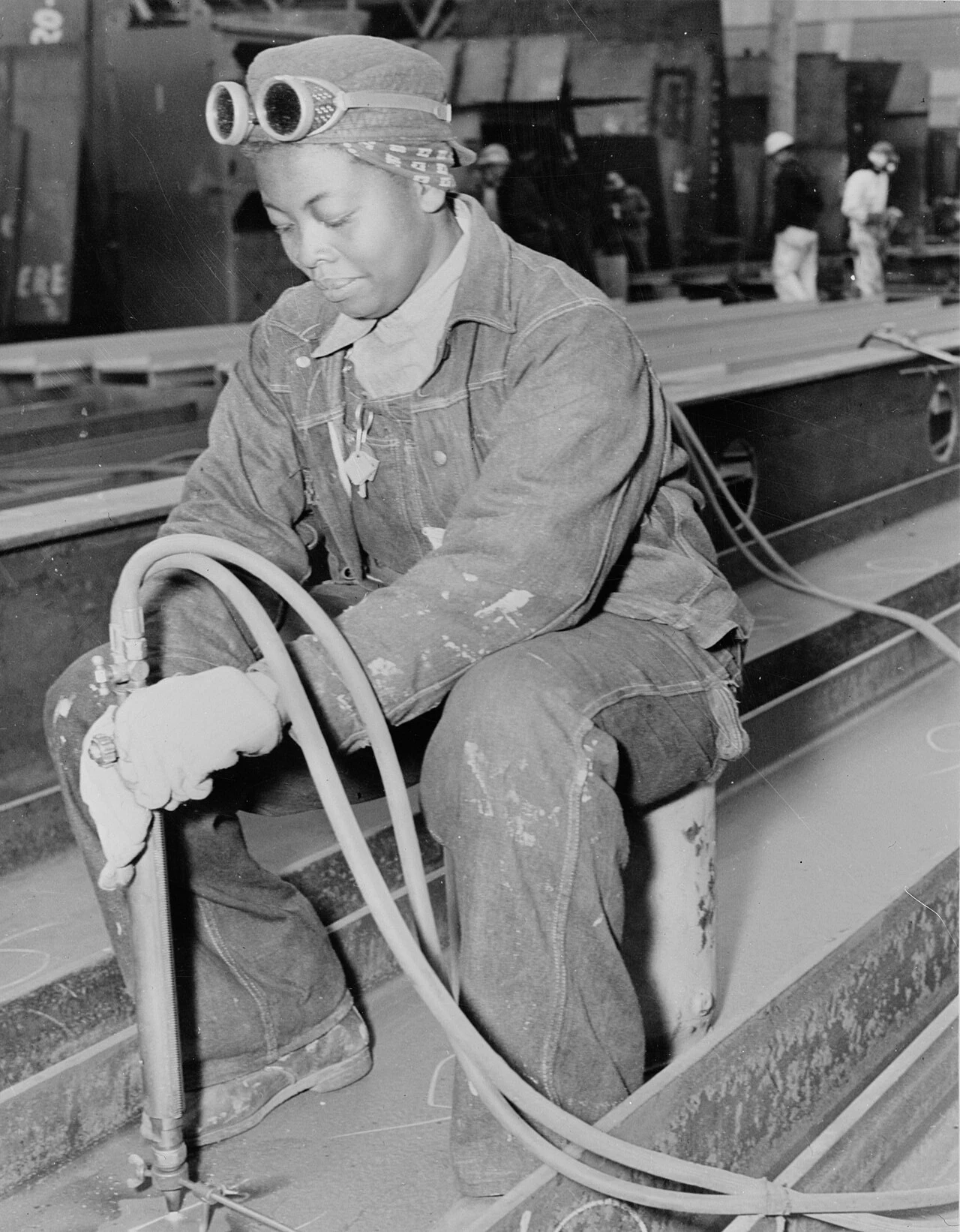
Kaiser, the Rivet and the Electric Arc
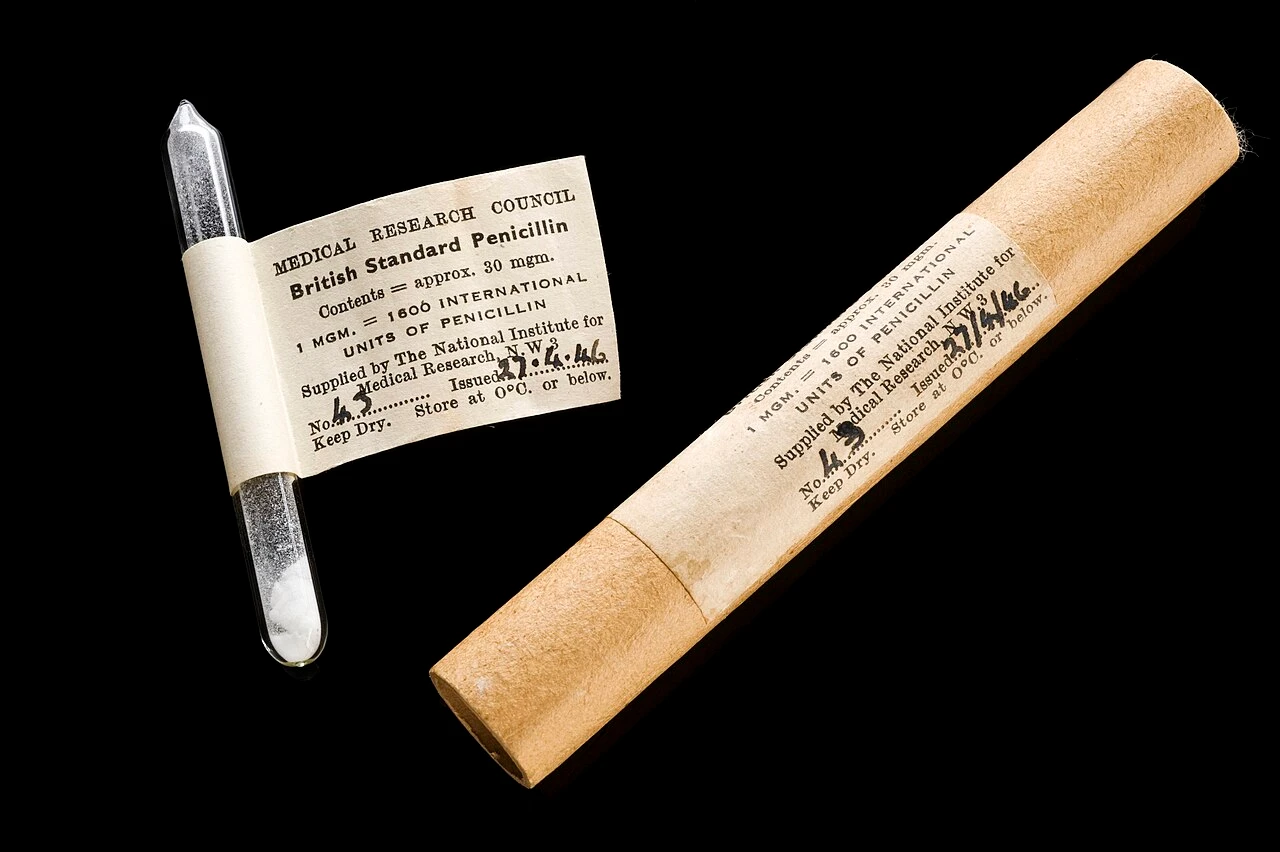
Rationing Penicillin
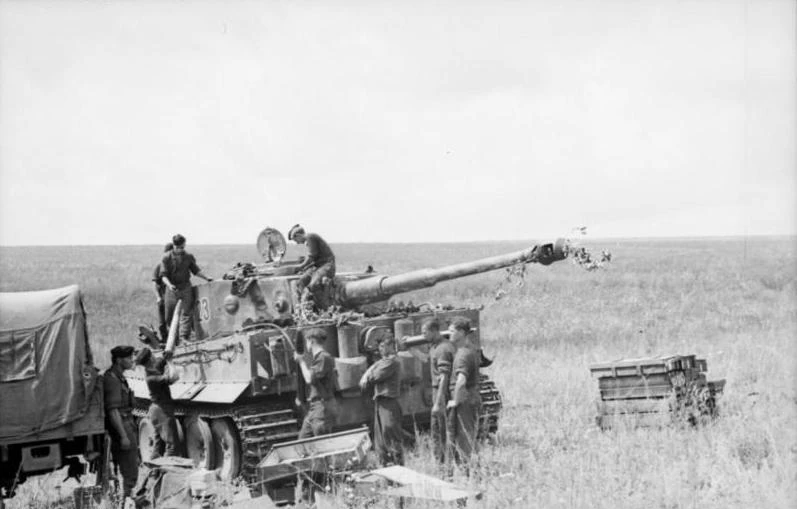
Krupp and the Beast's Cannon
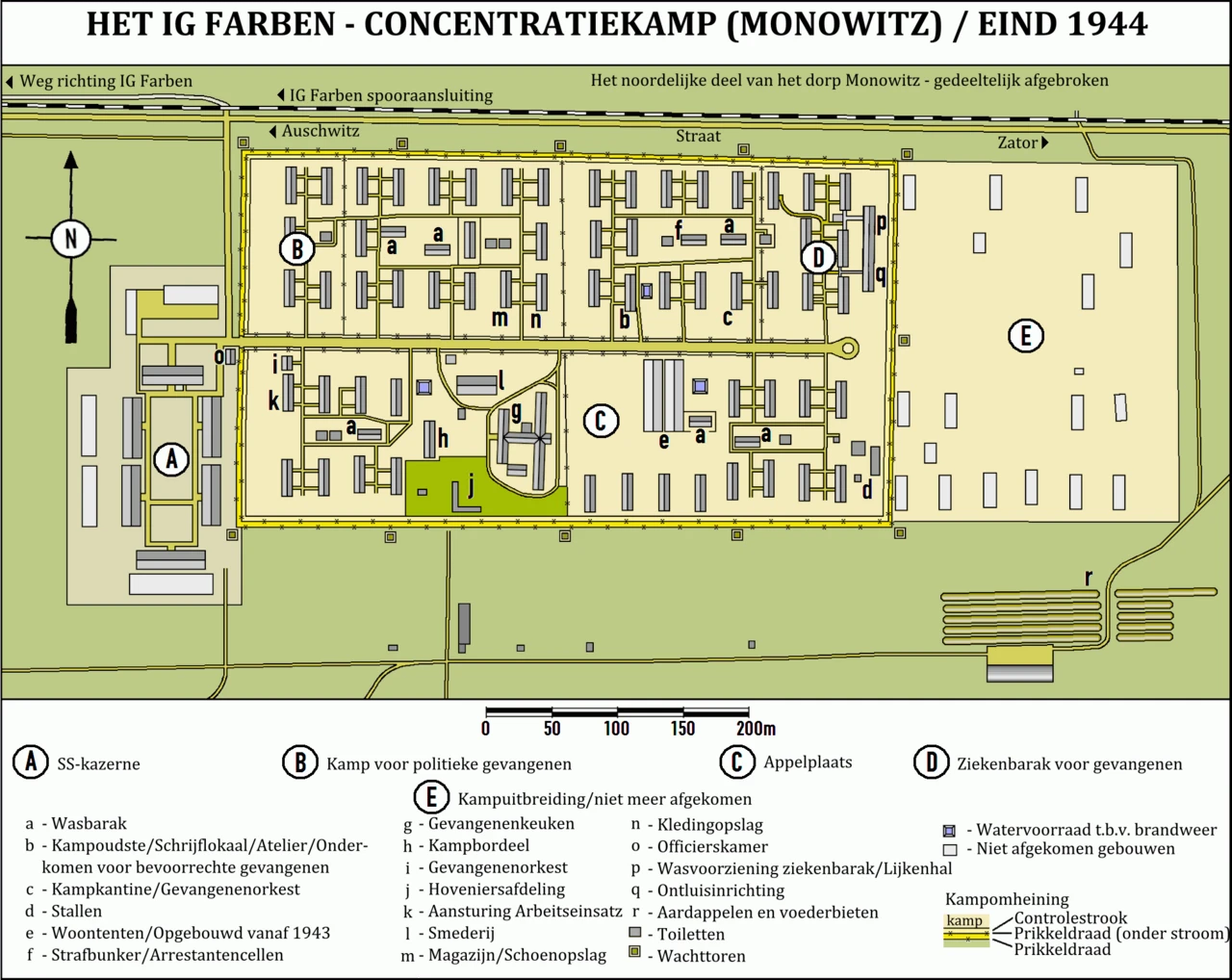
The Monowitz Construction Site
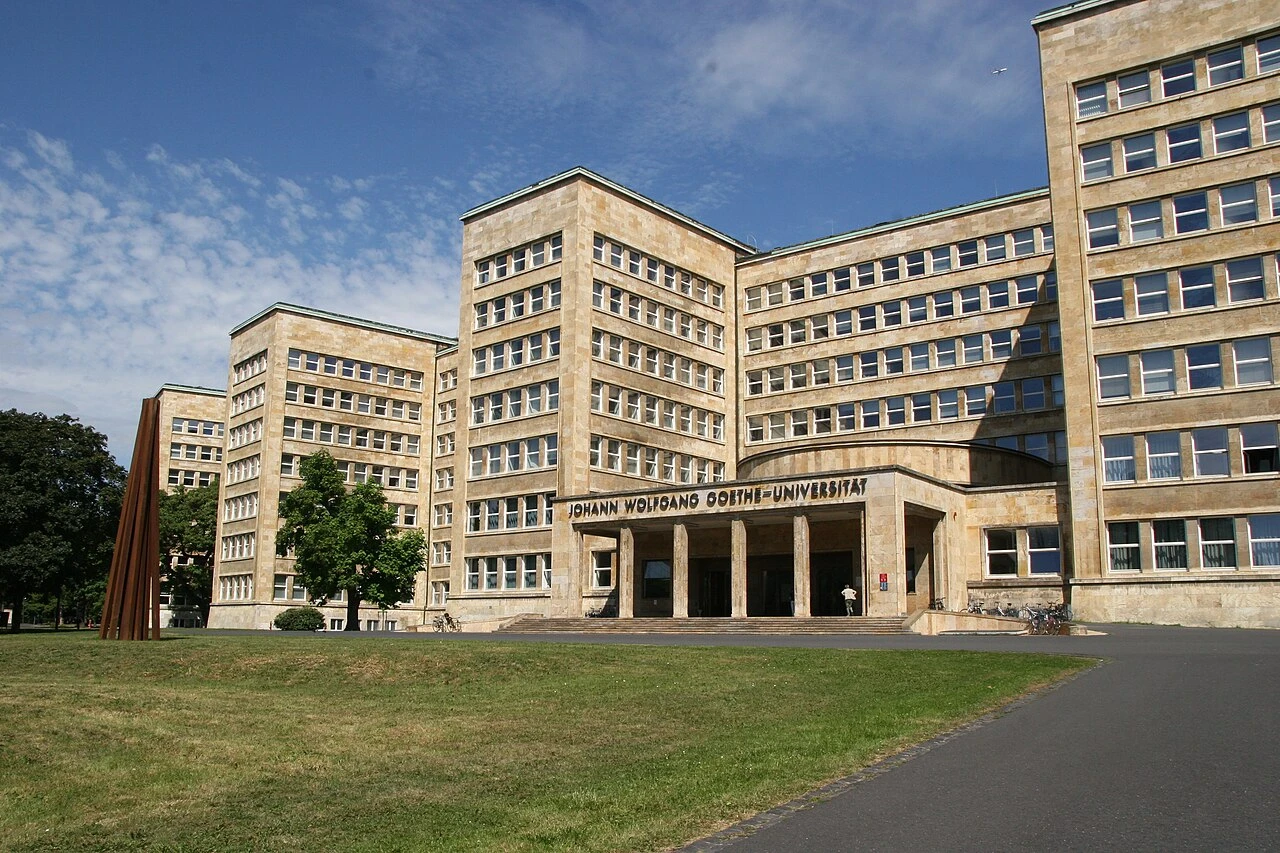
The Fourth Buna — Where to Site the Plant
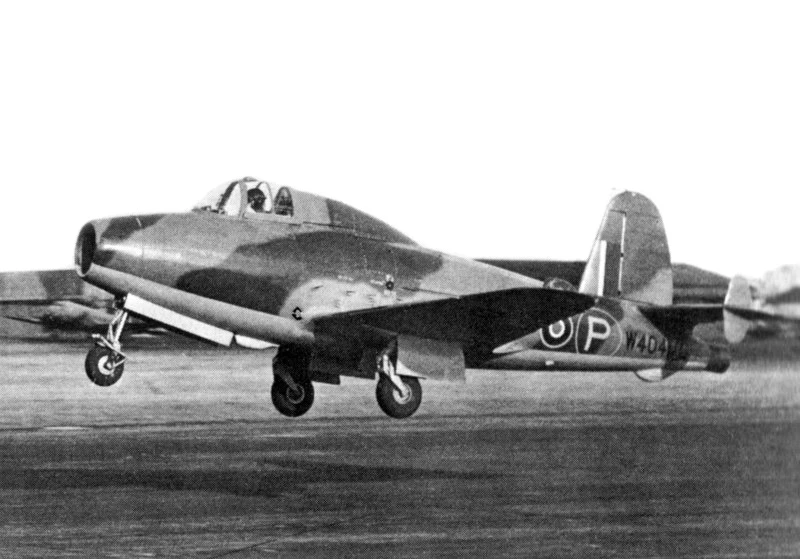
Whittle, his jet engine and the rebellious combustion chamber
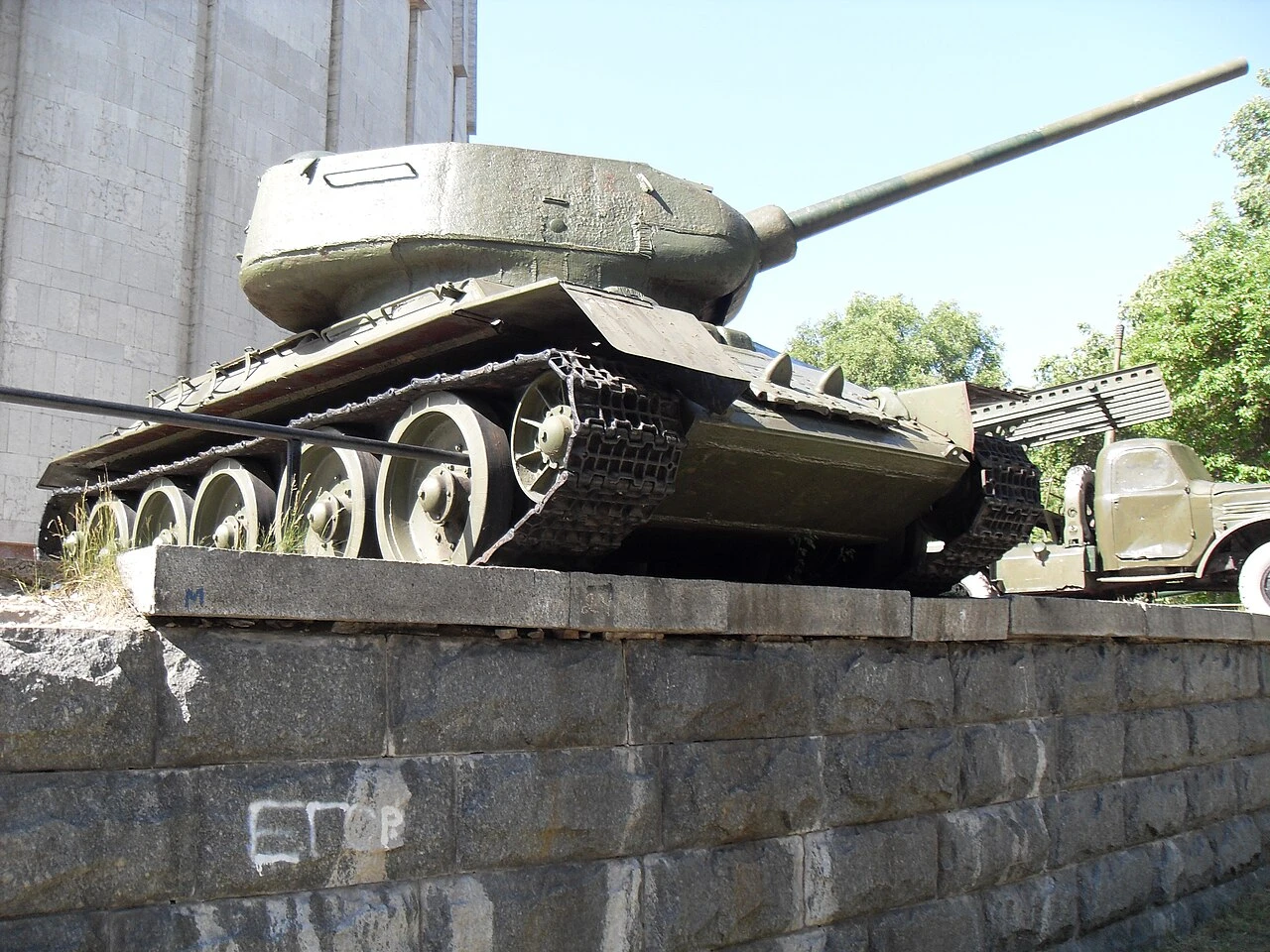
Ten thousand tanks, and nothing on paper
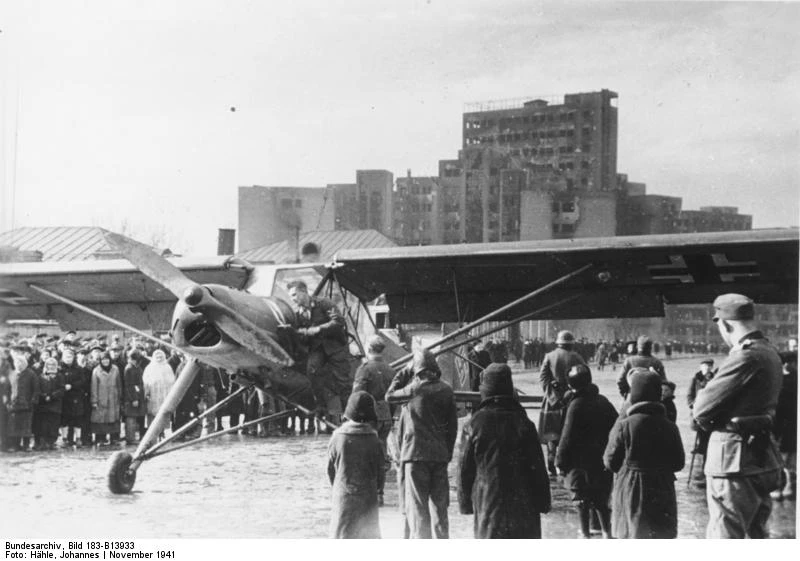
The Kharkov worker facing the dismantling of the tank factory
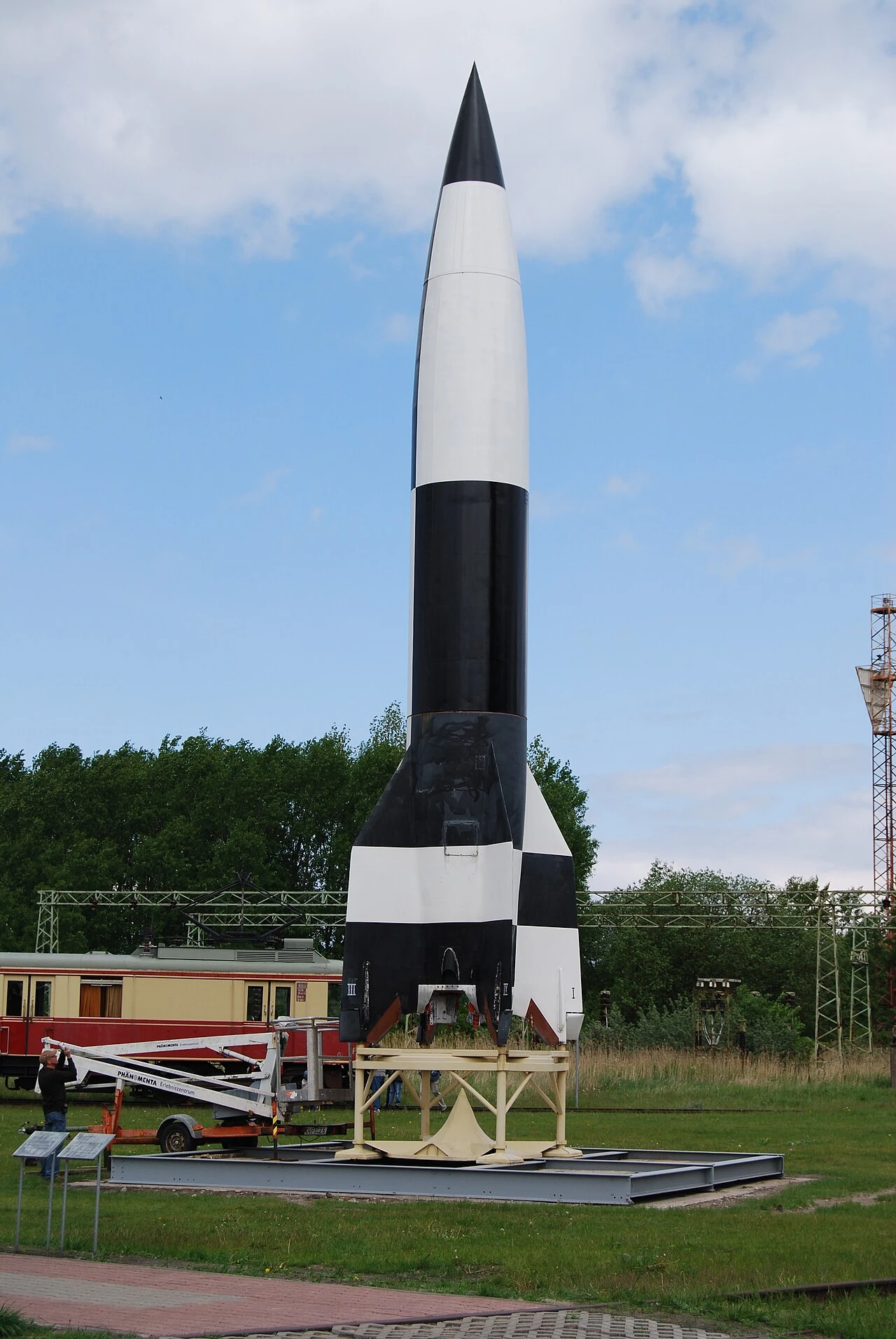
Peenemünde: producing before flying
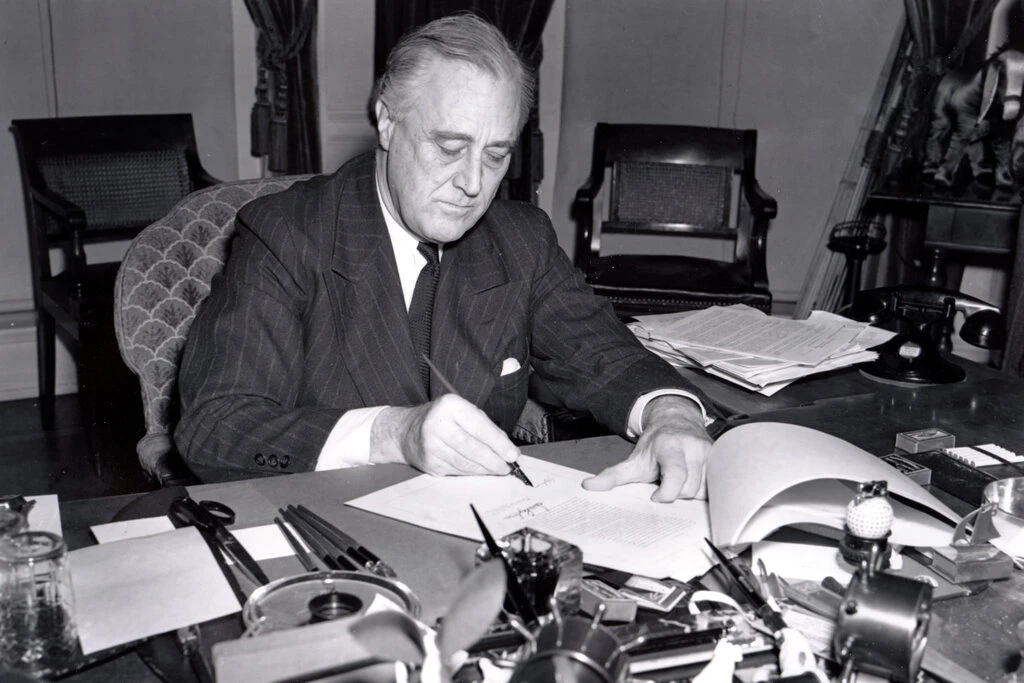
Washington, March 1941: Arming Without Entering the War
Kaiser, the Rivet and the Electric Arc
Rationing Penicillin
Krupp and the Beast's Cannon
The Monowitz Construction Site
The Fourth Buna — Where to Site the Plant
Whittle, his jet engine and the rebellious combustion chamber
Ten thousand tanks, and nothing on paper
The Kharkov worker facing the dismantling of the tank factory
Peenemünde: producing before flying