
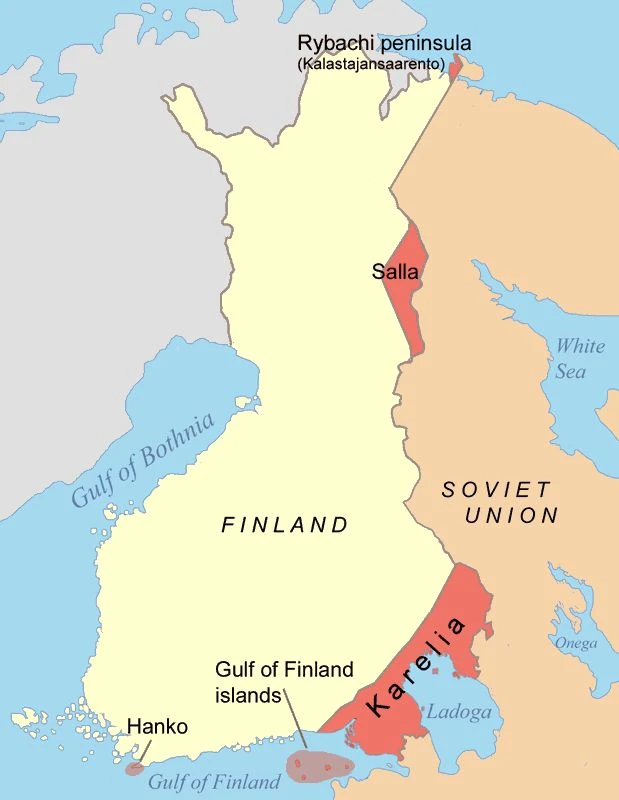
Since November 1939, the USSR — then bound to Germany by the German–Soviet pact — had invaded Finland (the "Winter War"). The fierce resistance of the Finns, who inflicted heavy losses on the , aroused admiration and emotion in the West. In Paris and London, the idea was floated of sending an expeditionary force to the rescue of Helsinki.
The calculation was ambiguous. Helping Finland would satisfy public opinion and would, in passing, allow Germany to be cut off from the Swedish iron transiting through Norway — a real strategic objective. But the expedition would drag France and the United Kingdom into a simultaneous war against the USSR, in addition to Germany, and would pass through Norway and Sweden, neutral countries little disposed to let troops cross their territory.
The Allies had to decide. To mount an expedition to Finland across Scandinavia. To abstain so as not to open a second front against the USSR. Or to limit themselves to material aid (arms, volunteers) without committing troops. The risk was either of dispersing their efforts, or conversely of missing a strategic opportunity.
Should the Allies send an expeditionary force to Finland, abstain, or limit themselves to material aid?
The Allies moved towards A but were caught off guard: an expeditionary force was prepared in early 1940, chiefly interested in controlling Swedish iron via Narvik. But Norway and Sweden refused passage, and Finland capitulated to the USSR as early as 12 March 1940, rendering the expedition pointless. The episode destabilised the Daladier government, which fell. The Scandinavian project did not disappear for all that: it rebounded onto Norway and the iron of Narvik, the theatre of a campaign in April–May 1940. The Finnish affair illustrates the Allied temptation to seek peripheral fronts in the absence of an offensive on the main front.
Learn more about this event
Related polls
10
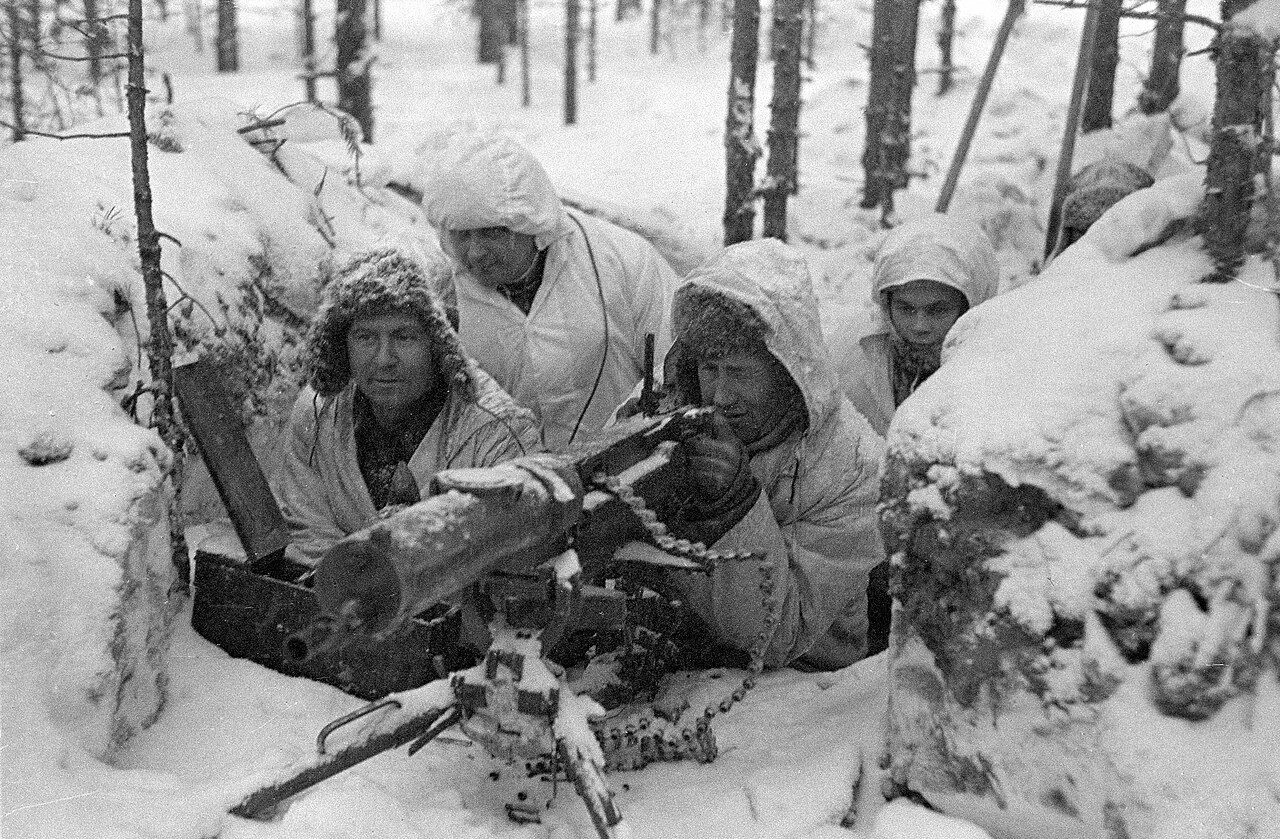
The Supreme Allied Council faces Finland
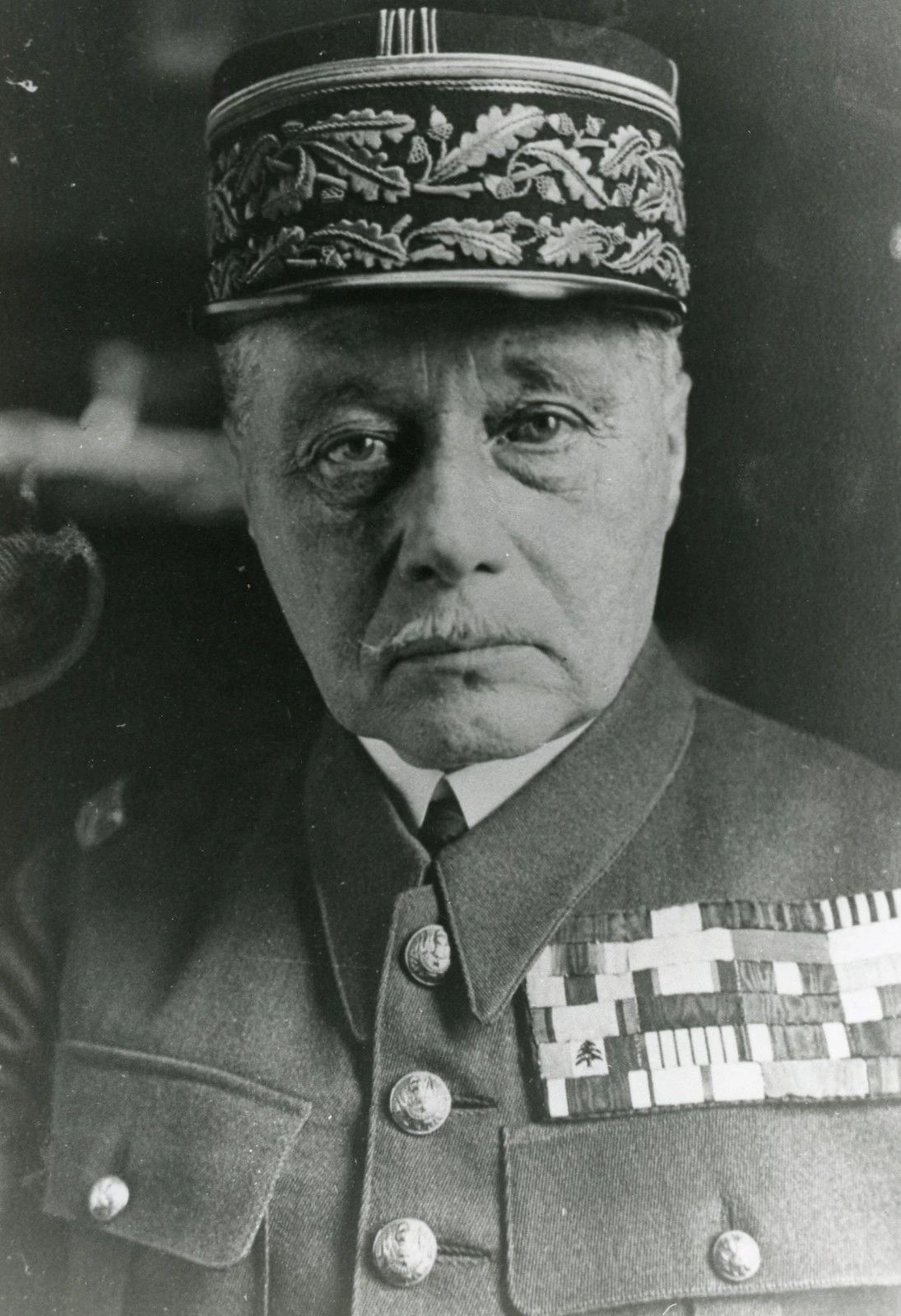
Baku in the crosshairs — Operation Pike
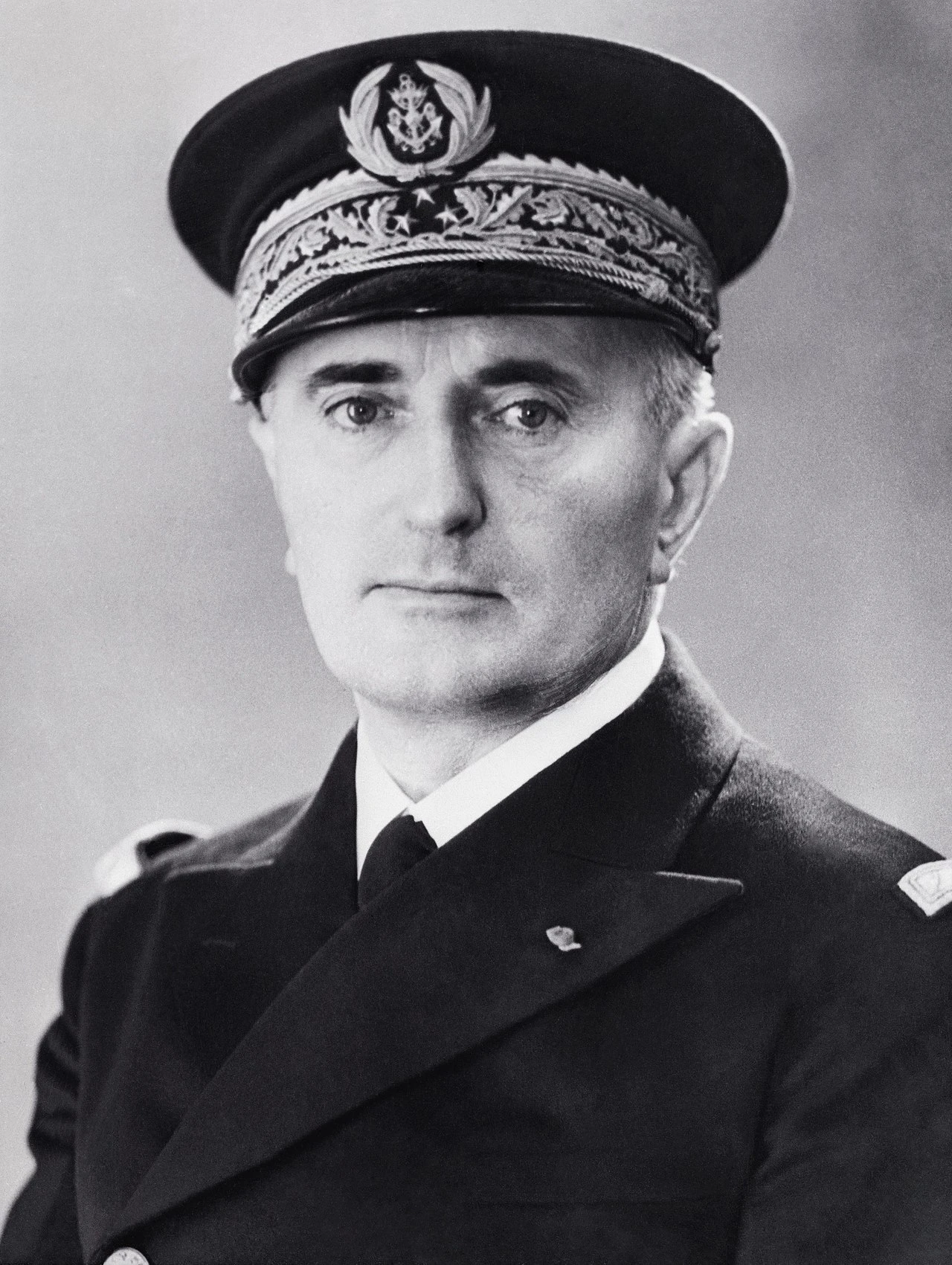
Darlan and the fleet — 20 June
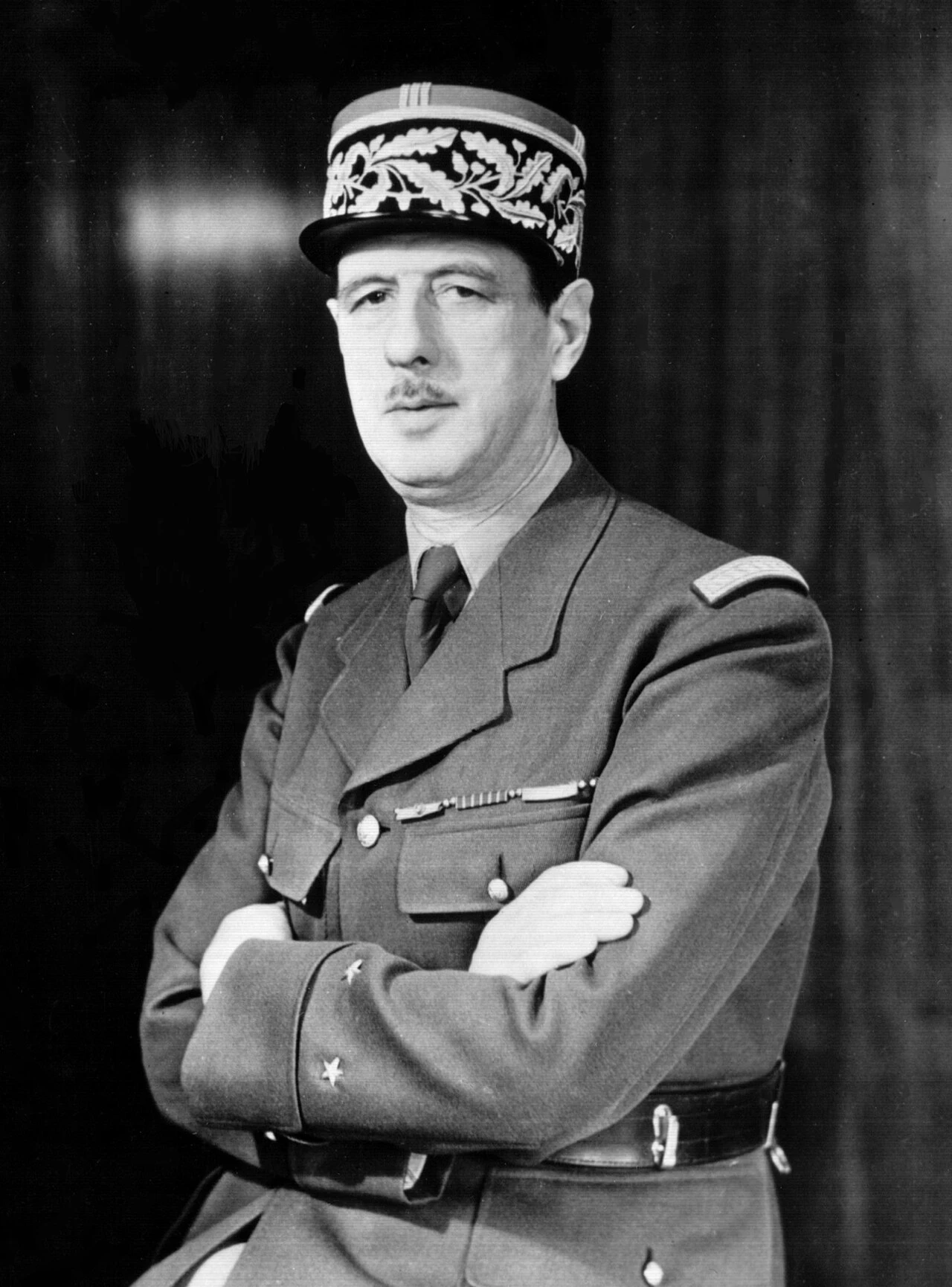
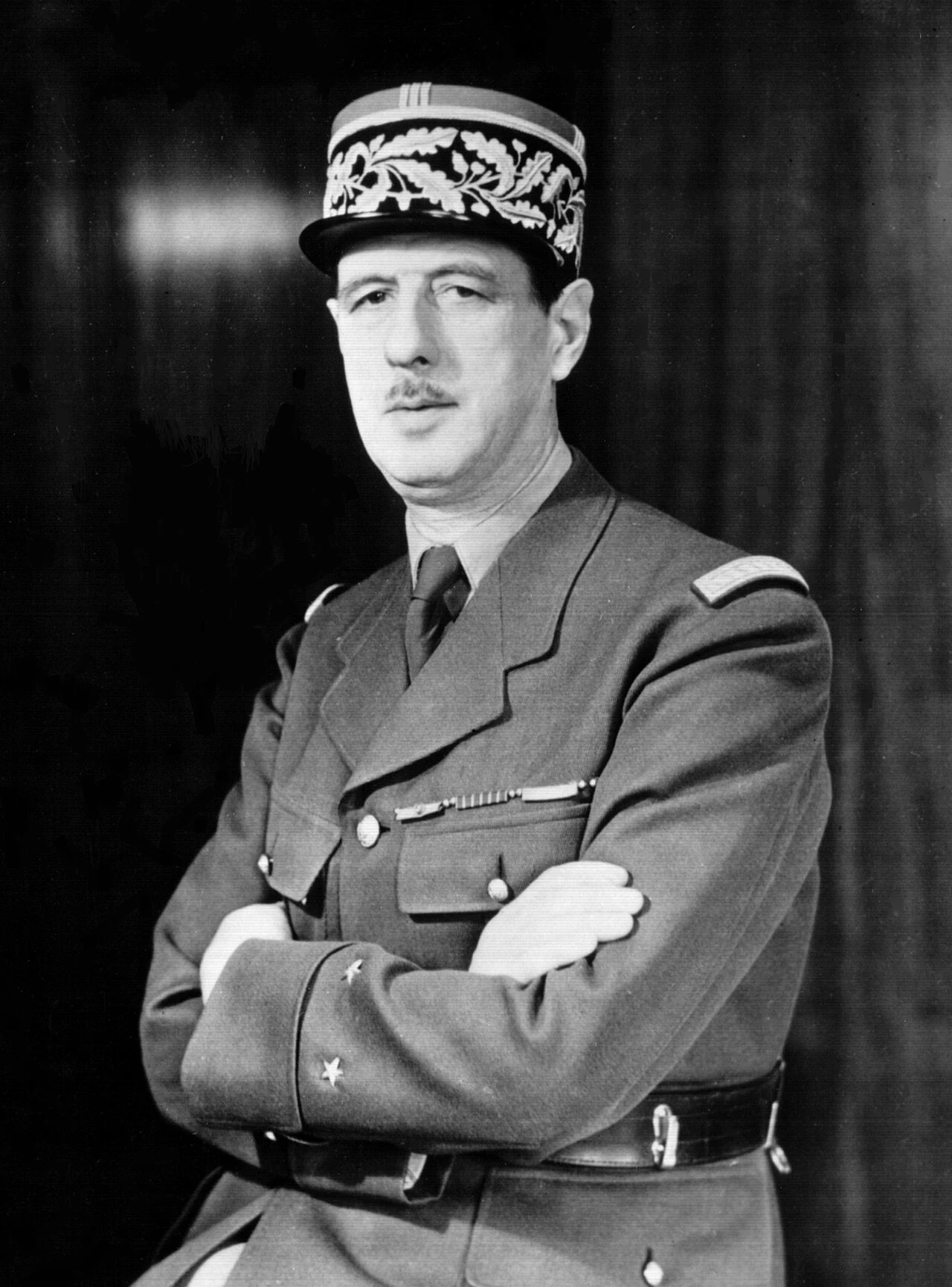
De Gaulle joins the government — 5 June
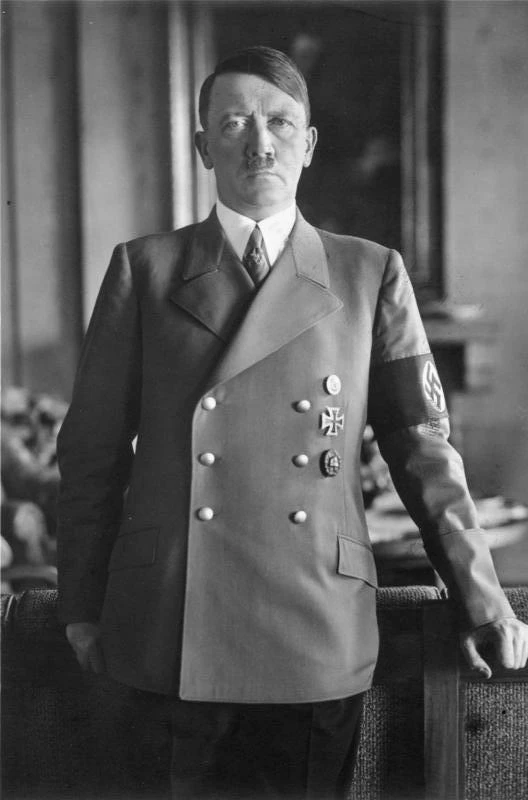
Halt-Befehl — Charleville 24 May 12:30
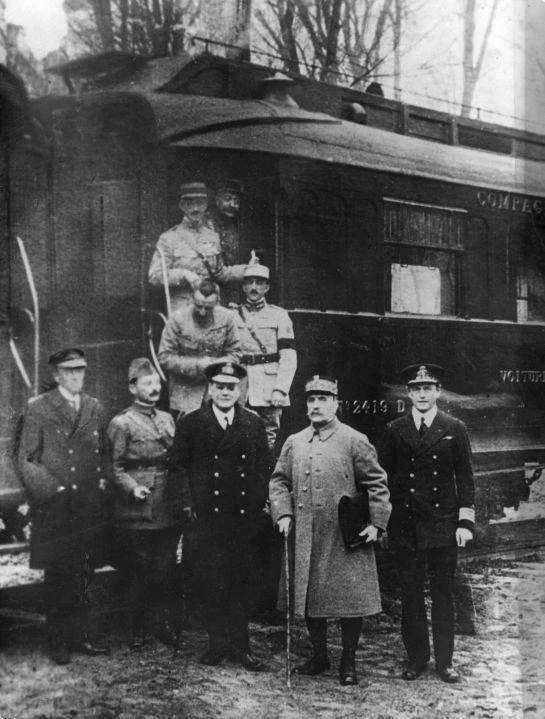
Rethondes — Article 8 on the Fleet
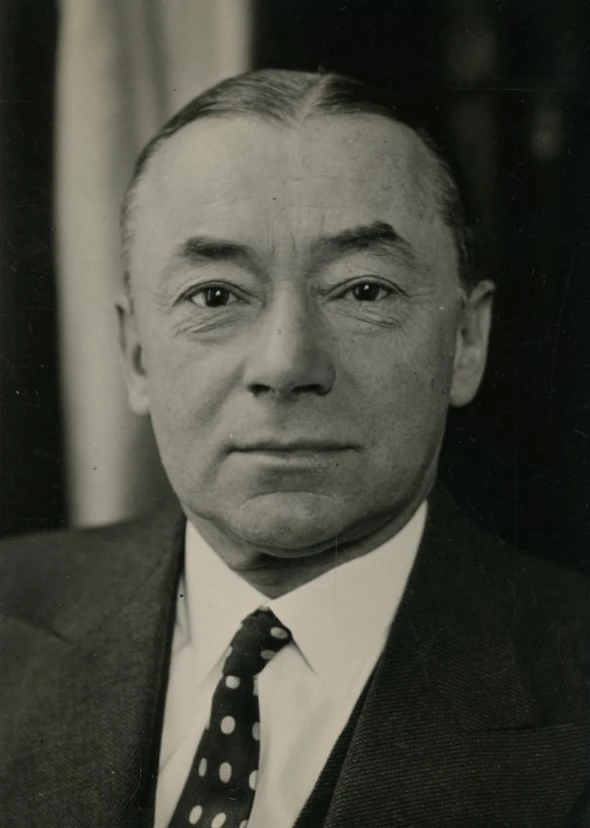
Reynaud — Matignon 21 March
The Franco-British union — 16 June
Assessment of the Winter War — 13 March
Dunkirk: should the French be saved alongside the British?
The Supreme Allied Council faces Finland
Baku in the crosshairs — Operation Pike
Darlan and the fleet — 20 June
De Gaulle joins the government — 5 June
Halt-Befehl — Charleville 24 May 12:30
Rethondes — Article 8 on the Fleet
Reynaud — Matignon 21 March
The Franco-British union — 16 June
Assessment of the Winter War — 13 March