
The Campaign's Toll — 10 May to 25 June
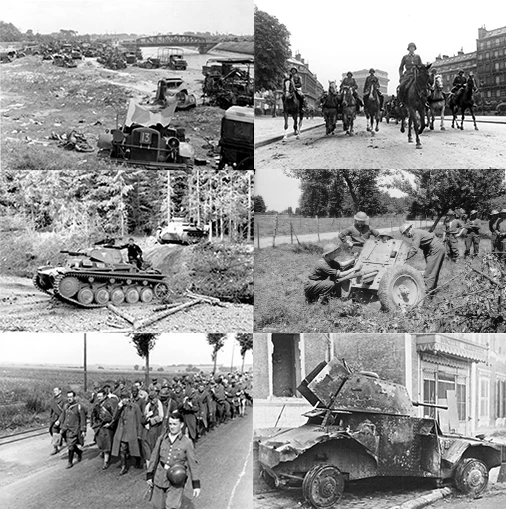
The Battle of France ends on 25 June 1940. In six weeks, one of the world's most highly reputed armies has been defeated. Establishing the toll requires cross-checking contradictory sources: French military archives (SHD/Vincennes), German ones (Bundesarchiv in Freiburg), and the British, Belgian and Dutch official histories, long shaped by the propaganda of both camps.
Five major categories must be counted: French military losses (killed, wounded, prisoners), German losses, civilian losses (exodus, bombings, massacres), materiel destroyed or captured, and the extent of occupied territories. Figures have long varied with eras and intentions: Vichy minimised certain aspects, German propaganda inflated others.
The historian's task is to draw out a consensual order of magnitude from modern scholarship. For decades the count of prisoners itself varied, Vichy putting forward one and a half million while the Germans claimed nearly two million. The reliability of sources, long dependent on the propaganda of both camps, complicates any reckoning. What remains is the question of the figures modern historiography today considers most reliable.
What French military toll does modern historiography accept?
Modern historiography accepts B. , in The Blitzkrieg Legend, consolidates these figures: about 100,000 French military killed (some in combat, others in captivity or from wounds), some 200,000 wounded and 1,850,000 prisoners, of whom nearly 1,580,000 were transferred to Germany — where many will remain until 1945. On the German side, losses are significantly lower: on the order of 27,000 killed, 110,000 wounded and 18,000 missing. To these are added 30,000 to 50,000 civilian dead (exodus and bombings). These figures show a swift but real and costly defeat, far from the myth of an army that did not fight: France lost in six weeks more men than during certain great battles of 1914-1918.
Learn more about this event
Related polls
10
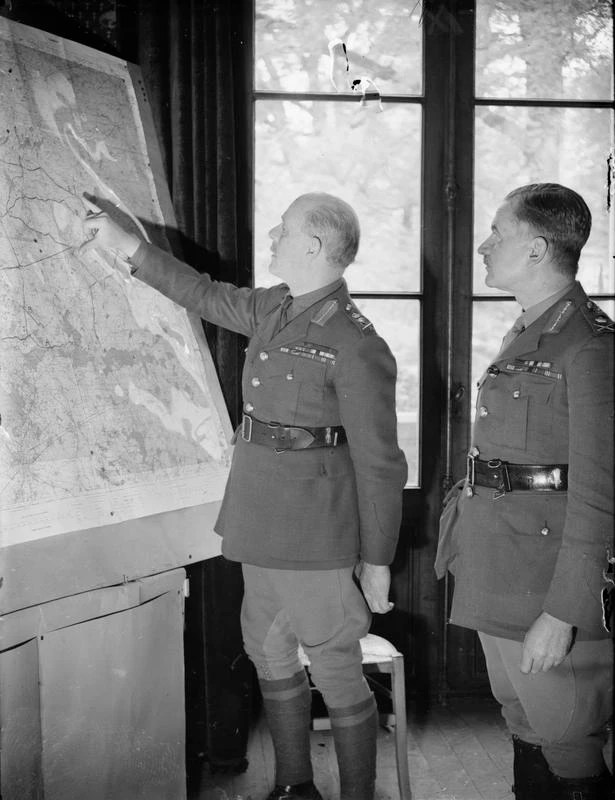
Gort at Habarcq — trust in the French plan
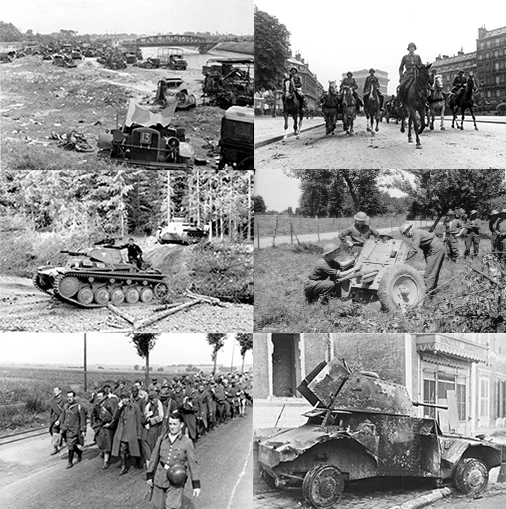
Guderian and the stop order
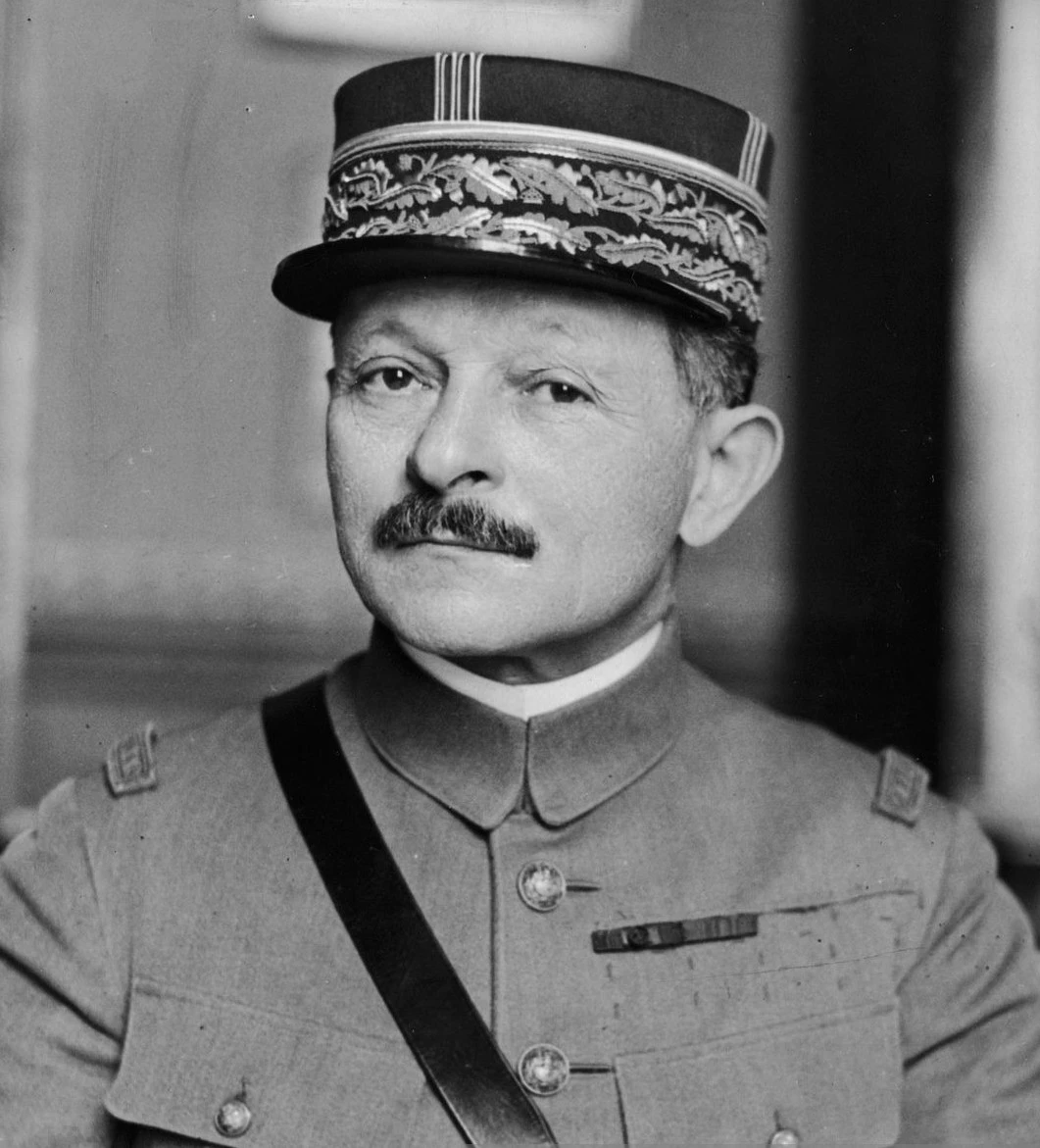
Weygand — Vincennes 20 May 02:00

Touchon on the Aisne — Fall Rot
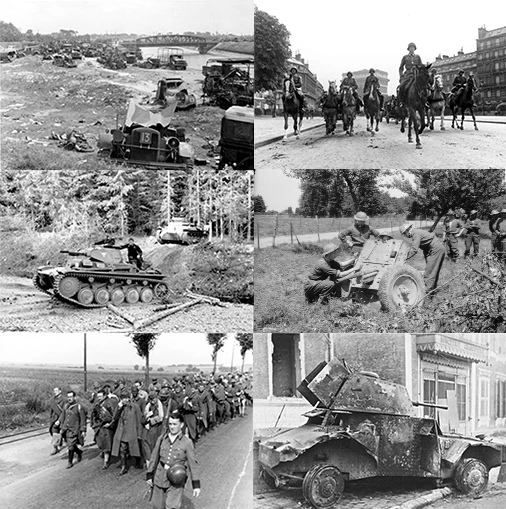
The collapse of the 9th Army
Fall Gelb — the order of 9 May 20:00
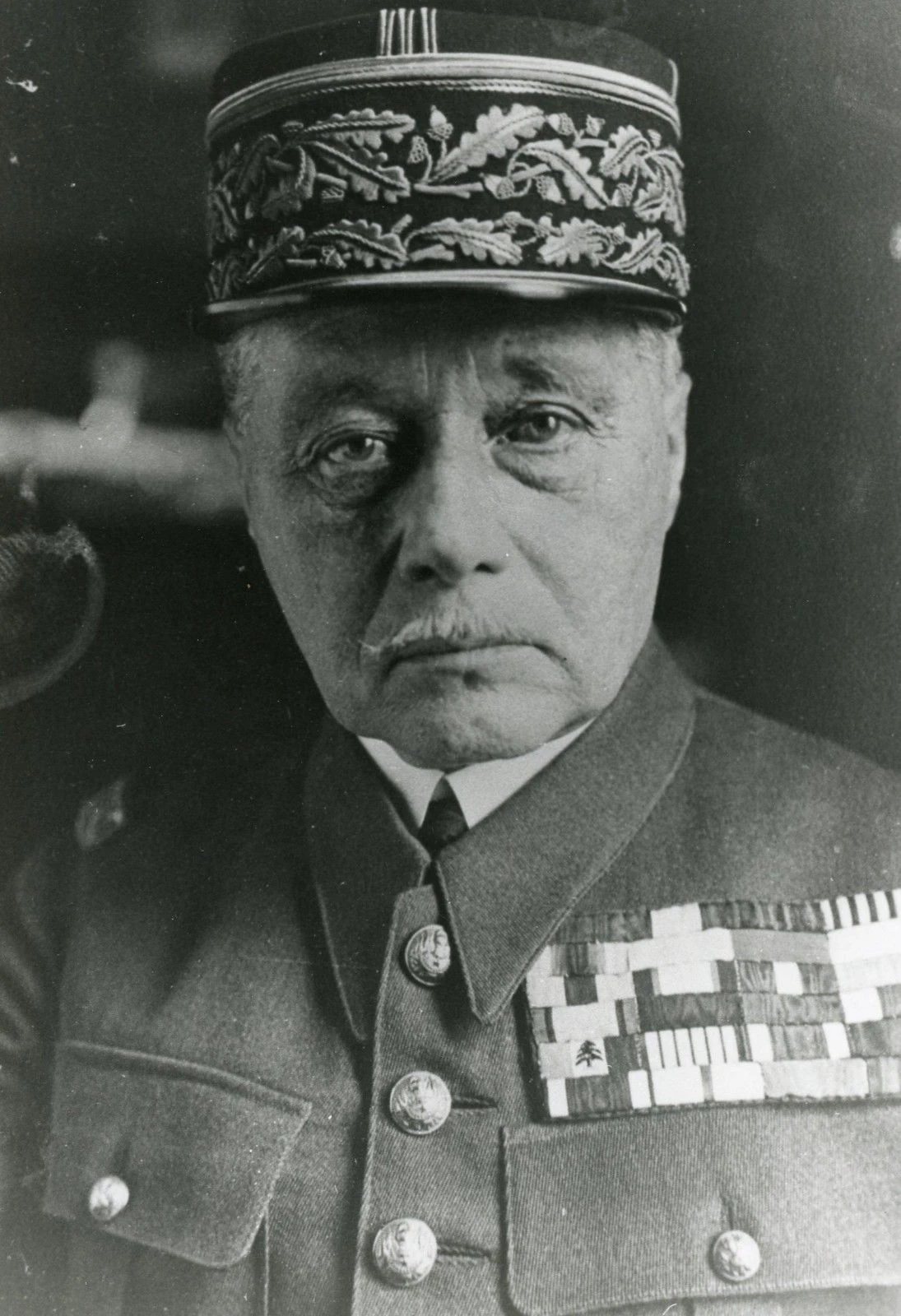
France Behind the Maginot
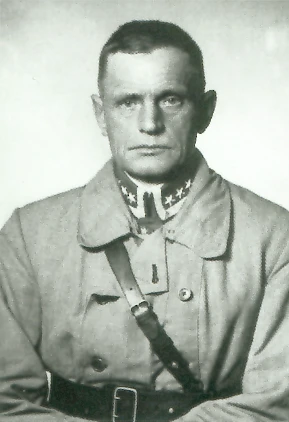
Gudbrandsdal — Ruge imposes his line
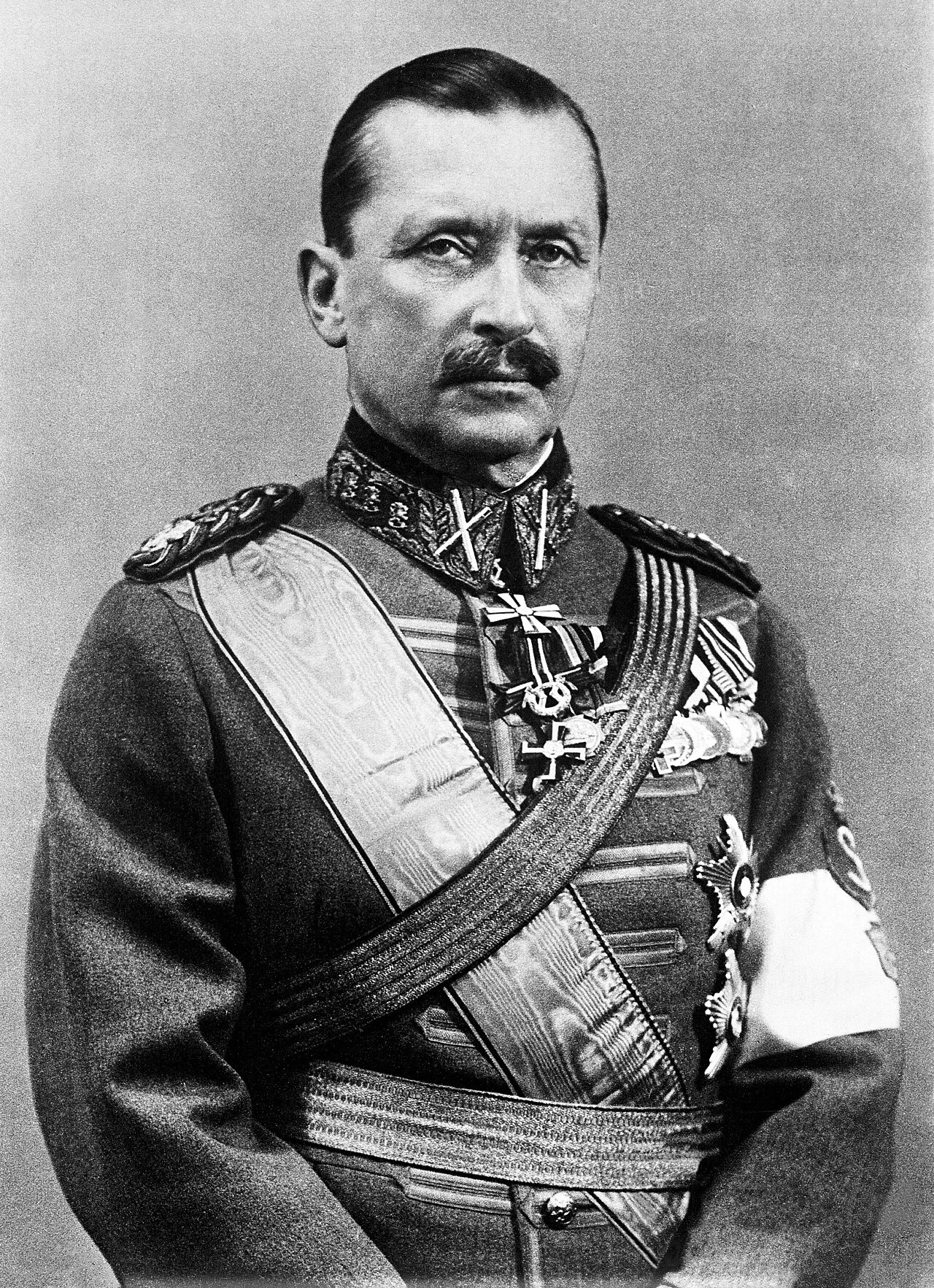
Mannerheim — the order facing Viipuri
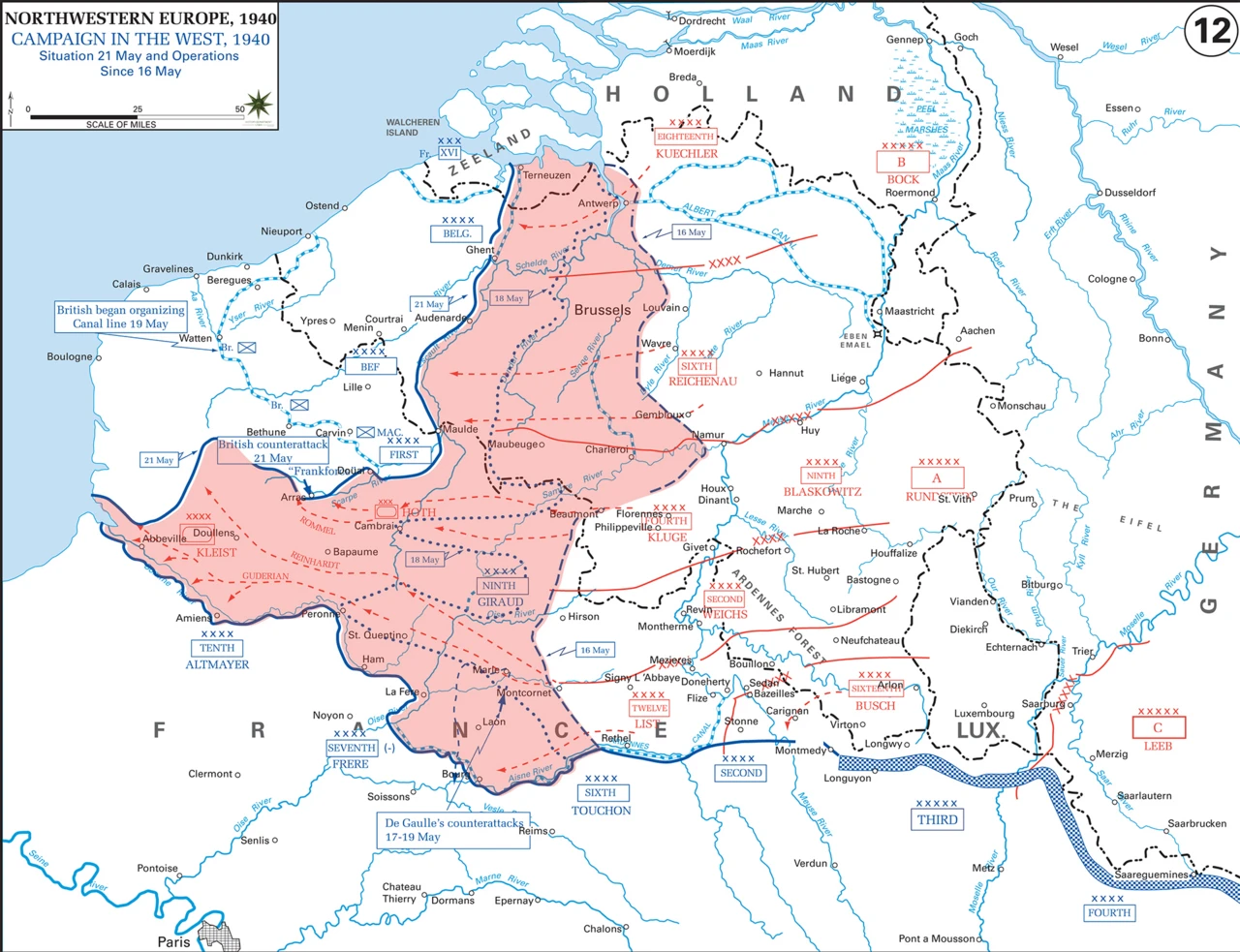
Arras — the Matildas against Rommel's flank
Gort at Habarcq — trust in the French plan
Guderian and the stop order
Weygand — Vincennes 20 May 02:00
Touchon on the Aisne — Fall Rot
The collapse of the 9th Army
Fall Gelb — the order of 9 May 20:00
France Behind the Maginot
Gudbrandsdal — Ruge imposes his line
Mannerheim — the order facing Viipuri