
Mackay before Tobruk — the assault
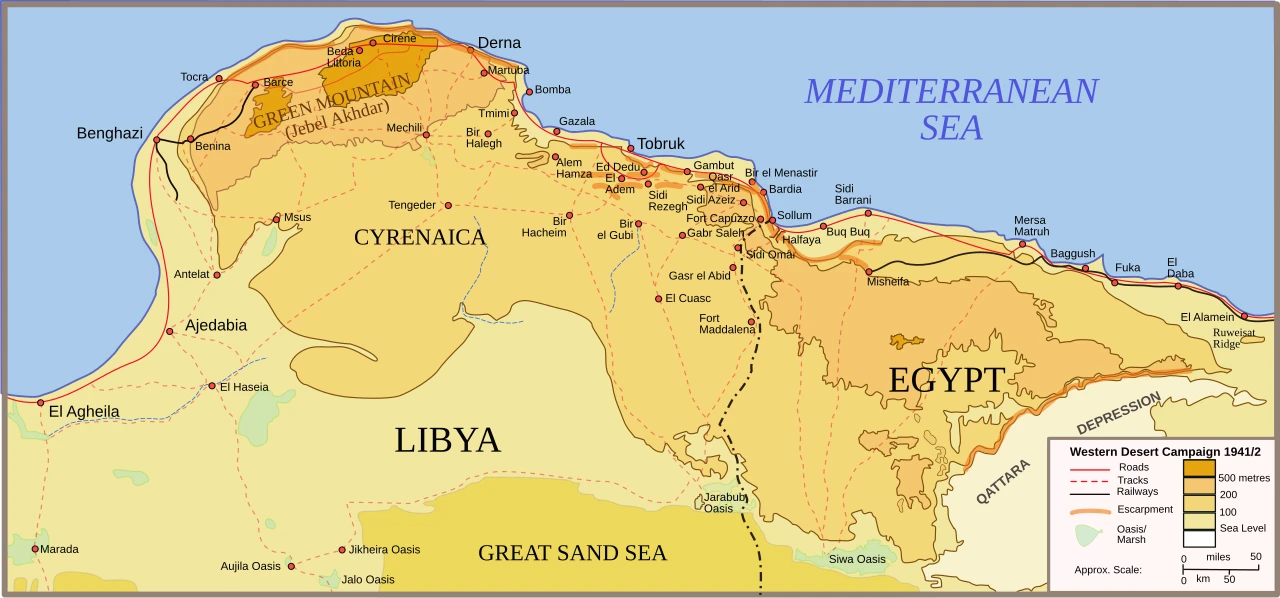
After the fall of Bardia, Operation Compass moves on to Tobruk, a deep-water port in Cyrenaica. Its capture is a major objective: a forward port would spare the British the need to supply their offensive over a land route of nearly 700 km from Alexandria. The place is held by an Italian garrison of some 25,000 men under General , behind a fortified perimeter still more extensive than at Bardia.
Mackay's , already victorious at Bardia, leads the assault, again supported by a handful of Matilda tanks and by artillery. The challenge is the same, on a larger scale: cross the anti-tank ditch and the wire, neutralize the enemy artillery, then exploit. The Australians also want to seize the port and its installations intact, so that they can immediately serve the logistics of what follows.
Mackay must decide on the tempo and priority objective: launch a swift assault to capitalize on momentum and Italian disarray; take time for methodical preparation at the risk of letting the enemy recover; or focus the effort on capturing the port installations intact.
How should Mackay take Tobruk?
Mackay combined A and C: the assault, launched at dawn on 21 January 1941 on the Bardia model, breached the perimeter; on the 22nd Tobruk fell with its garrison — some 25,000 prisoners — and its port largely intact, which immediately eased British logistics. The victory was brilliant, but the advance was wearing out men and equipment, and the Matildas were beginning to run short. Compass nevertheless rolled westward: Derna, then the race to Beda Fomm. Tobruk would return to the forefront a few weeks later — this time besieged by Rommel, its Australian garrison enduring a siege of several months that would make it a symbol of Allied resistance in Africa.
Learn more about this event
Related polls
10
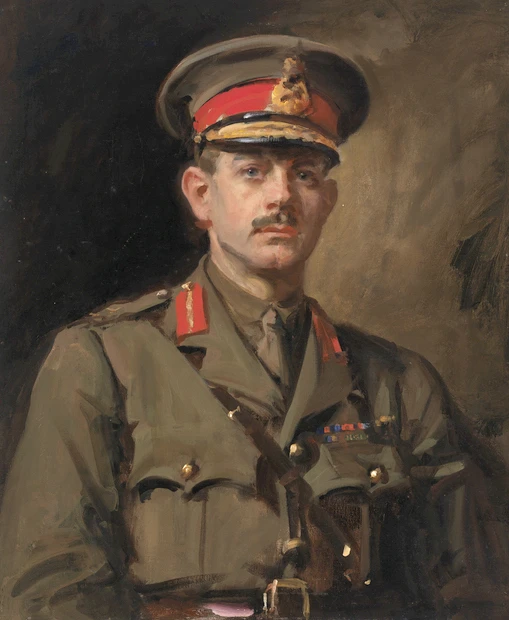
Mackay and the Australians at Bardia
The Greeks at the Klisura Pass
O'Connor launches Compass — Sidi Barrani
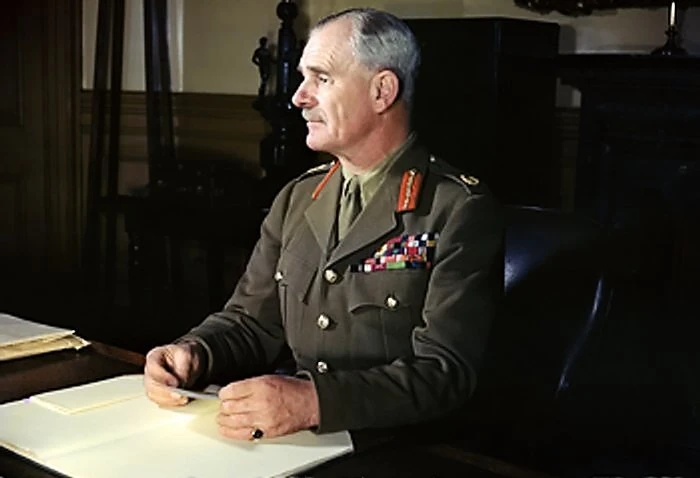
Battleaxe — Wavell before Halfaya
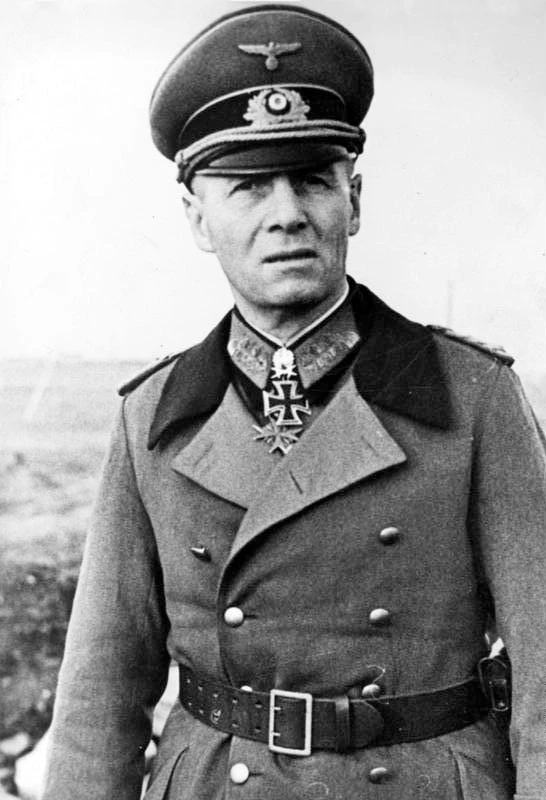
Hitler sends Rommel to Africa
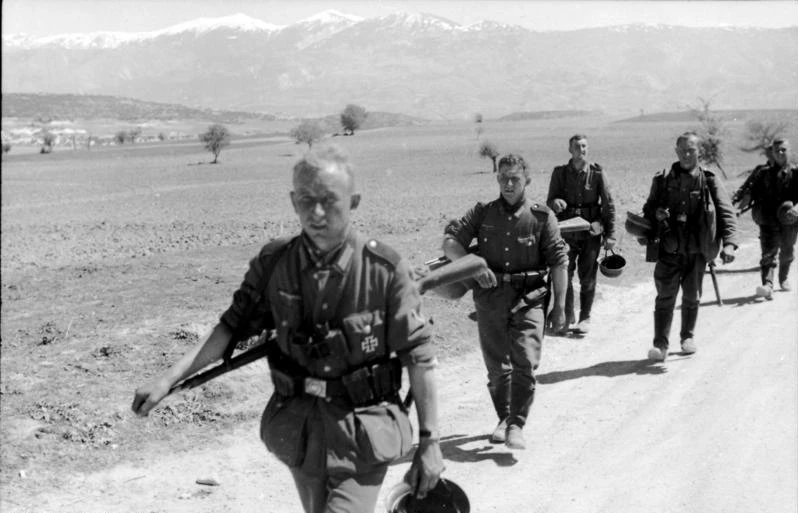
Marita — the invasion of Greece
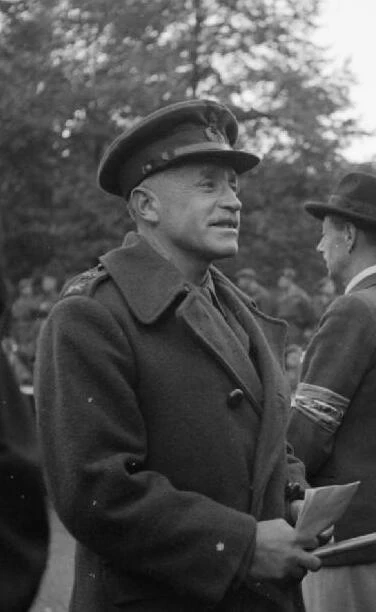
O'Connor at Beda Fomm
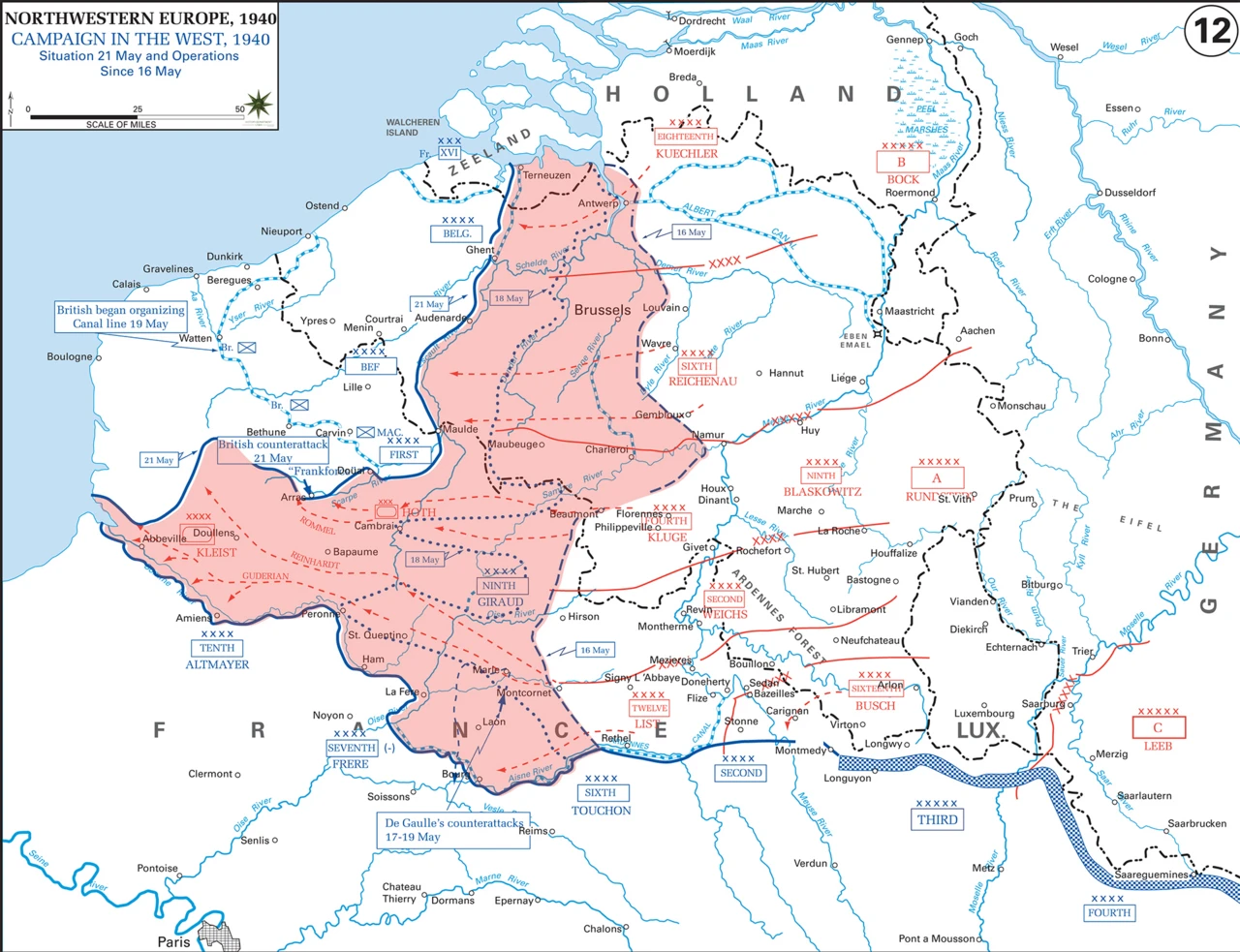
Arras — the Matildas against Rommel's flank
The Houx weir
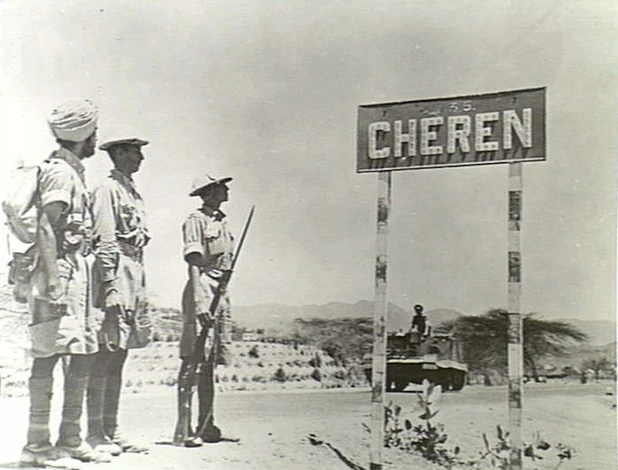
The Battle of Keren — Eritrea
Mackay and the Australians at Bardia
The Greeks at the Klisura Pass
O'Connor launches Compass — Sidi Barrani
Battleaxe — Wavell before Halfaya
Hitler sends Rommel to Africa
Marita — the invasion of Greece
O'Connor at Beda Fomm
Arras — the Matildas against Rommel's flank
The Houx weir