
The Romania of King holds a coveted asset and a peril: the oil of Ploiești, one of Europe's few major deposits. Wedged between Germany, the USSR, Hungary and Bulgaria — all liable to lay claim to territory — it seeks a protector without alienating the others.
In March 1939, under pressure, Bucharest signed an economic treaty with Berlin tying Romanian agriculture and oil closely to German needs. In April, the United Kingdom and France extended it a guarantee, as they had to Poland and Greece. Romania thus finds itself pulled in opposite directions.
must set a course. To anchor itself economically to Germany, a supplier of arms and an outlet for its oil, at the risk of total dependence? To take its stand resolutely alongside the Allies, relying on their guarantee, at the risk of provoking Berlin and Moscow? Or to play strict neutrality, selling its resources to the highest bidder while avoiding any commitment? The territorial survival of the kingdom is at stake. The slightest error of judgement could cost the kingdom entire provinces, in a region where each of its neighbours harbours territorial appetites.
Should Carol II anchor Romania to Germany, take his stand behind the Allied guarantee, or play neutrality?
attempts an unstable balancing act, dominated by A: while retaining the Allied guarantee, he deepens economic ties with Germany, on which he depends for his outlets and his arms. Romania will proclaim its neutrality at the start of the war, but the collapse of France in 1940, then the territorial amputations suffered to the benefit of the USSR, Hungary and Bulgaria, will tip it entirely into the German orbit. The grand straddle of 1939 will not have sufficed to preserve the integrity of the kingdom. The oil of Ploiești will become one of the great stakes of the war, coveted by all the belligerents.
Learn more about this event
Related polls
10
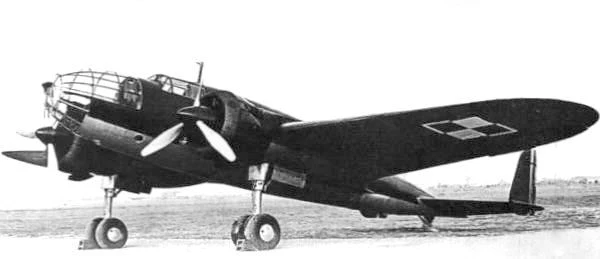
Carol II in Bucharest — the Romanian balance
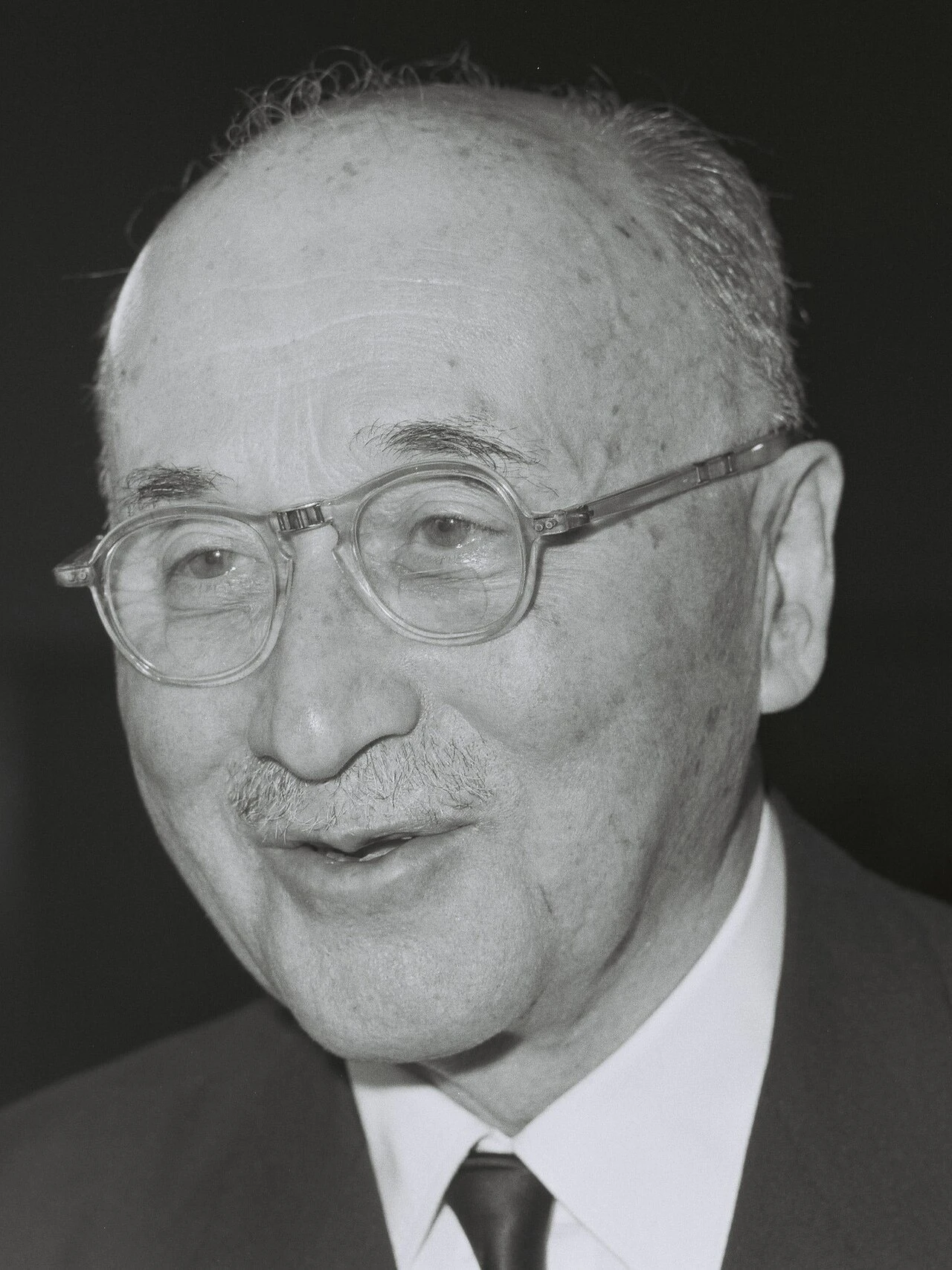
Buy Each for Themselves or with a Single Voice

Baumgartner and the gold of the Banque de France
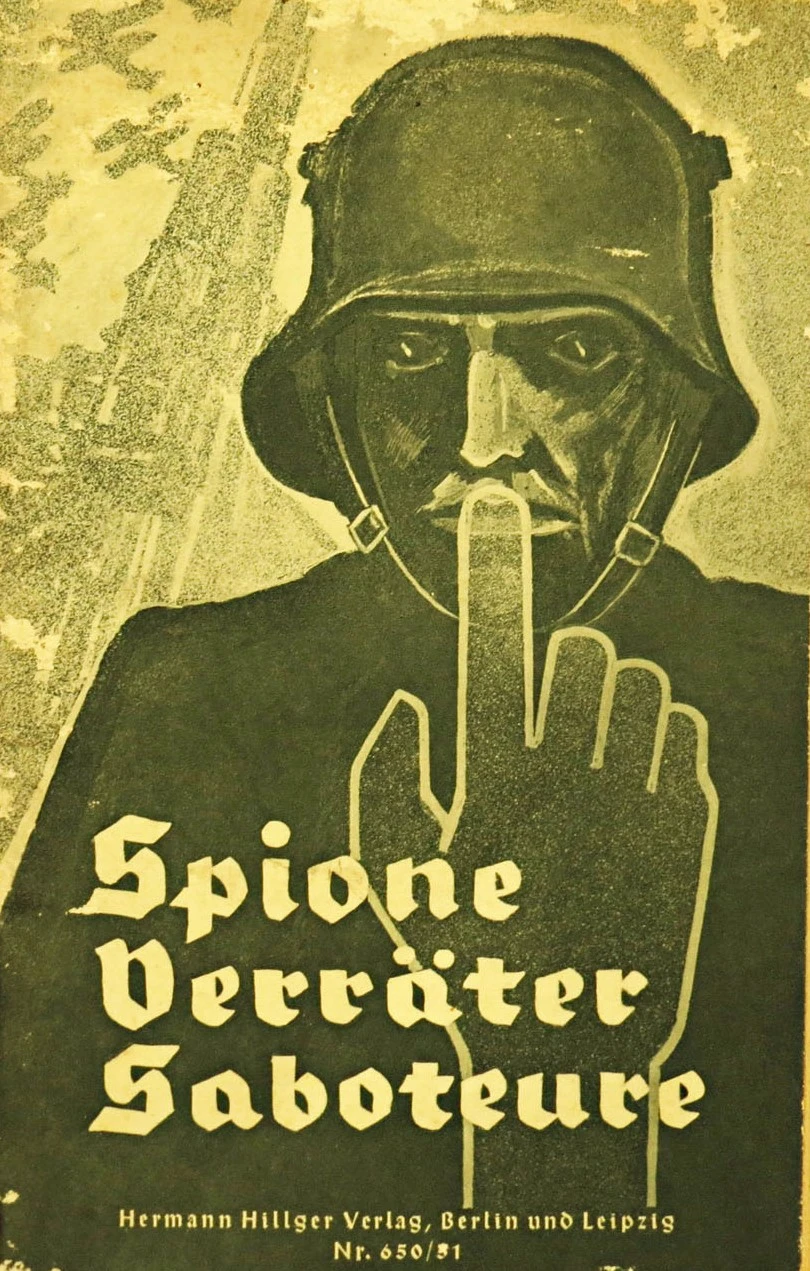
The Karten: Rationing Germany at War
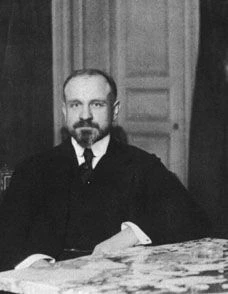
Nogara and the Vatican portfolio
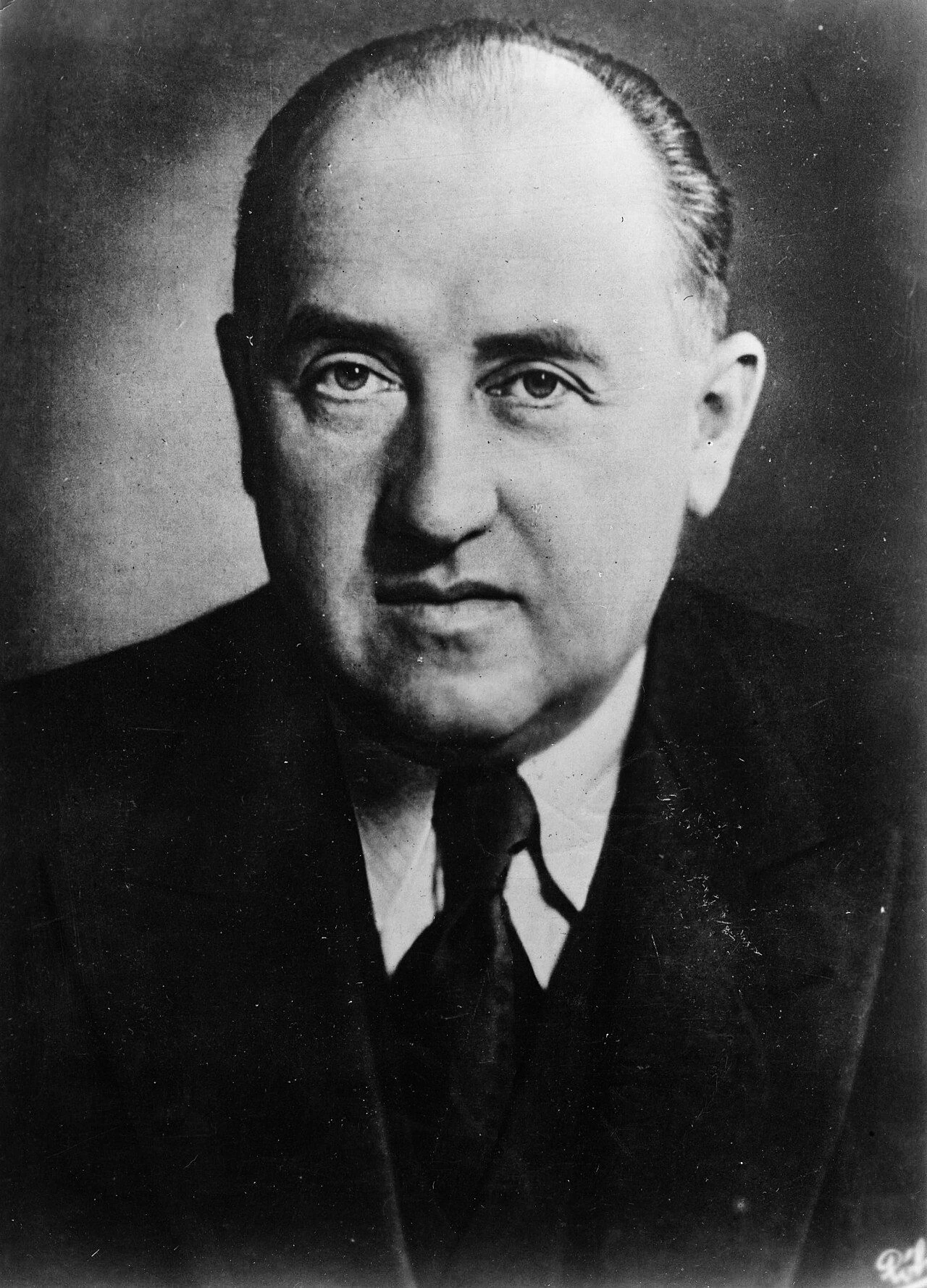
The Gold of the Bank of Poland — the destination of the SS Eocene
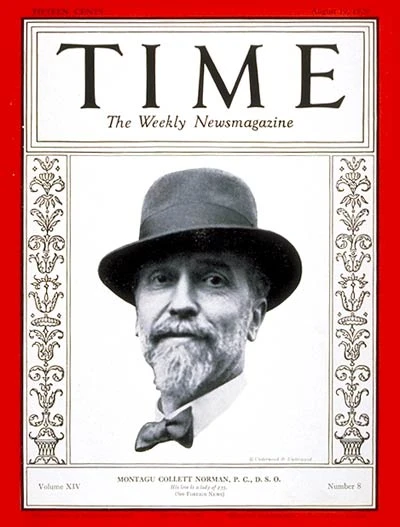
The Czech Gold
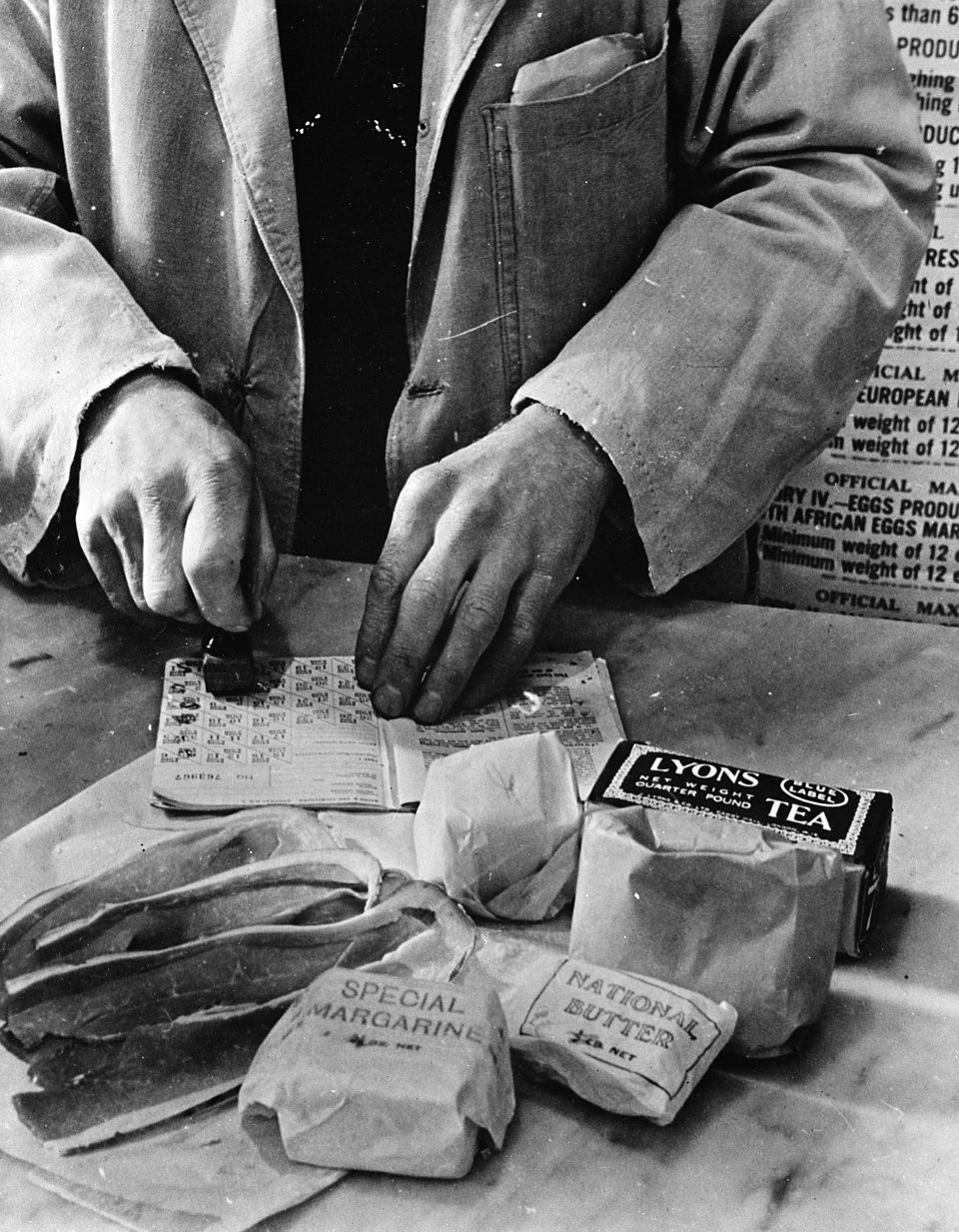
British rationing — Morrison and the principle
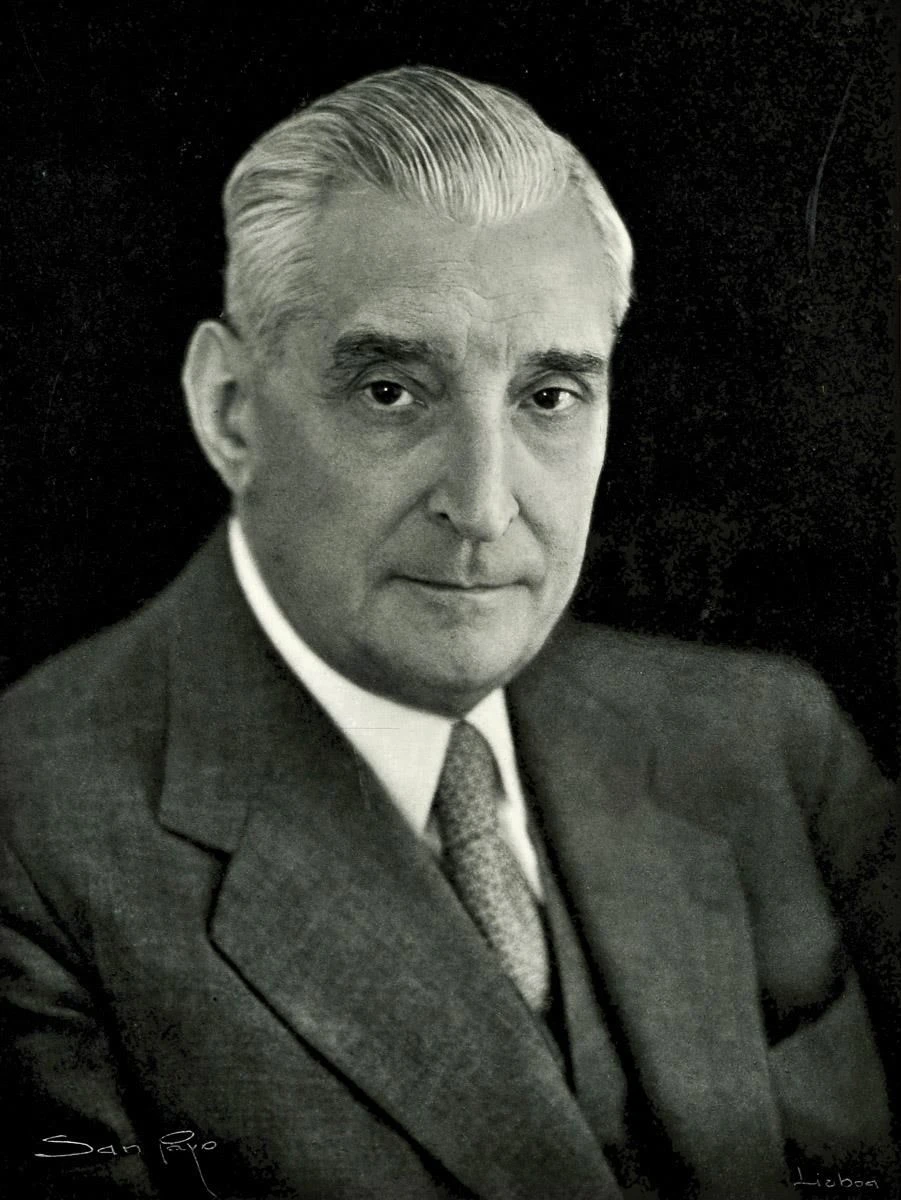
Salazar in Lisbon — under triple pressure
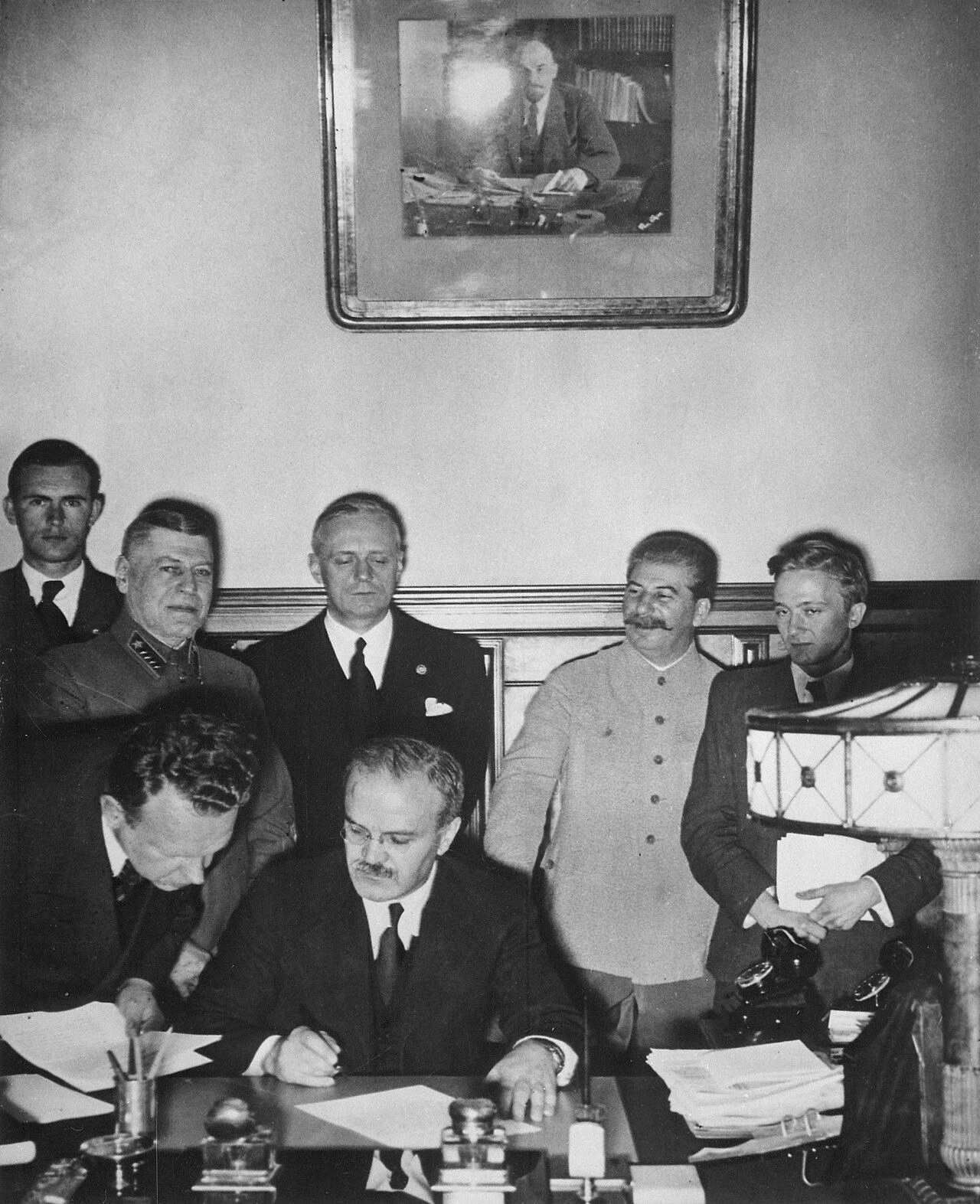
Schnurre in Moscow — the Commercial Agreement
Carol II in Bucharest — the Romanian balance
Buy Each for Themselves or with a Single Voice
Baumgartner and the gold of the Banque de France
The Karten: Rationing Germany at War
Nogara and the Vatican portfolio
The Gold of the Bank of Poland — the destination of the SS Eocene
The Czech Gold
British rationing — Morrison and the principle
Salazar in Lisbon — under triple pressure