
The fortified position of Liège
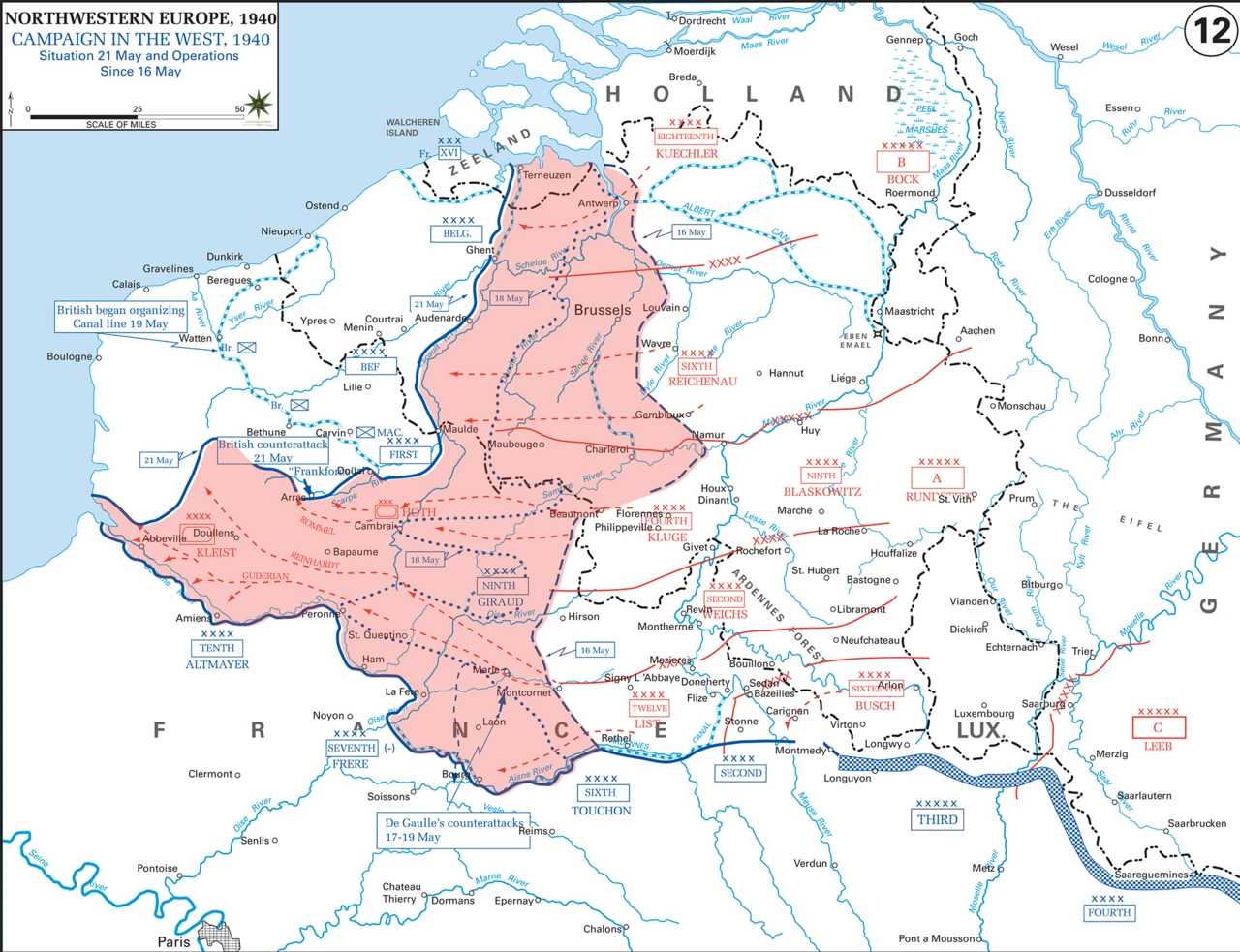
Liège was protected by a belt of modernised forts, the relics and heirs of the fortified position that had delayed the Germans in 1914. In May 1940, after the fall of Ében-Émael and the breach of the Albert Canal, the question arose of how to use this position and the field troops supporting it.
The dilemma was the classic one of fortified places. Keeping the field army around Liège to defend the position risked seeing it encircled, as in 1914. Withdrawing it towards the KW Line preserved the mobile troops, but left the forts isolated, thrown back on their own resources.
The Belgian command could withdraw the field troops towards the KW Line, leaving the forts to hold out alone as long as possible. It could defend the position of Liège with the field army, at the risk of encirclement. Or it could evacuate the entire region, forts included, to concentrate its effort to the west. The stakes were not to repeat the trap of 1914 while still making use of the fortifications.
Should the Belgian command withdraw the troops and leave the forts alone, defend Liège, or evacuate everything?
The Belgian command chose A: the field troops withdrew towards the KW Line so as not to be encircled, leaving the forts of Liège to resist in isolation. Several works (Aubin-Neufchâteau, Battice, Tancrémont…) would hold for several days, and in some cases several weeks, pinning down German forces but unable to change the course of the campaign. The decision avoided the encirclement trap of 1914, but condemned the fort garrisons to a solitary and ultimately hopeless fight. It illustrates the fate of fixed fortifications in the face of a war of movement: useful for delaying, incapable of stopping.
Learn more about this event
Related polls
10

The abatis of the Chasseurs Ardennais
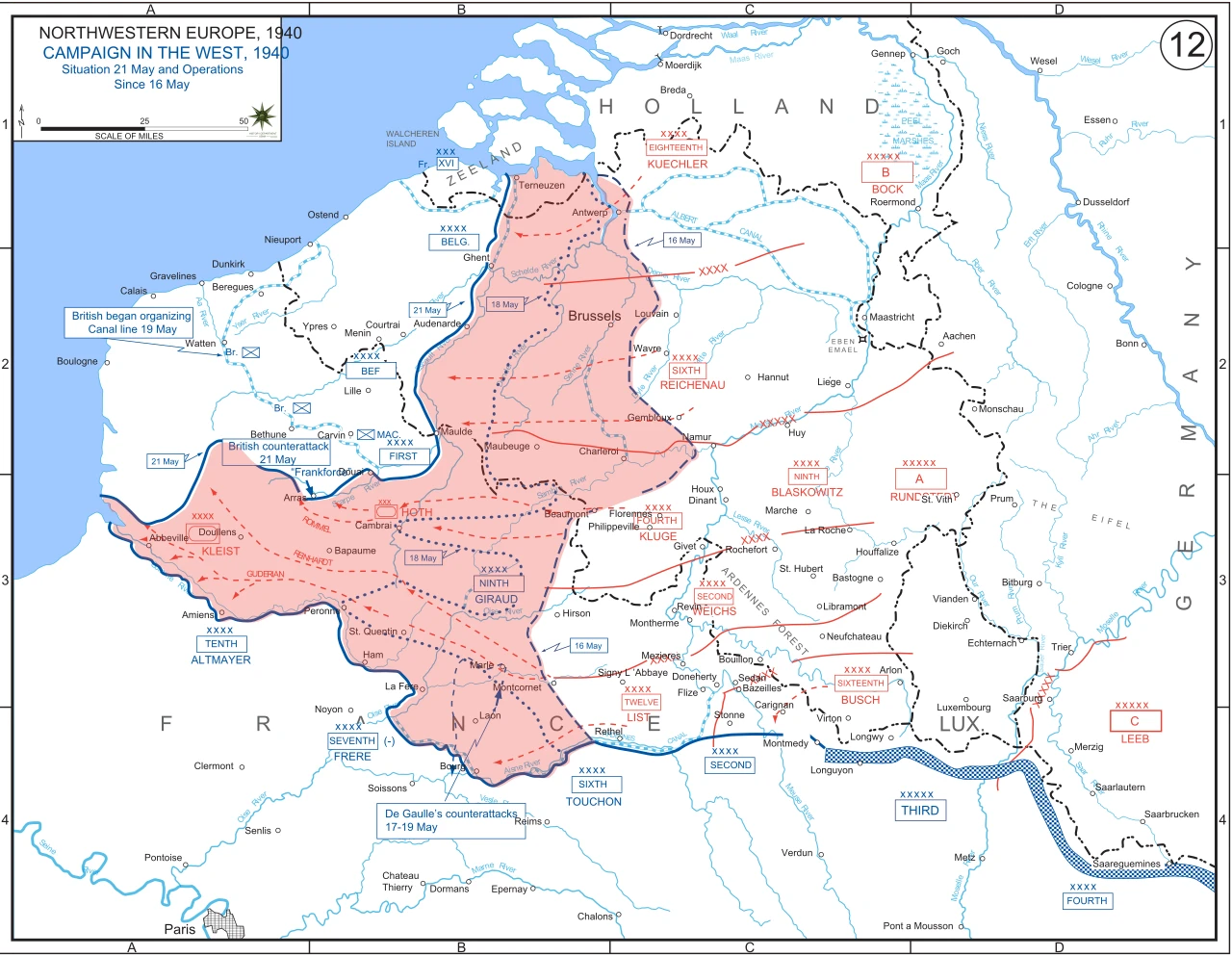
The Battle of the Lys
The bridges of the Meuse
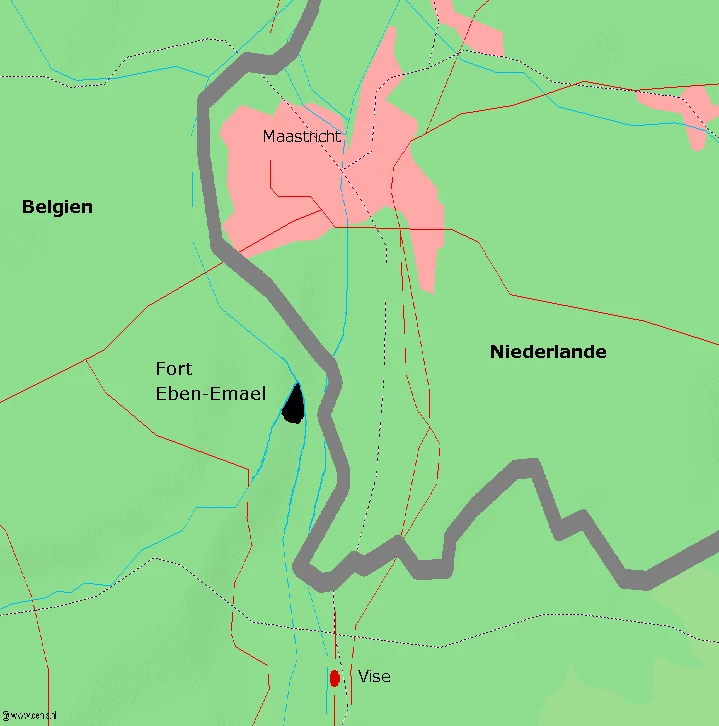
Eben-Emael — Jottrand under the explosions
Kanne bridge — fourth airborne target
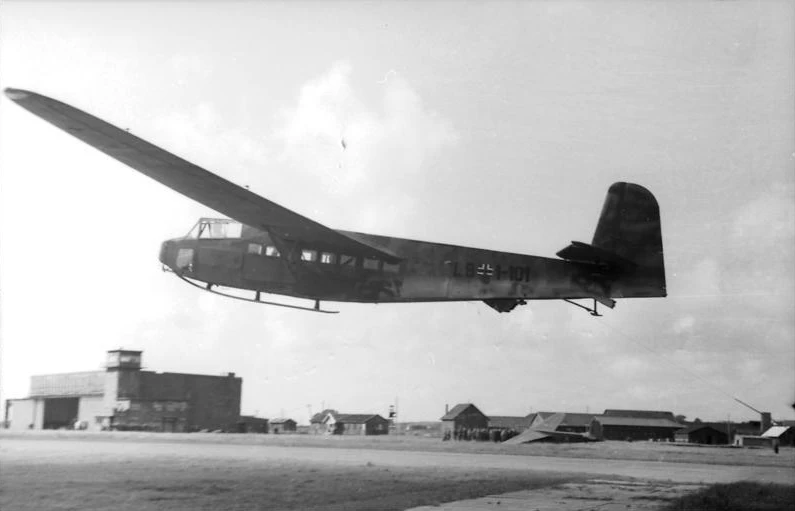
Veldwezelt bridge — Beert and the demolition officer
Vroenhoven bridge — the demolition order
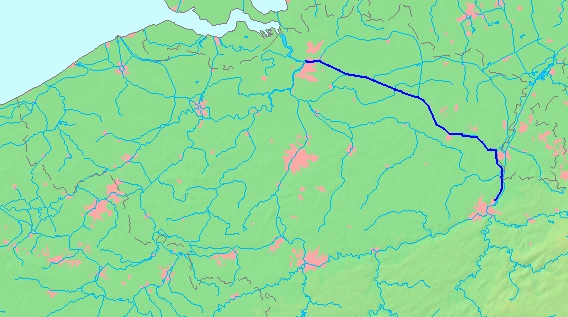
The bridges of the Albert Canal
The Gembloux gap
Boulogne — Fox-Pitt and the Guards facing the port
The abatis of the Chasseurs Ardennais
The Battle of the Lys
The bridges of the Meuse
Eben-Emael — Jottrand under the explosions
Kanne bridge — fourth airborne target
Veldwezelt bridge — Beert and the demolition officer
Vroenhoven bridge — the demolition order
The bridges of the Albert Canal
The Gembloux gap