
The civilians on the roads of the Somme on 20 May 1940 number in the thousands, fleeing south under the sun. Women, children and the elderly form slow columns, mingled with carts, bicycles and a few automobiles. Our composite family — a couple from the Abbeville region and their two children — left home the day before, when the cannon drew nearer and the neighbours departed.
For ten days, the German breakthrough through the Ardennes has thrown everything into chaos. The Wehrmacht's armour is racing toward the sea and that day reaches the coast near Abbeville, cutting off the Allied armies of the North. Above the roads, the Luftwaffe applies an interdiction doctrine: hamper movements, saturate the axes, mingle troops and refugees in a single confusion. The Bf 109 fighters dive, strafe, then climb away.
On the roadway, an engine roar swells behind the column. The first people are already throwing themselves toward the verges. The family must decide in a few seconds what to do with its cart and its children.
On the strafed road, should you keep moving or throw yourselves into the ditches?
Families mostly applied B, and increasingly C as the days passed. Experience quickly taught that the open road was the most dangerous place: you lay in the ditch as soon as an engine approached, hid by day, and travelled by night. The strafing of refugee columns in the spring of 1940 is attested by numerous witnesses and recognised as a deliberate act of war aimed at blocking the axes. Estimates of civilian dead from the May-June 1940 exodus vary widely depending on sources, from several tens of thousands upward, with no reliable count of victims of aerial attacks alone. These attacks were never the subject of prosecutions. The exodus remains, in French memory, the founding image of the debacle: roads choked solid, villages crossed and an entire country thrown out of its home.
Learn more about this event
Related polls
10
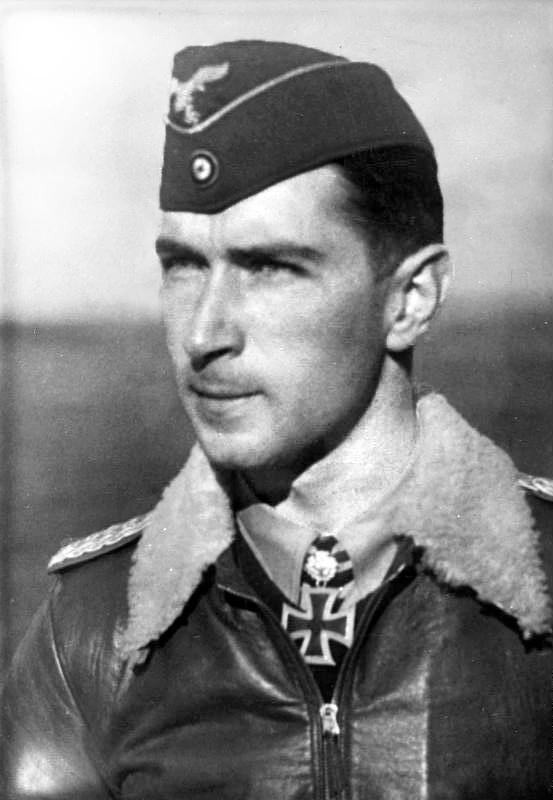
Mölders above the columns — 18 May
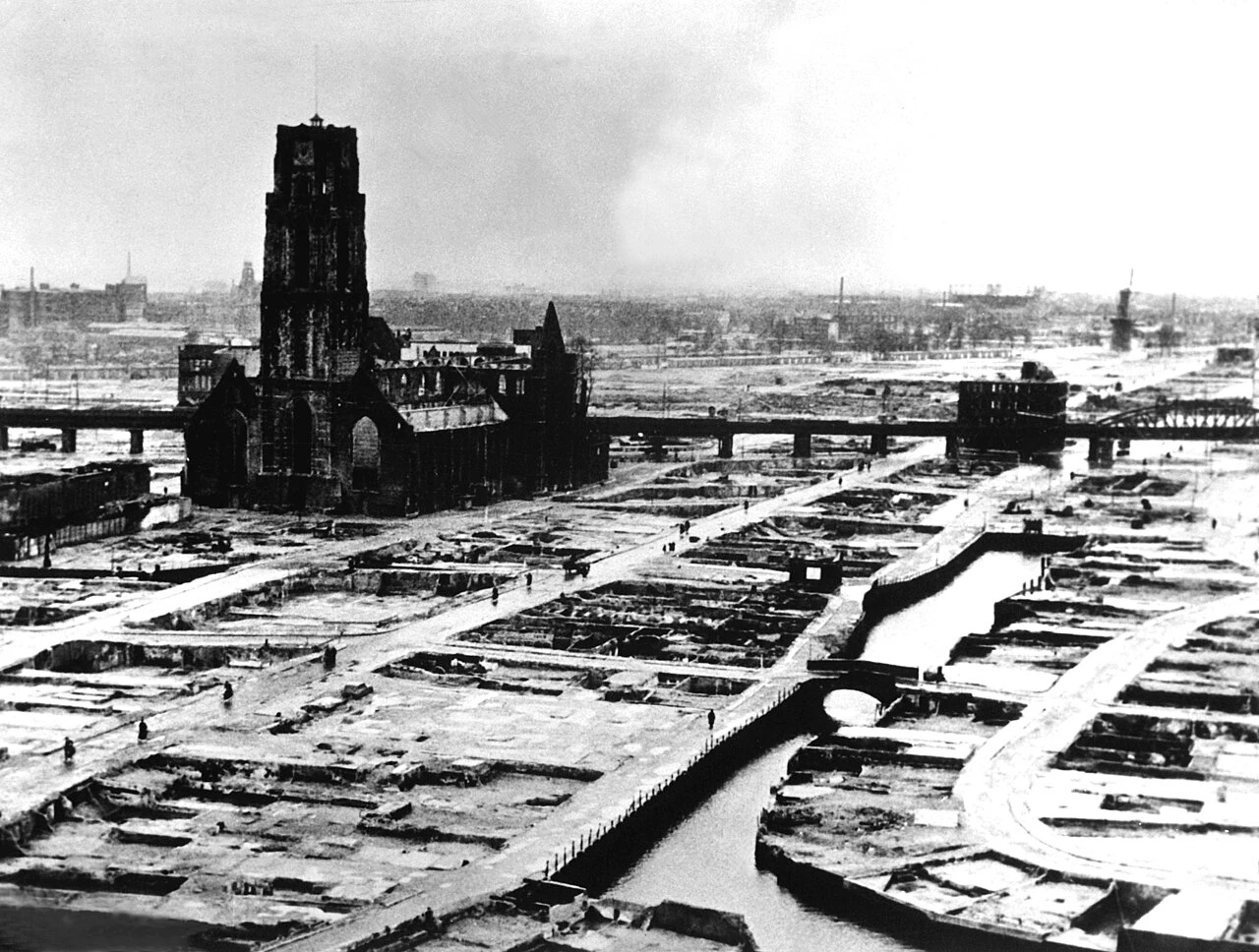
Rotterdam under the threat from the air
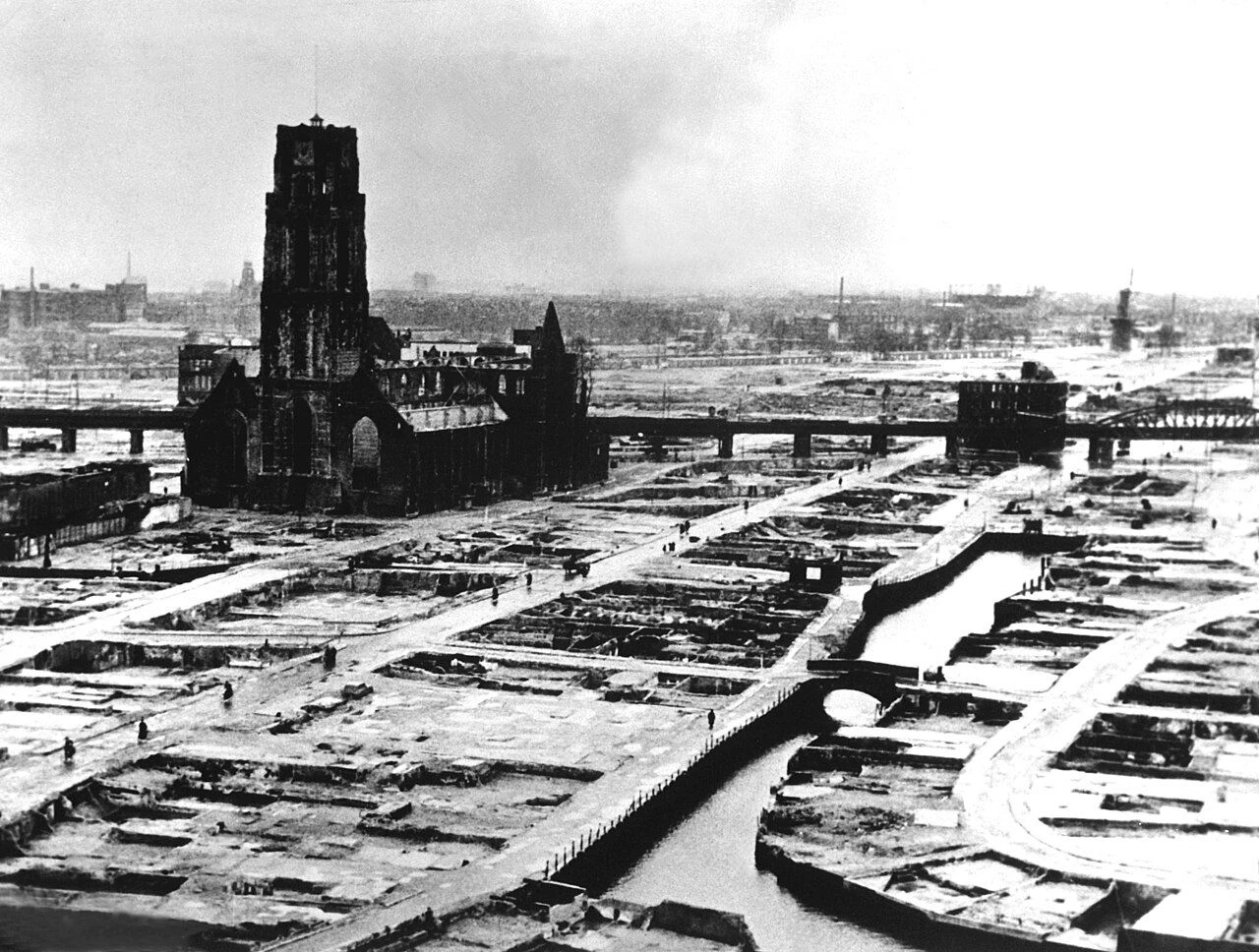
Rotterdam — 100 He 111s over the city
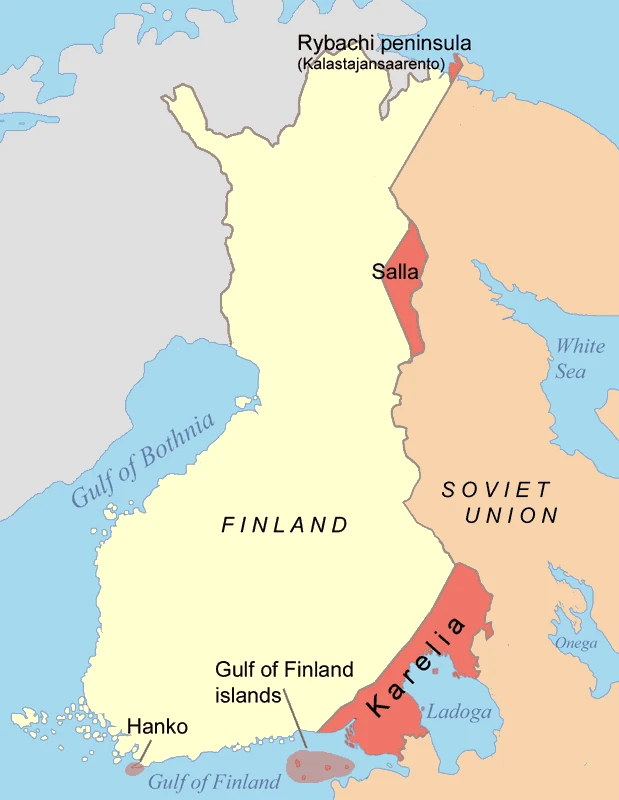
Helsinki under the bombs — 30 November
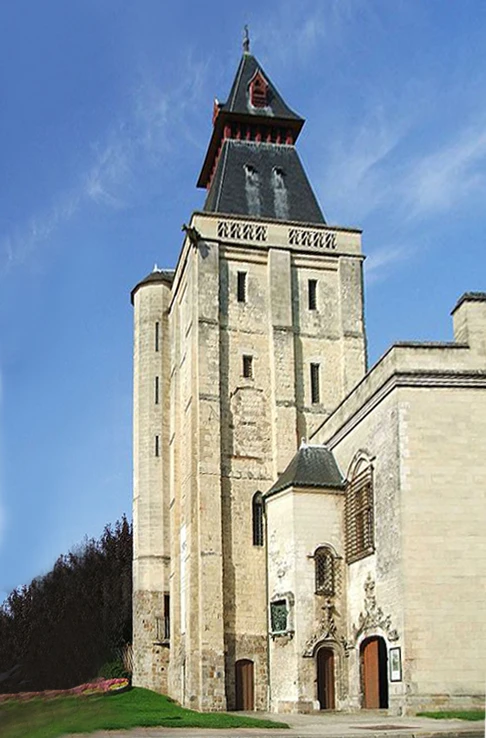
Abbeville — the fate of the internees
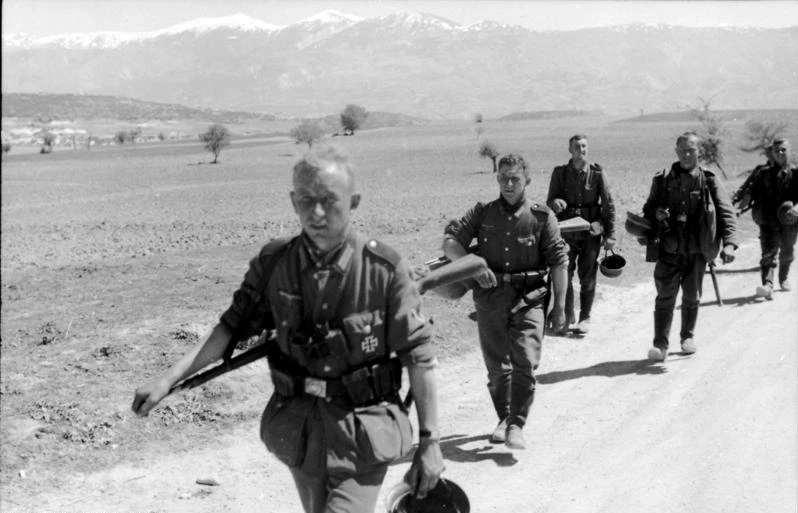
Belgrade under the bombs
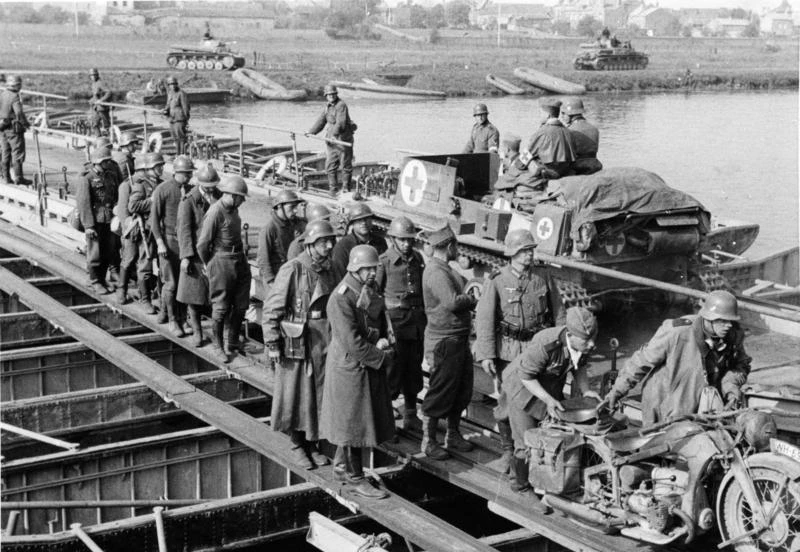
The deluge of Stukas over Sedan

Jean Moulin — Chartres, 17 June

The head of Gnome et Rhône facing the vise of June 1940

Le Paradis — the barn at Cornet-Malo
Mölders above the columns — 18 May
Rotterdam under the threat from the air
Rotterdam — 100 He 111s over the city
Helsinki under the bombs — 30 November
Abbeville — the fate of the internees
Belgrade under the bombs
The deluge of Stukas over Sedan
Jean Moulin — Chartres, 17 June
The head of Gnome et Rhône facing the vise of June 1940