
The deportation of the Volga Germans
Since the 18th century, a sizeable community of Volga Germans, descendants of colonists invited by , has lived in an autonomous republic on the banks of the river, at the heart of the USSR. Soviet citizens for generations, they have no link with the Reich. But the German invasion triggers, in the Stalinist logic of collective suspicion, a fear of the 'fifth column'.
As the Wehrmacht advances, Stalin and the head of the NKVD, , regard these populations of German origin as a risk on principle — without the slightest proof of disloyalty. The Soviet repressive apparatus, long practised in the handling of 'suspect elements', is in a position to act on a vast scale.
The Soviet authorities must decide their fate: leave them in place under mere surveillance; remove only the individuals judged suspect; or strike the entire community on an ethnic principle. The decision, taken on the scale of a police state, may strike hundreds of thousands of people for their ancestry alone.
What does Stalin decide regarding the fate of the Volga Germans?
Stalin orders the en masse deportation of the entire community, on an ethnic principle: the Soviet repressive machine, well practised in the forced displacement of peoples, sets itself in motion. The decree of 28 August 1941 orders the dissolution of the autonomous republic and the deportation of all the Volga Germans — around 400,000 people, out of nearly a million ethnic Germans in the USSR in total — to Siberia and Kazakhstan, in brutal conditions and with high mortality. Many of the men will then be drafted into the 'labour army' (Trudarmiya), a form of forced labour. This preventive deportation, based on ethnic belonging alone, inaugurates a series of displacements of entire peoples ordered by Stalin during the war (Chechens, Crimean Tatars, Kalmyks…). Rehabilitated belatedly, the Volga Germans will never recover their republic. The episode is a reminder that the war in the East was also the theatre of Soviet mass crimes against the USSR's own populations.
Learn more about this event
Related polls
10
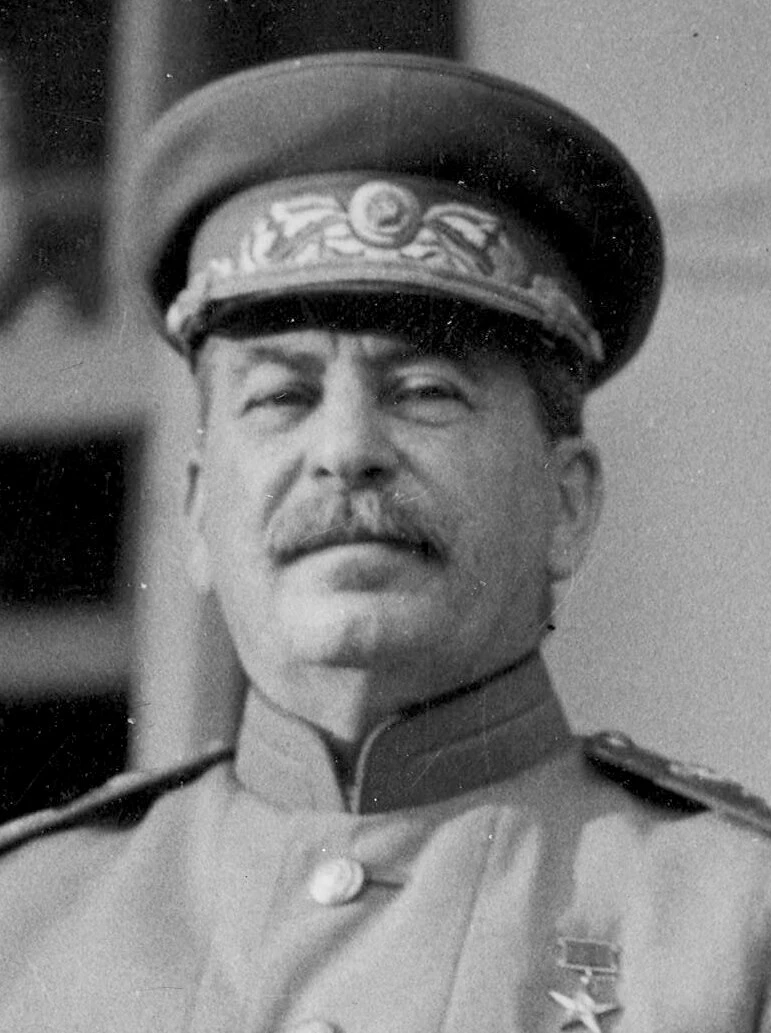
Stalin's Order No. 270
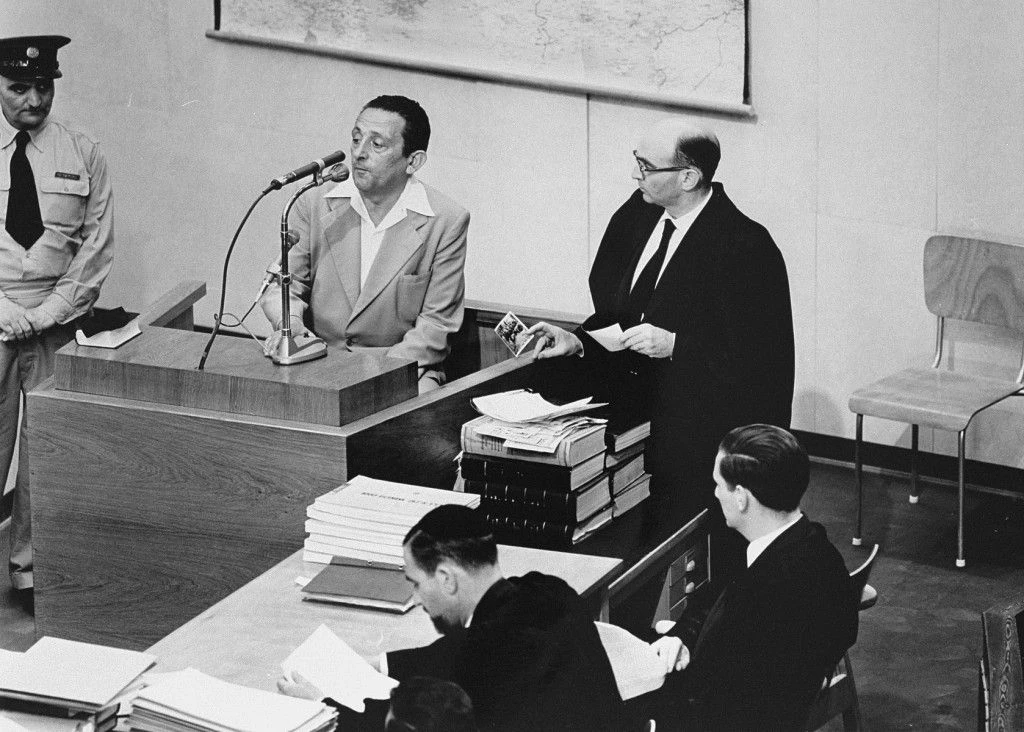
Biebow at Litzmannstadt — 8 February
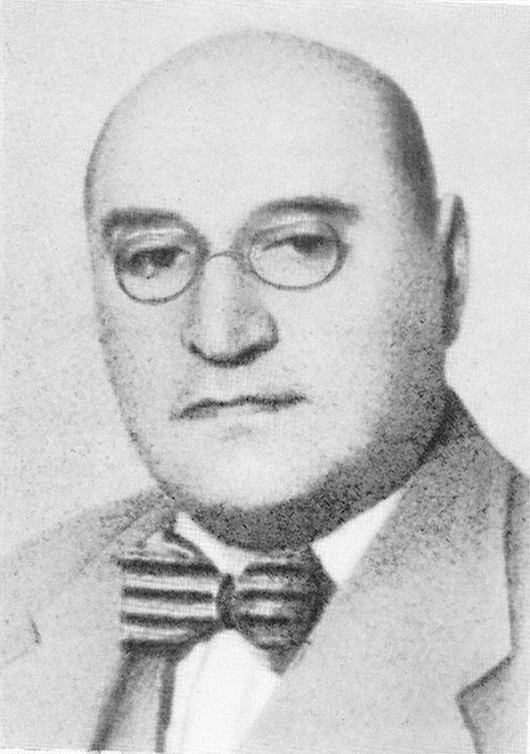
Czerniaków — the offer of the Judenrat
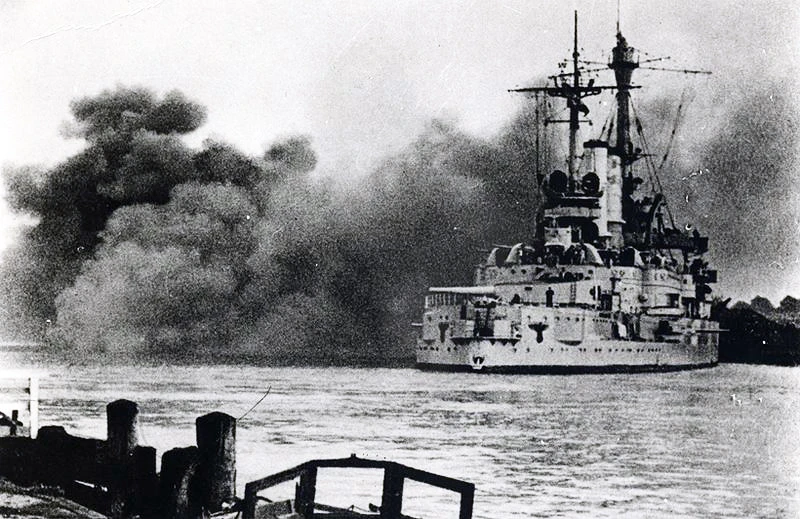
Danzig, September 1939 — the policeman of the Free City
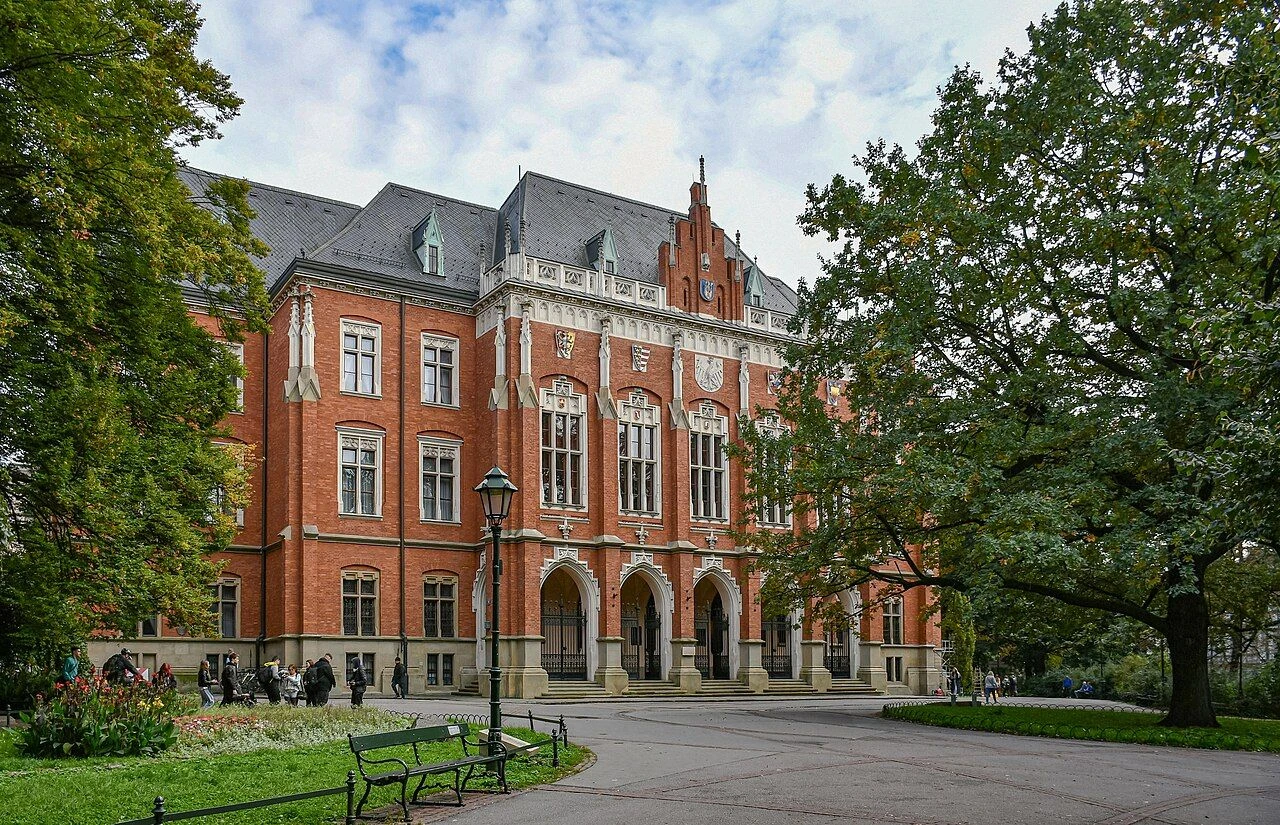
Hans Frank — the taking of the Wawel
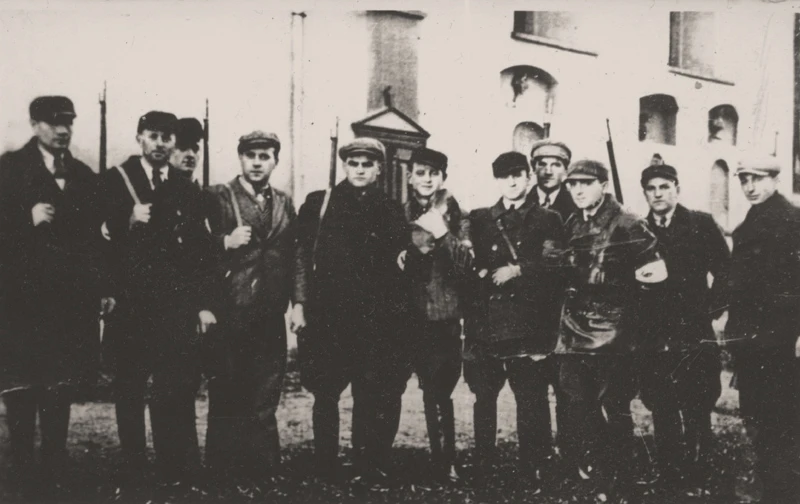
The Volksdeutsche Conscripted into the Selbstschutz
Auchinleck replaces Wavell
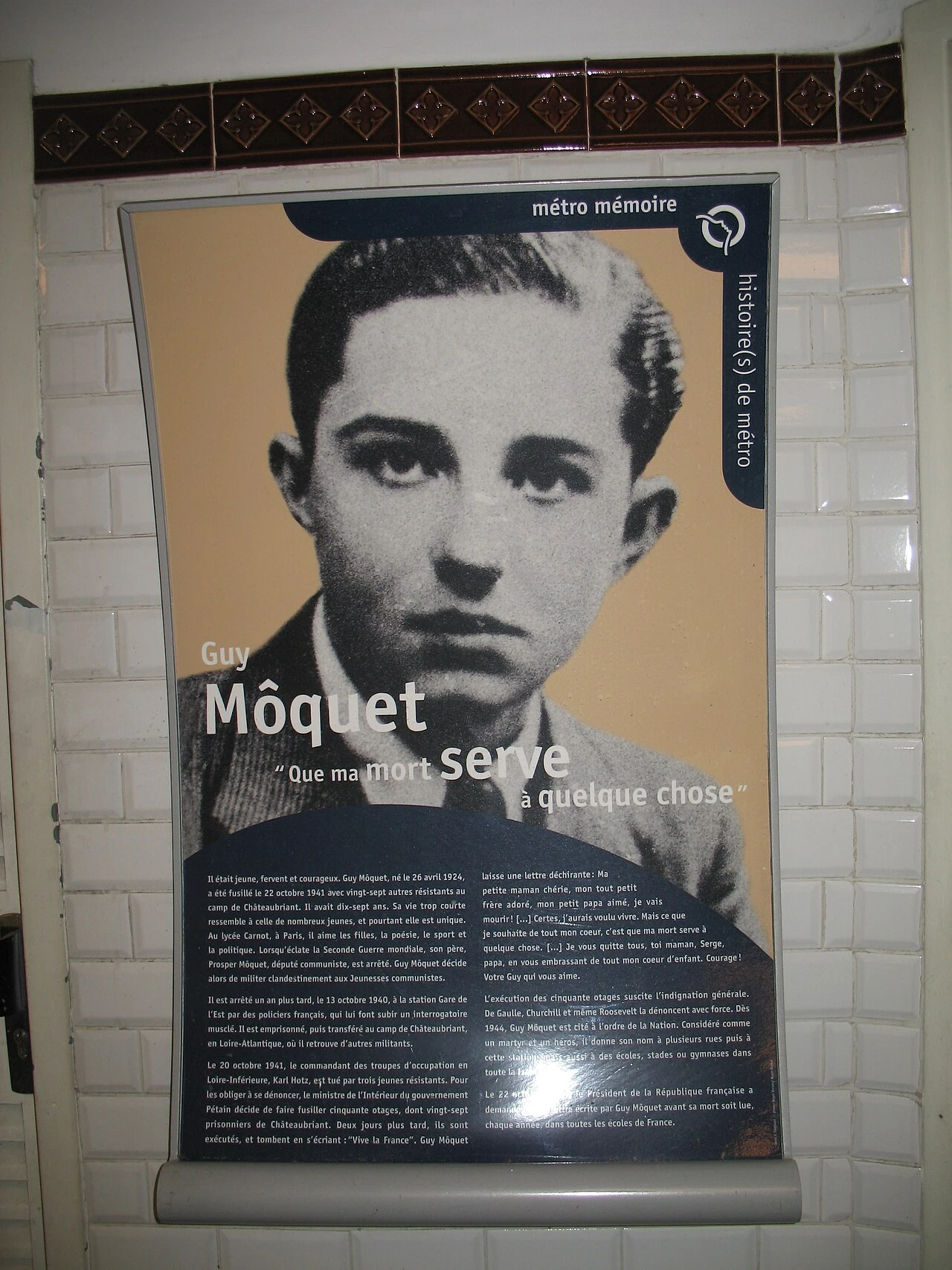
Châteaubriant: The List of Hostages
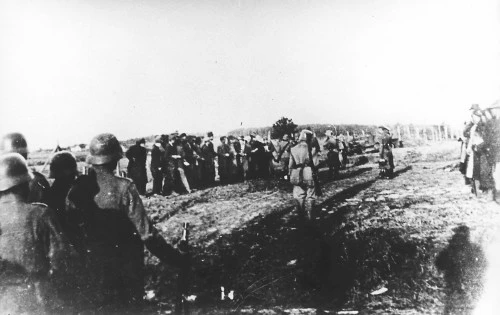
Denouncing the partisans under the terror of reprisals in Serbia
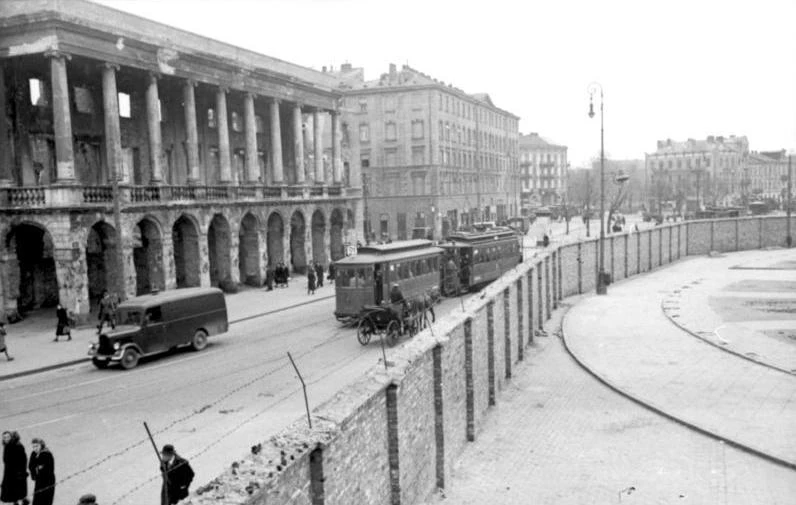
Studying in the Warsaw Ghetto
Stalin's Order No. 270
Biebow at Litzmannstadt — 8 February
Czerniaków — the offer of the Judenrat
Danzig, September 1939 — the policeman of the Free City
Hans Frank — the taking of the Wawel
The Volksdeutsche Conscripted into the Selbstschutz
Auchinleck replaces Wavell
Châteaubriant: The List of Hostages
Denouncing the partisans under the terror of reprisals in Serbia