
The Cabinet and Operation Catapult — 1 July
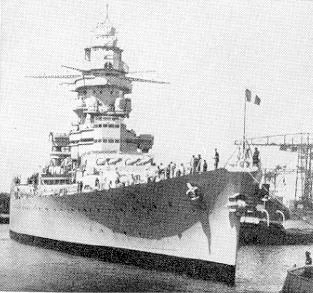
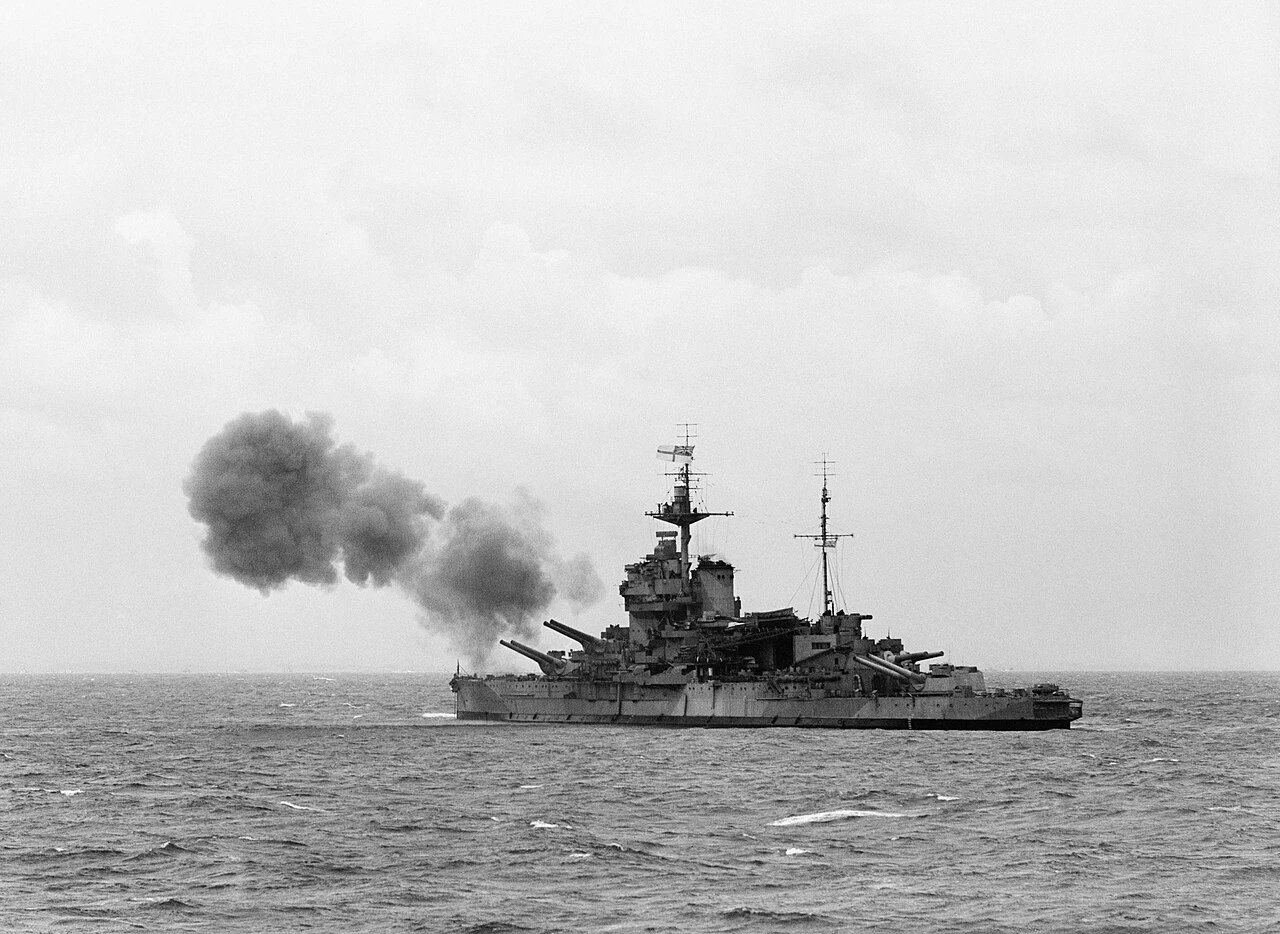
On 1 July 1940, the British War Cabinet, chaired by , must rule on Operation Catapult: the simultaneous neutralisation of the French fleet in every port the Royal Navy can reach — Plymouth and Portsmouth (negotiated seizure), Alexandria (Cunningham-Godfroy negotiation), and above all Mers-el-Kébir, near Oran, where the main French squadron lies at anchor.
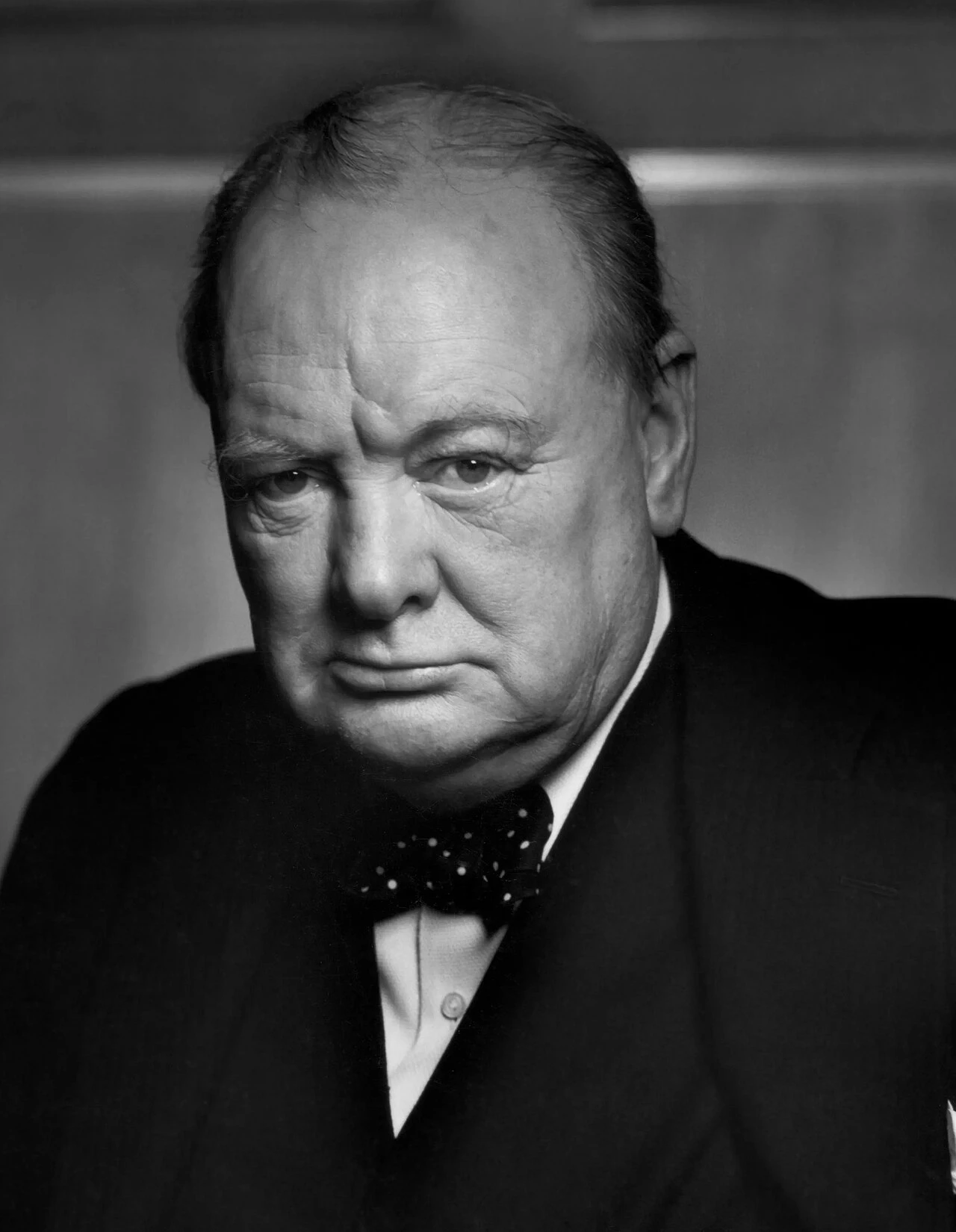
Churchill weighs several certainties. If the French fleet fell into Axis hands, the naval balance in the Mediterranean would tip. Roosevelt has written to him expressing doubt that the French will keep their promise not to hand over their ships. The operation would neutralise hundreds of thousands of tons of major vessels. But it would be carried out against an ally of the day before, whose sailors fought alongside the British — a politically and morally explosive act.
The choice is wrenching: give the integral green light, limit the action to ports already under British control, or give Darlan time to honour his promise of 17 June.
Should Churchill give the green light to Operation Catapult?
Churchill chooses A. Operation Catapult is launched on 3 July, decided unanimously by the Cabinet on 1 July. Churchill will later call it 'a hateful decision, the most unnatural and painful in which I have ever been concerned.' Before the Commons on 4 July he assumes the attack, and the Conservative benches — until then reserved toward him — cheer him: it is the moment when the House fully rallies to him. Mers-el-Kébir will cost the lives of 1,297 French sailors and lastingly poison Franco-British relations, but it demonstrates to the world, and above all to Washington, British determination to pursue the war at all costs.
Learn more about this event
Related polls
10
The Admiralty and the Strasbourg Rumour
Narvik — too senior an admiral
Mining the Rhine — Operation Royal Marine
The blockade of Germany
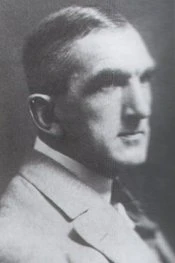
Fegen and the Jervis Bay — convoy HX-84
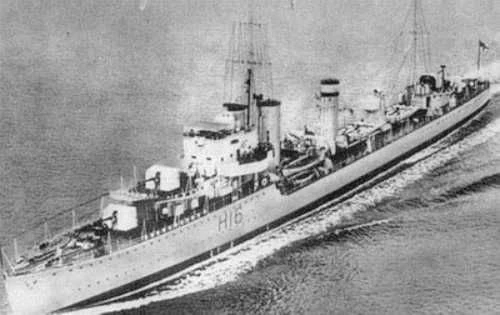
HMS Daring in the Pentland Firth
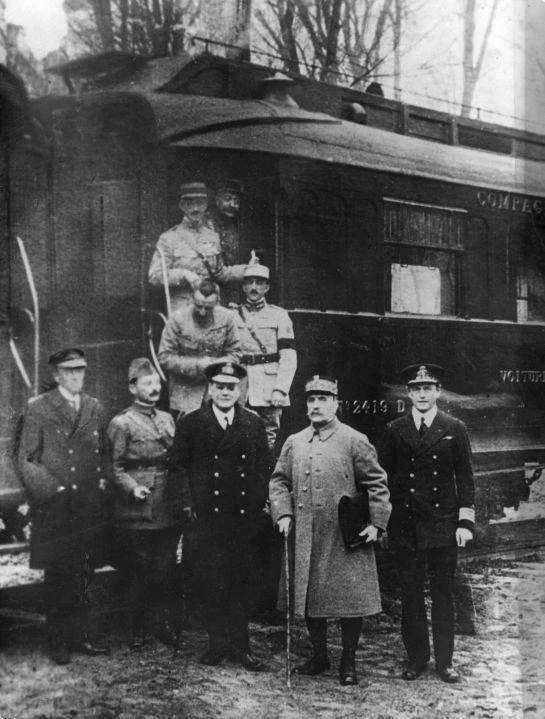
Rethondes — Article 8 on the Fleet
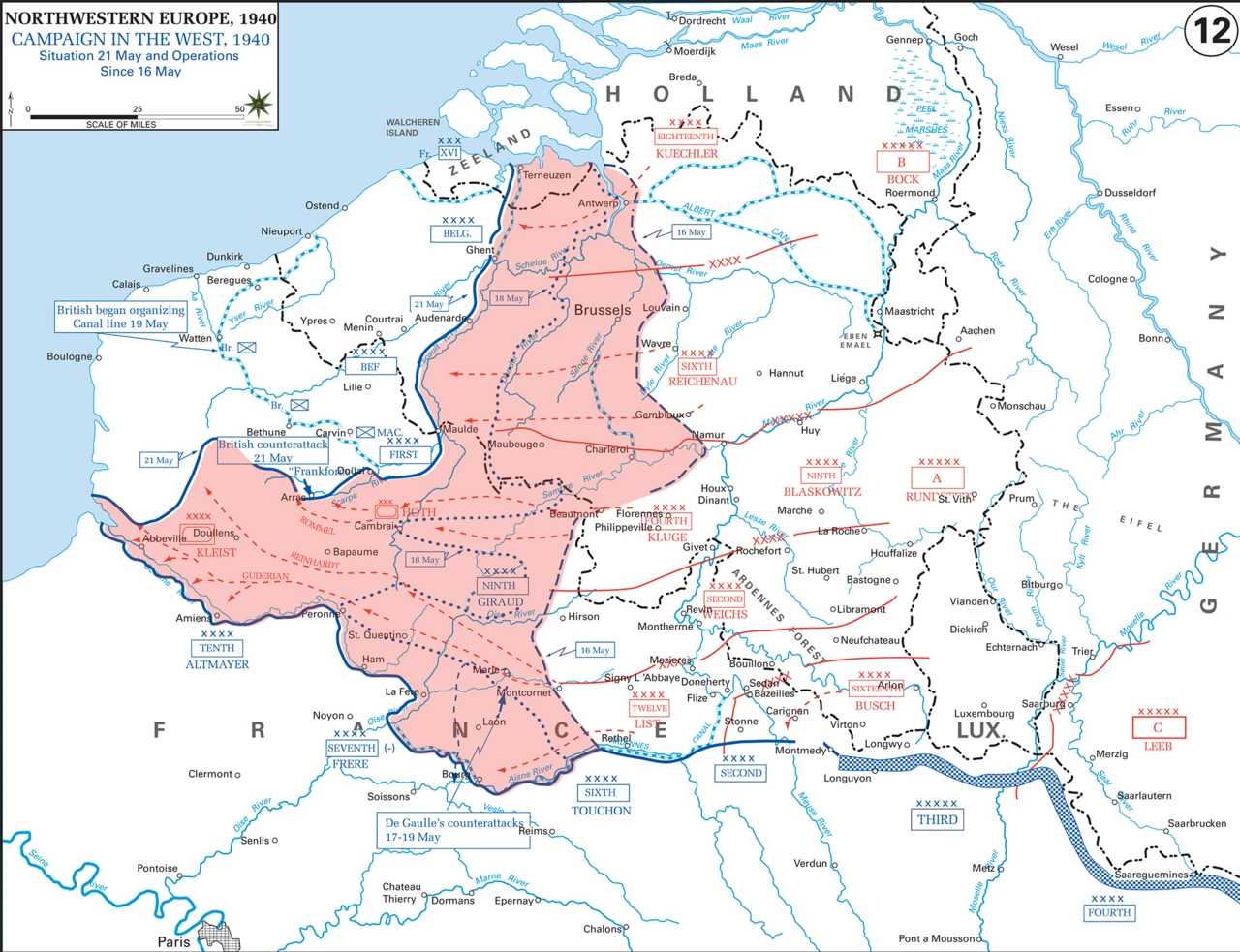
Boulogne — Fox-Pitt and the Guards facing the port
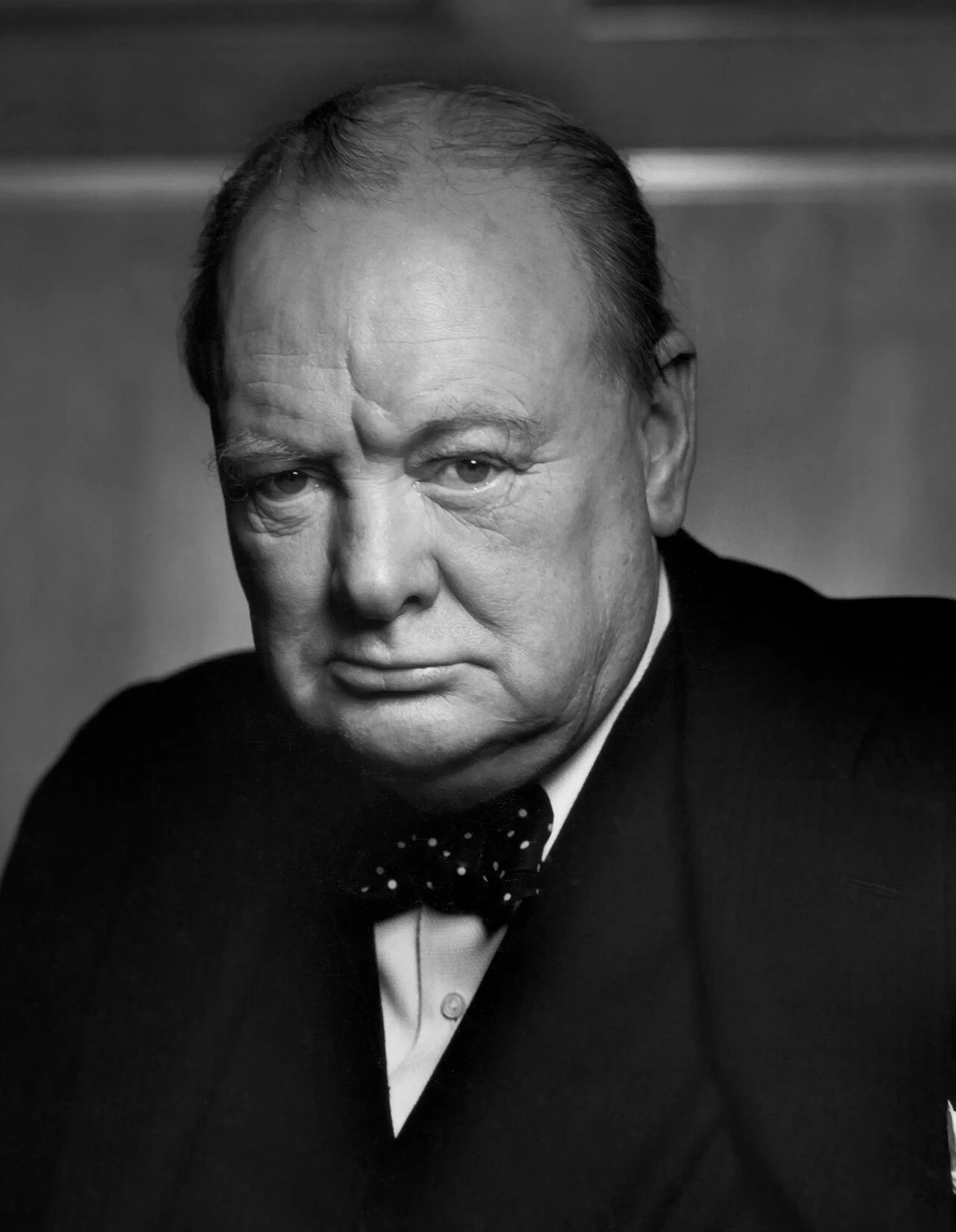
Churchill and the ultimatum on the Burma Road
HMS Courageous — Makeig-Jones after the Torpedoes
The Admiralty and the Strasbourg Rumour
Narvik — too senior an admiral
Mining the Rhine — Operation Royal Marine
The blockade of Germany
Fegen and the Jervis Bay — convoy HX-84
HMS Daring in the Pentland Firth
Rethondes — Article 8 on the Fleet
Boulogne — Fox-Pitt and the Guards facing the port
Churchill and the ultimatum on the Burma Road