
Fegen and the Jervis Bay — convoy HX-84
Convoy HX-84, thirty-seven merchant ships loaded with supplies, is making its way from Halifax to Britain in November 1940. For escort, it has only one auxiliary cruiser — a former liner fitted with old guns — HMS Jervis Bay, commanded by Captain .
On November 5, in the middle of the Atlantic, the Admiral Scheer appears, a German "pocket battleship" with 280-mm guns, infinitely superior in range and power. The Jervis Bay is completely outclassed: she can neither match nor outrun the raider. Behind her, the defenseless and slow cargo ships are easy prey if the Scheer reaches them before nightfall.
Fegen must choose within minutes. To try to flee with his ship would mean abandoning the convoy to slaughter. To surrender would spare his crew but hand over the cargoes. The third path — to charge the battleship to draw her fire and give the merchantmen time to scatter in the falling night — offers almost no hope of survival.
Faced with the pocket battleship, what should Fegen do with the Jervis Bay?
Fegen orders C: he has the convoy scattered and drives the Jervis Bay, colors flying, straight at the Admiral Scheer, whose fire he draws. The fight is hopeless — German shells tear the auxiliary cruiser apart — but Fegen prolongs it for nearly two hours, wounded, until his ship goes down, taking him with 189 men. The sacrifice is not in vain: of the thirty-seven cargo ships, thirty-two escape the raider thanks to the time bought and the darkness. receives the Victoria Cross posthumously. The episode becomes one of the emblematic stories of the Battle of the Atlantic, illustrating the vital role — and human cost — of convoy escort against German surface raiders.
Learn more about this event
Related polls
10
HMS Courageous — Makeig-Jones after the Torpedoes
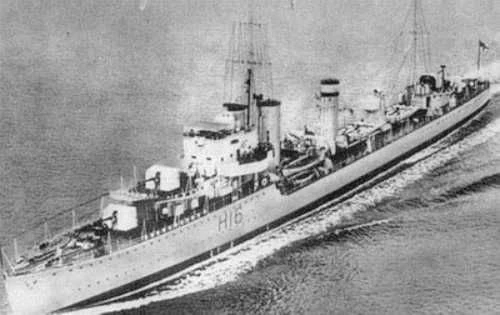
HMS Daring in the Pentland Firth
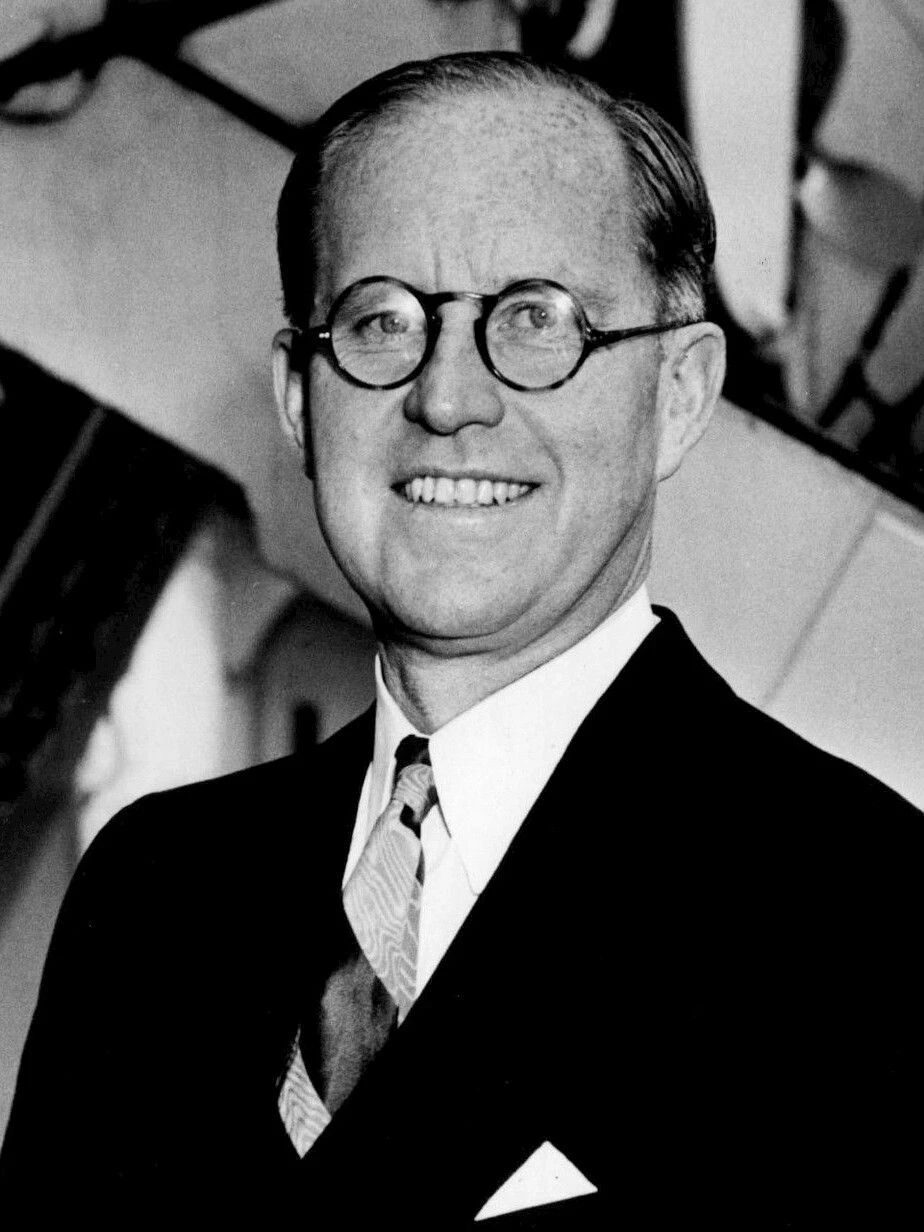
HMS Rawalpindi — Kennedy at 3:47 p.m.
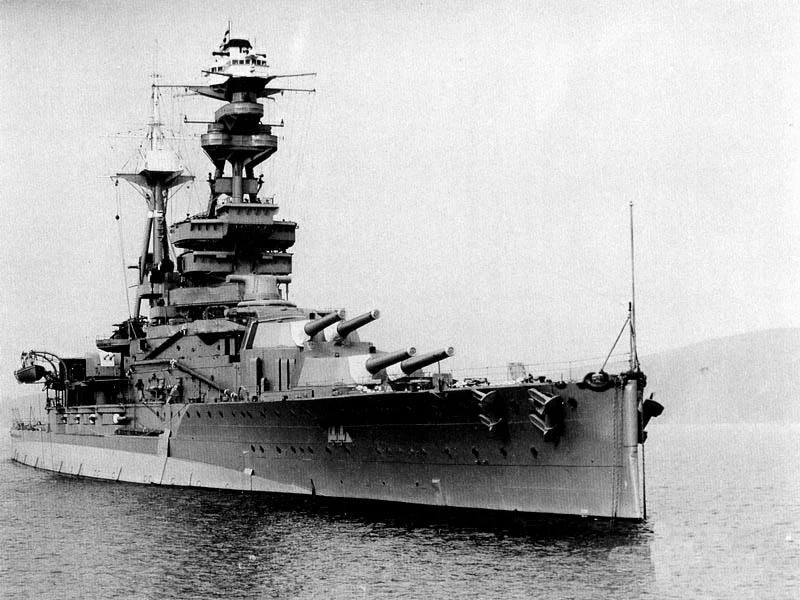
Royal Oak — Prien in Scapa Flow
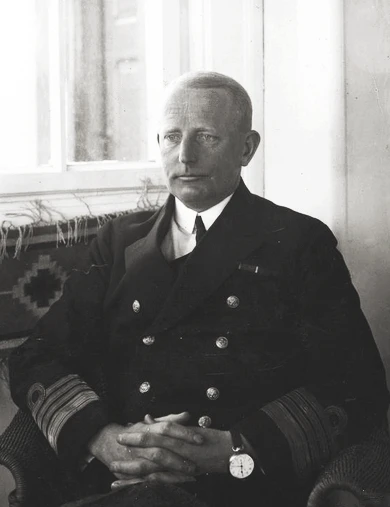
Hel — Unrug faces the German envoy

The Burning Tanker Adrift in the Atlantic
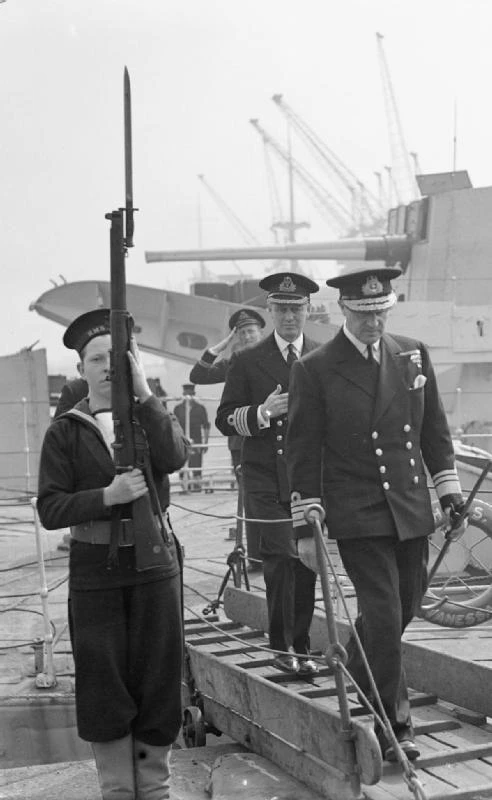
Whitworth and the Warspite — 13 April
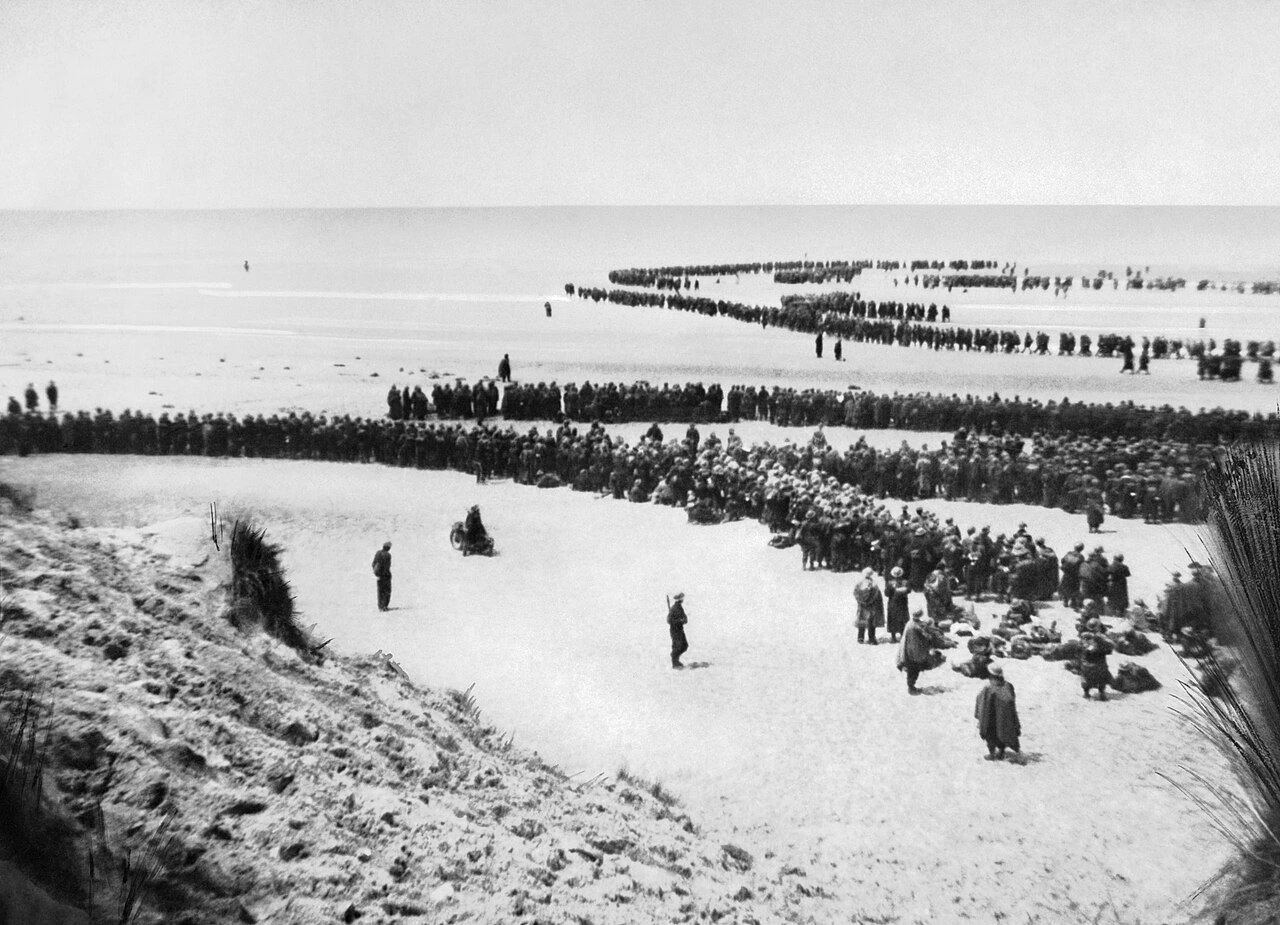
Ramsay at Dover Castle — Dynamo
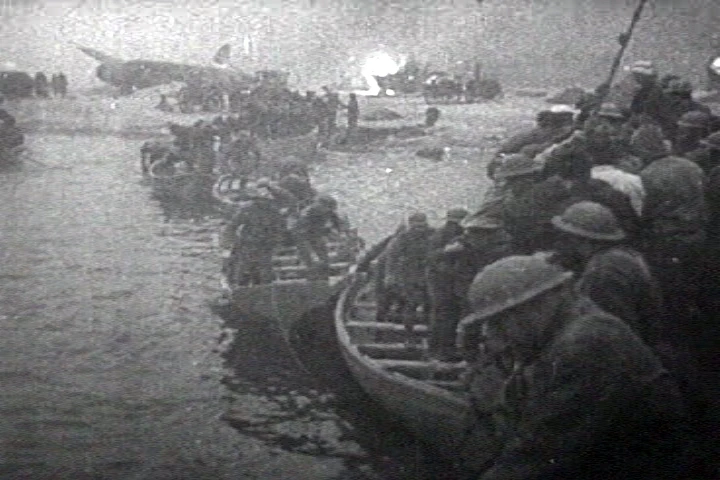
Ramsay — Dover, 14:23
The Cabinet and Operation Catapult — 1 July
HMS Courageous — Makeig-Jones after the Torpedoes
HMS Daring in the Pentland Firth
HMS Rawalpindi — Kennedy at 3:47 p.m.
Royal Oak — Prien in Scapa Flow
Hel — Unrug faces the German envoy
The Burning Tanker Adrift in the Atlantic
Whitworth and the Warspite — 13 April
Ramsay at Dover Castle — Dynamo
Ramsay — Dover, 14:23