
The Royal Visit of George VI
In the spring of 1939, the United Kingdom is desperately seeking support against Germany. But American opinion remains deeply isolationist, and the neutrality laws forbid Washington from committing itself. President Roosevelt, aware of the danger, would like to bring his country closer to the democracies without clashing head-on with Congress.
An idea matures: an official visit by King and Queen Elizabeth to Canada, then to the United States — the first by a reigning British sovereign in North America. The objective is to charm American opinion and to weave a personal bond with Roosevelt.
The enterprise carries risks. To send the royal couple to the other end of the world while war threatens in Europe may seem unseemly, even imprudent; a failure of image, or a lukewarm reception, would harm the prestige of the Crown; and too conspicuous a step could antagonise the American isolationists. The government and the Palace must decide whether to maintain the tour and how far to push the rapprochement with the White House.
Should the royal visit to North America be maintained to court American opinion, despite the European crisis?
London chooses A: the tour takes place from 17 May to 15 June 1939, triumphant in Canada then in the United States. Roosevelt receives the royal couple in Washington then, informally, at his estate at Hyde Park, where a hot-dog picnic enters legend. Beyond the pomp, the stay establishes a personal relationship of trust between the King and the President, and helps to warm American opinion toward the United Kingdom. This capital of sympathy will count when, the following year, London solicits the material aid of the United States. The American press, sceptical at first, finally reserves for the royal couple a warm welcome that leaves its mark on public opinion.
Learn more about this event
Related polls
10
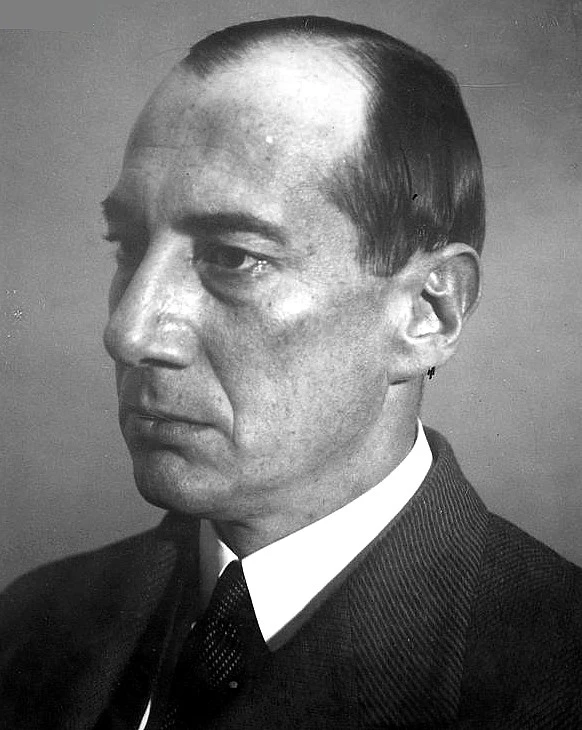
Beck Before the Sejm
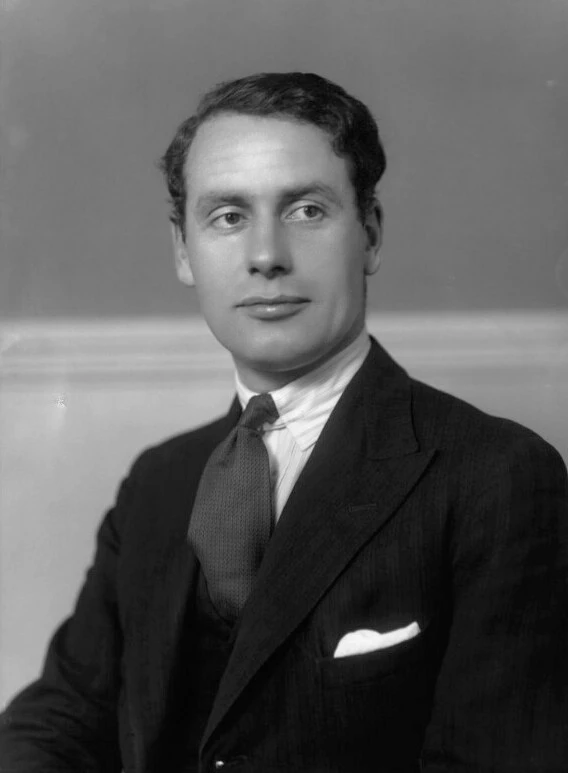
The White Paper on Palestine
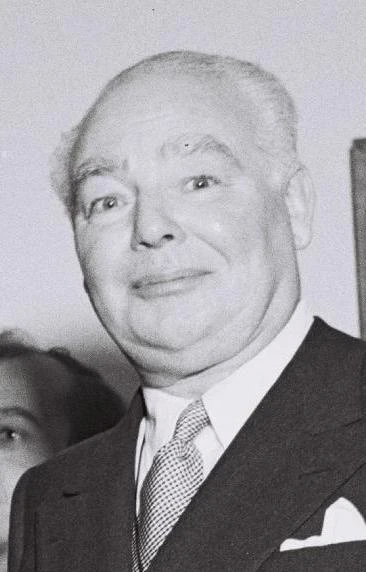
The Military Training Act
Germany first, even before the war

The Camps of the Retirada
Danzig — the Escalation
The Guarantee to Poland
The Tientsin Incident
The Czech Gold
The Moscow Talks
Beck Before the Sejm
The White Paper on Palestine
The Military Training Act
Germany first, even before the war
The Camps of the Retirada
Danzig — the Escalation
The Guarantee to Poland
The Tientsin Incident
The Czech Gold