
Boulanger and the Reich's trucks
Summer 1940. France is defeated, Paris occupied. The major automobile plants pass under the control of the German authorities, who demand trucks to supply the Wehrmacht. At the head of Citroën since the death of , receives the order to run the Quai de Javel assembly lines on behalf of the Reich.
To refuse openly is to risk the outright requisition of the plant, arrest, and the unemployment of thousands of workers. To obey meekly is to arm the occupier. Boulanger, a veteran of 1914-1918, already refuses to meet the German emissaries other than through intermediaries.
Between submission, outright refusal, and a more ambiguous path, the head of Citroën must decide, knowing that his decision involves both the survival of the company and his own conscience.
Ordered to put Citroën's assembly lines at the service of the German war effort, how should Boulanger respond to the occupier's demands?
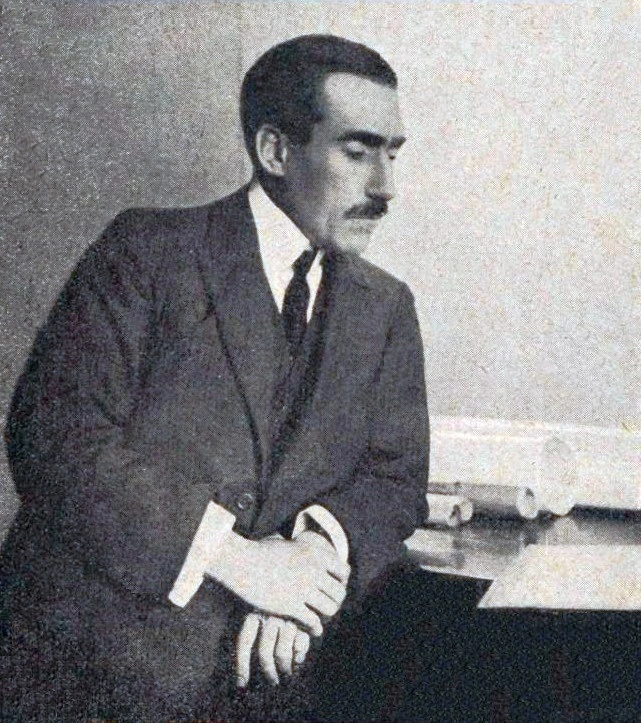
Boulanger chose the third path: a show of cooperation coupled with discreet and systematic sabotage. He organized a "work slowdown" and arranged for a deliberately reduced number of vehicles to be delivered to the Germans. Above all, he is said to have had the oil-level mark moved on the dipsticks of the trucks intended for the Wehrmacht: the mark, set too low, led to underfilling, and thus to engine seizure after a few hundred kilometers, without German mechanics seeing it as a cause of sabotage. Boulanger refused to meet . His name appeared on a German blacklist of "enemies of the Reich" to be arrested, found during the liberation of Paris in 1944.
Learn more about this event
Related polls
10
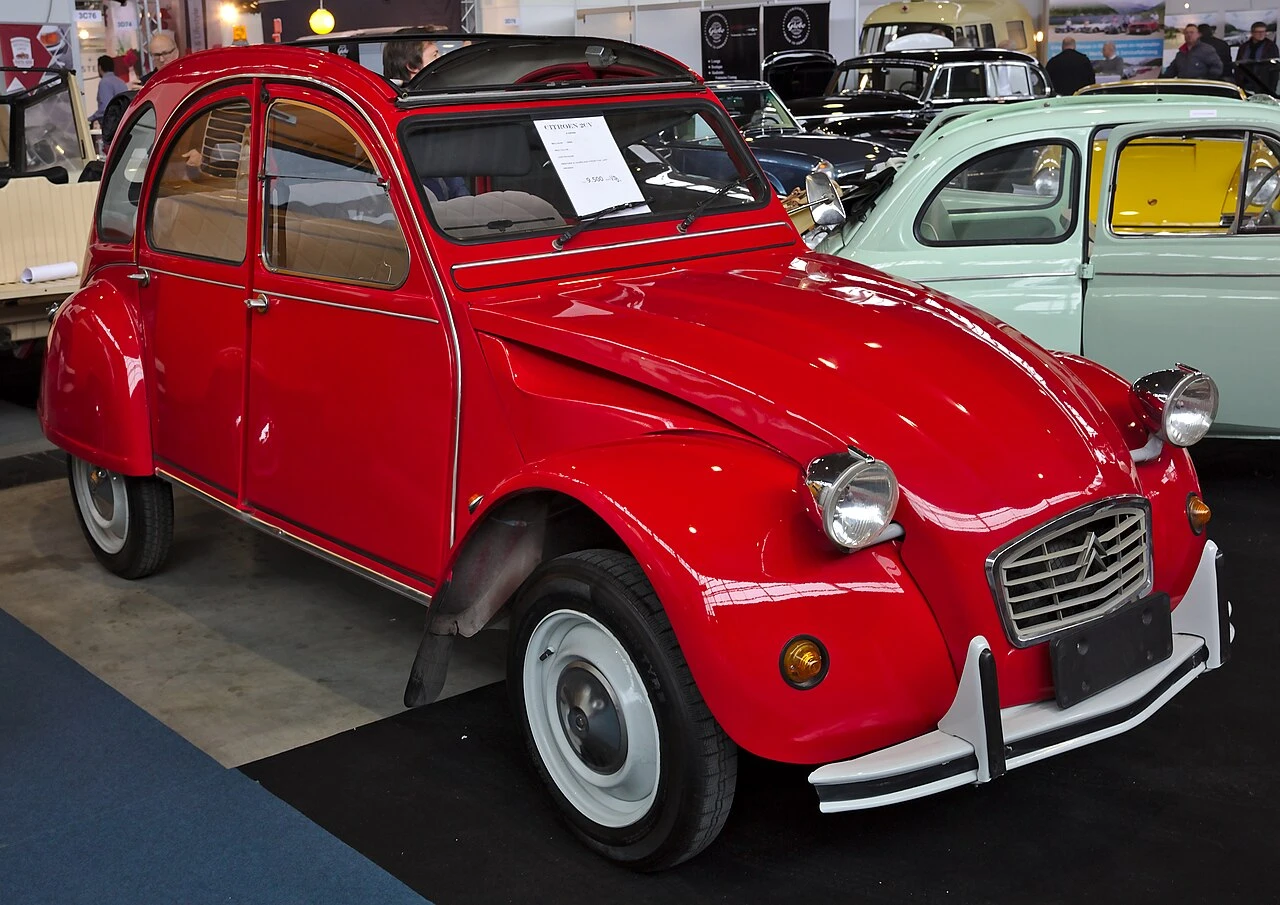
Citroën, the occupier and the secret little car

Citroën under the Occupation: the boss faces German orders
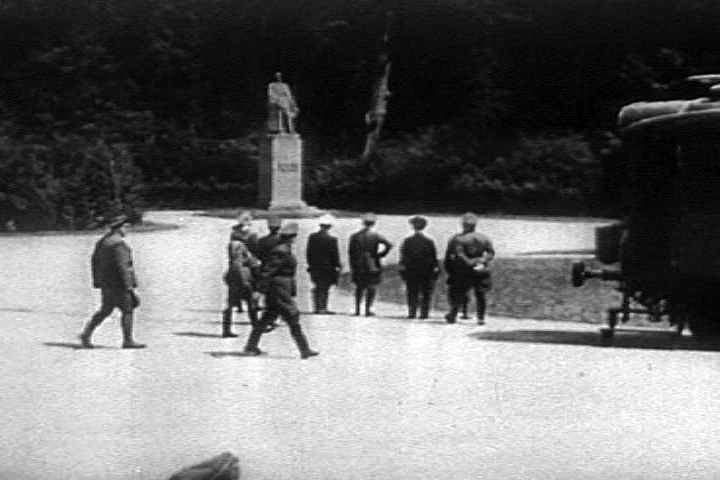
The weapons of the armistice — a secret beneath the table at Wiesbaden
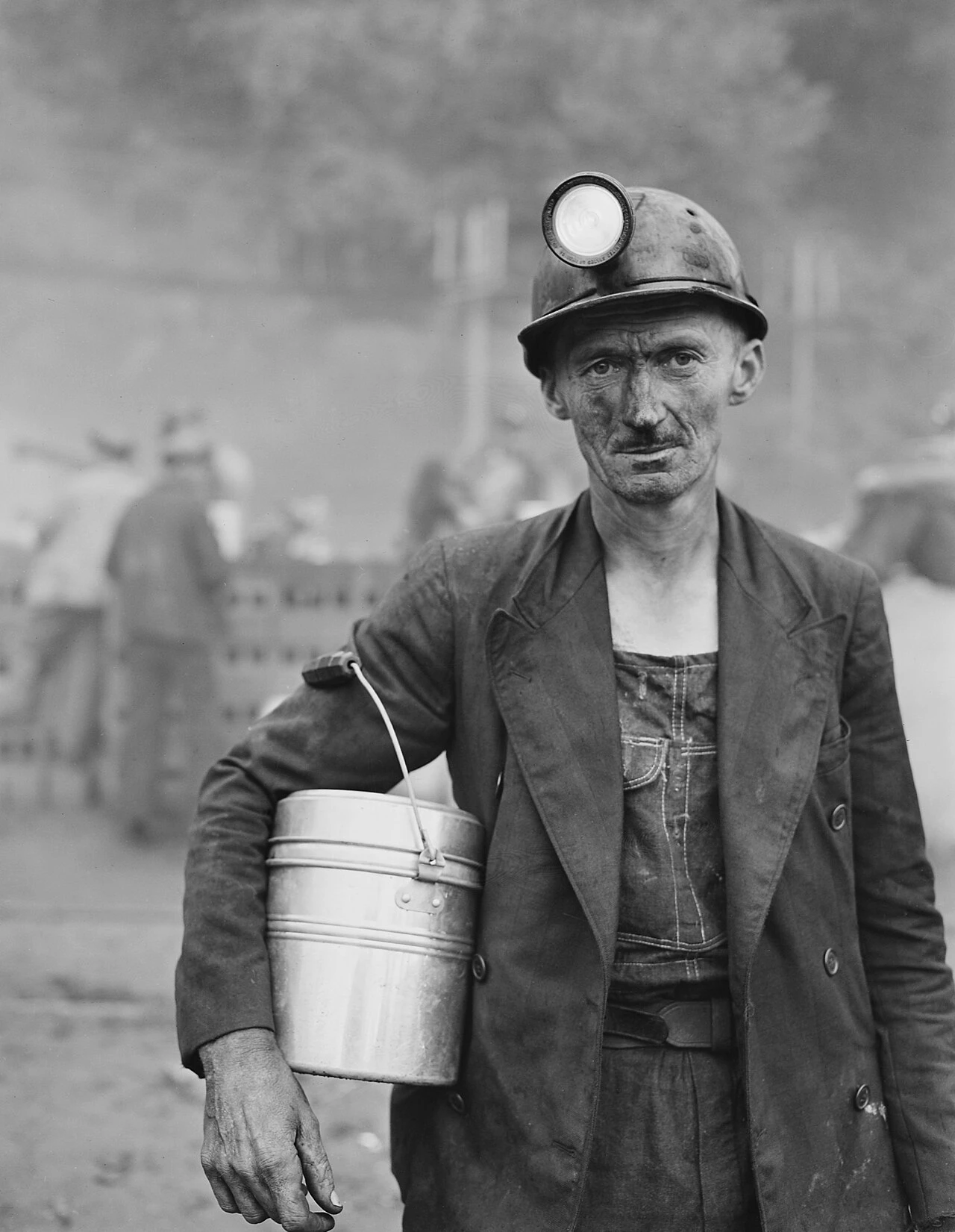
At the Dahomey pit, the morning of team-rate pay
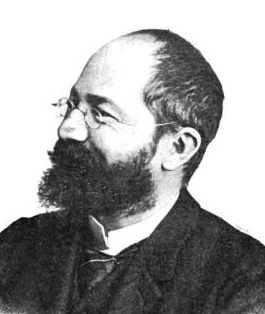
Michelin under the Occupation: keep the presses running or close the doors
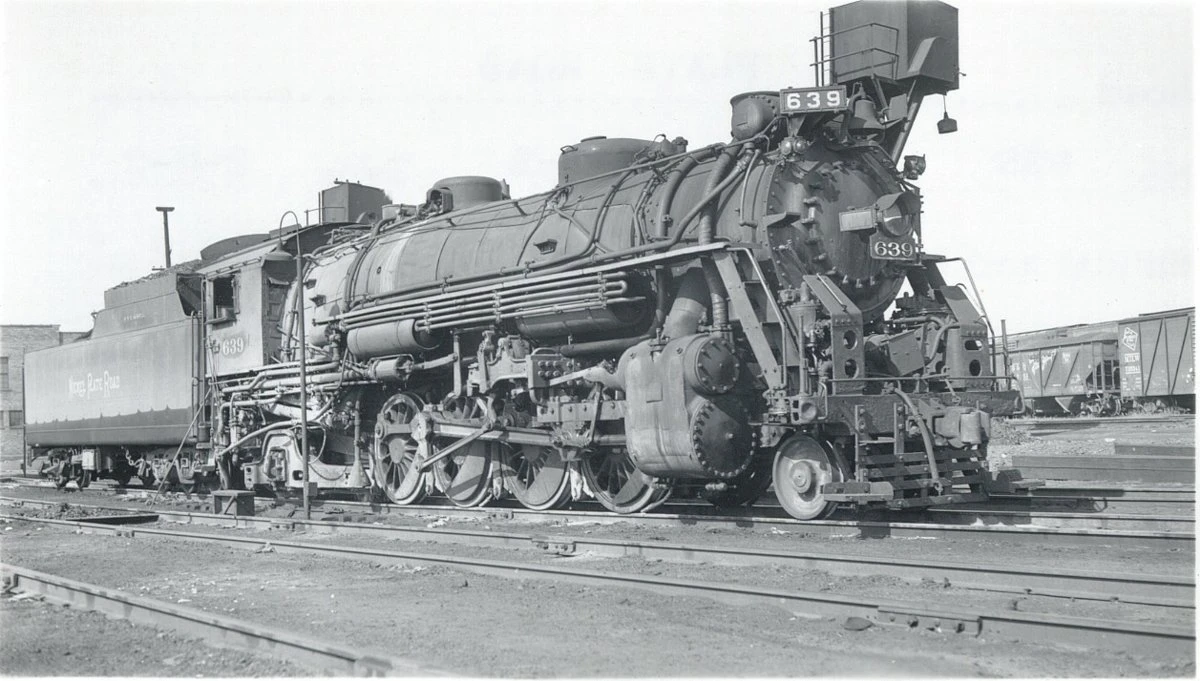
Article 13: the SNCF and the occupier
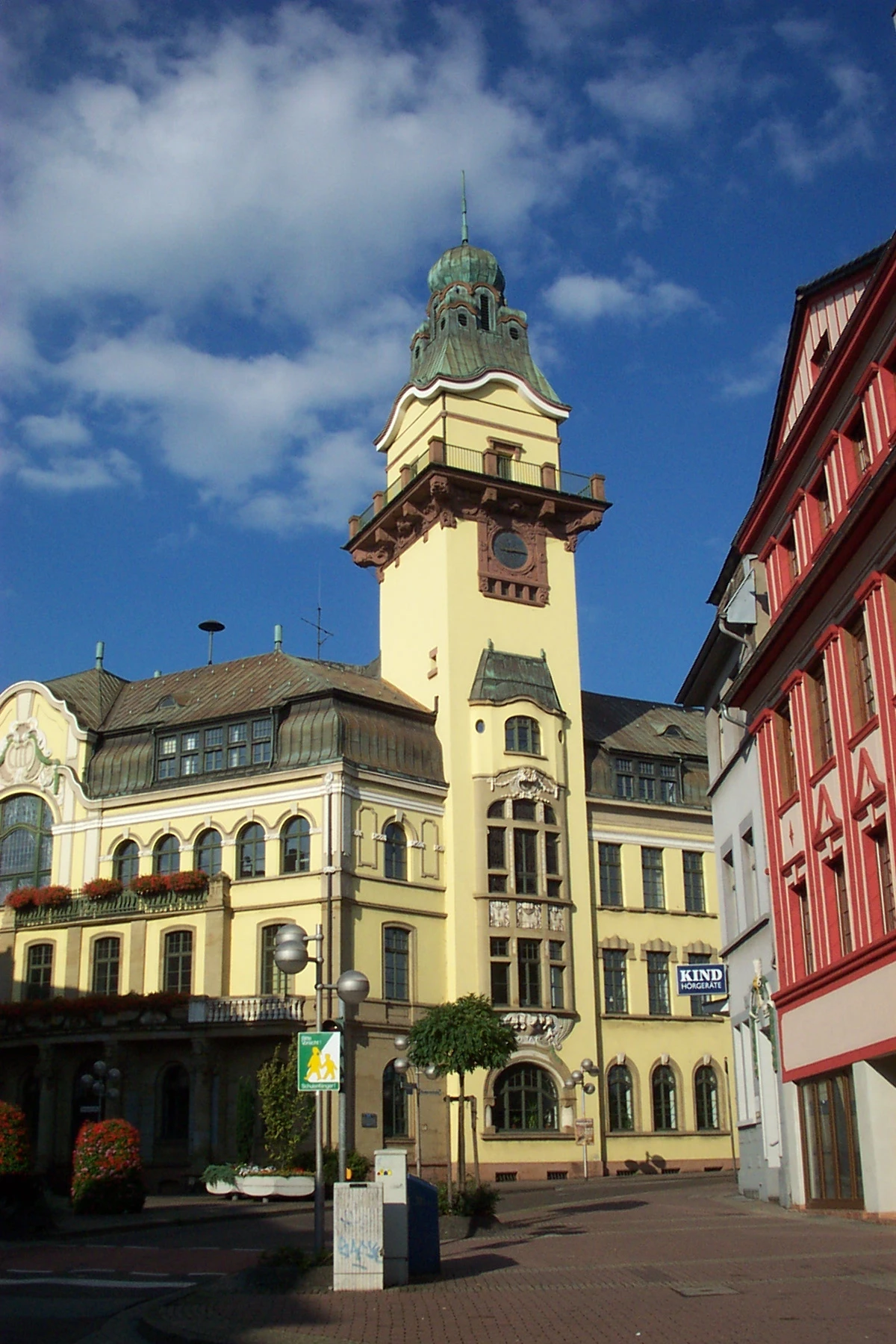
Hermann Röchling and the Lorraine Ironworks
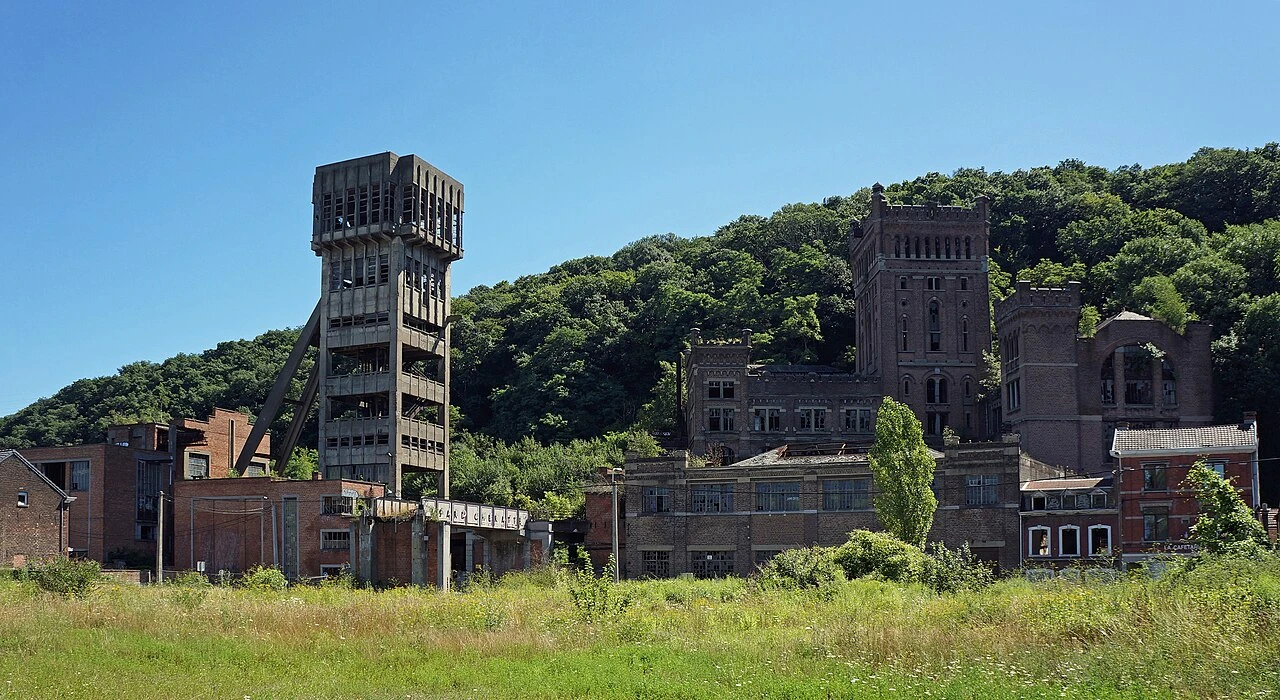
Campine Coal and the Hunger of Year One
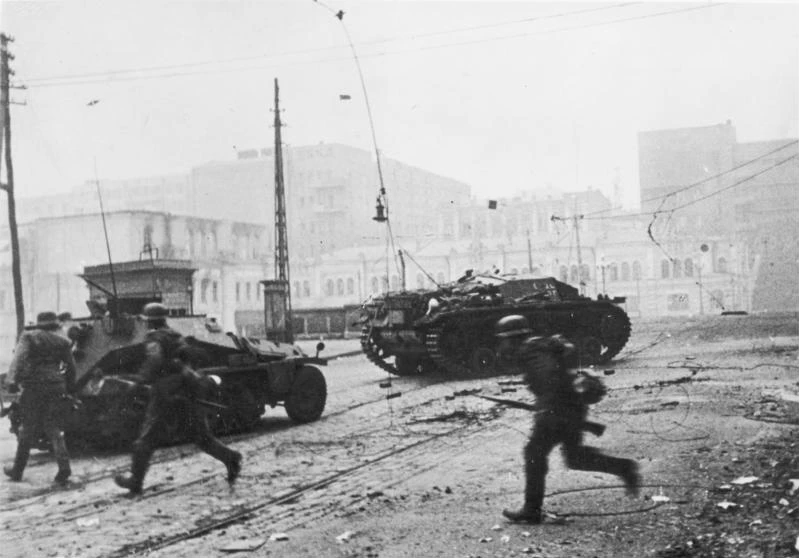
Soviet Sappers at Kharkov
Louis Renault Returns from the United States: Billancourt Under German Control
Citroën, the occupier and the secret little car
Citroën under the Occupation: the boss faces German orders
The weapons of the armistice — a secret beneath the table at Wiesbaden
At the Dahomey pit, the morning of team-rate pay
Michelin under the Occupation: keep the presses running or close the doors
Article 13: the SNCF and the occupier
Hermann Röchling and the Lorraine Ironworks
Campine Coal and the Hunger of Year One
Soviet Sappers at Kharkov