
June 1940: the Mona Lisa on the road, ahead of the German advance
Since the summer of 1939, the masterpieces of the Louvre have been evacuated by convoy to the châteaux of the Loire. The Mona Lisa, the Venus de Milo, and thousands of paintings are being put to safety, notably at the Château de Chambord, which has become an immense depot.
In June 1940, the military collapse changes everything. The German army is sweeping south and now threatens the Loire region. The Director of the National Museums, who has led this safeguarding effort from the start, must decide under pressure, with the roads clogged with refugees and defeat looming.
Leaving the crates at Chambord, moving them farther south, or resigning himself to handing them over to the victor: each option determines the fate of an irreplaceable heritage.
Faced with the German advance toward the Loire, what should be done with the thousands of artworks stored at Chambord?
had the artworks urgently re-evacuated to the southwest, out of immediate reach of the German advance. Part of the collections, including the Mona Lisa, left the Loire region in June 1940 for the Abbaye de Loc-Dieu (Aveyron), then, the site proving too damp, was transferred in October 1940 to the Musée Ingres in Montauban. Throughout the Occupation, Jaujard continued this policy of dispersal and protection, delaying and circumventing German covetousness. The collections were saved and returned to Paris after the war.
Learn more about this event
Related polls
10
Hannah Arendt, Stateless and Interned, Facing Exile
A Schoolteacher at Périgueux — Welcoming the Exodus
Langeron — Prefecture of Police, 14 June
A Paris Lycée in Exodus
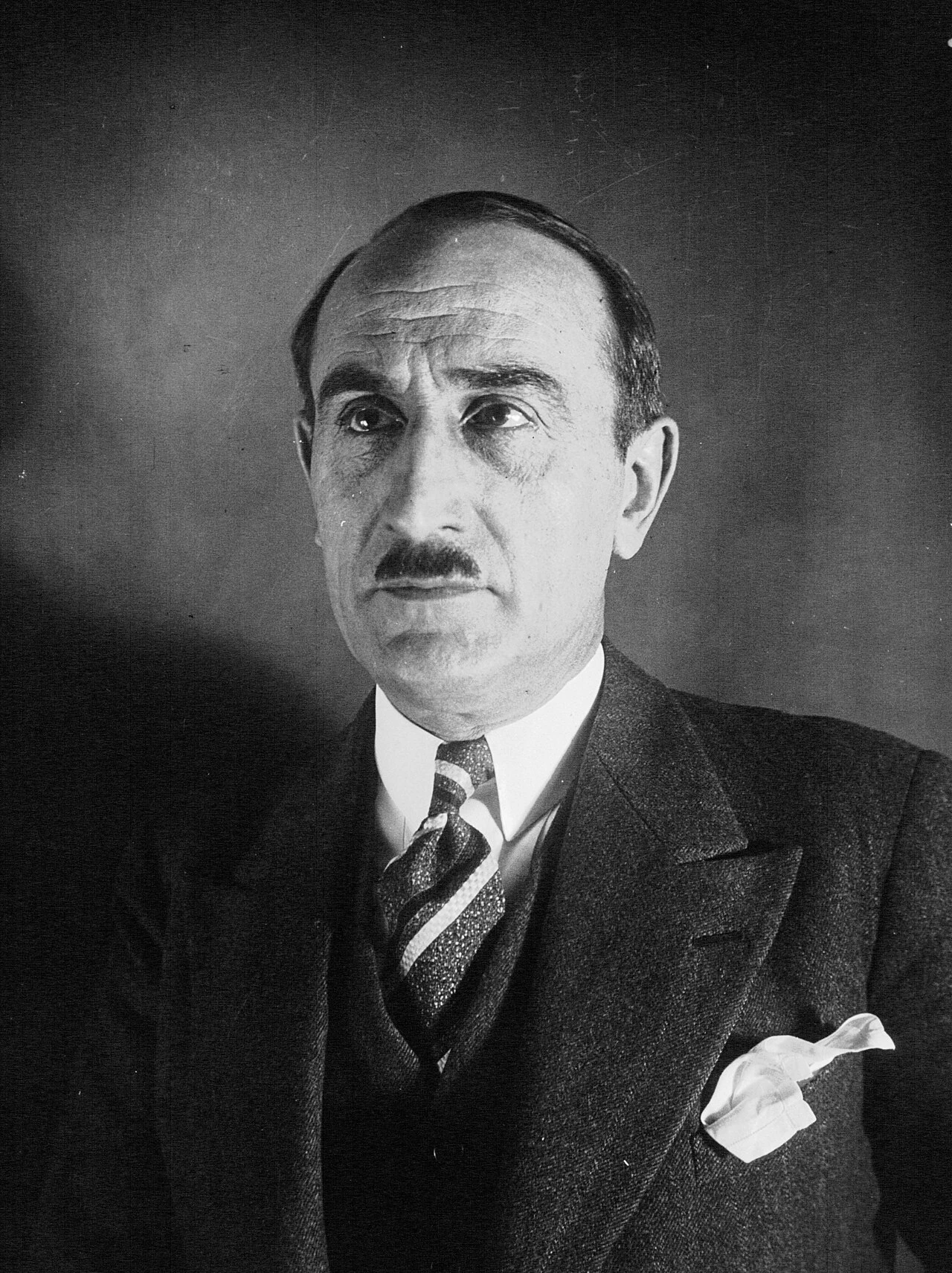
Marquet — Bordeaux overwhelmed, 12 June
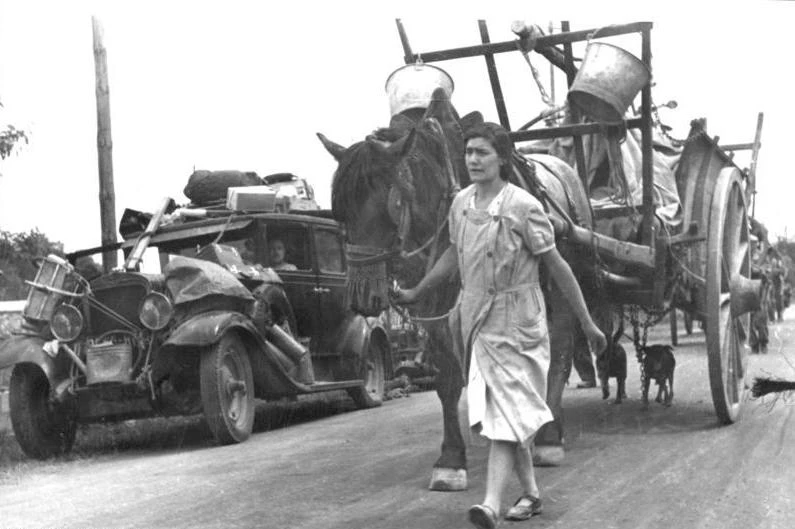
Paris empties out — 10 June

Pierre Caron facing the exodus — the archivist and his post

When the Louvre Must Vanish
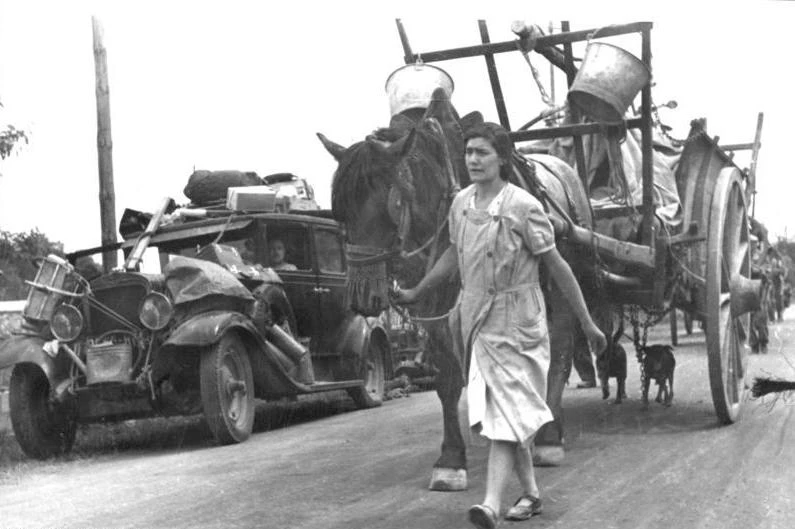
The French exodus
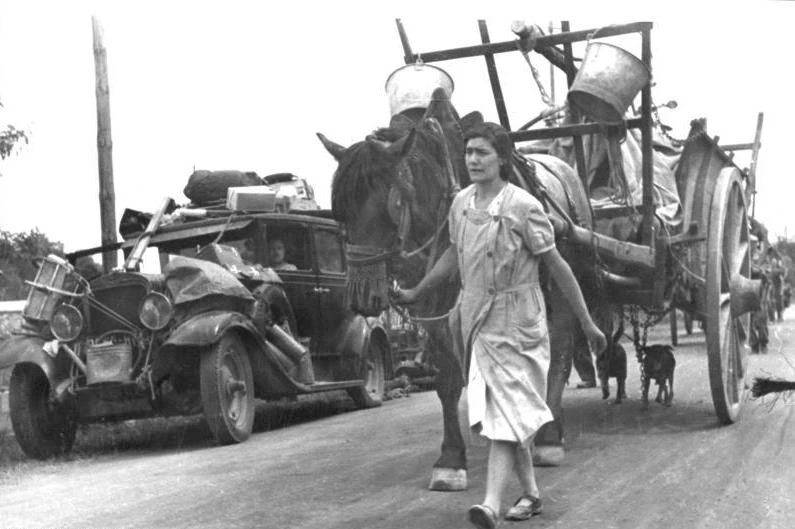
Belgian border — leave or wait out the storm
Hannah Arendt, Stateless and Interned, Facing Exile
A Schoolteacher at Périgueux — Welcoming the Exodus
Langeron — Prefecture of Police, 14 June
A Paris Lycée in Exodus
Marquet — Bordeaux overwhelmed, 12 June
Paris empties out — 10 June
Pierre Caron facing the exodus — the archivist and his post
When the Louvre Must Vanish
The French exodus